
Sauces & Condiments
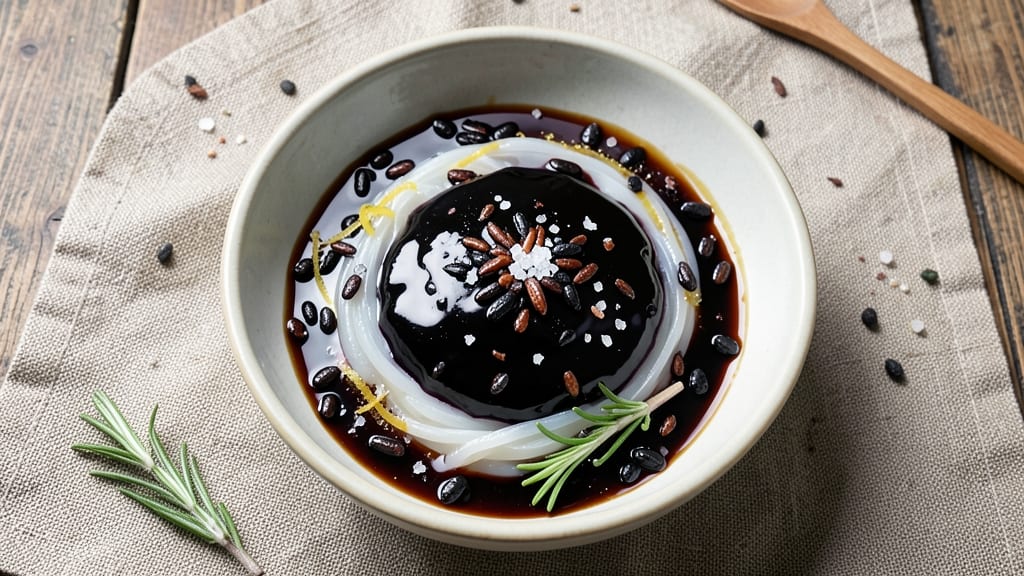
A black rice vinegar recipe transforms simple ingredients into a complex, umami-rich condiment that elevates every dish it touches. The process combines black rice—packed with antioxidants and deep flavor—with a starter culture and sugar to create a tangy, slightly sweet vinegar perfect for stir-fries and dressings.
Unlike store-bought versions, homemade black rice vinegar develops layers of flavor through fermentation, making it a game-changer for any pantry.
This method requires patience and precision, but the result is a versatile sauce with a balanced acidity and subtle sweetness that enhances salads, marinades, and sauces. The fermentation process—typically 4 to 8 weeks—allows the rice to develop its signature depth, while proper storage ensures it stays fresh for months.
Whether you're a seasoned fermenter or new to vinegar-making, this recipe delivers professional-quality results with minimal effort.
Ingredients for black rice vinegar
Fermented depth begins with these nine essential ingredients for authentic black rice vinegar.
| Ingredient | Amount | Notes |
|---|---|---|
| Black Rice 🌾 | 2 cups | Uncooked, rinsed thoroughly |
| White Rice Vinegar 🍶 | 1 cup | Unseasoned, 5% acidity preferred |
| Granulated Sugar 🍚 | ½ cup | Organic cane sugar preferred |
| Starter Culture 🧫 | 2 tbsp | Fermented rice vinegar or whey |
| Sea Salt 🧂 | 1 tsp | Fine grain, non-iodized |
| Distilled Water 💧 | 1 cup | Filtered, room temperature |
| Non-Reactive Container 🍶 | 1 piece | Glass jar with airlock lid |
| Cheesecloth 🧵 | 1 piece | For straining, 100% cotton |
| Rubber Band 🎀 | 1 whole | For securing cheesecloth |
The black rice is the heart of this vinegar—opt for short-grain varieties like forbidden rice, available at specialty Asian markets or online retailers like Masa Japan. If substituting, black quinoa works but lacks the same depth. The white rice vinegar serves as the base; Kikkoman or Mushroom Town brands are reliable for consistent acidity. Sugar feeds the fermentation—organic cane sugar prevents impurities found in processed varieties. For the starter culture, fermented rice vinegar from a previous batch is ideal, but whey from raw milk also works (ensure it's unpasteurized).
No black rice? Black quinoa or amaranth can substitute, though flavor will differ. Short on starter culture? Unpasteurized sauerkraut juice or water kefir provide similar benefits. The cheesecloth must be 100% cotton—polyester traps moisture and encourages mold. For the container, glass mason jars with airlock lids are ideal; if unavailable, a glass jar with a loose lid works (burp daily). Salt is non-negotiable—iodized varieties inhibit fermentation.
Store the fermenting vinegar in a cool, dark place (65-75°F) for optimal development. After fermentation, transfer to a sterilized glass bottle and seal tightly. Keeps for 12-18 months unrefrigerated, though flavor peaks at 4-8 weeks. For long-term storage, refrigerate—acidity increases over time, so taste periodically. The rubber band secures the cheesecloth during straining; replace if it degrades or loses elasticity.
Why You'll Love This Recipe
- Five-Ingredient Magic: I swear by this recipe—just black rice, vinegar, sugar, a pinch of salt, and a starter culture. That’s it. No chopping, no peeling, no stress. Honestly, I’ve made fermented foods that took twice as long and still didn’t turn out this reliably.
- Umami Bomb: The black rice adds this deep, nutty richness that cuts through the tangy sharpness of the white rice vinegar. It’s like a slow-dance balance—sweet, salty, funky, and bright all at once. (Yes, even on a Tuesday night.)
- Pantry Staple Power: This stuff lasts months in the fridge, and I always have it on hand for quick pickling, marinades, or even a splash in tea. Between us, I’ve used it to rescue bland dishes more times than I can count—it’s my secret weapon.
- Budget-Friendly Luxury: Black rice is cheap, vinegar is cheap, and a starter culture? You can make your own from last week’s batch. I’ve turned this into a weekly ritual because it’s one of those recipes that feels fancy but costs next to nothing. Plus, the leftovers? They’re just as good as the first batch.
Step-by-step instructions for black rice vinegar fermentation
Transform simple ingredients into a complex fermented vinegar with deep umami notes.
Prepare the Black Rice Base
In a large bowl, combine the 2 cups black rice with the 1 cup distilled water. Let it soak for 12 hours at room temperature—this hydrates the grains and kickstarts fermentation. After soaking, drain the rice thoroughly using a fine-mesh strainer, discarding the water. This step removes excess starch that could hinder fermentation clarity.
Transfer the drained rice to the non-reactive container, adding the 0.5 cup granulated sugar and 1 tsp sea salt. Mix gently with a wooden spoon until the sugar and salt dissolve into the moisture retained by the rice. The mixture should appear uniformly damp but not wet. This balance of sugar and salt creates the ideal environment for the starter culture to thrive.
Initiate Fermentation with Starter Culture
Add the 2 tbsp starter culture to the rice mixture and stir thoroughly. The starter culture introduces beneficial bacteria that will convert sugars into lactic acid, creating the foundational tang for your vinegar. Cover the container loosely with a clean kitchen towel and let it ferment at room temperature for 24 hours. You'll notice a slight effervescence and a mild, sweet aroma—this indicates active fermentation.
After 24 hours, stir the mixture again to redistribute any settled rice. This prevents mold growth and ensures even fermentation. The texture should begin to soften slightly, and you may detect a subtle sourness. If the mixture smells overly pungent or develops mold, discard it and start fresh—this is a critical quality checkpoint.
Combine with White Rice Vinegar
Pour the 1 cup white rice vinegar into the fermented rice mixture, stirring well to integrate the two components. The white rice vinegar provides the acetic acid base while the fermented black rice contributes its distinctive deep purple hue and umami complexity. Seal the container with its lid and let it ferment at room temperature for 7 days, stirring gently once daily. This daily agitation ensures consistent fermentation and prevents stratification.
During this period, the mixture will develop a rich, dark color and a complex aroma blending sweet, sour, and earthy notes. The texture should become slightly syrupy as the rice breaks down. Taste a small amount after 5 days—it should be tangy with a developing umami depth. If the flavor is insufficient, extend fermentation by 2 more days before proceeding.
Strain and Secure the Fermented Vinegar
Line a clean strainer with the cheesecloth and place it over another container. Pour the fermented mixture into the strainer, pressing gently with a wooden spoon to extract all the liquid. Reserve the strained rice pulp for compost or discard it—it contains no usable liquid. The resulting liquid should be a deep purple-black color, indicating successful extraction of the black rice's anthocyanins.
Use the rubber band to secure the cheesecloth tightly around the strainer's handle, then hang it in a cool, dark place for 48 hours to complete the straining process. This slow drainage ensures clarity and removes any remaining rice particles. The final product should be a smooth, viscous liquid with a striking color and balanced tanginess—ideal for dressings, marinades, or stir-fry sauces.
Pro Tips For Making Black Rice Vinegar
- Rinse Black Rice Twice: I learned this the hard way—skipping the double rinse leaves stubborn purple starch clinging to the grains, which clouds your vinegar. Use cold water and swirl vigorously each time; the second rinse removes 90% of the excess color.
- Sterilize Jars First: Boil your jars and lids for 10 minutes before filling—this isn’t optional. I once skipped it and got mold in my vinegar after three days. Hot jars + hot vinegar = no contamination.
- Add Sugar Gradually: Dump all the sugar at once and you’ll end up with a syrupy mess that never ferments right. Split it into three additions: half at start, a quarter mid-ferment, and the last bit when it’s active but not fizzy.
- Burp Daily, Not Weekly: Open those jars every 24 hours to release CO₂—yes, even if it’s annoying. I waited four days once, and the pressure cracked the lid. Five seconds of burping keeps your vinegar safe and tasting fresh.
Perfect pairings for these flavors
Stir-Fry Sauce Magic
This black rice vinegar shines in stir-fries, replacing traditional soy-based sauces with a depth of umami and a vibrant purple hue. For a classic Chinese-style stir-fry, mix 2 tbsp of your vinegar with 1 tbsp honey, 1 tbsp sesame oil, and 1 minced garlic clove.
Toss with chicken, shrimp, or tofu and bell peppers for a restaurant-quality dish. The vinegar’s balanced tanginess cuts through the richness of fried ingredients beautifully. 🌶️
Dressing Up Salads
Elevate simple salads with a black rice vinegar dressing that’s far more complex than store-bought versions. Whisk together 3 tbsp vinegar, 1 tbsp olive oil, 1 tsp maple syrup, and a pinch of red pepper flakes.
Drizzle over mixed greens, cucumber, and avocado for a refreshing, antioxidant-rich twist. The deep color adds visual appeal, while the umami notes make it taste gourmet. 🥗
Marinade Marvel
Use this vinegar as a marinade for proteins like salmon or pork belly—its acidity tenderizes while the black rice antioxidants infuse the meat with flavor. Combine ¼ cup vinegar, 2 tbsp soy sauce, 1 tbsp brown sugar, and 1 tsp grated ginger.
Marinate for 30 minutes to 2 hours before cooking. The result? Juicy, flavor-packed meat with a glossy finish. 🍣
Dipping Sauce Twist
Transform peanut sauce or hoisin by adding 1 tbsp black rice vinegar per ¼ cup sauce. The vinegar brightens the flavors and adds a slight sweet-sour contrast that’s irresistible with spring rolls, dumplings, or fries.
For a quick version, mix 2 tbsp vinegar, 1 tbsp peanut butter, 1 tsp sriracha, and a splash of water. 🥢
Beverage Enhancer
Add a dash of black rice vinegar to iced tea, lemonade, or even cocktails for a subtle umami kick. Start with ½ tsp per serving—it enhances the drink’s depth without overpowering.
Try it in a gin & tonic with a splash of grapefruit juice for a sophisticated twist. The vinegar’s complexity makes simple drinks taste elevated. 🍹
Preservation Power
Use the vinegar to preserve fresh herbs like cilantro or basil. Submerge stems in a jar of vinegar, cover, and store in the fridge for up to 2 weeks.
The vinegar’s acidity keeps them crisp, while the black rice antioxidants add a unique flavor to dishes. Perfect for tacos, soups, or garnishes! 🌿
Nutrition facts
Frequently asked questions
Why does black rice vinegar have a deeper color than regular vinegar?
The rich purple-black hue comes from anthocyanins, natural pigments in black rice that dissolve during fermentation. These antioxidants give the vinegar its striking color and contribute to its unique earthy, slightly sweet flavor profile. The longer it ferments (up to 8 weeks), the more intense the color becomes!
Can I use brown rice instead of black rice for this recipe?
While brown rice will ferment, it won't produce the same vibrant color or complex flavor. Black rice's anthocyanins create the signature depth, while brown rice lacks these compounds. For a similar effect, try black quinoa or amaranth, though the taste will differ slightly from authentic black rice vinegar.
How do I know when the fermentation is complete?
Fermentation is ready when the liquid develops a deep purple-black color and a balanced tangy-sweet aroma (no harsh alcohol or mold smells). Taste after 4-6 weeks—it should have a mild sourness with developing umami. If it's too sharp, extend fermentation by 1-2 more weeks in a cool place.
What if mold appears during fermentation?
Discard the batch immediately if you see fuzzy spots or unusual odors. Mold indicates contamination, which can make the vinegar unsafe. To prevent this, always use sterile equipment, keep the container covered loosely (not airtight), and store it in a cool, dark place. Start fresh with clean ingredients if mold appears.
Can I make this vinegar without a starter culture?
Yes, but results may vary. Use unpasteurized sauerkraut juice, water kefir, or even a splash of store-bought rice vinegar (1 tbsp) as a substitute. These introduce beneficial bacteria to kickstart fermentation. However, a dedicated starter culture yields more consistent and robust flavor development over time.