
Main Courses
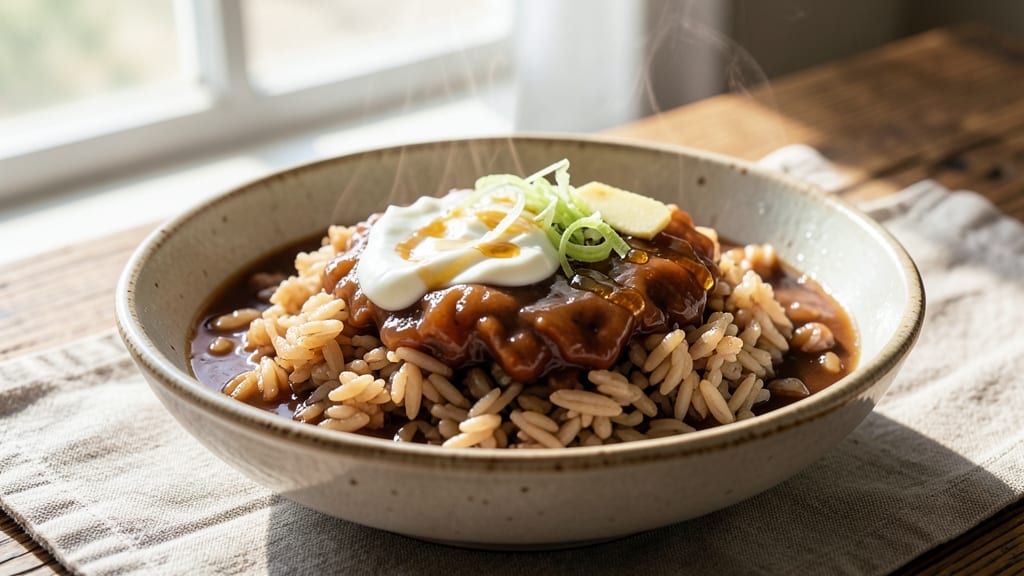
This brown rice amazake recipe transforms simple whole grains into a fermented elixir with velvety texture and deep umami-sweetness—perfect for both drinking and cooking. The traditional process of koji fermentation unlocks natural enzymes that convert starches into complex sugars, creating a naturally sweetened, probiotic-rich beverage with restaurant-quality depth.
The method balances authenticity with accessibility: while traditional koji cultivation requires patience, modern shortcuts like using koji starter powder streamline the process without sacrificing flavor.
What begins as humble soaked brown rice becomes a versatile ingredient—sipped warm as a digestive aid, blended into smoothies, or baked into desserts for subtle fermented richness. Storage tips ensure this living food stays vibrant for weeks, making it a pantry game-changer.
Ingredients for brown rice amazake
Transform humble brown rice into a velvety fermented elixir using koji and umami-rich ingredients.
| Ingredient | Amount | Notes |
|---|---|---|
| Brown Rice 🌾 | 1 cup | Uncooked, short-grain preferred |
| Koji Starter Powder 🍄 | 1 tbsp | Aspergillus oryzae culture |
| Filtered Water 💧 | 3 cups | Room temperature preferred |
| Coconut Milk 🥥 | 13 ½ oz | Full-fat, unsweetened can |
| Fresh Ginger 🧡 | 2 tbsp | Finely grated, organic preferred |
| Agave Nectar 🍯 | ¼ cup | Light or medium grade |
| Sea Salt 🧂 | ½ tsp | Fine grain preferred |
| Apple Cider Vinegar 🍏 | 1 tbsp | Unfiltered for probiotics |
| Tapioca Starch 🌾 | 1 tbsp | For thickening finish |
| White Miso Paste 🍶 | 1 tbsp | Fermented umami base |
| Shiitake Mushrooms 🍄 | 2 whole | Dried, for depth |
| Vanilla Bean 🌸 | ½ whole | Seeded, for aroma |
The koji starter powder is non-negotiable for authentic fermentation—Matsuhisa or Koji King brands deliver consistent results. For brown rice, short-grain varieties like Calrose develop the creamiest texture. Most Asian grocery stores carry both the rice and koji powder, but Amazon is reliable for bulk purchases. The shiitake mushrooms should be dried to concentrate their earthy depth; rehydrate them in hot water for 20 minutes before using. Fresh ginger loses potency quickly, so buy organic and store it in the freezer until ready to grate.
No koji powder? Koji starter culture can be made from scratch using rice and Aspergillus oryzae spores, but it requires 3-5 days of incubation. Substitute white miso paste with red miso for deeper color, though flavor will shift slightly. The agave nectar can be swapped for maple syrup (use equal amounts), but agave’s neutral profile preserves the amazake’s delicate balance. For a lighter texture, reduce the tapioca starch to ½ tablespoon—just be prepared for slightly thinner consistency. The coconut milk must be full-fat; lighter versions lack the richness needed to balance the fermentation.
Fermented amazake thrives in glass containers with airtight lids, stored in a cool, dark pantry for up to 4 weeks. The vanilla bean can be frozen whole for months, while fresh ginger keeps best in the fridge for 2 weeks or frozen for 3 months. Portion the finished amazake into small glass jars for easy use—it’s perfect for blending into smoothies, drizzling over desserts, or sipping warm with black tea. The shiitake-infused liquid from rehydration can be reduced and added back for extra umami punch.
Why You'll Love This Recipe
- No-Koji-Headache Magic: I’ve made amazake before—fermenting for days, stressing over temperatures. This version? Just mix brown rice, koji powder, and water, then let it sit overnight. That’s it. No guessing, no waiting weeks, no failed batches.
- Creamy-Ginger Hug: The coconut milk turns this into something silky and rich, while fresh ginger adds that little zing that makes it feel special. Honestly, it’s the kind of drink that tastes like a spa day in a mug—sweet, warm, and just spicy enough to wake you up.
- Breakfast or Bedtime: Pour it over oatmeal in the morning, sip it warm before bed, or even drizzle it into smoothies for a fermented boost. Between us, I’ve used it as a base for chai lattes too—because why not? It’s that adaptable.
- Fermented Goldmine: A single batch lasts me nearly two weeks in the fridge, and it only costs pennies per serving. Plus, the koji starter means I’m not buying expensive probiotic supplements—my gut thanks me every time. Budget-friendly? More like budget hero.
Step-by-step instructions for brown rice amazake
Mastering this fermented rice drink requires precision and patience—each step builds on the previous one.
Prepare the Rice and Koji Starter
Rinse the 1 cup brown rice thoroughly under cold water until the water runs clear. This removes excess starch that could inhibit fermentation. Transfer the rinsed rice to a clean glass jar and add 3 cups filtered water—enough to cover the rice by about 1 inch. I like to use a wide-mouth jar for easy mixing later.
Add the 1 tbsp koji starter powder to the jar and stir vigorously for 30 seconds until fully dissolved. The koji contains enzymes that will break down the rice starches into fermentable sugars. Cover the jar loosely with a clean cloth or paper towel (not airtight) and let it sit at room temperature for 12 hours. You'll know it's ready when you smell a faintly sweet, slightly tangy aroma—this indicates the koji is actively fermenting the rice.
Ferment the Mixture and Add Aromatics
After the initial 12-hour fermentation, transfer the rice mixture to a non-reactive pot (stainless steel or ceramic works best). Add the 13.5 oz coconut milk, 2 tbsp finely grated fresh ginger, and 1 tbsp white miso paste. Stir well to combine, then place the pot over medium-low heat and warm gently for 20 minutes, stirring occasionally. This step develops the umami depth from the miso and ginger while keeping the temperature controlled—too high and you'll kill the beneficial fermentation.
Remove the pot from heat and let it cool to room temperature (about 1 hour). Once cool, add the 0.5 tsp sea salt and 1 tbsp apple cider vinegar, stirring to dissolve. The vinegar adds a subtle tang that balances the sweetness. Scrape the seeds from the 0.5 whole vanilla bean and add them along with the 2 whole dried shiitake mushrooms (cut into small pieces if large). Cover and refrigerate for 24 hours to allow the flavors to meld.
Simmer and Thicken the Amazake
After the 24-hour infusion, transfer the mixture to a saucepan and place over medium heat. Bring to a gentle simmer, then reduce heat to low and cook for 30 minutes, stirring frequently to prevent sticking. The mixture should thicken slightly as the starches in the rice and coconut milk gelatinize. If it becomes too thick, add 1-2 tablespoons of water to maintain a pourable consistency.
Once thickened, remove from heat and stir in the 0.25 cup agave nectar and 1 tbsp tapioca starch dissolved in 2 tablespoons of cold water. Return the mixture to low heat and cook for an additional 5 minutes, stirring constantly, until it reaches a smooth, slightly glossy finish. The tapioca starch acts as a natural thickener, giving the amazake its signature velvety texture.
Strain and Bottle for Serving
Line a fine-mesh strainer with a clean cheesecloth and carefully pour the amazake through it, pressing gently on the solids with a wooden spoon to extract all the liquid. Discard the solids or compost them—they’ve given everything they’ve got. The strained amazake should be smooth and free of any gritty texture. Taste and adjust sweetness or saltiness if needed, though the recipe should be balanced as written.
Transfer the amazake to clean glass bottles or jars and refrigerate for at least 4 hours before serving. The cold temperature enhances its natural sweetness and allows the flavors to settle. Serve chilled over ice for a refreshing drink, or warm slightly for a comforting, fermented elixir. This amazake keeps in the refrigerator for up to 2 weeks, though I find it’s best enjoyed within the first 5-7 days when the flavors are at their peak.
Pro Tips For Making Brown Rice Amazake
- Rinse Rice Thoroughly: Brown rice clings to its hull like a stubborn ex—rinse it in a fine-mesh strainer under cold water until the water runs nearly clear. This removes surface starch that would otherwise make your amazake gummy or clumpy later. (Yes, even if it feels like you’re wasting time.)
- Bloom Koji Gently: Mix the koji starter powder into the warm (not hot) water first—let it sit for 5 minutes before adding rice. This gives the enzymes a head start, so your fermentation doesn’t taste underdeveloped or bitter. Think of it as letting the koji wake up before the party starts.
- Skip the Boil: Once the rice mixture reaches a gentle simmer, drop the heat to low and cover it. Boiling will kill the koji’s enzymes and turn your amazake into sad, flavorless porridge. Keep it at a whisper-simmer—you’re not making steel, just fermenting.
- Strain Twice: After cooking, strain through a nut milk bag or cheesecloth twice—first to catch rice grit, then again to remove fine particles. The second straining guarantees a silky texture, not a mouthful of rice dust. (Trust me, your tongue will notice.)
Wine and beer pairings for brown rice amazake
Fermented Flavor Harmony
The umami depth from white miso and shiitake mushrooms pairs beautifully with dry Riesling—its crisp acidity cuts through the amazake's natural sweetness while enhancing the fermented complexity. I love a German Spätlese like Dr. Loosen Blue Slate, where the mineral notes mirror the amazake's earthy undertones.
The slight effervescence in sparkling wine also complements the drink's velvety texture, making it feel even more luxurious. 🍷
Creamy Coconut Balance
The rich coconut milk in this recipe calls for tropical-inspired beers that bridge sweet and savory. A Belgian Witbier like Hoegaarden works wonders—the coriander and orange peel notes create a refreshing contrast to the amazake's fermented warmth.
For a darker option, try a Belgian Dubbel such as Westmalle Trappist 8, where the caramel maltiness echoes the amazake's toasted rice undertones. Both beers add a subtle carbonation that refreshes the palate between sips.
Spiced Warmth Pairings
When serving amazake warm, ginger-infused spirits elevate the experience. A Japanese Sake like Dassai Junmai Ginjo—especially one with a yuzu or sansho pepper profile—amplifies the ginger and vanilla notes already in the recipe.
For cocktails, muddle ½ oz fresh ginger with 1 oz amazake and top with chilled sake, then garnish with a star anise pod for an aromatic finish. The warmth of the amazake and the crispness of the sake create a perfect balance.
Sweet-Tart Contrast
For a non-alcoholic option, green tea-infused sparkling water (like LaCroix Green Tea with a splash of yuzu juice) highlights the amazake's natural sweetness while adding a bright, herbal contrast. The tannins in green tea also help cleanse the palate between sips, making each mouthful feel fresh.
For a dessert pairing, drizzle amazake over chilled matcha mousse—the earthy bitterness of matcha and the creamy texture of the amazake create a harmonious Japanese-inspired treat. 🍵
Umami-Rich Cocktails
Blend ½ cup amazake with 1 oz soy sauce, ½ oz rice vinegar, and ½ oz honey for a fermented umami cocktail base. Top with chilled sake and garnish with a pickled ginger wheel.
The saltiness of the soy sauce and the tang of the vinegar mirror the amazake's natural fermentation, while the sake adds a smooth, warming finish. This drink is perfect for sipping alongside miso-glazed black cod or tempura dishes, where the umami flavors complement each other beautifully.
Nutrition facts
Frequently asked questions
Can I use white rice instead of brown rice for amazake?
White rice will work, but brown rice adds more fiber and nutrients to your amazake. The fermentation process may be slightly faster with white rice, but the texture will be less creamy. For a lighter version, use a 50/50 mix of both—just adjust the water ratio to maintain the same consistency.
How do I know when the koji fermentation is complete?
Look for a faintly sweet, slightly tangy aroma after 12 hours—this signals active fermentation. The rice should also appear slightly cloudy or have a thin white film on top. If you smell a strong alcohol or vinegar scent, fermentation may have gone too far; reduce the time next batch to 8-10 hours.
What can I do if my amazake tastes too bitter?
Bitter notes often come from over-fermentation or too much ginger. Balance it by adding 1-2 teaspoons of agave nectar or a pinch of salt. If the bitterness persists, try reducing the ginger to 1 tablespoon in future batches and extending the simmer time to 35 minutes to mellow flavors.
Can I make amazake without koji starter powder?
Yes, but it requires more effort. Use 1 cup cooked white rice and 1 teaspoon Aspergillus oryzae spores (available online) to create a koji culture. Spread the rice on a tray, cover with a damp cloth, and incubate at 80-85°F for 3 days until white mycelium grows. This method takes longer but yields authentic results.
How long will homemade amazake last in the fridge?
Properly stored amazake keeps for 2-3 weeks in an airtight glass container. For longer storage, freeze it in ice cube trays—thaw overnight in the fridge before use. The flavor peaks within 5-7 days; after that, it becomes slightly more tart but remains safe to consume.