
Main Courses
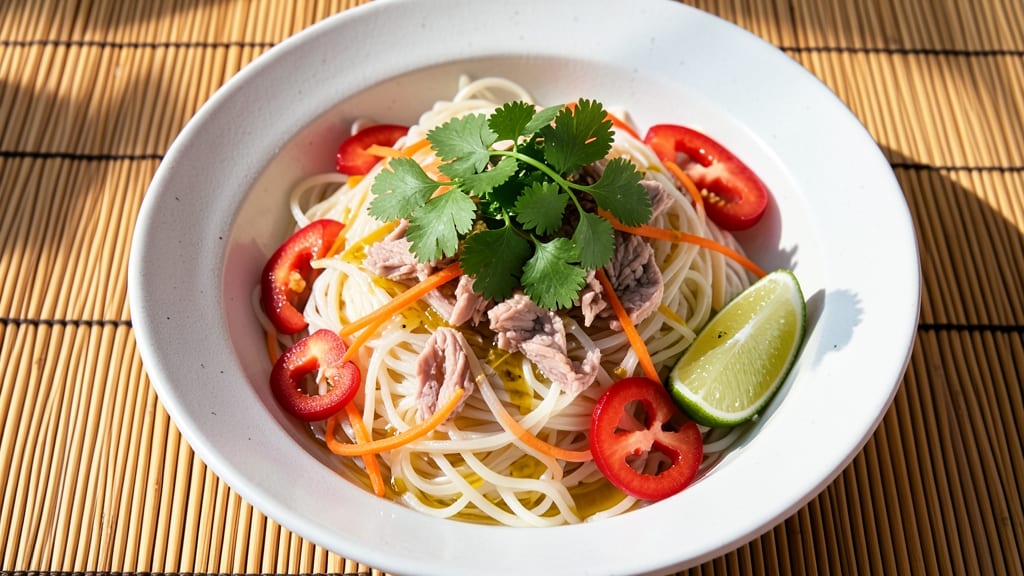
This canned tuna rice noodles recipe delivers a protein-packed meal in just 15 minutes—perfect for busy weeknights when you need flavor without fuss. The secret lies in balancing briny tuna with zesty lime and fresh herbs, transforming simple ingredients into a satisfying dish that feels restaurant-worthy.
No fancy techniques required, just a hot pan and 10 minutes of hands-on time.
What makes this recipe work is the perfect harmony of textures and flavors: tender rice noodles soak up the tangy tuna mixture while crisp vegetables add crunch. The lime dressing cuts through the richness, creating a dish that's both light and deeply satisfying.
Whether you're feeding yourself or a family, this meal comes together faster than takeout but tastes infinitely better. Let's get started!
Ingredients for canned tuna rice noodles
Balanced briny tuna with zesty lime and fresh herbs for a restaurant-worthy dish in minutes.
| Ingredient | Amount | Notes |
|---|---|---|
| Canned Tuna in Water 🐟 | 2 cans | Drained, high-quality preferred |
| Rice Noodles 🍜 | 8 oz | Medium-width, uncooked |
| Fresh Lime 🍋 | 1 whole | Juiced, seeds removed |
| Fresh Cilantro 🌿 | ¼ cup | Chopped, stems removed |
| Red Bell Pepper 🌶️ | 1 whole | Thinly sliced, seeds removed |
| Carrots 🥕 | 2 medium | Julienned, about 1 cup |
| Sesame Oil 🫒 | 1 tbsp | Toasted, for aroma |
| Soy Sauce 🥢 | 2 tbsp | Low-sodium preferred |
| Garlic Cloves 🧄 | 3 cloves | Minced, fresh preferred |
| Vegetable Oil 🫒 | 1 tbsp | For stir-frying |
| Sesame Seeds 🌾 | 1 tsp | Toasted, for garnish |
| Salt 🧂 | ½ tsp | Adjust to taste |
| Black Pepper 🌶️ | ¼ tsp | Freshly ground |
| Green Onions 🧅 | 2 whole | Thinly sliced, for garnish |
The quality of tuna makes all the difference—opt for brands like Wild Planet or Vital Choice for richer flavor. Rice noodles should be medium-width for ideal texture; Thai Kitchen or Three Ladies are reliable brands. Fresh lime is non-negotiable here: its acidity cuts through the tuna's richness. Look for limes with vibrant green skins and firm texture at Whole Foods or your local farmers market. The carrots and bell pepper should be crisp, not limp—organic varieties from the produce section work best.
No fresh lime? Key lime juice or bottled lime juice will work in a pinch, though fresh is ideal. Substitute cilantro with fresh mint or basil if needed, though the flavor profile changes. For extra protein, add edamame or tofu cubes to the stir-fry. The sesame oil should be toasted for maximum aroma—Kadoya or La Choy are good options. If you prefer less sodium, use coconut aminos instead of soy sauce. The garlic can be pre-minced from a jar, but fresh is always better.
Rice noodles cook in just 3-4 minutes—keep them submerged in hot water until al dente. Store leftovers in an airtight container for up to 3 days in the fridge. For meal prep, portion into containers with the lime dressing on the side to maintain freshness. Freezing isn't recommended as the noodles become mushy. Garnish with toasted sesame seeds and green onions just before serving for maximum flavor impact.
Why You'll Love This Recipe
- Pantry to Plate Fast: I swear, this takes less time than waiting for takeout. Just boil the noodles, drain, toss in the tuna and bell pepper strips—no chopping, no fuss, just done. That lime juice brightens everything up in seconds, and suddenly you’ve got dinner.
- Bright & Tangy Magic: The lime and cilantro turn this into something way more exciting than basic tuna salad. The red bell pepper adds a crisp, fresh bite that cuts through the richness of the tuna—like a zesty wake-up call for your taste buds. (Yes, even on a Tuesday night.)
- Lunchbox Hero: Between us, this is my go-to for meal prep. Pack it cold or reheat it—it stays solid both ways. My kids actually eat their veggies (the bell pepper bits) without complaining, and I can make a week’s worth in 20 minutes. That’s a win.
- Budget-Friendly Powerhouse: Canned tuna and rice noodles? Under $5 for a full meal. Honestly, it’s the kind of recipe that makes me feel like I’m feeding my family well without breaking the bank. Leftovers? Even better—just add a splash of lime to keep it fresh.
Step-by-step instructions for canned tuna rice noodles
Here's how to transform simple pantry staples into a vibrant, protein-rich dish with perfect texture every time.
Prepare the Vegetable Medley
Using a sharp mandoline or knife, julienne the 2 medium carrots into thin matchsticks (about 1 cup total). Remove seeds from the 1 whole red bell pepper and slice it into thin half-moons. Set both aside in separate bowls.
In a small bowl, mince the 3 cloves garlic cloves finely. You want them small enough to disappear into the dish but not so fine they cook into oblivion. Chop the 0.25 cup fresh cilantro, removing stems first, and thinly slice the 2 whole green onions. These aromatics will brighten the dish with freshness.
Stir-Fry the Vegetables
Heat the 1 tablespoon vegetable oil in a large skillet over medium-high heat until shimmering. Add the julienned carrots and stir-fry for 2-3 minutes until they begin to soften but still retain their bright color. This quick cooking preserves their crunch.
Add the red bell pepper slices and cook for another 2 minutes until they begin to wilt slightly but still hold their shape. Push the vegetables to one side of the pan and add the minced garlic. Stir for 30 seconds until fragrant—this prevents burning while infusing flavor. Combine everything and cook for 1 more minute.
Cook the Rice Noodles
While the vegetables cook, bring a large pot of water to a rolling boil. Add the 8 oz rice noodles and cook according to package instructions (typically 3-5 minutes) until al dente. The noodles should be tender but still slightly resistant to the bite.
Drain immediately and rinse under cold water for 10 seconds to stop the cooking process. This prevents them from becoming mushy when combined with the sauce. Shake off excess water and add them directly to the skillet with the vegetables.
Combine with Tuna and Season
Add the drained 2 cans canned tuna in water to the skillet, breaking up any large chunks with a spatula. Pour in the 2 tablespoons soy sauce and sprinkle with the 0.5 teaspoon salt and 0.25 teaspoon black pepper. Toss everything together vigorously for 1-2 minutes until the noodles are evenly coated and heated through.
Remove from heat and stir in the 1 tablespoon toasted sesame oil. This adds depth of flavor and a nutty aroma that complements the briny tuna. The dish should be well-seasoned but not overly salty—taste and adjust if needed.
Finish and Serve
Transfer the noodle mixture to serving bowls. Squeeze the juice from the 1 whole fresh lime over each serving (about 1 tablespoon per bowl) and sprinkle with the chopped cilantro and sliced green onions. Drizzle with any remaining sesame oil from the jar.
Garnish with the 1 teaspoon toasted sesame seeds just before serving. The contrast of textures—chewy noodles, crisp vegetables, flaky tuna—and bright flavors makes this dish remarkably satisfying. Serve immediately while the noodles are still warm and the aromatics are fragrant.
Pro Tips For Making Canned Tuna Rice Noodles
- Drain Tuna Properly: Skip pouring the oil straight from the can—it’ll make your noodles greasy. Drain the tuna first, then rinse it under cold water to remove excess oil and brine. Trust me, your dish will taste lighter and brighter.
- Soak Noodles Separately: Don’t toss the noodles in boiling water with the tuna—it turns them mushy. Soak them in warm (not hot) water for 5–7 minutes until pliable, then drain and rinse with cold water. They’ll hold up better when mixed in later.
- Char the Bell Pepper: Raw bell pepper just sits there. Toss it in a dry pan over medium-high heat for 2–3 minutes until blackened in spots, then scrape off the skin. The smoky flavor cuts through the fishy notes and adds depth.
- Zest the Lime First: Squeeze the lime juice in last, but zest the peel right at the start. Toss it into the noodles while they’re still warm—it releases the citrus oils and brightens everything. Save the juice for finishing. (Yes, even if you’re impatient like me.)
Troubleshooting perfect results
Noodles Too Soft
Overcooked rice noodles are the #1 culinary crime in this dish. Always cook them 1 minute less than package instructions suggest, then rinse immediately in cold water for 10 seconds to halt cooking. I’ve found Thai Kitchen brand noodles hold up best—they’re thicker and less prone to mushiness.
If you forget to rinse, toss the noodles back in the pan for 30 seconds over medium heat to firm them up slightly. 💡
Tuna Too Dry
Draining canned tuna too aggressively removes its natural oils, leaving you with dry, flavorless flakes. Instead of shaking the can upside down, use a slotted spoon to transfer the tuna directly to your skillet, reserving 1-2 tablespoons of the oil from the can.
For extra moisture, add 1 teaspoon of water or fish sauce when combining with the noodles. Brands like Wild Planet have richer oils that help combat dryness naturally. ✨
Vegetables Overcooked
Bell peppers and carrots lose their crispness fast when stir-fried. The secret is high heat and quick cooking: work in batches if needed, and keep your pan at medium-high heat (not high).
For extra crunch, add the vegetables right before serving—toss them in after removing the pan from heat. I like to save ½ cup of the cooked noodles to mix with raw veggies for texture contrast. 🥕
Sauce Too Salty
Soy sauce packs a punch, and when combined with canned tuna’s saltiness, flavors can easily become unbalanced. Start with 1 tablespoon soy sauce instead of 2, then adjust to taste.
If it’s too salty, balance it with extra lime juice (the acidity masks sodium) or a splash of coconut milk (just 1 tablespoon). For a lighter touch, use low-sodium soy sauce—Kikkoman’s version works well. 🧂
Lime Dressing Curdles
Fresh lime juice can curdle when added to hot noodles, creating an unappetizing texture. Always let your noodle mixture cool for 2-3 minutes before squeezing lime over it. For a smoother dressing, strain the lime juice through a fine-mesh sieve to remove seeds.
If you’re prepping ahead, store the lime dressing separately and mix it in just before serving. 🍋
Stale or Grainy Texture
If your dish tastes flat or grainy, it’s likely due to overmixed noodles or stale ingredients. Stir just until combined—1-2 minutes max—to avoid breaking the noodles into a paste. For extra freshness, use day-old rice noodles (stored in an airtight container) as they hold up better to stirring.
If the tuna tastes metallic, it’s past its prime—opt for cans with a pull-tab (they’re fresher than button-top varieties). 💫
Nutrition facts
Frequently asked questions
Can I use tuna in oil instead of water?
Yes, but you'll need to adjust the recipe slightly. Tuna in oil is richer and more flavorful, so reduce the sesame oil to ½ tablespoon and omit the extra tuna oil from the can. The dish will be creamier, so add an extra ½ teaspoon lime juice to cut through the richness. Drain the tuna thoroughly to avoid excess oil in the pan.
How do I make this recipe vegetarian?
Swap the canned tuna for 1 cup of marinated tofu cubes or ½ cup of chickpeas (drained and rinsed). For extra protein, add ½ cup of edamame to the stir-fry. Boost umami with 1 teaspoon soy sauce or ½ teaspoon miso paste to replace the tuna's briny flavor. The lime and sesame dressing will still work beautifully!
Can I prepare this ahead of time?
Cook the noodles and vegetables separately, then store them in airtight containers for up to 3 days. Keep the lime dressing separate until serving to prevent sogginess. When ready to eat, reheat the noodles and veggies in a pan with 1 teaspoon oil for 1-2 minutes, then combine with the dressing. Garnish with fresh herbs and sesame seeds just before serving.
What's the best way to reheat leftovers?
Never microwave this dish directly—it makes the noodles mushy. Instead, spread leftovers on a baking sheet and warm in a 350°F (175°C) oven for 5-7 minutes until heated through. For stovetop reheating, use ½ tablespoon oil in a pan over medium heat and stir constantly for 2-3 minutes. Add a splash of water if needed to loosen the mixture.
Can I add protein beyond tuna?
Certainly! For extra protein, stir in ½ cup cooked shrimp or ½ cup diced chicken breast with the tuna. If using shrimp, cook them separately for 2-3 minutes until just pink, then add to the pan. For a vegan option, include ½ cup of tempeh (pan-fried until crispy) or 1 cup of baked tofu cubes. Just reduce the noodle amount slightly to maintain balance.