
Main Courses
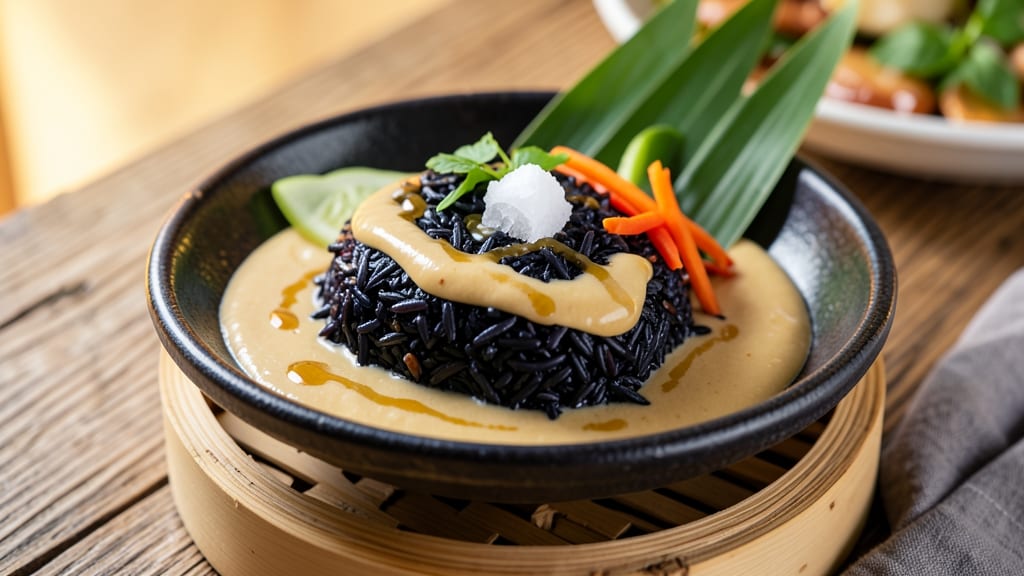
A black Thai rice recipe transforms simple sticky rice into a vibrant, fragrant masterpiece with just coconut milk, turmeric, and patience. This traditional Thai dish delivers a deep purple hue and delicate coconut aroma that elevates any meal—whether paired with grilled meats or tropical fruits. The secret lies in soaking the rice overnight and steaming it gently to achieve that signature sticky texture.
The result is a dish that balances earthy turmeric with creamy coconut, creating a fragrant, slightly sweet rice that's both comforting and elegant. Perfect for special occasions or weeknight dinners, this recipe delivers restaurant-quality results with minimal effort. Let's get started—your taste buds will thank you.
Ingredients for black thai rice
Fragrant coconut milk, vibrant turmeric, and delicate lime leaves transform ordinary rice into this striking Thai masterpiece.
| Ingredient | Amount | Notes |
|---|---|---|
| Black Jasmine Rice 🌾 | 1 cup | Uncooked, long-grain preferred |
| Full-Fat Coconut Milk 🥥 | 13 ½ oz | Canned, unsweetened preferred |
| Turmeric Powder 🌶️ | 1 tbsp | Freshly ground for vibrant color |
| Fresh Ginger 🧄 | 1 inch | Peeled, grated finely |
| Fresh Turmeric Root 🌶️ | 1 inch | Peeled, grated finely |
| White Sugar 🍚 | ¼ cup | Granulated, adjust to taste |
| Salt 🧂 | ½ tsp | Diamond Crystal preferred |
| Water 💧 | 1 ½ cups | Filtered or spring water |
| Lemon Juice 🍋 | 1 tbsp | Freshly squeezed |
| Lime Leaves 🌿 | 4 whole | Fresh, tied in knot |
| Vegetable Oil 🫒 | 1 tbsp | For cooking rice |
| Coconut Sugar 🍯 | ½ tsp | Optional for depth |
The black jasmine rice is non-negotiable for authentic flavor—Thai Kitchen brand or specialty Asian markets are your best bets. For the turmeric, fresh root gives the deepest color and earthiest flavor, though high-quality powder works in a pinch. Penzeys Spices carries excellent turmeric powder if you prefer convenience. Ginger and turmeric roots should be firm with no soft spots—Asian grocery stores often have better selections than mainstream markets. The coconut milk must be full-fat for proper texture; Thai Kitchen brand or Aroy-D are reliable choices.
No fresh ginger? Powdered ginger at half the amount works, though it lacks the same depth. Substituting turmeric powder for root? Use one-third the amount of powder by weight. Lime leaves can be tricky to find—substitute 2 bay leaves if needed, though the flavor won't be identical. The sugar can be swapped for maple syrup or agave at a 1:1 ratio, though coconut sugar adds subtle caramel notes. For the water, avoid tap water with strong chlorine odor—filtered or bottled spring water ensures the best flavor development.
Prep the rice by soaking it overnight in the measured water—this critical step prevents the rice from becoming mushy. Store any unused turmeric root wrapped in damp paper towels in the fridge for up to 2 weeks. The cooked rice keeps well in an airtight container in the fridge for 3-4 days, though it's best enjoyed within 24 hours for optimal texture. For longer storage, portion into freezer-safe containers and freeze for up to 3 months. The lime leaves can be frozen in a bag for future use.
Why You'll Love This Recipe
- Five-Ingredient Magic: This dish lives on those four ingredients—coconut milk, turmeric, ginger, and rice—plus a pinch of patience. No chopping mountains of veggies, no balancing complex sauces, just layering warmth and earthiness that feels like a hug in a bowl.
- Earthy Creamy Bliss: The coconut milk turns velvety while the turmeric stains the rice that deep, dramatic black—like edible ink. That first bite? The ginger’s sharp kiss softens into a creamy, almost buttery finish that makes you reach for seconds without thinking.
- Weeknight to Dinner Party: Make a big batch on Sunday and it’s your lunch, dinner, and snack for days. Or serve it at your next gathering—it’s fancy enough to impress but simple enough that no one notices the effort (or lack thereof). My sister-in-law still asks for the recipe every holiday.
- Leftovers That Don’t Suck: Honestly, this rice tastes better the next day. The flavors meld into something richer, and reheating it in a skillet with a splash of water? Crispy edges, no dry spots. I’ve fed this to my picky teen twice in a row—no complaints, just empty plates.
Step-by-step instructions for black Thai rice
Master this aromatic rice dish with vibrant color and rich coconut flavor in one pot.
Toast the Spices for Deep Flavor
Heat a medium pot over medium heat and add the 1 tablespoon vegetable oil. Once the oil shimmers, add the 1 cup Black Jasmine Rice and stir to coat evenly. Toast the rice for 3-4 minutes until it becomes slightly translucent at the edges and releases a nutty aroma.
This toasting step develops the natural flavors of the rice and prevents a mushy texture. Watch carefully—you're looking for light golden spots on the grains, not burned bits. Remove from heat once you detect that nutty scent, as over-toasting can make the rice bitter.
Build the Aromatic Base
In the same pot, add the 1 inch fresh ginger and 1 inch fresh turmeric root, both finely grated. Cook for 1 minute until the raw ginger scent dissipates and the mixture becomes fragrant. Stir in the 1 tablespoon turmeric powder and 0.5 teaspoon salt, allowing the spices to bloom for 30 seconds while stirring constantly.
The combination of fresh turmeric root and powder creates that signature deep black color while adding complex earthy notes. This is where the magic happens—don't rush this step. You'll see the spices darken slightly as they release their oils, creating the foundation for the rice's vibrant hue.
Simmer with Coconut Milk and Lime
Pour in the 13.5 oz full-fat coconut milk and 1.5 cups water, stirring well to combine. Tie the 4 whole lime leaves together and add them to the pot. Bring the mixture to a gentle boil, then immediately reduce heat to low and cover with a tight-fitting lid. Simmer for 15 minutes without lifting the lid.
This gentle simmer allows the rice to absorb the coconut milk evenly while developing its signature texture. The lime leaves add a subtle citrus note that balances the richness. You'll know it's ready when the rice is tender but still has a slight bite—it will continue cooking as it rests.
Finish with Sweetness and Rest
Remove the pot from heat and stir in the 0.25 cup white sugar, 1 tablespoon lemon juice, and 0.5 teaspoon coconut sugar (if using). Let the rice sit covered for 5 minutes to absorb the flavors. Fluff gently with a fork, then serve immediately with the lime leaves removed.
The sugars caramelize slightly during this resting period, adding depth to the dish. The lemon juice brightens the coconut flavor while the coconut sugar enhances the natural sweetness. For best results, serve within 15 minutes while the rice maintains its perfect texture—neither mushy nor dry.
Pro Tips For Making Black Thai Rice
- Rinse Until Clear: Black jasmine rice clings like glue if you skip this—rinse it in cold water until the water runs completely clear, not just slightly tinted. I used to stop at "mostly clear" and ended up with gummy rice every time. Trust me, the extra 30 seconds now saves you from mushy texture later.
- Toast the Ginger First: Slice that fresh ginger thin (about 1/8-inch) and dry-toast it in a hot pan for 30 seconds until fragrant before adding coconut milk. Sounds weird, but it works—it deepens the flavor without bitterness, and you won’t taste raw ginger later. (Yes, even if you’re impatient like me.)
- Simmer, Don’t Boil: Once the rice and coconut milk hit a rolling boil, immediately drop the heat to the lowest setting you can tolerate. I learned this the hard way—boiling turns the milk grainy and burns the turmeric’s delicate color. Keep it at a whisper-simmer, like a hush-hush conversation.
- Layer Turmeric Right: Add the turmeric powder after the rice has soaked in the coconut milk for 5 minutes, not at the start. This prevents the powder from clumping and ensures an even, vibrant color. Fresh turmeric root? Grate it fine—it’s stronger and less likely to sink to the bottom like a lazy rock.
Make-ahead tips for this dish
Overnight Soaking
Start your rice prep the night before by soaking the 1 cup Black Jasmine Rice in 1.5 cups water for at least 8 hours—I usually do this overnight. This critical step ensures the rice absorbs the coconut milk perfectly without becoming mushy.
Drain the rice thoroughly before cooking, but don’t rinse it as this removes the natural starches needed for that signature sticky texture. 🌾
Coconut Milk Prep
Measure your 13.5 oz full-fat coconut milk the night before and store it in the fridge. The cooler temperature helps preserve its rich flavor. When you're ready to cook, give the can a gentle shake to redistribute any settled cream.
I also like to toast my turmeric powder and ginger together in a dry pan for 1 minute the night before—this intensifies their flavors and saves time the next day.
Steaming Method
For make-ahead convenience, cook the rice in a steamer basket lined with cheesecloth or a clean kitchen towel. This creates a gentle steam environment that prevents the rice from sticking to the pot.
Cook the rice in the steamer for 25-30 minutes instead of simmering, then let it rest covered for 10 minutes before mixing in the sugars and lime leaves. This method keeps the texture perfectly sticky even after reheating.
Storage Containers
Use glass storage containers with tight-fitting lids for best results—I recommend Pyrex or Le Creuset brands. Portion the rice into individual containers for easy reheating. Store in the fridge for up to 3 days or freeze for 3 months.
The glass containers maintain the rice's moisture better than plastic, preventing that dreaded dry texture when reheated. 💧
Reheating Perfectly
To reheat, place the rice in a pot with 2 tablespoons water or coconut milk per cup of rice. Cover and heat on low heat for 5-7 minutes, stirring gently once. Avoid microwaving—it creates uneven heating and can make the rice rubbery.
For a quick option, steam the covered container in a pot of simmering water for 10 minutes. The key is gentle heat to restore that perfect sticky consistency.
Flavor Refresh
Before serving reheated rice, brighten it with a quick 1 tablespoon fresh lime juice and a pinch of salt. The acidity cuts through any staleness, and the salt enhances all the flavors.
For extra depth, add a ½ teaspoon toasted coconut flakes or a sprinkle of crushed peanuts on top. This simple step transforms reheated rice into something restaurant-worthy again. ✨
Nutrition facts
Frequently asked questions
Why does black Thai rice turn purple instead of black?
The deep purple hue comes from the combination of black jasmine rice (which contains anthocyanins) and the turmeric and coconut milk in the recipe. The rice itself is naturally dark purple when cooked, not black—this is completely normal! The turmeric enhances the color depth while adding earthy flavor. For a more intense color, use fresh turmeric root instead of powder.
Can I make this recipe without coconut milk?
While coconut milk is traditional, you can substitute with 1 cup heavy cream + 1 cup water for a similar texture. For a dairy-free option, use 1 cup unsweetened almond milk + 1 tablespoon coconut oil, though the flavor will be less rich. The coconut milk's creaminess is key to achieving that signature sticky texture—don't skip it if possible!
How do I serve black Thai rice authentically?
In Thailand, this fragrant rice is typically served as a side with grilled meats (like satay or pork skewers), spicy green papaya salad, or tropical fruits (mango or pineapple). For presentation, mound the rice on a banana leaf or in a conical bamboo basket if available. The contrast of the dark rice against bright greens or grilled proteins makes it visually stunning!
What if my rice turns out too dry or mushy?
Too dry? You likely didn't toast the rice long enough or used too much heat. Next time, toast for 4-5 minutes until nutty-smelling, and simmer at low heat the entire time. Too mushy? The rice was overcooked or not drained properly after soaking. Always drain soaked rice thoroughly and use a tight-fitting lid while simmering. For extra insurance, add 1 tablespoon coconut milk when reheating.
Can I use regular jasmine rice instead of black jasmine?
Regular jasmine rice won't give you the same deep color or unique flavor, but you can still make a delicious version! Use 1 extra tablespoon turmeric powder and add 1 tablespoon activated charcoal powder (food-grade) to the coconut milk mixture for a dark hue. The texture will be similar, though the nutritional benefits of black rice (high in antioxidants) will be lost. For best results, stick with black jasmine rice if possible!