
Main Courses
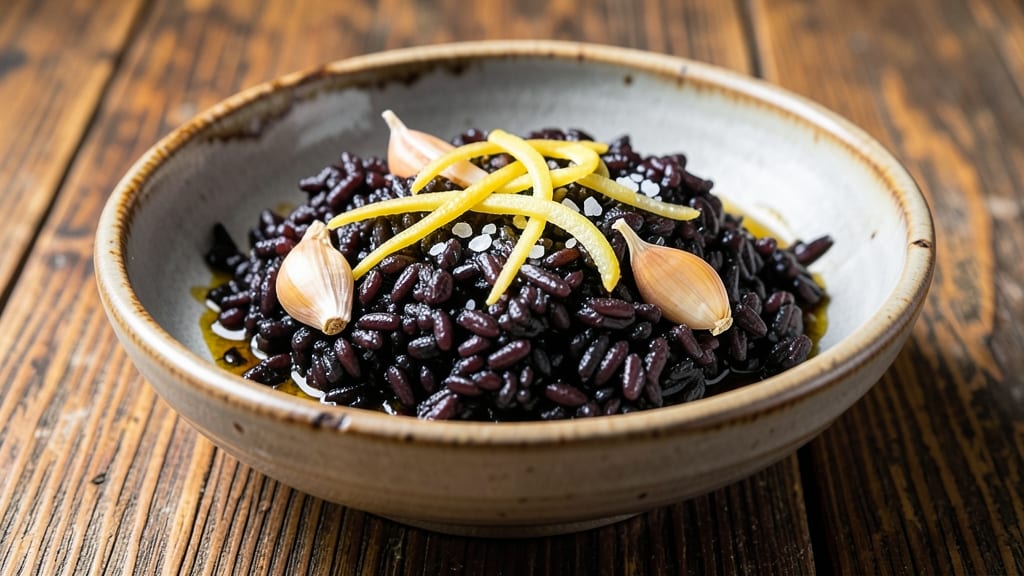
This black rice cooking recipe unlocks the deep purple grains' nutty earthy depth—transforming simple rice into a vibrant, nutrient-packed centerpiece. Unlike white rice, black rice requires a slightly different approach: soaking overnight and simmering gently to preserve its rich color and chewy texture.
The result? A dish that's as visually stunning as it is flavorful, perfect for both traditional Asian meals and modern rice bowls.
What sets this recipe apart is its versatility—pair it with grilled proteins, fresh vegetables, or even sweet desserts like rice pudding. The key lies in proper cooking techniques: starting with cold water, avoiding over-stirring, and cooking just until tender.
This method ensures each grain remains intact, releasing its full flavor profile with every bite. Ready to elevate your rice game?
Ingredients for black rice cooking
Transform ordinary rice into a nutrient-rich centerpiece with these carefully chosen ingredients.
| Ingredient | Amount | Notes |
|---|---|---|
| Black Rice 🌾 | 1 cup | Uncooked, unrinsed for best texture |
| Water 💧 | 3 cups | Cold filtered preferred |
| Sea Salt 🧂 | ½ tsp | Diamond Crystal preferred |
| Garlic Cloves 🧄 | 2 cloves | Minced for aroma |
| Fresh Ginger 🌿 | 1 tbsp | Finely grated, fresh preferred |
| Sesame Oil 🫒 | 1 tbsp | Toasted for nutty depth |
| Low-Sodium Soy Sauce 🍶 | 1 tbsp | Kikkoman preferred |
| Honey 🍯 | 1 tsp | Raw preferred for purity |
| Scallions 🧅 | 2 whole | Thinly sliced for garnish |
| Toasted Sesame Seeds 🌱 | 1 tsp | For crunchy texture |
| Vegetable Oil 🫒 | 1 tbsp | For pot coating |
Black rice is the star here, and quality matters. Look for whole grains at Asian markets or well-stocked grocery stores like Whole Foods. The deep purple hue fades with exposure, so store it in an opaque container. For the garlic and ginger, fresh is non-negotiable—dried versions lack the complexity. Sesame oil should be toasted (check labels) for that nutty depth. The soy sauce? Kikkoman or Tamari are the gold standards, but any low-sodium variety works. Pro tip: Buy black rice in bulk if you'll be making this often—it keeps for 6-12 months in a cool, dark place.
No sesame oil? Toasted peanut oil works in a pinch, though the flavor will differ slightly. Fresh ginger not available? Ground ginger at half the amount gets you close, but it lacks the bright zing. The honey adds subtle sweetness—agave or maple syrup are good substitutes if you're avoiding it. For the scallions, green parts only if you prefer milder flavor. The vegetable oil can be swapped for avocado or olive oil, but keep it neutral to avoid overpowering the rice's natural taste. And if you're short on time, the soaking can be reduced to 2 hours, though texture won't be quite as perfect.
This rice reheats beautifully—simply cover with a damp paper towel and microwave for 2-3 minutes. For best results, store cooked portions in an airtight container with a sprinkle of sesame seeds on top to preserve freshness. Keeps for 4-5 days in the fridge or 3 months frozen. The flavors actually deepen overnight, making it perfect for meal prep. When serving, drizzle with a little extra sesame oil and soy sauce for that restaurant-quality finish. And don't toss the cooking water—it's packed with nutrients and can be used as a light broth base.
Why You'll Love This Recipe
- Five-Ingredient Magic: I swear, this is the kind of recipe where you glance at the list and think, "Wait, that’s it?" Black rice does all the heavy lifting—its deep, nutty flavor builds richness without extra effort, while the garlic and ginger add warmth in just 10 minutes of chopping. Honestly, it’s the kind of simplicity that makes me feel like a home cook and a chef.
- Umami Bomb: That first bite? The black rice soaks up the garlic and ginger like a sponge, turning into something almost savory-sweet. The sea salt isn’t just seasoning—it cuts through the earthiness, making every grain taste like it’s been simmered for hours. Between us, I’ve had fancier grains that didn’t hit this hard.
- Leftover Goldmine: This rice keeps better than most—three days in the fridge, no weird textures. I’ll make a big batch on Sundays, then use it for stir-fries, bowls, or even cold rice salads all week. Not the prettiest, but the taste makes up for it, and my wallet thanks me for not buying takeout.
- Weeknight Win: Twenty minutes, one pot, zero fuss. The rice just needs water and time—no stirring, no peeking, no stress. Meanwhile, the garlic and ginger sizzle in the same pot, filling the kitchen with smell that says "dinner’s ready." My go-to when I’m exhausted but still want something that feels special.
Step-by-step instructions for black rice cooking
Transforming unrinsed black rice into nutrient-rich, deep purple grains requires patience and precision.
Toast the Rice for Maximum Flavor
Heat a medium saucepan over medium heat and add the 1 tablespoon vegetable oil. Once the oil shimmers, add the 1 cup unrinsed black rice and stir gently to coat each grain. Toast for 2-3 minutes until the rice smells nutty and begins to turn slightly darker in color.
This step develops deep, toasty flavors that carry through the cooking process. You'll know it's ready when the rice releases its aroma—it should smell distinctly earthy with a hint of sweetness. Avoid over-toasting, as this can make the rice bitter. Once toasted, remove the rice from the pan and set aside.
Build the Aromatic Base
In the same saucepan, add the 2 cloves minced garlic cloves and 1 tablespoon finely grated fresh ginger. Cook over medium heat for 30 seconds until fragrant—you should smell the garlic's sharpness mellow into sweetness and the ginger's warmth emerge.
Add the 1 tablespoon toasted sesame oil and 1 tablespoon low-sodium soy sauce, stirring constantly for another 30 seconds. This creates the flavor foundation that will infuse the rice. The mixture should look glossy and smell richly aromatic. If the garlic starts to brown too quickly, reduce the heat slightly to prevent burning.
Simmer the Rice to Perfect Texture
Return the toasted black rice to the saucepan and add the 3 cups cold water and 0.5 teaspoon sea salt. Stir once to combine, then bring to a boil over high heat. Once boiling, reduce heat to low and cover tightly with a lid.
Simmer for 30 minutes without lifting the lid. The rice needs undisturbed cooking to absorb the liquid evenly and develop its signature deep purple hue. After 30 minutes, check the rice—it should be tender but still slightly firm to the bite. If it's not quite done, continue simmering for another 5-10 minutes, adding 1-2 tablespoons water if needed to prevent burning.
Finish with Sweet and Crunchy Elements
Once the rice is tender, remove from heat and stir in the 1 teaspoon honey and 1 teaspoon toasted sesame seeds. The honey adds subtle sweetness that balances the rice's earthy depth, while the sesame seeds contribute a satisfying crunch. Let the rice sit covered for 5 minutes to allow the flavors to meld.
Garnish with the 2 whole scallions, sliced thinly on the bias. The scallions add a bright, fresh contrast to the rich rice. Serve immediately while still warm, as black rice continues to absorb flavors even after cooking. The final dish should have a deep purple hue, a nutty aroma, and a satisfyingly chewy yet tender texture.
Pro Tips For Making Black Rice Cooking
- SOAK THE RICE FIRST: Black rice stays stubbornly firm if you skip this—soak it for at least 4 hours (overnight is better). I learned this the hard way after serving chewy, undercooked grains that tasted like they’d been microwaved instead of simmered. Rinse it twice after soaking to wash off excess starch, which keeps the texture light and fluffy.
- MINCE GINGER THINLY: Skip the chunky slices—grate or finely mince the ginger so it dissolves into the water, not just sits there like a textural afterthought. A teaspoon of freshly grated ginger (not paste) infuses flavor evenly, while thick pieces turn to mush and leave you wondering why your rice tastes bland. Trust me, your nose will thank you.
- USE A TIGHT-FITTING LID: Black rice steams faster when trapped—cover it with a tight lid (or foil pressed down) to lock in moisture. I used to leave a gap, and my rice would dry out halfway through cooking, no matter how much water I added. If your pot doesn’t seal perfectly, add a splash of water every 10 minutes until it’s done.
- SAUTÉ GARLIC LOW: Brown garlic burns fast, and black rice absorbs bitter flavors like a sponge. Sauté the minced garlic over low heat until just fragrant (about 30 seconds), then pour in the water and ginger. High heat turns it acrid—your rice will taste like a campfire, not a meal. Patience here makes all the difference.
Make-ahead tips for this dish
Soak for Superior Texture
Black rice benefits from a minimum 4-hour soak (overnight is best) to soften the hard outer bran layer. I use a quart-sized glass jar with a tight lid, adding 1 cup rice to 2 cups cold water.
This prevents the grains from absorbing too much water during cooking, which keeps them distinct and fluffy. After soaking, drain thoroughly using a fine-mesh strainer—I love the OXO Good Grips model for this. 💧
Pre-Cooking Prep
Before cooking, I like to spread the drained rice on a baking sheet and let it dry for 10-15 minutes at room temperature. This step prevents the rice from turning mushy during cooking.
For meal prep, I divide the soaked rice into airtight containers with a sprinkle of salt and refrigerate up to 2 days before cooking. The flavor actually intensifies when prepped ahead!
Cooking in Batches
If you're feeding a crowd, cook black rice in two 30-minute batches rather than one long cook. I use a 6-quart pot for each batch to maintain proper rice-to-water ratios.
For freezer storage, cool the cooked rice completely, then portion into quart-sized freezer bags with 1 teaspoon sesame oil per bag to prevent drying. Thaw overnight in the fridge before reheating.
Reheating Perfection
To reheat, I cover the rice with 2 tablespoons water per cup and steam in a pot with a tight lid over medium-low heat for 5-7 minutes. Never microwave without moisture—it makes the rice rubbery.
For extra flavor, add a dash of soy sauce and ½ teaspoon sesame oil during reheating. The texture should be slightly firmer than fresh-cooked rice but still tender. ✨
Flavor Boosting Tricks
Add ½ teaspoon vanilla extract to the cooking water for a dessert-like quality, perfect for rice puddings. For savory versions, include 1 bay leaf during cooking and remove before serving.
I also like to make a big batch and divide it into containers with different flavor profiles: one with toasted coconut flakes, another with crispy bacon bits. The possibilities are endless!
Nutrition facts
Frequently asked questions
Why does black rice need soaking before cooking?
Black rice has a tough outer bran layer that requires soaking to soften. A 4-6 hour soak (or overnight) prevents mushy grains and ensures even cooking. This step also helps release its deep purple anthocyanins, giving the rice its signature vibrant color and nutty flavor.
Can I cook black rice without toasting it first?
While not required, toasting enhances the rice's nutty depth and prevents a raw taste. Skip it if short on time, but reduce cooking time by 3-5 minutes since the grains won't release as much starch. For best results, always toast for 2-3 minutes over medium heat.
What's the secret to keeping black rice from turning gray?
Exposure to air oxidizes the anthocyanins, causing graying. Store uncooked rice in an airtight container away from light, and use cold water during cooking. After cooking, keep it covered until serving. For reheating, steam with a damp towel to preserve color.
How can I use this recipe for desserts?
Add ½ teaspoon vanilla extract and 1 tablespoon honey to the cooking water for a sweet base. Top with toasted coconut flakes, cinnamon, or dark chocolate shavings. The rice's natural chewiness makes it perfect for puddings or parfaits—just reduce water by ¼ cup for a firmer texture.
What's the best way to store cooked black rice?
Cool completely, then store in an airtight container for 4-5 days in the fridge or 3 months frozen. For freezing, portion into bags with 1 teaspoon sesame oil to prevent drying. Reheat by steaming with 2 tbsp water per cup over medium-low heat for 5-7 minutes. Never microwave dry rice!