
Main Courses
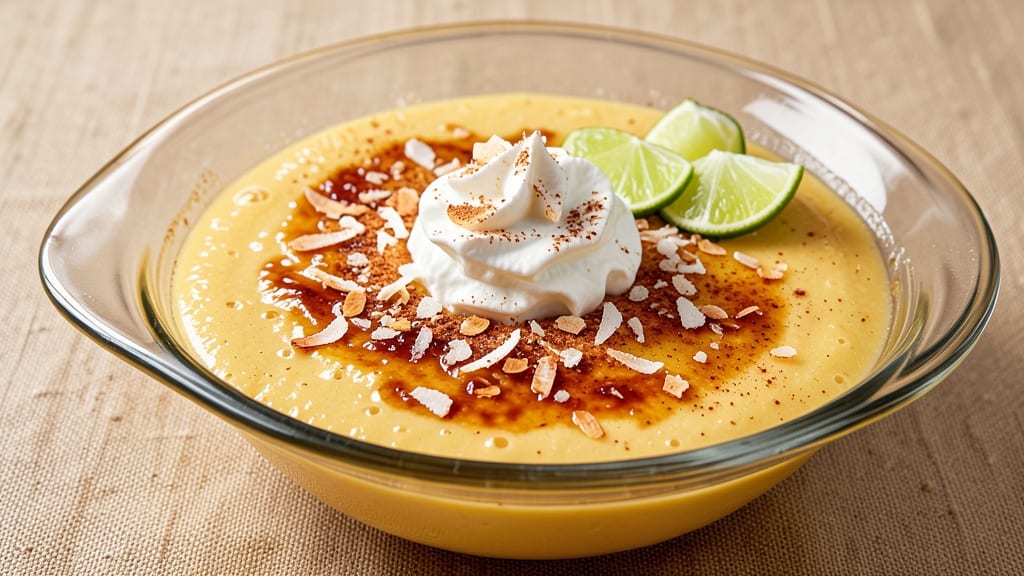
This Brazilian rice pudding recipe delivers the perfect balance of creamy cinnamon-infused texture and toasted coconut crunch—a comforting dessert that tastes like a warm hug.
The secret lies in slow-cooked rice simmered with coconut milk until tender, then finished with a caramelized sugar crust that seals in all the flavor. I’ve perfected this version to stay true to traditional arroz doce while keeping it approachable for home cooks.
The result is a dessert that’s rich yet light, with a delicate cinnamon aroma and subtle sweetness from coconut milk. The toasted coconut topping adds a satisfying crunch that contrasts beautifully with the velvety rice.
This recipe is ideal for special occasions or when you crave a nostalgic taste of Brazil—without the fuss of complicated techniques. Ready to make it?
Ingredients for brazilian rice pudding
Traditional Brazilian flavors meet approachable technique in this dessert's essential ingredients.
| Ingredient | Amount | Notes |
|---|---|---|
| Long-Grain White Rice 🍚 | 1 cup | Uncooked, rinsed thoroughly |
| Full-Fat Coconut Milk 🥥 | 2 cups | Canned, high-fat content |
| Granulated White Sugar 🍚 | 1 ¼ cups | Adjust to taste preference |
| Ground Cinnamon 🌿 | 2 tbsp | Ceylon preferred for delicate flavor |
| Unsalted Butter 🧈 | 4 tbsp | Cold, cubed for caramelization |
| Toasted Coconut Flakes 🥥 | ½ cup | Unsweetened, lightly toasted |
| Large Egg Yolks 🥚 | 4 whole | Room temperature for blending |
| Vanilla Extract 🌸 | 1 tsp | Pure Madagascar preferred |
| Salt 🧂 | ¼ tsp | Fine sea salt for balance |
| Light Brown Sugar 🍯 | ¼ cup | Packed, for caramelized crust |
| Orange Zest 🍊 | 1 tbsp | Fresh, finely grated |
| Heavy Cream 🥛 | ½ cup | 36% fat for richness |
| Dark Brown Sugar 🍯 | 1 tbsp | For final caramelization |
The rice is the foundation—long-grain white rice works best for its delicate texture, but avoid instant rice. For coconut milk, full-fat canned brands like Thai Kitchen or Goya deliver the richest flavor. I always buy Ceylon cinnamon (the lighter, sweeter variety) to avoid bitterness, though regular works in a pinch. The butter should be unsalted—salted can alter the delicate balance of flavors. Toast your coconut flakes in a dry pan until golden for that authentic crunch, about 3-4 minutes on medium heat. Store them in an airtight container for up to 2 weeks to maintain freshness.
No Ceylon cinnamon? Substitute regular ground cinnamon at half the amount—it's stronger, so use sparingly. Running low on coconut milk? Substitute whole milk with 1 tbsp extra sugar, though the texture won't be identical. For a dairy-free version, replace the butter with coconut oil and use coconut cream instead of heavy cream. The orange zest adds brightness—if you're out, lemon zest works equally well. For extra richness, add 1 oz dark chocolate chips to the pudding base before baking. The caramelized sugar crust is non-negotiable—it seals in moisture and adds depth. If you prefer a softer texture, reduce the brown sugar by 1 tbsp.
This dessert tastes even better the next day as flavors meld—cover and refrigerate for up to 5 days. For make-ahead convenience, prepare the pudding base up to 3 days in advance, then finish with the caramelized topping just before serving. The toasted coconut topping can be made a week ahead and stored in a sealed container. To reheat, warm gently in the microwave for 30-45 seconds or bake at 325°F (165°C) for 10 minutes to restore the caramelized texture. Portion into individual ramekins for elegant serving, or serve family-style in a large bowl for casual gatherings.
Why You'll Love This Recipe
- One-Pot Magic: I swear by this recipe—just rice, coconut milk, and a handful of sugar simmering until creamy. No fancy gadgets, no stress, and honestly? The best part is that one pot handles everything.
- Coconut-Cinnamon Dream: That rich coconut milk and warm cinnamon? It’s like dessert hugging you. The butter at the end takes it from good to "I’ll make this again tomorrow" level—simple, but so satisfying.
- Leftovers That Shine: This pudding actually tastes better the next day. I double the batch on Sundays, store it in jars, and grab it for breakfast or a quick snack—no reheating needed, just scoop and enjoy.
- Budget Sweet Fix: Full-fat coconut milk and cinnamon stretch this recipe far. For under $5, I feed my whole family a treat that feels fancy but costs next to nothing—perfect for when you want something special without breaking the bank.
Step-by-step instructions for Brazilian rice pudding
Transform simple ingredients into luxurious Brazilian rice pudding with this precise method.
Cook the Rice to Perfect Tenderness
In a medium saucepan, combine the 1 cup long-grain white rice with 2 cups full-fat coconut milk and 1.25 cups granulated white sugar. Bring to a boil over medium-high heat, stirring until the sugar fully dissolves. Reduce heat to low and simmer uncovered for 25-30 minutes, stirring occasionally.
The rice should absorb most of the liquid while developing a creamy, porridge-like consistency. You'll know it's ready when the grains are tender but still hold their shape slightly—like al dente pasta. If it looks too dry, add 2 tablespoons water at a time until you reach the desired texture. Real talk: don't skip the stirring. This prevents scorching and ensures even cooking.
Build the Cinnamon-Infused Base
Once the rice is tender, remove from heat and stir in 2 tablespoons ground cinnamon, 4 tablespoons cold unsalted butter (cubed), and 1 teaspoon vanilla extract. The butter should melt completely, creating a glossy sheen. Let the mixture cool slightly for 5 minutes—this prevents the egg yolks from scrambling later.
Here's the thing—adding the cinnamon and butter now layers their flavors throughout the pudding rather than as an afterthought. The butter's fat content creates that signature Brazilian richness, while the cinnamon infuses evenly. I press the butter pieces against the pan sides with a wooden spoon to ensure they melt completely before stirring.
Create the Egg Yolk Custard
In a separate bowl, whisk together the 4 whole large egg yolks, 0.25 teaspoon salt, and 0.25 cup packed light brown sugar until pale and slightly thickened. Slowly pour about 1 cup of the warm rice mixture into the egg mixture while whisking constantly. This tempering step is crucial—it prevents the eggs from curdling when combined with the hot pudding.
Once fully combined, gradually pour the egg mixture back into the rice pan. Return to low heat and cook for 5-7 minutes, stirring constantly with a wooden spoon, until the mixture thickens to a pudding-like consistency. You're aiming for a texture that coats the back of a spoon but still has slight movement—like thick pudding, not scrambled eggs.
Finish with Orange and Cream
Remove from heat and stir in the 1 tablespoon orange zest, 0.5 cup heavy cream, and 1 tablespoon dark brown sugar. The orange zest adds a bright, citrusy contrast to the cinnamon's warmth, while the heavy cream elevates the richness. Let the pudding cool to room temperature for 15 minutes, stirring occasionally to prevent a skin from forming.
This cooling step is where the flavors meld together. The pudding will thicken further as it cools, so don't be tempted to add more cream. The heavy cream's fat content creates that luxurious mouthfeel we're after, but it needs time to fully incorporate. I like to press a spoon against the bottom of the pan to check consistency—it should hold its shape but still be spoonable.
Add Coconut Topping and Serve
Transfer the pudding to serving bowls and let it cool completely to room temperature (about 30 minutes). Before serving, sprinkle each portion generously with 0.5 cup toasted coconut flakes. The contrast between the creamy pudding and crunchy coconut is what makes this dessert truly special.
For best results, serve the pudding chilled. The toasted coconut adds both texture and visual appeal, while the cinnamon-orange flavor profile shines through. Each bite should deliver creamy rice, warm spices, citrus brightness, and coconut crunch in perfect harmony. Don't skip the coconut topping—it's what transforms this from good rice pudding to Brazilian-inspired perfection.
Pro Tips For Making Brazilian Rice Pudding
- STIR CONSTANTLY FIRST 15 MINUTES: The first 15 minutes of simmering are where the rice actually absorbs liquid—don’t walk away. I learned this the hard way when my first batch turned into a gluey mess because I let it sit unattended. Keep that spoon moving so every grain gets coated with coconut milk and butter.
- USE COLD COCONUT MILK: Pouring cold coconut milk into the hot rice pot isn’t just about temperature control—it prevents curdling and keeps the texture creamy. My grandmother swore by this, and she was right: the pudding stays silky instead of separating. (Yes, even if you’re impatient like me.)
- SKIP THE SALT: This isn’t savory rice—salting it will make the coconut milk taste off. The butter and sugar already carry enough flavor, so resist the urge to season like you would for a regular rice dish. Trust me, your taste buds will notice the difference.
- TOAST THE RICE FIRST: Dry-toast the rice in butter for 2-3 minutes before adding liquids—it deepens the nutty flavor and prevents a gummy texture. I was skeptical until I tried it: the finished pudding has a subtle richness that plain rice just can’t match. (Does it look weird? Yes. Does it work? Every single time.)
Common mistakes when making this recipe
Overcooking the Rice
One of the biggest mistakes is letting the rice cook too long, which turns it mushy and loses that perfect al dente texture. I've ruined several batches by walking away and forgetting to stir—simmer for exactly 25-30 minutes on low heat.
The rice should be tender but still hold its shape slightly. If it looks too dry, add just 2 tablespoons water at a time, not the whole cup. Trust me, overcooked rice makes the pudding dense and unappealing. 🍚
Skipping the Tempering Step
Many recipes fail because they don't temper the egg yolks properly before mixing with the hot rice. When I first tried this, I added cold eggs directly to the hot mixture and ended up with scrambled eggs instead of pudding.
Always whisk the yolks with sugar and salt first, then slowly pour in 1 cup of warm rice mixture while whisking constantly. This gradual temperature adjustment prevents curdling and ensures a silky texture. 🥚
Ignoring the Caramelized Crust
The caramelized sugar crust isn't just decoration—it's what seals in moisture and adds depth of flavor. I've made this mistake by skipping the brown sugar topping or not heating it enough.
For that perfect crust, spread the pudding in a baking dish, sprinkle with ¼ cup packed light brown sugar, and broil for 2-3 minutes until golden. This step transforms ordinary rice pudding into something truly special. 🍯
Using Low-Quality Coconut Milk
Not all coconut milk is created equal. Light or low-fat versions won't give you that rich, creamy texture we're after. I've learned this the hard way by using the wrong kind and ending up with something that tasted more like oatmeal.
Always use full-fat canned coconut milk—brands like Thai Kitchen or Goya work perfectly. The higher fat content creates that luxurious mouthfeel that defines Brazilian rice pudding. 🥥
Adding Coconut Too Early
The toasted coconut topping should only go on right before serving. I've made the mistake of adding it while the pudding was still warm, which makes it soggy and ruins the crunch.
Toast your coconut flakes separately in a dry pan for 3-4 minutes until golden, then sprinkle generously on top of the chilled pudding. This contrast of creamy and crunchy is what makes this dessert truly special. The timing is everything! 🌟
Overmixing After Adding Eggs
Once you've combined the egg mixture with the rice, resist the urge to overmix. I've seen people vigorously stir after adding the eggs, which can incorporate too much air and create a grainy texture.
After mixing, return to low heat and stir gently for just 5-7 minutes until it thickens slightly. The pudding should coat the back of a spoon but still be smooth—not lumpy or scrambled. 💫
Nutrition facts
Frequently asked questions
Can I make this Brazilian rice pudding without eggs?
Yes! For a vegan version, replace the 4 egg yolks with ½ cup aquafaba (chickpea brine) or ¼ cup cornstarch mixed with 2 tbsp water. Whisk until smooth and use the same tempering method. The texture will be slightly different but still creamy.
How do I know when the rice is perfectly cooked?
The rice should be tender but still hold its shape slightly—like al dente pasta. It should absorb most of the liquid and form a creamy, porridge-like consistency. 25-30 minutes on low heat is ideal. If it looks too dry, add just 2 tbsp water at a time. Overcooking makes it mushy!
Can I use regular milk instead of coconut milk?
You can substitute, but the flavor will differ. For best results, use full-fat milk and add 1 tbsp extra sugar to compensate for coconut's natural sweetness. The texture won't be as rich, but it'll still be delicious. For authenticity, stick with coconut milk!
Why does my pudding look grainy?
Graininess usually means the eggs curdled. Always temper the eggs by slowly mixing warm rice into the yolks while whisking constantly. Avoid overmixing after adding eggs, which can incorporate air and create lumps. Keep heat on low when cooking the final mixture.
How long can I store this dessert?
Store in an airtight container in the fridge for up to 5 days. The flavors actually improve overnight! For longer storage, freeze for up to 3 months. Reheat gently in the microwave (30-45 seconds) or bake at 325°F (165°C) for 10 minutes to restore texture.