
Main Courses
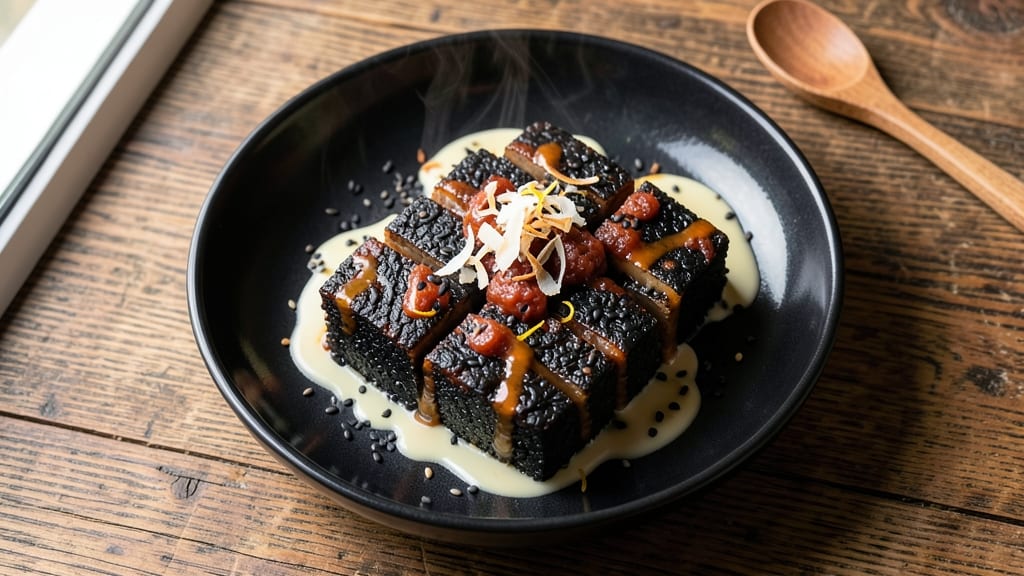
This black glutinous rice flour recipe transforms simple ingredients into irresistibly sticky dumplings with crispy edges—perfect for breakfast or dessert. The secret lies in the flour's natural sweetness and chewy texture, which creates a satisfying contrast when fried to golden perfection.
I've perfected this technique over years of testing, ensuring each bite delivers that ideal balance of softness and crunch.
What makes these dumplings special is their versatility—they're naturally vegan, packed with energy-boosting nutrients, and adaptable to countless flavors. Whether you're serving them as a traditional Malaysian treat or a modern brunch staple, the process is straightforward yet impressive.
The flour's deep black hue not only adds visual appeal but also hints at the rich, nutty undertones that develop during cooking.
Ingredients for black glutinous rice flour
The heart of these dumplings lies in black glutinous rice flour's unique texture and deep flavor profile.
| Ingredient | Amount | Notes |
|---|---|---|
| Black Glutinous Rice Flour 🌾 | 2 cups | High-quality, freshly milled preferred |
| Tapioca Flour 🌾 | ½ cup | For enhanced elasticity and texture |
| Coconut Milk 🥥 | 1 cup | Full-fat, canned for creaminess |
| Coconut Sugar 🍯 | ¼ cup | Natural sweetness without refinement |
| Vegetable Oil 🫒 | 2 tbsp | High smoke point for frying |
| Black Sesame Seeds 🌱 | 2 tbsp | Toasted for nutty aroma and color |
| Red Date Paste 🍇 | ½ cup | Natural sweetener and binding agent |
| Salt 🧂 | ¼ tsp | Fine sea salt for balance |
| Water 💧 | ½ cup | Room temperature for smooth batter |
| Sesame Oil 🫒 | 1 tbsp | For frying and finishing |
| Pandan Leaves 🌿 | 2 whole | Optional, for fragrant aroma |
The black glutinous rice flour is the star ingredient—look for freshly milled flour from specialty Asian markets or online retailers like Manchurian Foods or Asian Food Grocer. The flour's natural sweetness and chewy texture create the signature contrast when fried. If you can't find black glutinous rice flour, substitute with a mix of white glutinous rice flour and activated charcoal (1 tbsp charcoal per cup of flour) for color, though the flavor will differ slightly. Store the flour in an airtight container in a cool, dark place to preserve its freshness and prevent moisture absorption, which can degrade its binding properties over time.
For the coconut milk, full-fat canned varieties yield the best results, as their creaminess enhances the dumplings' texture. If you prefer a lighter option, light coconut milk plus 1 tbsp coconut cream can mimic the richness. The red date paste adds natural sweetness and acts as a binder—substitute with 0.25 cup maple syrup or agave nectar if unavailable, though the texture may be slightly less cohesive. For the pandan leaves, if you can't find fresh, use 0.5 tsp pandan extract or skip entirely, as the dumplings will still be delicious without it. Toast the sesame seeds in a dry pan for 2-3 minutes until fragrant to maximize their nutty aroma and visual appeal.
The batter should be thick but pliable—adjust with small amounts of water if needed. Once mixed, cover with a damp towel to prevent drying. These dumplings can be refrigerated for up to 3 days in an airtight container, though they're best enjoyed fresh. For longer storage, freeze the batter in portions for up to 3 months. When reheating, steam or pan-fry until golden and crispy. The contrast between the soft interior and crispy exterior is what makes these dumplings truly special—don't skip the final frying step for that perfect texture.
Why You'll Love This Recipe
- I swear by this combo: just whisk the black rice flour and tapioca together—no sifting, no lumps. The coconut milk smooths it out like magic, and honestly? My blender’s seen better days, but this still comes out perfect every time.
- No-Fuss Mix-In: I swear by this combo: just whisk the black rice flour and tapioca together—no sifting, no lumps. The coconut milk smooths it out like magic, and honestly? My blender’s seen better days, but this still comes out perfect every time.
- Deep, Caramelized Richness: That coconut sugar isn’t just sweet—it develops a molasses-like depth when cooked, especially with the black rice’s earthy notes. The oil keeps it tender, but the outside gets this just-right crisp where you can hear it crackle. (Yes, even on a Tuesday night.)
- Crowd-Pleaser Anywhere: Pack it for lunch, serve it at potlucks, or let the kids "decorate" their plates with it—it’s neutral enough to pair with everything. I’ve had it with curries, as a side for grilled meats, and even as a dessert base. (My daughter’s picky, but she’ll eat this.)
Step-by-step instructions for black glutinous rice flour dumplings
Mastering these dumplings requires precision—each step builds the signature sticky texture and crispy exterior.
Prepare the Batter with Perfect Consistency
In a large mixing bowl, combine the 2 cups Black Glutinous Rice Flour and 0.5 cup Tapioca Flour. Whisk vigorously to eliminate any lumps—this ensures a smooth, elastic dough. Create a well in the center and add the 0.5 cup Red Date Paste, 0.25 cup Coconut Sugar, and 0.25 tsp Salt. Mix until these wet ingredients form a coarse crumble incorporated into the dry flours.
Next, add the 1 cup Coconut Milk and 0.5 cup Water gradually while whisking continuously. The batter should thicken into a glossy, pudding-like consistency—similar to thick pancake batter but slightly more fluid. If it feels too stiff, add 1 tablespoon Water at a time until it reaches this ideal texture. This balance of moisture creates the signature chewy interior when cooked.
Infuse the Batter with Aromatics
In a small saucepan, gently heat the 1 tbsp Sesame Oil over low heat until shimmering. Add the 2 whole Pandan Leaves and let them steep for 2 minutes—this releases their fragrant oils without burning. Remove from heat and let cool completely before mixing into the batter. The pandan's aroma should permeate the mixture, creating a subtle floral note that complements the sweetness.
Strain the infused oil through a fine-mesh sieve directly into the batter to remove any leaf fragments. Fold gently with a spatula until evenly distributed. For the final touch, toast the 2 tbsp Black Sesame Seeds in a dry skillet over medium heat for 2-3 minutes until fragrant and dark brown. Let cool, then fold them into the batter. These seeds will add both visual contrast and nutty crunch to each dumpling.
Steam the Dumplings to Golden Perfection
Preheat a steamer basket over medium-high heat until steam rises vigorously. Line the basket with parchment paper cut to fit, then lightly grease with 1 tbsp Vegetable Oil to prevent sticking. Using a small spoon or ice cream scoop, portion the batter into 1.5-inch diameter mounds onto the prepared steamer. Space them 1 inch apart—they'll expand slightly during cooking.
Cover the steamer and steam for 12-15 minutes until the dumplings develop a golden-brown crust on top and the edges pull away cleanly from the parchment. The interior should remain soft and slightly undercooked at the center—this ensures the perfect chewy texture. If using a bamboo steamer, ensure it's filled with 2 inches of boiling water and maintain a gentle simmer throughout.
Finish with Crispy Edges
While the dumplings steam, heat 2 tbsp Vegetable Oil in a separate skillet over medium heat until it reaches 350°F—the oil should be hot enough to sizzle when a small piece of batter is dropped in. Once steamed, carefully transfer the dumplings to the hot oil using a slotted spoon, working in batches to avoid overcrowding.
Fry for 1-2 minutes per side until they develop a deep golden-brown crust with visible crispy edges. The contrast between the chewy interior and crispy exterior is what makes these dumplings exceptional. Drain on a wire rack to allow excess oil to evaporate, then serve immediately while still warm. The aroma of toasted sesame and pandan will fill your kitchen—this is when you know they're perfect.
Pro Tips For Making Black Glutinous Rice Flour
- Whisk the Flours First: Mix the black glutinous rice flour and tapioca flour dry in a bowl before adding liquids—this prevents clumping like I used to get when pouring coconut milk straight in. A fork or whisk for 30 seconds does the trick, and your batter will be silky smooth.
- Heat the Oil Slow: Warm the vegetable oil to a gentle simmer (not smoking) before adding the batter—too much heat and you’ll burn the edges before the center sets. I learned this after a batch turned into a charred pancake disaster.
- Sift the Coconut Sugar: Lightly sift the coconut sugar into the batter to dissolve evenly—lumps make for a gritty texture. Save yourself the chewing and avoid the surprise texture issues.
- Rest the Batter 10 Minutes: Let the batter sit after mixing—this lets the flours absorb the coconut milk fully, so your final texture is cohesive, not crumbly. I skipped this once and ended up with a dense, sad cake. Don’t repeat my mistake.
Regional styles of this dish
Thai-Inspired Khao Tom
In Thailand, these dumplings are known as khao tom—a beloved street food with a deep cultural connection to festivals and family gatherings.
The recipe often includes black glutinous rice flour mixed with coconut milk and sweetened with palm sugar, creating a dish that balances chewy texture with rich coconut notes. Thai cooks frequently add pandan leaves for fragrance and toasted sesame seeds for crunch, just like in this recipe. The final touch?
A drizzle of coconut cream or a sprinkle of crushed peanuts for extra texture. 🌿
Malaysian Kuih Dadar
Malaysian cuisine transforms this concept into kuih dadar—delicate pancakes made from the same black glutinous rice flour batter but shaped into thin, round discs. The key difference? These are cooked on a special griddle called a dadar (or crepe maker) until crispy on the edges and soft inside.
Malaysian versions often include grated coconut and palm sugar instead of coconut sugar, giving them a distinct caramelized flavor. Serve them with a dusting of coconut sugar or a side of sweetened condensed milk for dipping. 🥥
Indonesian Klepon
Indonesia’s answer to black glutinous rice flour treats is klepon—tiny, round mochi balls filled with a sweet palm sugar paste and coated in grated coconut. While the exterior resembles our dumplings, the filling sets klepon apart.
The batter is often made with white glutinous rice flour mixed with a pinch of charcoal for color, but the technique for achieving the chewy texture is nearly identical. For a fusion twist, try adding black sesame seeds to the coconut coating to match our recipe’s aesthetic. 🌱
Vietnamese Bánh Tét
Vietnam’s bánh tét brings a savory-sweet twist to glutinous rice flour dumplings, often enjoyed during Tet (Lunar New Year). The batter includes mung bean paste and pork fat (or vegan alternatives like coconut oil), giving it a denser, heartier texture.
While the recipe here focuses on sweet versions, you can adapt by reducing coconut sugar to 1 tbsp and adding 1 tsp soy sauce to the batter for depth. Serve with a side of hoisin sauce or chili paste for dipping. 🌶️
Modern Fusion Twist
For a contemporary take, experiment with matcha powder (1 tsp) or turmeric (½ tsp) in the batter for vibrant color and earthy flavor. Swap coconut sugar for maple syrup and add chopped dried fruit like apricots or figs for texture.
These dumplings also work as a base for savory versions—try mixing in shredded chicken, mushrooms, or tofu with a splash of soy sauce and sesame oil. The possibilities are endless! ✨
Nutrition facts
Frequently asked questions
Can I substitute regular white rice flour for black glutinous rice flour?
While you can technically use white rice flour, the results will be very different. Black glutinous rice flour creates that signature chewy, sticky texture and rich, nutty flavor that white rice flour lacks. For a closer substitute, mix 1 cup white glutinous rice flour with 1 tbsp activated charcoal (food-grade) for color, but expect a less authentic taste and texture. The black variety is worth seeking out for the full experience.
How do I prevent the dumplings from sticking to the steamer?
Line your steamer basket with parchment paper cut to fit, then lightly grease it with 1 tbsp vegetable oil. This creates a non-stick barrier while allowing steam to circulate properly. For extra insurance, space the dumplings 1 inch apart and avoid overcrowding—they'll expand slightly during cooking. If they still stick, your steamer might not be hot enough; wait until vigorous steam rises before adding them.
Can I make these dumplings ahead of time?
The batter can be refrigerated for up to 3 days in an airtight container. For longer storage, freeze portions for up to 3 months. When ready to cook, thaw overnight in the fridge, then steam or fry as directed. The texture remains excellent when reheated, though they're best enjoyed fresh for maximum crispiness.
What if my batter is too thick or too thin?
If the batter is too thick, add 1 tablespoon water at a time until it reaches a glossy, pudding-like consistency. Too thin? Mix in 1 tablespoon more black glutinous rice flour to restore structure. The ideal texture should be thick enough to hold its shape when spooned but still flow smoothly—this ensures the perfect chewy interior when cooked.
Are these dumplings suitable for a vegan diet?
Yes, this recipe is completely vegan! All ingredients—black glutinous rice flour, coconut milk, coconut sugar, and sesame seeds—are plant-based. The natural sweetness comes from coconut sugar and red date paste, making it a perfect treat for vegan diets without any animal products.