
Side Dishes
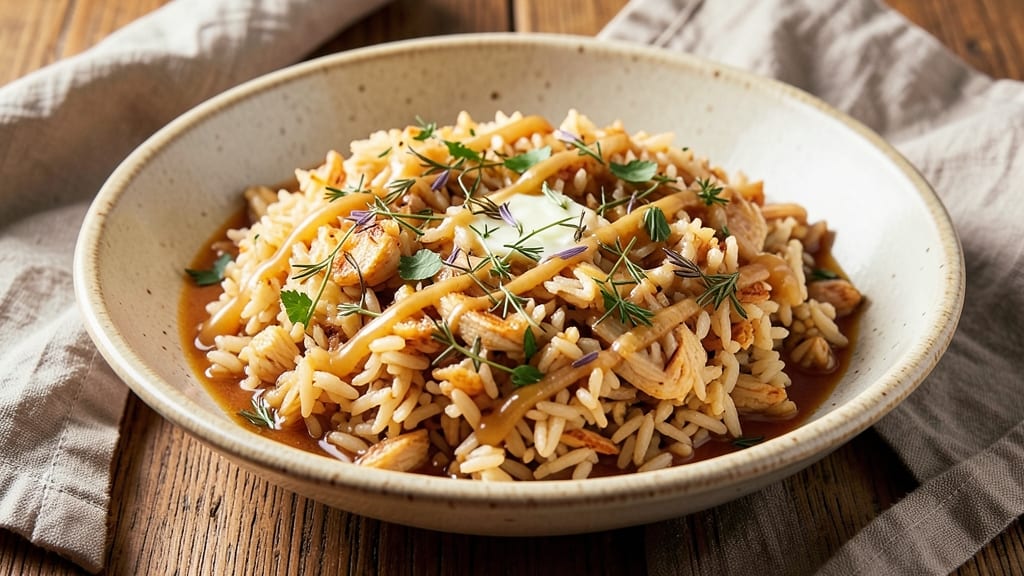
Creating Barefoot Contessa's rice pilaf delivers that signature golden-grain crunch and aromatic herb magic that elevates any meal. This recipe captures the essence of her approach—where toasted butter, fresh herbs, and perfectly cooked rice combine into a dish that's both elegant and approachable.
The key lies in the method: sautéing the rice in butter until it develops that beautiful golden hue before simmering in broth. It's a technique that transforms simple ingredients into something truly special, with every bite offering a balance of texture and flavor.
What sets this recipe apart is the attention to detail that makes it feel like a restaurant-quality side dish without requiring advanced skills. The rice is cooked just until tender, then finished with a burst of toasted herbs that infuse the grains with fragrant depth.
This method ensures each mouthful is packed with flavor while maintaining that satisfying crunch. The result is a pilaf that's versatile enough to pair with everything from roasted meats to fresh salads, yet feels like a centerpiece on its own.
The process is straightforward but precise—starting with butter, moving to rice, then broth, and finishing with herbs. This step-by-step approach guarantees consistent results every time, whether you're cooking for a family dinner or a special occasion.
The pilaf develops even more flavor as it rests, allowing the herbs to meld perfectly with the grains. This is the kind of dish that feels like a hug for your taste buds, offering warmth and comfort with every bite.
For those looking to customize, you can easily add vegetables like peas or carrots, or even mix in cooked proteins such as chicken or shrimp. However, the traditional version remains the star—simple, flavorful, and impossible to resist.
Let's get started on creating this timeless classic that brings a touch of sophistication to any table.
Ingredients for barefoot contessa rice pilaf
Simple ingredients, precise technique—this pilaf delivers restaurant-quality golden rice every time.
| Ingredient | Amount | Notes |
|---|---|---|
| Unsalted Butter 🧈 | ½ cup | Cold, cubed for toasting |
| Long-Grain White Rice 🍚 | 1 ½ cups | Uncooked, like jasmine or basmati |
| Chicken Broth 💧 | 2 cups | Low-sodium, homemade preferred |
| Dried Parsley 🌿 | 2 tbsp | Finely chopped, fresh if available |
| Dried Tarragon 🌿 | 1 tbsp | For authentic Barefoot Contessa flavor |
| Dried Thyme 🌿 | 1 tsp | Leaves only, not stems |
| Salt 🧂 | 1 tsp | Kosher or sea salt |
| Black Peppercorns 🌶️ | ½ tsp | Freshly cracked, coarse |
| Fresh Lemon Zest 🍋 | 1 tsp | From organic lemon |
| Fresh Lemon Juice 🍋 | 1 tbsp | Freshly squeezed |
| Fresh Chives 🌱 | 2 tbsp | Finely chopped, for garnish |
| Fresh Dill 🌿 | 1 tbsp | Finely chopped, optional |
| Fresh Green Onion 🧅 | 2 whole | Thinly sliced, white and green parts |
The butter is non-negotiable here. European-style unsalted butter like Plugrá or Land O'Lakes melts beautifully and adds richness without overpowering. Buy it in 1-pound blocks—it lasts months in the freezer and tastes fresher than tubs. The rice should be long-grain and white, like jasmine or basmati, for that signature texture. Day-old rice works best for pilafs, but fresh rice cooked this way still delivers. For broth, homemade is ideal, but low-sodium store-bought like Swanson or Pacific Foods works in a pinch. Avoid high-sodium versions—they'll make the pilaf taste flat.
No fresh herbs? Dried will work, but use half the amount and toast them with the butter. Penzeys or Spicewalla carry excellent dried herb blends if you want to splurge. For tarragon, French tarragon is the gold standard—avoid the cheaper Russian variety, which tastes bitter. The lemon zest and juice are essential for brightness—organic lemons have thicker zest. If you're short on time, bottled lemon juice (like ReaLemon) works, but fresh is always better. The chives and dill can be swapped for more parsley if needed, but they add that signature Barefoot Contessa touch. For extra flavor, toast the rice in the butter for 5-7 minutes until it's golden—this is where the magic happens.
This pilaf tastes even better the next day—make extra for leftovers. Store in an airtight container in the fridge for 4-5 days, or freeze for up to 3 months. To reheat, add a splash of broth and cover tightly. The herbs will keep for 1 week in the fridge if wrapped in damp paper towels. For a make-ahead tip, cook the rice and broth mixture, then refrigerate uncovered for 30 minutes to develop more flavor before finishing with the herbs. The pilaf also freezes beautifully—just thaw and reheat gently.
Why You'll Love This Recipe
- Foolproof Timing: I swear by the 20-minute rule—just toast the rice in butter until golden, splash in the broth, and let it simmer. No measuring cups, no guesswork, no stress. The tarragon and parsley bloom into flavor while you handle the rest of dinner.
- Rich Umami Magic: That first spoonful of rice—still firm in the center, nutty from the butter, with a whisper of tarragon—is chef’s kiss. The chicken broth adds depth without overpowering, and the dried herbs? They’re like little flavor bombs that wake up every bite.
- Leftover Love: Honestly, this is my secret weapon for lazy nights. Make a big batch on Sunday, and you’ve got a side dish ready for roasted chicken, grilled fish, or even scrambled eggs the next morning. It reheats like a dream—no soggy rice here.
- Budget Sidekick: Four ingredients, one pot, zero waste. The rice stretches forever, the broth adds richness without cost, and those dried herbs? A tiny jar lasts for months. It’s the kind of recipe that makes me feel like I’m feeding a crowd without breaking the bank.
Step-by-step instructions for Barefoot Contessa's rice pilaf
Here's how to create a fragrant, golden pilaf with toasted herbs and bright citrus notes.
Toast the Rice in Butter Until Golden
Melt the 0.5 cup unsalted butter in a large skillet over medium heat until it foams but doesn't brown. Add the 1.5 cups long-grain white rice and stir constantly for 3-4 minutes until the rice grains become translucent at the edges and develop a golden hue. This toasting step builds flavor and prevents mushy rice.
Watch carefully—the rice should smell nutty and toasted, not burnt. If it starts to brown too quickly, reduce the heat slightly. Once golden, remove the skillet from heat and set aside temporarily. This step is crucial for developing the rich, toasted base that defines this pilaf.
Add Herbs and Broth for Flavor Infusion
Return the skillet to medium heat and add the 2 tbsp dried parsley, 1 tbsp dried tarragon, and 1 tsp dried thyme. Stir for 30 seconds to toast the herbs slightly, releasing their aromatic oils. Then pour in the 2 cups chicken broth, the 1 tsp salt, and 0.5 tsp freshly cracked black peppercorns.
Bring to a gentle simmer, then immediately add the 1 tsp fresh lemon zest and 1 tbsp fresh lemon juice. The citrus brightens the dish and balances the earthy herbs. Stir once to distribute everything evenly, then reduce heat to maintain a low simmer. This is where the magic happens—the broth absorbs into the rice while carrying all those toasted flavors.
Simmer Until Perfectly Cooked
Cover the skillet with a tight-fitting lid and simmer for 15 minutes. After 15 minutes, check the rice—it should be tender but still have a slight bite. If it's not quite done, continue cooking for another 2-3 minutes. The rice should be moist but not saucy, with each grain distinct and separate.
Here's the thing—don't lift the lid during cooking or you'll lose steam and potentially dry out the rice. If you peek, add a splash of water if needed. The rice is done when it's tender but still holds its shape when pressed between your fingers. This texture is key for a proper pilaf.
Finish with Fresh Herbs and Garnish
Once the rice is perfectly cooked, remove the skillet from heat and let it sit covered for 5 minutes. This resting period allows the rice to absorb any remaining liquid and develop its final texture. Then fluff the rice gently with a fork, breaking up any clumps while preserving the individual grains.
Stir in the 2 tbsp fresh chives and 1 tbsp fresh dill (if using). Finally, thinly slice the 2 whole fresh green onions and sprinkle them over the top. The fresh herbs add a bright, vibrant finish that contrasts beautifully with the toasted, savory base. Serve immediately while still warm for the best texture and flavor experience.
Pro Tips For Making Barefoot Contessa Rice Pilaf
- Toast the Rice First: Skip the butter until the rice hits the pan—sauté it dry over medium-high heat for 2-3 minutes until lightly golden. This step locks in flavor and prevents gummy rice later, even if you’re distracted like I used to be.
- Use Cold Broth: Chill your chicken broth in the fridge for 30 minutes before adding it to the rice. The temperature shock keeps the grains firm and prevents them from turning mushy, especially with long-grain rice.
- Don’t Stir After Adding Broth: Once the broth is in, resist the urge to poke around. Stirring releases starch early and ruins the texture. Cover the pot and let it sit—just walk away for 10 minutes.
- Bloom the Herbs: Toast the dried parsley and tarragon in the butter for 30 seconds before adding the rice. This wakes up their flavor and cuts through the richness of the butter, making the dish taste deeper.
Serving suggestions for this dish
Plating Like a Pro
Serve this pilaf in a wide, shallow dish—think ceramic or glass—to showcase its golden grains and vibrant herbs. I love using a white oval platter because it makes the colors pop.
For an elegant touch, arrange the pilaf in a sunburst pattern, starting from the center and radiating outward. This creates visual appeal while keeping the dish approachable. 💫
Pairing with Proteins
This pilaf pairs beautifully with roasted chicken breast or herb-crusted salmon. The citrusy brightness of the pilaf cuts through rich proteins perfectly. For a heartier meal, serve alongside pan-seared pork chops or grilled lamb chops.
The toasted herbs in the pilaf complement the savory flavors of these meats wonderfully.
Salad Contrast
A mixed greens salad with a light vinaigrette balances the richness of the pilaf. Toss arugula, spinach, and radicchio with lemon-olive oil dressing and top with toasted almonds for crunch. The peppery greens contrast the warm, buttery rice beautifully. For a summer twist, add cherry tomatoes and cucumber ribbons.
Bread Basket Addition
No meal is complete without bread! Offer crusty baguette slices or warm dinner rolls on the side. The bread soaks up any stray bits of pilaf and adds a comforting element. For extra flair, brush the bread with garlic-infused olive oil and sprinkle with sea salt before serving. 🌟
Dessert Pairings
End the meal with something light like lemon sorbet or vanilla panna cotta to cleanse the palate. The citrus notes in both dessert and pilaf create a harmonious finish. For a classic touch, serve with fresh berries and whipped cream. The sweetness contrasts perfectly with the savory, herby pilaf.
Make-Ahead Serving
This pilaf tastes even better the next day! Reheat gently in a skillet with a splash of broth to restore moisture. For a buffet-style presentation, serve in a chafing dish to keep it warm.
Garnish with extra herbs just before serving to maintain freshness. The flavors continue to meld, making it ideal for gatherings where timing matters. ⏰
Nutrition facts
Frequently asked questions
Can I use basmati rice instead of jasmine?
Both basmati and jasmine work perfectly for this pilaf. Basmati has a slightly firmer texture and nutty aroma, while jasmine is more fragrant. The key is using long-grain varieties—avoid short-grain rice like sushi rice, which becomes too sticky. For best results, rinse the rice before toasting to remove excess starch.
What if I don't have fresh herbs?
Dried herbs work just fine—just use half the amount and toast them with the butter for 30 seconds to release their flavor. For example, use 1 tbsp dried parsley instead of 2 tbsp fresh. If you're missing tarragon, substitute with 1 tsp dried oregano or marjoram. The dish will still taste delicious, though fresh herbs add that signature brightness.
Why does my rice turn out mushy?
Mushy rice usually happens when you lift the lid too often or don't toast the rice properly. First, ensure you toast the rice in butter until golden—this creates a flavorful crust. Second, resist the urge to peek! Let it simmer undisturbed for the full 15 minutes. If it's still too wet, uncover and cook off any excess liquid over low heat for 2-3 minutes.
Can I make this pilaf ahead of time?
Yes! This pilaf actually tastes better the next day. Cook it completely, let it cool, then refrigerate in an airtight container for up to 4 days. To reheat, add a splash of broth and warm gently in a skillet. For a restaurant-style presentation, serve at room temperature or slightly warm—it holds up beautifully for buffets or potlucks.
What's the secret to the golden color?
The golden hue comes from toasting the rice in butter until it's translucent and slightly crisp at the edges. Use medium heat and stir constantly for 3-4 minutes—this caramelizes the starches naturally. Avoid high heat, which can burn the rice. The butter also adds richness, so don't skip this step even if you're in a hurry!