
Side Dishes
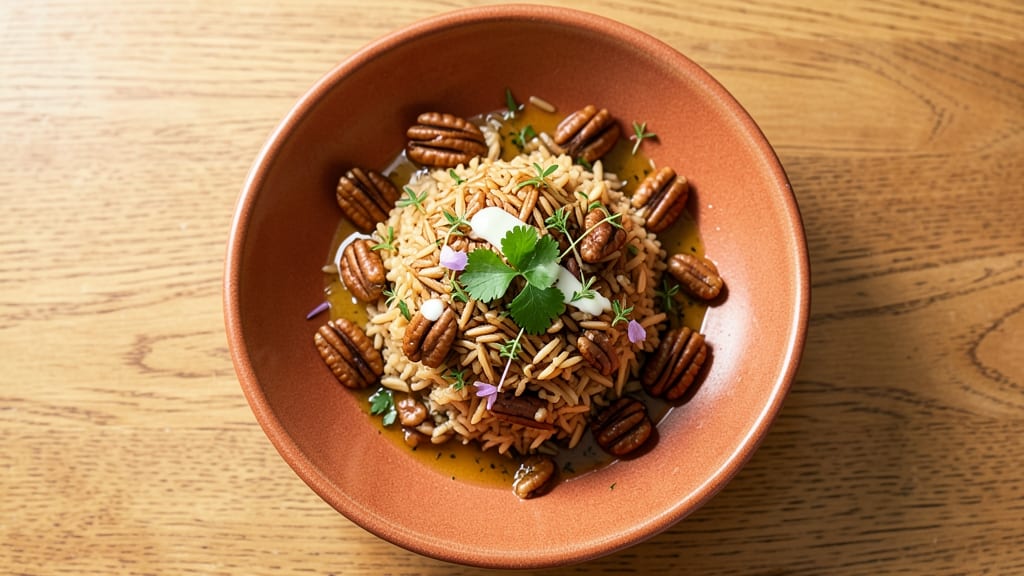
The barefoot Contessa’s wild rice pilaf recipe turns a simple side dish into a showstopper with toasted nuts and fragrant herbs that elevate every bite. This recipe captures the essence of her signature style—elegant yet approachable—where perfectly al dente rice meets crunchy texture and bright, layered flavors.
The secret lies in toasting the rice and nuts before simmering, a technique that builds depth and prevents mushiness. Whether paired with roasted chicken, pork tenderloin, or vegetarian mains, this pilaf delivers restaurant-quality results with minimal effort.
What sets this recipe apart is the balance of textures and aromatics: wild rice’s nutty chew meets crisp toasted pecans, while fresh herbs and citrus zest brighten the dish without overpowering. The method is straightforward—no fancy equipment needed—just a heavy pot, patience, and attention to detail.
Simmering the rice in broth until tender but still firm ensures that each grain holds its shape, ready to absorb the rich flavors of butter, herbs, and toasted nuts. The result is a pilaf that’s as beautiful on the plate as it is delicious.
By the time you twirl that first forkful, you’ll taste the harmony of toasted nuts, herby notes, and the natural nuttiness of wild rice—all tied together with a hint of citrus. This pilaf isn’t just a side; it’s the centerpiece that turns ordinary meals into memorable ones.
The best part? It reheats beautifully, making it perfect for meal prep or leftovers. Let’s get started on creating this timeless dish.
Use this pilaf as a base for creative twists—add dried cranberries for a holiday touch, swap pecans for walnuts, or stir in sautéed mushrooms for extra depth. It’s versatile enough to adapt to any season or occasion while keeping Garten’s signature elegance intact.
The key is confidence in the technique, and once mastered, this recipe will become a staple in your repertoire.
Ingredients for barefoot contessa wild rice pilaf
Toasted nuts, fragrant herbs, and perfectly al dente wild rice—this pilaf transforms simple ingredients into restaurant-quality elegance.
| Ingredient | Amount | Notes |
|---|---|---|
| Wild Rice Blend 🍚 | 1 cup | Uncooked, high-quality blend preferred |
| Pecans 🥜 | ½ cup | Shelled, raw or lightly toasted |
| Unsalted Butter 🧈 | 4 tbsp | Cold, cut into small cubes |
| Chicken Broth 💧 | 2 ½ cups | Low-sodium, homemade or quality store-bought |
| Fresh Parsley 🌿 | ¼ cup | Finely chopped, stems removed |
| Fresh Thyme 🌿 | 1 tbsp | Leaves only, finely chopped |
| Fresh Tarragon 🌿 | 1 tbsp | Leaves only, finely chopped |
| Lemon Zest 🍋 | 1 tsp | From organic lemon, finely grated |
| Lemon Juice 🍋 | 1 tbsp | Freshly squeezed |
| Salt 🧂 | ½ tsp | Diamond Crystal kosher preferred |
| Black Pepper 🌶️ | ¼ tsp | Freshly ground |
| Dried Cranberries 🍇 | ¼ cup | Optional, for holiday variation |
The wild rice blend is the foundation, so choose a high-quality mix—Bob’s Red Mill or Lundberg are excellent options. Toasting the rice and nuts before simmering is non-negotiable; this step builds depth and prevents mushiness. For pecans, Trader Joe’s or Costco offer the best value, and toasting them in a dry skillet until golden enhances their natural sweetness. Fresh herbs should be vibrant—Whole Foods or local farmers' markets are ideal for parsley, thyme, and tarragon. If using dried herbs, reduce to one-third the amount of fresh. The lemon zest adds brightness, so opt for organic lemons when possible—their zest is more potent and aromatic.
No pecans? Walnuts or almonds work beautifully, though the flavor profile shifts slightly. Short on fresh herbs? Dried thyme and parsley are acceptable, but fresh delivers that restaurant-quality aroma. The cranberries are optional but add a festive touch—Trader Joe’s or Whole Foods carry high-quality dried varieties. For the broth, homemade is ideal, but low-sodium store-bought like Pacific Foods or Swanson work in a pinch. The butter should be cold and cubed for even toasting, and unsalted ensures you control the seasoning. If you prefer a vegetarian option, swap the chicken broth for vegetable broth—just ensure it’s rich and flavorful.
This pilaf reheats beautifully, making it perfect for meal prep. Store leftovers in an airtight container for up to 5 days in the fridge, or freeze for 3 months for later use. To maintain texture, add a splash of broth when reheating. The toasted nuts and herbs lose crispness over time, so consider toasting a fresh batch of nuts and herbs just before serving if reheating. Portion into individual containers for easy grab-and-go lunches, or double the batch for holiday gatherings—it’s always a crowd-pleaser.
Why You'll Love This Recipe
- One-Pot Magic: I swear by this recipe because it’s literally one pot—no chopping, no fuss, just toast the pecans in butter, add the rice and broth, and let it simmer. The wild rice blend does all the work while you sip your wine (or coffee).
- Nutty Luxury: That toasted pecan crunch? It’s the star. I’ll be real: I often double the pecans because the rich, buttery flavor lingers like a hug from a chef. The parsley at the end? Freshness that makes it feel special without the effort.
- Weeknight to Dinner Party: Make a big batch on Sunday and reheat all week—it’s my go-to for lazy lunches or impressing guests. The chicken broth base keeps it hearty, but the parsley and pecans make it taste like you slaved over it. (Between us, my in-laws think I’m a genius.)
- Budget-Friendly Feast: Wild rice blend stretches further than white rice, and pecans add texture without breaking the bank. A single batch feeds four, and leftovers reheat like a dream. Honestly, it’s the kind of dish that makes grocery night less stressful.
Step-by-step instructions for wild rice pilaf with toasted nuts and herbs
Here's how to craft a sophisticated wild rice pilaf with perfect texture and layered flavors.
Toast the Pecans and Prepare the Herbs
In a dry skillet over medium heat, toast the 0.5 cup pecans for 5-6 minutes until they turn a rich golden brown and release their nutty aroma. Stir frequently to prevent burning—you're looking for that perfect balance between crisp and tender. Transfer the toasted pecans to a small bowl and set aside to cool slightly.
While the pecans toast, finely chop the 0.25 cup fresh parsley, 1 tablespoon fresh thyme, and 1 tablespoon fresh tarragon. I like to use a sharp chef's knife for this—chopping the herbs finely ensures they distribute evenly throughout the pilaf. The bright green color of the parsley and the delicate purple of the tarragon will add visual appeal alongside the toasted pecans.
Cook the Wild Rice Blend
In a medium saucepan, melt the 4 tablespoons unsalted butter over medium heat until it foams but doesn't brown. Add the 1 cup wild rice blend and stir to coat the grains in the butter. This step is crucial—it creates a flavorful base for the entire dish. Cook for 2 minutes, stirring constantly, until the grains are lightly toasted and fragrant.
Pour in the 2.5 cups chicken broth and bring to a gentle boil. Once boiling, reduce heat to low, cover the pan with a tight-fitting lid, and simmer for 45 minutes. Don't peek or stir during this time—this allows the rice to absorb the broth evenly and develop its characteristic chewy texture. The rice is done when all the liquid is absorbed and the grains are tender but still slightly firm to the bite.
Finish with Herbs, Citrus, and Dried Cranberries
Remove the pan from heat and let it sit covered for 5 minutes to allow the steam to redistribute. This resting period is essential—it prevents the rice from becoming mushy when you add the remaining ingredients. Stir in the toasted pecans, chopped herbs, 1 teaspoon lemon zest, 1 tablespoon lemon juice, 0.5 teaspoon salt, and 0.25 teaspoon black pepper. The lemon zest and juice brighten the dish, cutting through the richness of the butter and pecans.
Finally, fold in the 0.25 cup dried cranberries (if using) for a touch of sweet-tart contrast. The cranberries should be evenly distributed throughout the pilaf. Taste and adjust seasoning if needed—you want the flavors to be balanced, with the herbs bright, the pecans nutty, and the cranberries adding just the right amount of sweetness.
Rest and Serve
Transfer the pilaf to a serving dish and let it rest for 10 minutes before serving. This final resting period allows the flavors to meld completely and the texture to settle. The pilaf should be warm but not piping hot when served—this ensures each bite is perfectly balanced in temperature and texture.
Serve immediately as a side dish for roasted meats, grilled fish, or even as a light main course with a simple green salad. The combination of toasted pecans, fresh herbs, and citrus-infused rice creates a dish that's both elegant and comforting, perfect for any occasion.
Pro Tips For Making Barefoot Contessa Wild Rice Pilaf
- Toast Pecans First: I learned this the hard way—raw pecans in the pilaf make it taste like you forgot to finish the step. Dry-toast them in the same pot over medium heat for 3-4 minutes until golden and fragrant, stirring often. That nutty aroma is what ties the whole dish together.
- Simmer, Don’t Boil: Wild rice blend needs gentle love, not a rolling boil. Once the broth comes to a simmer, reduce to the lowest heat that keeps tiny bubbles dancing—no more than a whisper. I used to crank the heat and end up with mushy rice every time.
- Salt the Broth: Unsalted butter alone won’t cut it here. Season the chicken broth with ½ teaspoon salt per cup before adding it to the rice. The recipe assumes you’ll taste and adjust, but I’ve found this upfront boost makes all the difference—especially if you’re using low-sodium broth.
- Finish with Butter: Don’t skip the final stir of cold butter—this isn’t just for flavor, it’s for texture. Work in 2 tablespoons of chilled butter at the end while the rice steams off the heat. It coats each grain and makes the dish look (and taste) restaurant-worthy. Yes, even if you’re impatient like me.
Storing and reheating this barefoot contessa wild rice pilaf
Refrigerator Storage
Store your wild rice pilaf in an airtight container with a lid, pressing plastic wrap directly on the surface to minimize air exposure. Keep it refrigerated at 40°F or below for up to 5 days.
The toasted pecans and herbs retain their texture best when refrigerated—just give it a quick stir before reheating to redistribute flavors. 🥫
Freezer Prep Tips
For longer storage, portion the pilaf into freezer-safe containers or heavy-duty freezer bags, leaving ½-inch headspace for expansion. Freeze for up to 3 months—the wild rice holds its texture well, though the pecans may soften slightly.
Label with the date to track freshness. I like using quart-sized glass containers for easy reheating later.
Stovetop Reheating
My preferred method is stovetop reheating to preserve texture. Transfer the pilaf to a skillet over medium-low heat and add 2-3 tablespoons of broth or water to prevent drying.
Cover and heat for 5-7 minutes, stirring occasionally, until warmed through. The gentle heat keeps the rice tender while reviving the toasted pecans' crunch. 🔥
Microwave Method
For quick reheating, transfer a portion to a microwave-safe dish, cover loosely with a damp paper towel, and heat on 50% power for 2-3 minutes. Stir halfway through to ensure even heating. Add a splash of broth if the pilaf looks dry—this helps restore moisture without making it soggy.
Reviving Crispiness
If reheated pilaf loses its crunch, toast fresh pecans in a dry skillet for 3-4 minutes and sprinkle them over the top just before serving. A quick sprinkle of lemon zest or fresh herbs also brightens flavors.
I keep a small batch of toasted pecans prepped in the fridge for easy revival—it’s a game-changer for leftovers! 💫
Meal Prep Strategy
Double the recipe and store half for meal prep—it’s perfect for lunches or dinner sides. Portion into individual containers with a small compartment for dressing or sauce. The pilaf reheats beautifully while maintaining its elegant presentation, making it ideal for busy weeks or holiday gatherings.
Just remember: rest for 10 minutes after reheating to let flavors settle. ⏰
Nutrition facts
Frequently asked questions
Can I substitute regular brown rice for wild rice in this pilaf?
Wild rice has a distinct nutty flavor and chewy texture that sets this pilaf apart. While you could use brown rice, the texture and flavor won't be the same. For a closer match, try a blend of brown rice and wild rice (like a 50/50 mix) to mimic the heartiness while keeping some of the wild rice's unique qualities. The toasted pecans and herbs will still shine, but the overall experience won't be identical.
Why does the recipe call for resting the pilaf before serving?
Resting allows the flavors to meld and the texture to settle—this prevents the rice from becoming mushy when you add the toasted nuts and herbs. The 5-minute rest after cooking and the 10-minute rest before serving ensure each bite is perfectly balanced. Skipping this step can make the dish feel flat or overly dry, especially with wild rice's natural chewiness.
Can I make this pilaf ahead of time for a holiday dinner?
This pilaf reheats beautifully, making it perfect for meal prep. Store it in an airtight container in the fridge for up to 5 days or freeze for 3 months. For best results, reheat on the stovetop with a splash of broth to restore moisture and texture. Just remember to let it rest for 10 minutes after reheating to let flavors settle.
What if I don’t have fresh herbs like parsley or tarragon?
Dried herbs work in a pinch, but use only one-third the amount of fresh (e.g., 1 teaspoon dried parsley instead of 0.25 cup fresh). For tarragon, which is harder to find dried, try a pinch of dried dill or marjoram as a substitute. The flavor won't be identical, but it’ll still add aromatic depth. Fresh herbs are ideal, but this pilaf is forgiving enough to adapt!
How can I make this pilaf vegetarian?
Swap the chicken broth for vegetable broth and add extra umami with a splash of soy sauce or miso paste. For added richness, stir in sautéed mushrooms or roasted garlic. The toasted nuts, herbs, and citrus will still shine, creating a flavorful vegetarian side that pairs well with roasted vegetables or tofu dishes.