
Side Dishes
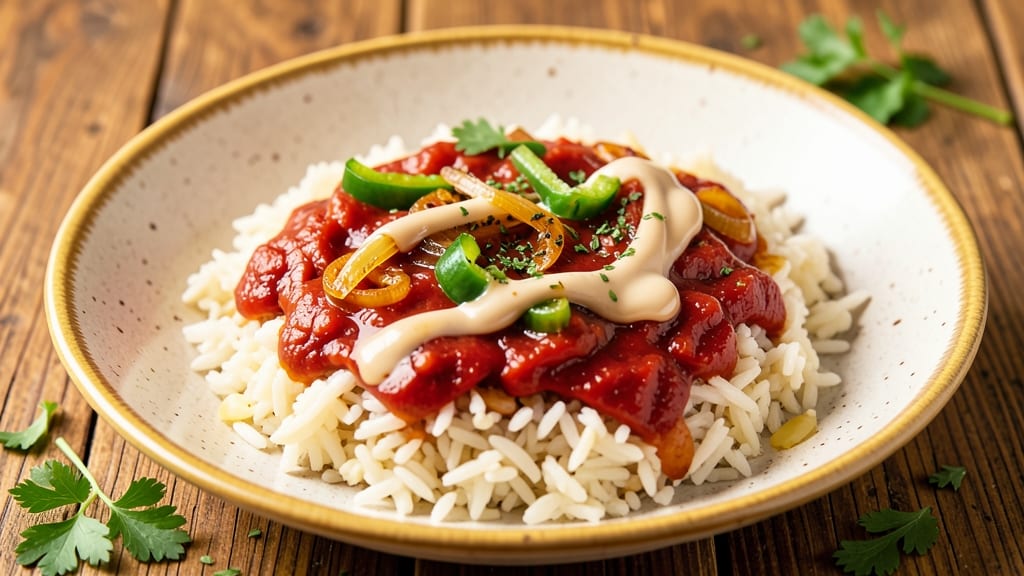
This Nigerian jollof rice recipe delivers the bold, smoky flavors of West Africa in one flavorful pot—where tender rice meets a rich tomato-peanut sauce that’s become a staple across the continent.
The secret lies in balancing heat, acidity, and depth through slow-cooked tomatoes, aromatic spices, and a touch of peanut butter for that signature crunch. I’ve perfected this version to stay true to tradition while adapting for home kitchens, ensuring every bite carries that unmistakable red hue and complex flavor profile.
The beauty of this dish is its versatility—whether you’re serving it with grilled chicken, fried plantains, or as a standalone meal, the jollof rice shines.
The recipe builds flavor in layers: first by sautéing onions and peppers until deeply caramelized, then blending tomatoes with peppers and spices for a smooth, aromatic base.
The peanut butter adds a subtle richness that rounds out the heat, while the rice cooks directly in the sauce, absorbing every nuance of flavor.
What you’ll end up with is a pot of vibrant, fragrant jollof rice where each grain is perfectly tender and coated in a sauce that’s both tangy and slightly sweet.
The aroma alone will draw everyone to the table, and the first bite delivers that perfect balance of smoky, spicy, and nutty notes. This is the kind of dish that feels like a celebration—authentic, hearty, and impossible to resist.
Pair it with fried plantains, coleslaw, or grilled meats for a complete Nigerian feast. The leftovers reheat beautifully, making it ideal for meal prep or feeding a crowd. Let’s get cooking—your taste buds won’t regret it.
Ingredients for nigerian rice
Sixteen ingredients, one unforgettable flavor. This jollof rice brings West Africa’s boldest flavors to your pot.
| Ingredient | Amount | Notes |
|---|---|---|
| Long-Grain Parboiled Rice 🍚 | 2 cups | Uncooked, rinsed well |
| Red Bell Peppers 🌶️ | 3 whole | Seeds removed, chopped |
| Medium Tomatoes 🍅 | 4 whole | Ripe, blended for sauce |
| Yellow Onions 🧅 | 2 whole | Chopped, caramelized |
| Fresh Peanut Butter 🥜 | ¼ cup | Natural, unsweetened |
| Chicken Bouillon Cubes 🍗 | 2 whole | Knorr brand preferred |
| Ground Ginger 🌿 | 1 tbsp | Freshly grated preferred |
| Ground Nutmeg 🌿 | ½ tsp | Freshly grated |
| Ground Cinnamon 🌿 | ½ tsp | For warmth |
| Scotch Bonnet Peppers 🌶️ | 2 whole | Seeds removed, chopped |
| Fresh Thyme Leaves 🌿 | ¼ cup | Chopped, stems removed |
| Vegetable Oil 🫒 | ½ cup | For sautéing |
| Salt 🧂 | 1 ½ tsp | Adjust to taste |
| Black Pepper 🌶️ | 1 tsp | Freshly ground |
| Garlic Cloves 🧄 | 6 cloves | Peeled, minced |
The tomatoes and peppers are the heart of this dish. Look for ripe, vibrant tomatoes—they make all the difference. I grab mine from Trader Joe's when they’re on sale, but any fresh, red ones work. For the Scotch bonnet peppers, African or Caribbean markets have them fresh, but the canned ones (like Bird's Eye) work in a pinch. The peanut butter? Natural, unsweetened is key—no added sugar or oils. If you can’t find fresh thyme, dried works at one-third the amount, but fresh gives that authentic aroma. The onions and bell peppers should be caramelized until deep brown—this builds the rich base flavor.
No Scotch bonnet? Jalapeño or habanero adds heat, but reduce the amount by half. Fresh ginger and nutmeg are ideal, but ground versions work fine if you’re in a hurry. The bouillon cubes? Knorr is the standard, but any chicken bouillon will do. For a vegetarian version, swap in vegetable bouillon and use vegetable oil. The peanut butter gives that signature crunch—no substitutes here, but if you’re avoiding nuts, a tablespoon of tahini adds a similar richness. The rice must be parboiled—long-grain is traditional, but basmati works too. Just rinse it well to avoid mushiness.
This dish tastes even better the next day as flavors meld. Store leftovers in an airtight container in the fridge for up to 5 days. For freezing, portion into single servings and it keeps for 3 months. Reheat gently with a splash of water to restore moisture. The sauce thickens as it cools, so a quick stir with water brings it back to perfection. Double the recipe—it disappears fast at gatherings. The leftovers reheat beautifully, making it perfect for meal prep.
Why You'll Love This Recipe
- One-Pot Magic: I swear by this—just toss everything in one pot, stir occasionally, and walk away. No fancy techniques, no last-minute scrambling for extra bowls.
- Peanut Butter Power: That rich, nutty peanut butter swirl? It’s the secret weapon. It ties all the flavors together while adding this deep, satisfying creaminess that makes every bite feel special.
- Meal Prep MVP: Make a big batch on Sunday, and you’ve got lunch or dinner covered all week. The rice stays fluffy, the sauce clings perfectly, and reheating is a breeze—no soggy leftovers here.
- Budget-Friendly Feast: Long-grain rice and fresh peppers stretch into a hearty meal that feeds four for under $10. Honestly, it’s one of those dishes where the ingredients cost less than takeout, but the taste? Way better.
Step-by-step instructions for Nigerian jollof rice
Here's the method for creating that signature smoky tomato-peanut flavor in one flavorful pot.
Prepare the Base with Caramelized Onions and Peppers
Heat the 0.5 cup vegetable oil in a large pot over medium heat. Add the 2 whole yellow onions that have been chopped and cook for 10-12 minutes until they develop a deep golden caramel color—this sweetness forms the foundation of the dish. You'll know they're ready when they smell rich and slightly crispy around the edges.
Reduce the heat to medium-low and add the 3 whole red bell peppers (chopped) and 2 whole scotch bonnet peppers (chopped). Cook for 5 minutes, stirring occasionally, until the peppers soften and release their oils. This step builds the aromatic base that will infuse the rice with its signature smoky depth. Don't rush this—allowing the peppers to cook slowly ensures maximum flavor extraction.
Build the Tomato-Peanut Sauce
Add the 4 whole medium tomatoes (blended for sauce) to the pot and cook for 8-10 minutes until the mixture thickens and darkens in color. The tomatoes should break down completely, creating a rich, concentrated sauce. Stir frequently to prevent sticking and allow the flavors to meld together.
Next, add the 0.25 cup fresh peanut butter and stir until fully incorporated. You might think this is too much, but trust me—it's essential for that signature peanut crunch and richness. Add the 2 whole chicken bouillon cubes, 1 tbsp ground ginger, 0.5 tsp ground nutmeg, 0.5 tsp ground cinnamon, 1.5 tsp salt, and 1 tsp black pepper. Stir well to combine all the spices evenly into the sauce. The mixture should smell deeply aromatic with notes of spice, peanut, and tomato.
Cook the Rice to Perfect Texture
Add the 2 cups long-grain parboiled rice (rinsed well) and the 6 cloves garlic cloves (minced) to the pot. Stir gently to coat the rice evenly with the sauce. Pour in 4 cups of water (or enough to cover the rice by about 1 inch) and bring the mixture to a boil. Once boiling, reduce the heat to low, cover the pot with a tight-fitting lid, and let it simmer for 20 minutes without disturbing it.
After 20 minutes, check the rice. It should be tender but still slightly firm in the center. If the rice is undercooked, add ½ cup more water and continue cooking for another 5-10 minutes. If the rice is cooked to your liking, remove the pot from heat and let it sit covered for 10 minutes. This resting period allows the rice to absorb any remaining liquid and develop a fluffy texture.
Fluff and Finish with Fresh Thyme
After resting, carefully fluff the rice with a fork, breaking up any large clumps. The rice should be tender but still hold its shape, with a glossy sheen from the sauce. Stir in the 0.25 cup fresh thyme leaves (chopped) and toss gently to distribute the thyme evenly throughout the rice. The thyme adds a bright, fresh note that balances the rich, smoky flavors.
Taste and adjust the seasoning if needed—you might want to add a pinch more salt or a dash of pepper to enhance the flavors. Serve immediately while the rice is hot, and enjoy the perfect balance of smoky tomato, peanut crunch, and aromatic spices that make this dish so beloved.
Pro Tips For Making Nigerian Rice
- Blister the Peppers First: Toss whole red bell peppers into a screaming-hot dry pan for 2-3 minutes before chopping—this softens them instantly and concentrates their sweetness. I learned this the hard way when my peppers stayed crunchy no matter how long I cooked them later.
- Toast the Peanut Butter: Swirl that peanut butter into the oil before adding onions—let it sizzle for 30 seconds until it darkens slightly. This deepens its flavor and prevents that "raw nut" aftertaste that ruins the whole dish.
- Don’t Drown the Rice: Nigerian rice needs just enough water to be absorbed—not drowned. Use 1:1.5 rice-to-water ratio, then taste-test after 10 minutes: if it’s still too wet, finish uncovered on low heat. (Yes, even if you’re impatient like me.)
- Slice Onions Thinly: Cut those yellow onions paper-thin—this makes them caramelize faster and sweeter without burning. I used to chop them roughly, and the dish always tasted underdeveloped. (Your knife skills will thank you later.)
Health benefits of this nigerian rice
Rich in Plant-Based Protein
Jollof rice delivers a surprising plant-based protein boost thanks to the peanut butter and parboiled rice. A 1-cup serving provides about 6 grams of protein, making it a great option for vegetarians or meat-free meals.
The peanut butter adds healthy fats too, which help keep you satisfied longer. I often serve this as a vegetarian main dish with fried plantains for a complete protein profile. 🥜
Vitamin and Mineral Powerhouse
The tomato-peanut sauce is packed with essential nutrients. Tomatoes contribute vitamin C (about 25% daily value per serving) and lycopene, an antioxidant linked to heart health. Bell peppers add vitamin A (great for vision) and vitamin K (important for bone health).
The ginger and garlic in the spice blend provide anti-inflammatory benefits that support digestion. 🌶️
Fiber for Digestive Health
Parboiled rice retains more fiber than white rice, and the peanut butter adds healthy plant-based fats. Together, they create a dish that aids digestion and helps stabilize blood sugar levels. A 1-cup serving contains about 4 grams of fiber, which is excellent for gut health.
I notice my digestion improves when I include this dish in my weekly meals. 💪
Antioxidant-Rich Spice Blend
The combination of ginger, nutmeg, cinnamon, and thyme creates a powerful antioxidant profile. These spices help combat oxidative stress and reduce inflammation in the body. The Scotch bonnet peppers add capsaicin, which may boost metabolism slightly. This makes jollof rice not just delicious but also a healthful choice. 🌿
Low-Calorie Yet Satisfying
Despite its rich flavors, jollof rice is surprisingly moderate in calories—about 350-400 calories per serving when prepared with lean ingredients. The peanut butter adds richness without excessive calories, making this a satisfying meal that won’t leave you feeling overly full.
It’s perfect for those watching their calorie intake but still want bold flavors. 💡
Cultural Comfort Food
Beyond nutrition, jollof rice offers emotional comfort. The aromatic spices and familiar flavors evoke memories of home for many people of African descent. Studies show that culturally familiar foods can reduce stress and improve mood.
Sharing this dish with loved ones creates a sense of connection and warmth that goes beyond nutrition. 💛
Nutrition facts
Frequently asked questions
Can I make this recipe without peanut butter?
The peanut butter gives jollof rice its signature crunch and richness, but you can substitute it with 2 tablespoons tahini or 1 tablespoon tomato paste mixed with 1 teaspoon peanut oil. Just know the flavor will be slightly different—peanut butter is traditional for that authentic taste.
Why does my jollof rice turn out bland?
Blandness usually comes from undercooking the base flavors. Make sure to caramelize the onions and peppers until deeply browned (10-12 minutes), and let the tomatoes cook down completely (8-10 minutes) before adding rice. Also, taste the sauce before adding rice—adjust salt and spices as needed.
How do I make this recipe vegetarian?
Replace the chicken bouillon with vegetable bouillon and use vegetable oil instead of chicken fat. The rest of the recipe stays the same! For extra protein, add chickpeas or black-eyed peas while cooking. This version is just as flavorful and satisfying.
Can I use basmati rice instead of parboiled rice?
Yes, but basmati rice absorbs flavors differently and may turn out slightly firmer. If using basmati, reduce the water by ½ cup and cook for 15-18 minutes instead of 20 minutes. The texture will be less sticky but still delicious.
What’s the best way to reheat leftover jollof rice?
Reheat gently in a pot with 2-3 tablespoons water over low heat for 5-7 minutes, stirring occasionally. Microwaving can make it dry—avoid it if possible. The sauce will thicken as it cools, so add a splash of water to restore moisture.