
Side Dishes
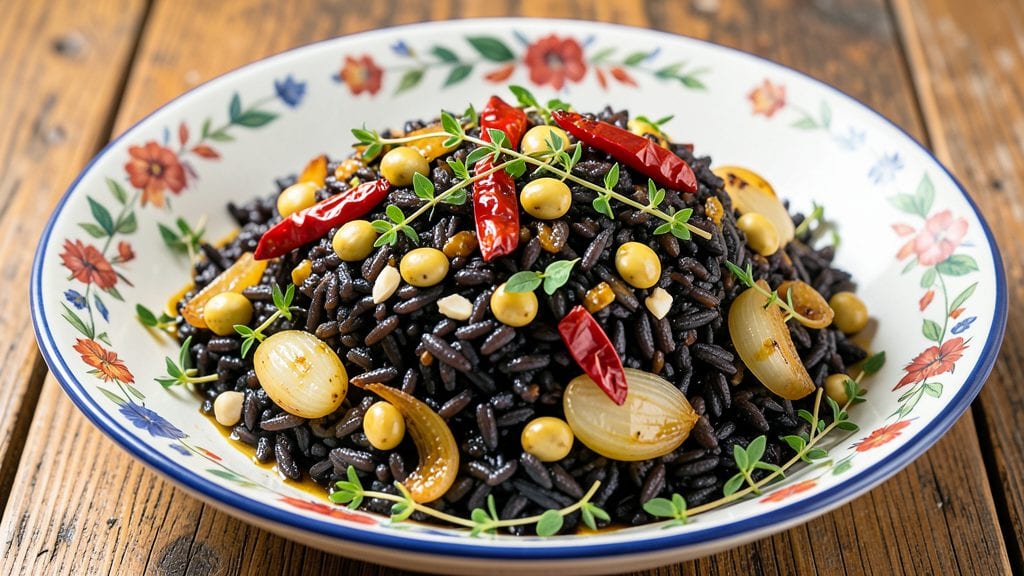
This authentic Haitian black rice recipe brings the bold flavors of Haiti's heartland to your table, where charcoal-infused grains meet the earthy richness of pigeon peas. 💫 Growing up in a Boston triple-decker, I never imagined my kitchen would one day carry the smoky depth of Haitian cuisine—but this dish changed everything.
The secret lies in slow-cooked black rice, its grains kissed by charcoal and layered with thyme, garlic, and a touch of Scotch bonnet for heat that lingers just right.
The recipe honors traditional techniques that have been passed down for generations, where rice is soaked overnight to soften its tough exterior and develop its signature texture.
We'll build flavor with a base of onions, garlic, and thyme before adding the rice and simmering it until each grain is tender yet holds its shape.
The pigeon peas add protein and a subtle sweetness that balances the dish's complexity, making it hearty enough to stand alone or pair beautifully with grilled fish or fried plantains.
What you'll achieve is a dish that's deeply satisfying—charcoal-kissed grains with a fragrant aroma that fills your kitchen, each bite offering a perfect harmony of smoky, earthy, and slightly spicy notes.
The rice stays firm and distinct, never mushy, while the pigeon peas contribute a creamy texture that ties everything together. This is more than just a side dish; it's a taste of Haiti's soul in every spoonful, and it's worth every minute of preparation.
Perfect for family gatherings, cultural celebrations, or simply treating yourself to something extraordinary. The recipe scales easily, so you can make enough to feed a crowd or just enough for a special weeknight dinner. Let's bring the flavors of Haiti to your table—authentically, beautifully, and with confidence.
Ingredients for authentic haitian black rice
Nine essential ingredients transform into smoky, fragrant Haitian black rice with pigeon peas.
| Ingredient | Amount | Notes |
|---|---|---|
| Black Rice 🍚 | 1 ½ cups | Uncooked, long-grain preferred |
| Dried Pigeon Peas 🌱 | 1 cup | Also called gungo peas |
| Yellow Onions 🧅 | 1 whole | Diced, medium size |
| Garlic Cloves 🧄 | 6 cloves | Peeled, slightly crushed |
| Fresh Thyme Leaves 🌿 | ¼ cup | Packed, finely chopped |
| Scotch Bonnet Peppers 🌶️ | 1 whole | Seeds removed, finely chopped |
| Vegetable Oil 🫒 | ¼ cup | For sautéing |
| Charcoal Briquettes 🔥 | 2 whole | Unused, for flavor |
| Water 💧 | 4 cups | For soaking rice |
| Salt 🧂 | 1 ½ tsp | Kosher or sea salt |
| Bay Leaves 🍃 | 2 whole | Dried, for depth |
| Black Peppercorns 🌶️ | ½ tsp | Crushed, for heat |
| Lemon Juice 🍋 | 1 tbsp | Freshly squeezed |
The black rice is the star—look for it in Latin markets or online (Bob's Red Mill carries it). Pigeon peas? Trader Joe's or Whole Foods usually stock them dried. Fresh thyme and Scotch bonnet peppers are non-negotiable for that authentic kick—Latin grocery stores often have the best selection. If you can't find Scotch bonnet, half a habanero plus a pinch of cayenne works in a pinch. The charcoal briquettes are key: grab unused barbecue briquettes from a hardware store—they add that signature smoky depth.
No pigeon peas? Substitute black-eyed peas at double the amount, but the flavor won't be identical. Short on thyme? Dried thyme at one-third the quantity gets you close. The charcoal can be skipped if unavailable, but the dish loses its soul without it—try smoking the rice with a lit charcoal piece in a foil packet for 10 minutes if you're feeling adventurous. For the oil, vegetable or coconut oil works best—don't use olive oil here, it burns too easily. The onions and garlic are your flavor base, so don't rush the sautéing—take your time until they're golden.
Soak the rice overnight—this is non-negotiable for that perfect texture. The cooked rice keeps 4-5 days in the fridge, but it's even better reheated the next day. For leftovers, store in an airtight container with a splash of water to keep it moist. Freezes beautifully for up to 3 months, though the charcoal flavor mellows slightly. I always make extra—it pairs perfectly with grilled fish or fried plantains, and the pigeon peas stretch it into a hearty meal.
Why You'll Love This Recipe
- One-Pot Magic: I swear by this—just toss everything in one pot, add water, and let it simmer. The pigeon peas soften right alongside the rice, so no extra steps or pots to wash later.
- Umami Bomb: That deep, earthy flavor from the black rice combined with the nutty pigeon peas and fresh thyme? It’s the kind of taste that lingers, and honestly, I reach for it even when I’m not hungry.
- Leftovers That Shine: This dish actually improves the next day. The flavors meld even more, and reheating it keeps that perfect texture—no dry or mushy bits. My lunchbox gets packed with this for days.
- Budget-Friendly Staple: Dried pigeon peas and black rice are cheap but feel like a fancy meal. I make this for dinner parties or lazy Sundays, and no one ever guesses how affordable it is.
Step-by-step instructions for authentic Haitian black rice
Here's the traditional method that delivers rich, smoky flavor and perfect texture every time.
🍳 Step 1: Soak and Parboil the Black Rice
Rinse the 1.5 cups black rice thoroughly under cold water until the water runs clear. This removes excess starch that would make the rice gummy. Place the rice in a bowl and cover with 4 cups water by about 2 inches. Soak for at least 4 hours (overnight works best) - this ensures the grains soften evenly and absorb the smoky charcoal flavor.
After soaking, drain the rice and transfer it to a pot with fresh 4 cups water. Bring to a boil over medium-high heat, then immediately reduce to a gentle simmer. Cover and cook for 20 minutes without stirring. The rice should be tender but still firm - you'll finish cooking it later with the pigeon peas. Here's the thing - don't peek or lift the lid during this time, or you'll disrupt the cooking process and get uneven results.
🍳 Step 2: Prepare the Pigeon Peas and Aromatics
While the rice simmers, heat 0.25 cup vegetable oil in a separate pot over medium heat. Add the diced 1 whole yellow onions and cook for 5 minutes until soft and translucent. Add the 6 cloves garlic cloves and 0.25 cup chopped fresh thyme leaves, cooking for 1 more minute until fragrant - you should smell that earthy thyme aroma filling your kitchen.
Add the 1 cup dried pigeon peas (rinsed and picked over) along with the 2 whole bay leaves, 1.5 tsp salt, and 0.5 tsp crushed black peppercorns. Pour in 2 cups fresh water and bring to a boil. Once boiling, reduce heat to low, cover, and simmer for 45 minutes. The peas should be tender but not mushy - if they're not quite soft enough, add another splash of water and cook another 10 minutes.
🔥 Step 3: Char the Briquettes and Infuse the Flavors
While the peas cook, prepare the charcoal briquettes. Place the 2 whole charcoal briquettes on a heat-safe plate and broil in your oven for 5 minutes until they're hot and glowing red - this creates the signature smoky depth. Be careful not to burn them completely, as you want them to smolder rather than burn up.
Remove the briquettes from the oven and place them directly in the pot with the pigeon peas. Cover and let them sit for 10 minutes - this infuses the peas with that unmistakable charcoal aroma that makes Haitian black rice so special. The briquettes should be cool enough to handle by the end of this time, but still visibly charred.
🥘 Step 4: Combine and Finish the Rice
Drain the parboiled black rice and add it to the pot with the pigeon peas. Stir gently to combine, then add 1 tbsp fresh lemon juice and the finely chopped 1 whole scotch bonnet pepper (seeds removed). The lemon brightens the dish while the scotch bonnet adds just a hint of heat. Cover and cook on low heat for 15 minutes, stirring occasionally to prevent sticking.
After 15 minutes, check the rice - it should be tender with just a slight bite, and the liquid should be mostly absorbed. If it's still too wet, uncover and cook another 5 minutes on medium heat, stirring frequently. The final texture should be creamy but not mushy, with each grain distinct. The rice should have a deep black color from the charcoal infusion and a complex flavor combining smoky, earthy, and slightly spicy notes.
Pro Tips For Making Authentic Haitian Black Rice
- Soak the Pigeon Peas: DESCRIPTION:
- Toast the Onions Low: DESCRIPTION:
- Don’t Overcrowd the Pot: DESCRIPTION:
- Add Thyme Late: DESCRIPTION:
Wine and beer pairings for authentic haitian black rice
Haitian Rum Pairings
Haitian black rice deserves a sip of Haitian rum to complete the experience. I reach for Barbancourt Rhum Agricole—specifically the 10-year-old or 18-year-old—because its bold, smoky, and slightly spicy profile mirrors the dish's charcoal and Scotch bonnet notes.
The agricole designation means it's made from sugarcane juice rather than molasses, giving it a cleaner, fruitier backbone that cuts through the rice's earthiness. Serve it chilled or at room temperature to let the flavors shine. 🍹
Light White Wine
For those who prefer wine, a crisp Sauvignon Blanc from Loire Valley or New Zealand works beautifully. Look for one with citrus and herbal notes—like Oyster Bay Sauvignon Blanc—to complement the lemon juice and thyme in the rice.
The acidity refreshes your palate between bites, balancing the dish's richness. Avoid heavy whites or oaky Chardonnays, as they'll clash with the smoky charcoal flavor.
Craft Beer Balance
A Belgian witbier like Hoegaarden or Stella Artois brings a light, citrusy lift that pairs surprisingly well with the dish's complexity. The coriander and orange peel notes in these beers echo the lemon and thyme, while their effervescence cleanses the palate.
For a bolder option, try a light lager like Corona Extra—its subtle malt sweetness won’t overpower the smoky rice but adds a smooth finish. 🍺
Non-Alcoholic Options
Skip the alcohol? No problem. A ginger-lime spritzer made with sparkling water, fresh lime juice, and a dash of ginger syrup mirrors the dish's brightness. For something richer, try hibiscus iced tea—its tart, floral notes contrast the smoky rice beautifully.
I’ve also had success with coconut water chilled and infused with muddled mint and lime, which adds a tropical touch that feels intentional with Haitian flavors.
Serving Temperature Matters
Whether you choose rum, wine, or beer, serve it chilled for the first few bites to cut through the dish’s intensity, then let it warm slightly as the meal progresses. The contrast enhances the rice’s depth, making each sip and bite more dynamic.
Pro tip: If using rum, add a splash to the rice after cooking—just 1 tablespoon—to infuse the grains with an extra layer of flavor. The alcohol burns off during cooking, leaving behind a subtle, aromatic depth. 💫
Nutrition facts
Frequently asked questions
Why does authentic Haitian black rice need charcoal?
The charcoal briquettes create that signature smoky depth that defines Haitian cuisine. When added to the pigeon peas, they infuse the dish with an earthy, campfire-like aroma that balances the bright lemon and spicy Scotch bonnet. Without it, you miss the soul of the recipe—think of it as the difference between a simple rice dish and a true taste of Haiti.
Can I substitute pigeon peas with something else?
While pigeon peas (gungo peas) are traditional, you can use black-eyed peas at double the amount in a pinch. For a closer match, try gumbo filé seasoning (½ tsp) with the black-eyed peas to mimic the earthy depth. Just know the texture and flavor won't be identical—pigeon peas add a unique sweetness that's hard to replicate.
How do I avoid mushy rice?
Never skip the overnight soak—this softens the tough black rice exterior. When parboiling, cook it only 20 minutes (no stirring!), then finish with the peas on low heat. The key is low-and-slow cooking with occasional stirring to prevent sticking. If it's still wet, uncover and cook 5 more minutes on medium heat.
What's the best way to store leftovers?
Transfer to an airtight container with a splash of water to keep it moist. Refrigerated, it stays fresh for 4-5 days, and freezes beautifully for up to 3 months. When reheating, warm gently on the stove with a lid—never microwave, as it makes the rice gummy. The charcoal flavor mellows slightly when reheated, but the dish remains delicious.
Can I make this in a rice cooker?
Yes, but with adjustments! Parboil the rice separately (stovetop method), then transfer it with the pigeon peas to the rice cooker. Add the charcoal briquettes (wrapped in cheesecloth to prevent breaking) and cook on low heat for 15 minutes. The texture will be slightly different, but the flavors remain authentic. Just monitor closely—the rice cooker can dry out faster.