
Side Dishes
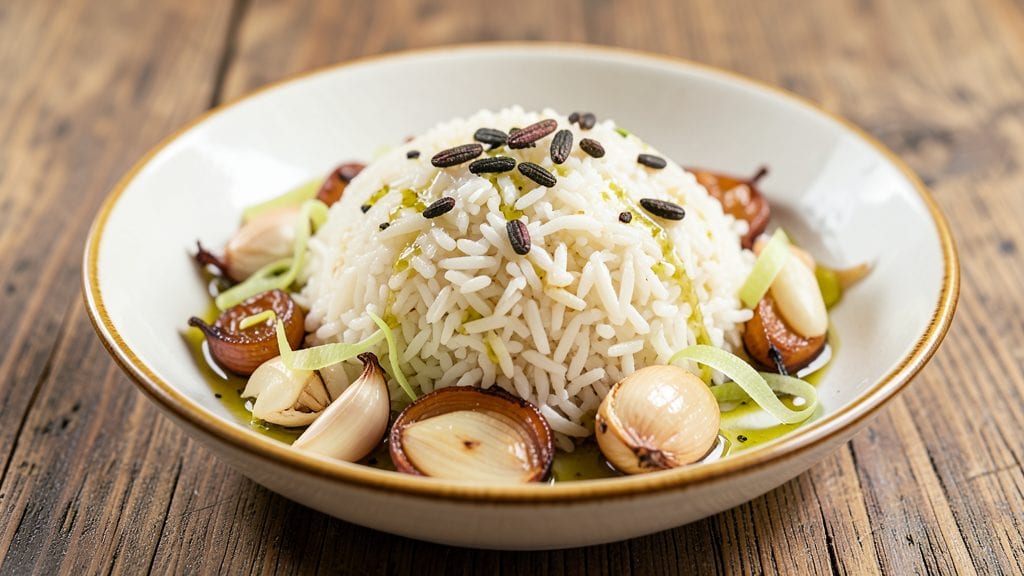
This aroma rice recipe transforms simple rice into a fragrant, toasted spice masterpiece in just 20 minutes—no shortcuts, no compromises. This aroma rice recipe delivers the kind of complex flavor profile you’d expect from a high-end Thai restaurant, with crispy spice crunch layered over perfectly fragrant grains.
The secret lies in properly toasting whole spices and aromatics before cooking, which builds depth that pre-ground blends can never match.
We start with jasmine rice for its delicate floral notes, but basmati works equally well for a nuttier profile. The real magic happens in the aromatics: garlic, shallots, and ginger are sautéed until golden, while whole spices like cardamom, cinnamon, and cumin toast until fragrant.
This process develops their natural oils, infusing the rice with layers of warmth and complexity that elevate every bite.
By the time you’re done, you’ll have rice that’s not just a side dish but the star of the meal—crispy at the edges, tender in the center, and bursting with toasted spice notes that linger long after the last bite.
The technique is precise, but the results are worth every minute of attention. This is the kind of rice that makes people ask for seconds.
Pair it with grilled meats, roasted vegetables, or even as a standalone dish with a drizzle of chili oil. The possibilities are endless once you master this foundational technique. Let’s get started—your taste buds will thank you.
Ingredients for aroma rice
Jasmine rice, whole spices, and aromatic vegetables—just 13 ingredients for restaurant-quality aroma rice.
| Ingredient | Amount | Notes |
|---|---|---|
| Jasmine Rice 🍚 | 1 ½ cups | Uncooked, long-grain preferred |
| Extra-Virgin Olive Oil 🫒 | 2 tbsp | High quality, fruity variety |
| Garlic Cloves 🧄 | 4 cloves | Peeled, thinly sliced |
| Fresh Ginger 🧅 | 1 ½ tbsp | Finely grated, fresh preferred |
| Shallots 🧅 | 2 whole | Peeled, thinly sliced |
| Cardamom Pods 🌿 | 6 whole | Lightly crushed, seeds exposed |
| Cinnamon Sticks 🌿 | 2 whole | 2-inch pieces, lightly crushed |
| Ground Cumin 🌶️ | 1 tsp | Freshly toasted preferred |
| Star Anise Pods 🌿 | 2 whole | Lightly crushed, seeds exposed |
| Bay Leaves 🌿 | 2 whole | Fresh or dried preferred |
| Vegetable Broth 💧 | 2 cups | Low-sodium preferred |
| Sea Salt 🧂 | 1 ½ tsp | Fine grain preferred |
| Black Peppercorns 🌶️ | ½ tsp | Crushed lightly |
The spices are everything here. Whole spices like cardamom and star anise toast beautifully—Penzeys or bulk bins at Whole Foods have the freshest. Skip pre-ground blends; they burn before releasing their oils. For ginger, fresh is non-negotiable—the dried stuff lacks the bright punch. Shallots add sweetness that caramelizes perfectly; don't substitute onion. The rice? Jasmine from a specialty store (like Thai Market) has that signature floral aroma, but basmati works too if you prefer nuttier notes. Toast the spices in olive oil until fragrant—this step can't be rushed—or you'll miss the depth.
No cardamom? Double the cinnamon and add 1 tsp coriander for warmth. Star anise missing? 1/2 tsp anise seeds work in a pinch. Fresh ginger not available? Dried ginger powder at 1/3 the amount (but it won't be the same). The broth can be swapped for water + 1 tsp soy sauce for umami. For extra crunch, toast 1/4 cup slivered almonds with the spices. And if your rice turns out too dry? Spritz with warm water and cover—it'll plump right up. The key is patience: let the aromatics cook until golden, not browned.
This reheats beautifully—just add a splash of water and cover. Keeps in the fridge for 4-5 days, but honestly tastes best fresh. For meal prep, divide into single-serving containers so each portion gets even heat. Freezes for 3 months if you're planning ahead. The spices lose potency after 1 week, so store them in a cool, dark place. I always make a double batch—half for dinner, half for lunches. Trust me, you'll be glad you did.
Why You'll Love This Recipe
- No-Chop Night Saved: I swear by this when I’m too tired to dice anything—just toast the shallots and garlic whole in the olive oil until they’re golden and fragrant. The rice absorbs all that caramelized goodness like a sponge, so you still get layers of flavor without the mess.
- Ginger-Garlic Magic: That first bite of warm rice with crispy shallots and fresh ginger? It’s like a hug in your mouth. The olive oil keeps it rich but not greasy, and the garlic doesn’t overpower—just lingers in a way that makes you want seconds. (Yes, even on a Tuesday night.)
- Meal-Prep MVP: This rice stays fresh for days in the fridge, so I make a big batch on Sundays. It’s the perfect neutral base—pair it with grilled chicken, stir-fried veggies, or even just a fried egg for breakfast. Honestly, I’ve had it three times this week already.
- Budget Bright Spot: Jasmine rice is cheap, and I use the same aromatics for multiple meals. A little olive oil goes a long way, and the shallots/garlic/ginger stretch across dishes. Not the prettiest, but the taste makes up for it—and my wallet thanks me.
Step-by-step instructions for aroma rice recipe
This method brings out the best of fragrant jasmine rice with toasted spices and aromatic oils.
Toast the Spices and Aromatics
Heat a large skillet over medium heat and add the 2 tablespoons extra-virgin olive oil. Once the oil shimmers, add the 2 whole shallots, 4 cloves garlic cloves, and 1.5 tablespoons fresh ginger. Sauté for 2-3 minutes until the shallots soften and become translucent.
Add the 6 whole cardamom pods, 2 whole cinnamon sticks, 1 teaspoon ground cumin, 2 whole star anise pods, and 2 whole bay leaves. Stir constantly for 1-2 minutes until the spices begin to release their fragrant oils and the mixture smells deeply aromatic. You want the spices to be warm but not burning—this is where the magic happens. Remove the pan from heat and set aside.
Bloom the Rice in the Spiced Oil
Return the skillet to medium heat and add the 1.5 cups jasmine rice. Stir gently for 1-2 minutes, allowing the rice grains to absorb the spice-infused oil. This step ensures each grain develops that signature toasted aroma before cooking. The rice should look slightly glossy and smell intensely of the spices you toasted.
Add the 2 cups vegetable broth, 1.5 teaspoons sea salt, and 0.5 teaspoon black peppercorns. Stir once to combine, then bring the mixture to a gentle simmer. Here's the thing—don't stir again after this point. Disturbing the rice during cooking can create uneven grains.
Steam the Rice to Perfection
Cover the skillet tightly with a lid and reduce heat to low. Let the rice steam undisturbed for 15 minutes. This initial cooking phase allows the rice to absorb the broth and develop its texture. After 15 minutes, remove the lid and gently fluff the rice with a fork, being careful not to mash the grains.
Replace the lid and continue cooking for another 5 minutes. The rice should now be tender but still slightly firm in the center. If you press a grain between your fingers, it should yield slightly but not be mushy. This is the moment that matters—properly steamed rice forms the foundation for that perfect texture.
Rest and Serve
Remove the skillet from heat and let the rice rest, covered, for 10 minutes. This resting period allows the steam to redistribute throughout the grains, ensuring each bite is perfectly tender. During this time, the rice will absorb any remaining liquid, and the spices will continue to infuse their flavors.
Finally, fluff the rice gently with a fork and serve immediately. The grains should be separate, fragrant, and lightly coated with the toasted spices. Each bite should deliver a perfect balance of nutty rice, warm spices, and aromatic oils—this is the essence of aroma rice done right.
Pro Tips For Making Aroma Rice
- TOAST THE AROMA BASE: Cook your garlic, ginger, and shallots until they’re deep golden—not just fragrant, but with visible color. I used to pull them out too soon, and the rice smelled like raw onion. Push the heat to medium-high and let them sizzle for 3-4 minutes, stirring often. That’s when the real flavor unlocks.
- MINCE THE GINGER FINE: Skip the grater—use a sharp knife and chop the ginger into a paste with the side of your blade. This releases more juice and blends better than pre-minced jars (which often taste like sawdust). A teaspoon of fresh, finely chopped ginger makes a real difference—don’t skimp.
- USE A TIGHT LID IMMEDIATELY: Once you add the rice, slap that lid on hard and turn the heat to low. I learned this the hard way—letting it simmer uncovered for even a minute means dry rice. The steam needs to circulate, and a snug lid keeps the moisture trapped. No peeking for the first 10 minutes.
- SWAP OLIVE OIL FOR BUTTER: Extra-virgin olive oil works, but unsalted butter adds richness and a subtle toasty note. Use 1 tablespoon—just enough to coat the base before adding the aromatics. It’s a small upgrade, but the texture and flavor shift noticeably. (Yes, even if you’re not making it fancy.)
Regional styles of these flavors
Thai-Inspired Jasmine
In Thailand, aroma rice is a staple side dish called khao phat—fragrant jasmine rice stir-fried with garlic, ginger, and a touch of sweetness. The Thai version often includes 1 tbsp palm sugar (or brown sugar) in the spice toast to balance the heat.
I like to add 1 tsp lemongrass paste (or 2 tbsp finely chopped lemongrass) to the oil before the aromatics for that signature citrusy aroma. Serve it with grilled lemongrass chicken or a spicy tom yum soup for an authentic experience. 🌶️
Indian-Spiced Basmati
For an Indian twist, swap jasmine rice for basmati and toast 1 tsp cumin seeds and 1 tsp mustard seeds in the oil first—they pop and add a smoky depth. Add ½ tsp turmeric and ½ tsp garam masala to the spices for warmth.
This version pairs beautifully with tandoori chicken or dal makhani. The basmati’s nutty flavor complements the bold spices perfectly, creating a dish that’s both comforting and aromatic. 🌿
Japanese Garlic Fried Rice
Japan’s tamago kake gohan (garlic fried rice) takes aroma rice to another level by adding a soft-boiled egg and sesame seeds. Start with short-grain Japanese rice (like Koshihikari) for its sticky texture. After toasting the spices, add 1 tbsp soy sauce and 1 tsp mirin to the broth.
Finish with a runny yolk and toasted sesame seeds for a rich, umami-packed dish. It’s a perfect balance of sweet, savory, and nutty flavors. 🍳
Mexican Cumin-Lime Rice
Give your aroma rice a Mexican flair by using long-grain white rice and toasting 2 tsp cumin seeds until fragrant. Add 1 tbsp lime zest and 2 tbsp lime juice to the broth for a bright, tangy kick.
Top with cilantro and a sprinkle of cotija cheese before serving. This version is a fantastic side for grilled fish tacos or chicken fajitas. The lime keeps the dish fresh and vibrant. 🍋
Middle Eastern Za’atar Rice
For a Middle Eastern touch, toast 1 tbsp za’atar seasoning (or mix 1 tsp sumac, ½ tsp sesame seeds, and ½ tsp dried thyme) with the spices. Use brown basmati rice for a nuttier profile.
Add ½ cup chopped parsley and 2 tbsp pine nuts at the end for texture. This rice pairs wonderfully with grilled lamb kebabs or hummus. The za’atar adds an earthy, herby depth that’s hard to resist. 🌿
Modern Fusion Twist
Want to experiment? Try a smoky maple version by adding ½ tsp smoked paprika and 1 tbsp pure maple syrup to the broth. For a spicy kick, stir in 1 tsp gochujang (Korean chili paste) with the spices.
Or go herby with 1 tbsp chopped tarragon or thyme. These twists keep the technique intact while giving your aroma rice a fresh, unexpected flavor. 💡
Nutrition facts
Frequently asked questions
What makes this aroma rice different from regular rice?
This recipe transforms plain rice into a fragrant masterpiece by toasting whole spices and aromatics until deeply aromatic. The key difference is the spice infusion process—toasting cardamom, cinnamon, and star anise releases their natural oils, creating layers of warmth that regular rice simply can't match. The result is rice with crispy spice crunch and complex flavors that elevate any meal.
Can I use basmati rice instead of jasmine?
While jasmine rice provides delicate floral notes, basmati offers a nuttier profile that works beautifully with the toasted spices. For an Indian-inspired version, basmati is actually preferred. Just ensure you use the same 1:1.5 rice-to-broth ratio and toast the spices for the same duration. The texture will be slightly firmer but equally fragrant.
How do I prevent the rice from getting mushy?
Mushy rice happens when you overcook it or stir too much. After adding broth, stir only once to combine, then let it steam undisturbed. Use a tight-fitting lid and reduce heat to low immediately. The 10-minute resting period after cooking is crucial—it allows steam to redistribute without overcooking. For extra insurance, use a 1:1.5 rice-to-broth ratio (not 1:2).
What's the best way to store leftover aroma rice?
Store leftovers in an airtight container in the fridge for up to 4-5 days. To reheat, sprinkle with a little water, cover, and microwave for 1-2 minutes until hot. For longer storage, freeze in single portions for up to 3 months. The spices lose potency after 1 week, so it's best enjoyed fresh or reheated quickly.
Can I make this recipe without whole spices?
Yes, but you'll miss the depth of flavor. If you must use ground spices, toast them in the oil for 30 seconds until fragrant. For cardamom, use 1/2 teaspoon ground (but it won't have the same impact). The key is to toast something—even a pinch of cumin seeds—to build aroma. Without toasting, the rice will taste more like seasoned rice than true aroma rice.