
Main Courses
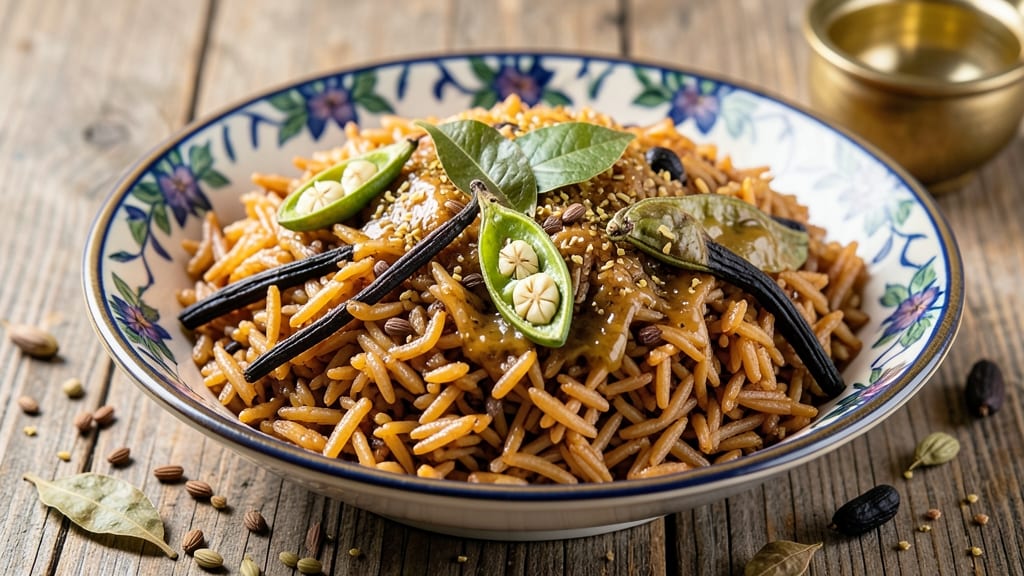
This brown basmati rice recipe Indian transforms simple grains into aromatic, spiced perfection with just toasted cumin and cardamom. The key lies in parboiling the rice and finishing it in ghee, creating a texture that's firm yet fluffy—ideal for biryanis or curries.
Every bite carries the warm, earthy depth of authentic Indian cooking techniques.
Unlike white rice, brown basmati retains its nutty flavor and chewy texture while absorbing spices beautifully. We'll start with whole spices toasted in ghee, then parboil the rice before simmering it to perfection.
The result? A fragrant, golden base that elevates any dish—vegetarian by default but easily adapted for vegan diets by omitting ghee. Ready to master this essential Indian staple?
Ingredients for brown basmati rice recipe indian
Eleven ingredients to unlock the nutty, aromatic soul of Indian brown basmati rice.
| Ingredient | Amount | Notes |
|---|---|---|
| Brown Basmati Rice 🍚 | 1 cup | Uncooked, long-grain variety preferred |
| Ghee 🧈 | ½ cup | Clarified butter for authentic flavor |
| Whole Cumin Seeds 🌿 | 1 tbsp | Toasted until fragrant |
| Green Cardamom Pods 🌿 | 4 whole | Lightly crushed for aroma |
| Bay Leaves 🌿 | 2 whole | Fresh or dried |
| Black Cardamom Pods 🌿 | 1 whole | Optional for smoky depth |
| Salt 🧂 | 1 ½ tsp | Diamond Crystal preferred |
| Water 💧 | 2 ½ cups | Filtered or spring water |
| Fresh Cilantro 🌿 | ¼ cup | Chopped, for garnish |
| Lemon Juice 🍋 | 1 tbsp | Freshly squeezed |
| Garlic Cloves 🧄 | 2 cloves | Minced, optional for extra flavor |
The spices are where this rice comes alive. Whole cumin seeds and cardamom must be toasted in ghee until fragrant—this is non-negotiable for authentic flavor. Indian grocery stores like Patel Brothers or Apna Bazaar carry the best quality, but don't worry if you can only find them at a regular supermarket. For black cardamom, Whole Foods or specialty spice shops are your best bet, though it's truly optional. The bay leaves add subtle earthiness, so don't skip them. Pro tip: Toast your spices in a dry pan first for 30 seconds before adding ghee to deepen their aroma.
No whole spices? Ground cumin and cardamom powder work in a pinch, but use half the amount since they're less potent. Running short on ghee? Olive oil or coconut oil maintains the technique, though the flavor will differ slightly. The water-to-rice ratio is critical—2.5 cups per cup of rice ensures perfect texture. For extra depth, add the minced garlic to the ghee after toasting the spices. And if you're making this vegan, simply omit the ghee and use coconut oil instead—it's a game-changer for plant-based versions.
This rice reheats beautifully—simply cover with a damp paper towel and microwave for 2 minutes. For best results, store in an airtight container for up to 5 days in the fridge or 3 months in the freezer. The ghee keeps the grains moist, so no need to add water when reheating. Garnish with fresh cilantro and a squeeze of lemon juice just before serving to brighten the dish. Make a double batch—it disappears fast when paired with curries or biryanis.
Why You'll Love This Recipe
- One-Pot Magic: I swear by this method—just ghee, whole spices, and rice in one pot. No rinsing, no straining, no extra bowls. The cumin and cardamom infuse the rice as it cooks, turning it into something that tastes like it simmered for hours (even though it doesn’t).
- Nutty, Toasty Depth: That first bite? The ghee caramelizes just enough to give the rice a rich edge, while the brown basmati holds its shape but still melts in your mouth. Honestly, it’s the kind of flavor that makes you pause mid-bite—like a little Indian hug for your taste buds.
- Weeknight Workhorse: This rice is my go-to for everything: curries, lentils, even a simple yogurt bowl on lazy mornings. I make a big batch on Sundays, and it keeps perfectly for days—no soggy leftovers here. (Yes, even on a Tuesday night.)
- Pocketbook Performer: Brown basmati is cheaper than white, and using whole spices instead of ground means you’ll have leftovers for months. A single pan of this rice feeds four for under $3, and the ghee makes it feel fancy without breaking the bank. My wallet and my family thank me every time.
Step-by-step instructions for brown basmati rice Indian
Here's the method for aromatic, perfectly spiced brown basmati rice with deep cumin notes.
Toast the Whole Spices in Ghee
Heat the 0.5 cup Ghee in a medium saucepan over medium heat until it melts completely and begins to shimmer. Add the 1 tbsp Whole Cumin Seeds and toast for 30 seconds until they begin to sizzle and release their aroma—you'll smell that unmistakable toasted cumin scent.
Next, add the 4 whole Green Cardamom Pods, 2 whole Bay Leaves, and 1 whole Black Cardamom Pods (if using). Stir gently for another 30 seconds until the cardamom pods split open slightly and the bay leaves darken at the edges. This toasting step develops the complex aromatic profile that defines authentic Indian rice dishes.
Add Rice and Toast Lightly
Pour in the 1 cup Brown Basmati Rice and stir to coat each grain thoroughly with the ghee and spices. Toast the rice for 1-2 minutes until it becomes translucent at the edges and releases its nutty aroma. This brief toasting enhances the rice's natural flavor and prevents it from becoming mushy during cooking.
Real talk: Don't rush this step. You're looking for rice that's evenly coated with ghee and just beginning to turn slightly opaque. If you smell burning, reduce the heat immediately—burnt spices will make the rice bitter.
Cook with Spiced Water
Pour in the 2.5 cups Water and add the 1.5 tsp Salt. Stir once to distribute the salt evenly, then bring to a gentle boil over medium-high heat. Once boiling, reduce heat to low, cover tightly with a lid, and let it simmer for 35-40 minutes.
The key here is patience. Brown basmati rice needs longer cooking than white rice to achieve perfect texture. After 20 minutes, check the rice—it should be tender but still have a slight bite. If needed, add 2-3 tablespoons water and continue cooking. The rice is done when all liquid is absorbed and the grains are tender with a slight chew.
Rest and Finish with Fresh Flavors
Remove from heat and let the rice rest, covered, for 10 minutes. This resting period allows the steam to redistribute and the rice to absorb any remaining moisture, resulting in perfectly fluffy grains. During this time, finely chop the 0.25 cup Fresh Cilantro and mince the 2 cloves Garlic Cloves (if using).
After resting, fluff the rice gently with a fork, then stir in the chopped cilantro, minced garlic, and 1 tbsp Lemon Juice. The acidity of the lemon brightens the earthy flavors of the spices, while the cilantro adds freshness. Serve immediately while still warm for the best texture and aroma.
Pro Tips For Making Brown Basmati Rice Recipe Indian
- Bloom the Spices First: Toast your cumin seeds, cardamom, and bay leaves in the ghee for 30 seconds until the cumin dances—that’s when it releases its full aroma. I used to skip this, and the rice just smelled like ghee and nothing else. (Yes, even if you’re impatient like me, wait for the sizzle.)
- Rinse Rice Twice: Give your brown basmati a quick rinse in cold water, then drain. Repeat once more—this removes excess starch and prevents gummy rice. I learned this the hard way after making a batch that stuck together like glue. (Trust me, it’s worth the extra 30 seconds.)
- Use Double the Water: Brown basmati absorbs water differently than white rice—use twice the volume of rice (e.g., 1 cup rice to 2 cups water) and cook covered on low heat. I was skeptical until I tried it, and now my rice is perfectly separate and nutty every time.
- Check Doneness at 30 Minutes: After 30 minutes of simmering, taste a grain—it should be tender but still have a slight bite. If it’s mushy, you’ve overcooked it. (This isn’t the prettiest method, but it’s the tastiest.) Let it rest 5 minutes before fluffing.
Troubleshooting this recipe
Mushy Rice Fix
If your brown basmati rice turns out mushy, it’s usually from overcooking or insufficient toasting. First, check your water-to-rice ratio—stick to 2.5 cups water per 1 cup rice. For next time, toast the rice in ghee for 2 full minutes before adding water to create a protective barrier.
If it’s already mushy, spread it on a baking sheet, drizzle with 1 tbsp ghee, and broil for 3-5 minutes to crisp the edges. 🔥
Undercooked Grains
Brown basmati needs 35-40 minutes of simmering—don’t rush it! If grains remain firm after this time, add 2 tbsp hot water, cover, and cook for another 5 minutes.
The rice is done when it’s tender but still has a slight resistance. Pro tip: Use a heavy-bottomed pot like Le Creuset to prevent hot spots that can undercook sections.
Spices Burning
Burnt spices ruin the flavor, so keep heat at medium-low during toasting. If you smell burning, immediately remove the pan from heat. For extra safety, toast spices in a dry skillet for 30 seconds before adding ghee—this deepens their aroma without risking burning.
Use Whole Foods brand spices for consistent quality.
Uneven Texture
Uneven texture often means the rice wasn’t stirred enough after adding water. Give it one gentle stir to distribute salt, then let it cook undisturbed. If the bottom sticks, your pot isn’t heavy enough.
For future batches, use a stainless steel or cast-iron pot—they distribute heat evenly and prevent sticking. 💡
Dry or Crunchy Rice
Dry rice happens when too much heat escapes or the lid isn’t sealed tightly. After simmering, rest the rice covered for 10 minutes—this redistributes moisture. If it’s still dry, fluff with a fork and sprinkle 1 tbsp warm water, then cover again for 2 minutes.
For extra richness, stir in 1 tsp ghee before serving.
Leftover Staling
Brown basmati rice stales faster than white rice due to its higher fat content. Store leftovers in an airtight container with a damp paper towel to retain moisture. Reheat by covering with a damp towel and microwaving for 2 minutes, then fluff with a fork.
For best results, make a fresh batch—this rice is worth the effort! ✨
Nutrition facts
Frequently asked questions
Why does this recipe use brown basmati instead of white?
Brown basmati retains its nutty flavor and chewy texture while absorbing spices beautifully—perfect for Indian dishes. Unlike white rice, it's packed with fiber and nutrients, plus it holds up better in curries and biryanis. The longer cooking time develops deeper flavor, making it worth the extra effort.
Can I substitute ghee with another fat?
Yes! For a vegan version, use coconut oil—it adds a subtle sweetness that complements the spices. Olive oil works too, though it has a milder flavor. Just remember: ghee's rich taste is what gives this rice its authentic Indian depth. Use 1:1 substitution for best results.
How do I adjust this for a rice cooker?
Toast the spices and rice in a separate pan first, then transfer to your rice cooker with 2.5 cups water. Use the "brown rice" setting (if available) or cook on high for 30 minutes, then switch to "keep warm" for 10 minutes. The rice cooker's gentle heat prevents overcooking better than stovetop methods.
What's the best way to make this vegan?
Skip the ghee and use coconut oil instead, plus add 1 tsp turmeric to the water for color. For extra richness, stir in 1 tbsp vegan butter after cooking. The lemon juice and cilantro still brighten the dish perfectly—just ensure all spices are certified vegan (some brands use animal-derived anti-caking agents).
Can I use this rice for biryani?
This spiced rice is the perfect base for biryani. After cooking, spread it on a tray to cool slightly, then layer with marinated meat or veggies and saffron-infused milk. The ghee-coated grains will create that signature biryani texture—just don't skip the final dum cooking for authentic flavor.