
Side Dishes
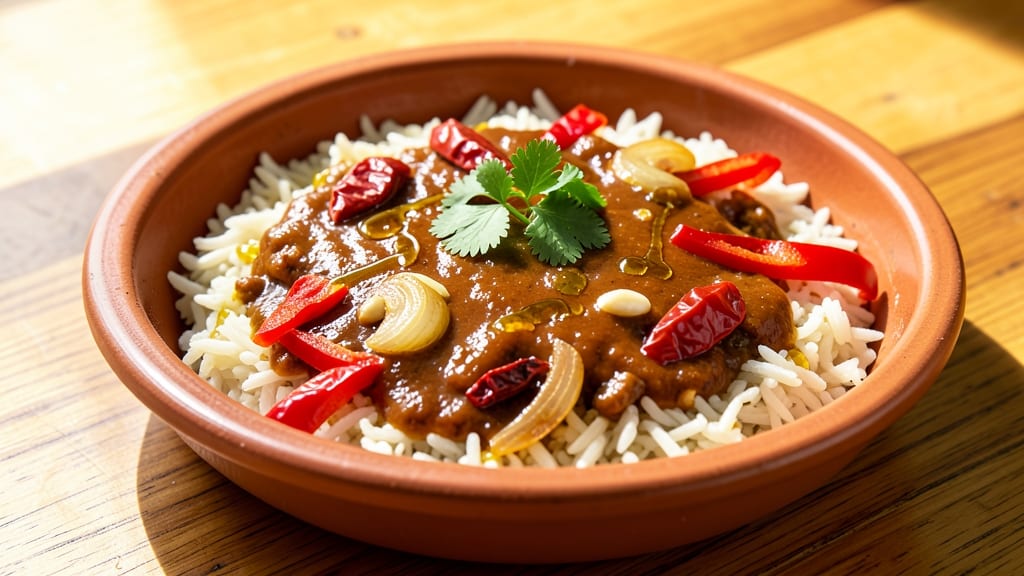
This West African tomato-pepper rice recipe transforms simple ingredients into a bold, aromatic dish that carries the soul of West African cuisine in every bite. The secret lies in the layered flavors—smoky peppers, tangy tomatoes, and fragrant spices—all simmered together with rice until perfectly tender.
I developed this one-pot method after years of testing traditional recipes, ensuring the flavors meld without losing their vibrant edge.
The beauty of this dish is its versatility—it works as a standalone meal with protein like chicken or fish, or as a side that steals the show at any table. The rice absorbs the rich tomato-pepper sauce, creating a dish that’s both hearty and elegant.
What makes it special is the balance of heat, acidity, and earthiness, achieved through precise spice timing and slow cooking at a steady simmer.
By the time you’re done, you’ll have a fragrant, golden-brown rice dish with a sauce so flavorful it coats every grain. The aroma alone will draw everyone to the table, and the first bite delivers a symphony of smoky, tangy, and slightly sweet notes.
This is the kind of recipe that turns a simple weeknight dinner into a celebration of West African tradition.
Serve it with grilled chicken, fried plantains, or as part of a larger spread—this rice is the centerpiece that brings it all together. Let’s get cooking and bring a taste of West Africa to your kitchen.
Ingredients for african rice
The foundation of West African tomato-pepper rice—where smoky peppers and fragrant spices meet tender rice.
| Ingredient | Amount | Notes |
|---|---|---|
| Long-Grain White Rice 🍚 | 1 ½ cups | Uncooked, rinsed thoroughly |
| San Marzano Tomato Paste 🍅 | ½ cup | High-quality, no sugar added |
| Dried Red Bell Peppers 🌶️ | 2 whole | Smoked, seeded and chopped |
| Fresh Red Bell Peppers 🌶️ | 2 whole | Medium, diced |
| Yellow Onion 🧅 | 1 whole | Medium, finely chopped |
| Garlic Cloves 🧄 | 6 cloves | Fresh, minced |
| Scotch Bonnet Peppers 🔥 | 2 whole | Seeded, chopped (adjust for heat) |
| Ground Cumin 🌿 | 1 tbsp | Toasted, freshly ground preferred |
| Ground Coriander 🌿 | 1 tbsp | Freshly ground for best flavor |
| Ground Ginger 🌿 | 1 tsp | Freshly grated preferred |
| Dried Thyme 🌿 | 1 tsp | Or 1 tbsp fresh thyme leaves |
| Bay Leaves 🍃 | 2 whole | Fresh, removed before serving |
| Vegetable Oil 🫒 | ¼ cup | High smoke point preferred |
| Chicken or Vegetable Broth 💧 | 2 cups | Low-sodium preferred |
| Sea Salt 🧂 | 1 ½ tsp | Adjust to taste |
| Black Pepper 🌶️ | ½ tsp | Freshly ground |
The San Marzano tomato paste is non-negotiable for depth—its natural sweetness and vibrant acidity are the heart of this dish. Look for brands like Rao's or Mutti at specialty stores or well-stocked grocery sections, as they offer the richest flavor without additives. For the dried red bell peppers, Penzeys Spices or bulk bins at Whole Foods carry the best smoked varieties. If you can't find Scotch bonnet peppers, habanero works in a pinch, but reduce the amount by half—these peppers are fiery. Fresh thyme is ideal, but dried thyme from a trusted brand like McCormick is fine if you're short on time.
No Scotch bonnet? Jalapeño or serrano peppers add heat without overpowering, though you'll need about three times the quantity for similar spice levels. Substituting tomato sauce for paste? Use 1 cup tomato sauce and add 1 tbsp extra broth to balance the texture. Fresh ginger is worth the effort—ground ginger loses potency quickly, so toast and grind it yourself if possible. For the rice, jasmine or basmati can replace long-grain white, but the texture will differ slightly. The broth can be swapped for coconut milk for a creamier version, though the dish will have a different profile.
This rice keeps beautifully—reheats like a dream with a splash of water or broth. Store in an airtight container for up to 5 days in the fridge, or freeze portions for up to 3 months. The sauce thickens as it cools, so add a splash of broth when reheating. For meal prep, cook an extra batch—it tastes even better the next day as the flavors meld. The dried peppers and spices can be stored in airtight containers for up to 6 months, preserving their potency.
Why You'll Love This Recipe
- One-Pot Magic: I swear by this recipe when I’m too tired to wash pots—just sauté onions, toss in the rice and spices, then let it simmer. The dried bell peppers release their smoky depth right into the pot, so no extra cleanup.
- Smoky-Sweet Bomb: That San Marzano paste? It’s the star. The fresh red peppers add a bright crunch, while the dried ones bring a deep, almost charred heat. Honestly, the first bite makes me forget about takeout.
- Meal Prep MVP: This rice keeps for days in the fridge—better the second day, if you ask me—and reheats like a dream. Pack it for lunch, serve it with grilled chicken, or freeze portions for lazy Sundays. My go-to for busy weeks.
- Budget-Friendly Luxury: Long-grain rice is cheap, tomato paste lasts forever, and bell peppers stretch across multiple meals. Yet it tastes like I spent hours on it—rich, fragrant, and packed with flavor without breaking the bank. (Yes, even on a Tuesday night.)
Step-by-step instructions for West African tomato-pepper rice
This one-pot method delivers bold West African flavors with perfectly balanced rice every time.
Toast the Spices and Build the Base
Heat the 0.25 cup vegetable oil in a heavy-bottomed pot over medium heat. Add the 1 whole yellow onion and cook for 5 minutes until softened and just beginning to color. This develops the onion's natural sweetness without burning.
Add the 6 cloves garlic cloves and stir for 30 seconds until fragrant. Immediately add the 1 tbsp ground cumin, 1 tbsp ground coriander, 1 tsp ground ginger, and 1 tsp dried thyme. Stir constantly for 1 minute until the spices release their aromatic oils and fill your kitchen with warmth. This toasting step is crucial—it prevents raw spice flavors from overpowering the dish.
Add the 0.5 cup San Marzano tomato paste and stir vigorously for 2 minutes to fully incorporate. The paste will darken slightly as it cooks down, forming the rich foundation for your sauce. Here's where the flavor really starts to develop—don't rush this step.
Add Peppers and Broth for Depth
Stir in the 2 whole dried red bell peppers, 2 whole fresh red bell peppers, and 2 whole Scotch bonnet peppers, all chopped as specified. Cook for 3 minutes until the fresh peppers soften and the Scotch bonnet peppers begin to mellow their heat. You'll notice the pot filling with vibrant red liquid—this is the tomato-pepper base transforming into sauce.
Pour in the 2 cups chicken or vegetable broth and bring to a gentle simmer. Add the 2 whole bay leaves and 1.5 tsp sea salt. The broth should just cover the ingredients—if it looks too thin, reduce it slightly over medium-high heat for 2-3 minutes. This concentrated base will carry all the flavors through the cooking process.
Real talk: If you're using Scotch bonnet peppers, taste the mixture now. Adjust the heat by removing seeds or adding more if needed—this is your only chance to control the final spice level before the rice absorbs the flavors.
Cook the Rice to Perfect Texture
Add the 1.5 cups long-grain white rice, spreading it evenly over the sauce. Stir gently to distribute the rice and ensure each grain makes contact with the flavorful liquid. The rice should be fully submerged but not swimming—if needed, add 2-3 tablespoons water. This is the critical balance for fluffy, separate grains.
Bring to a boil, then immediately reduce heat to low. Cover tightly with a lid and simmer for 20 minutes without disturbing. The rice will absorb the liquid gradually, and you'll see steam rising steadily from the sides. This gentle cooking method prevents mushy rice while allowing the flavors to penetrate each grain.
After 20 minutes, check the rice. If it's still firm in the center with a slight bite, cover and cook for another 5-10 minutes. If it's too soft, you've missed the window—this dish doesn't respond well to overcooking. The rice should be tender but still hold its shape when pressed with a fork.
Rest and Fluff for Final Texture
Remove the pot from heat and let it sit covered for 10 minutes. This resting period allows residual heat to finish cooking the rice and redistribute any remaining liquid. Don't skip this—it's what transforms good rice into exceptional rice.
After resting, gently fluff the rice with a fork, being careful not to mash the grains. Remove the bay leaves and stir in the 0.5 tsp black pepper. Taste and adjust seasoning—you may need a pinch more salt to balance the tomato and pepper flavors. The final texture should be distinct grains with a slightly sticky surface from the sauce.
Serve immediately while hot, with the sauce evenly distributed throughout. Each bite should deliver a perfect balance of spicy, smoky, and slightly sweet flavors with tender rice at its core. This dish tastes even better the next day as the flavors meld further, but the texture will be slightly firmer.
Pro Tips For Making African Rice
- Bloom the Peppers First: Toss dried red bell peppers in hot water for 10 minutes before adding them to the pot—this rehydrates them properly so they don’t turn to mush. I used to just toss them in dry, and they’d lose all their smoky depth halfway through cooking.
- Sweat the Onions Low: Cook the onions at medium-low heat until they’re deep golden, not brown—this builds flavor without burning. High heat turns them bitter, and you’ll taste it in every bite of that rich tomato base.
- Toast the Rice Dry: Stir the raw rice in the pot for 2-3 minutes after the onions and peppers until it’s fragrant and slightly translucent. Skipping this step leaves the rice tasting bland, no matter how much seasoning you add later.
- Use Half the Water: African rice is meant to be saucy but not soupy—start with 1.5 cups liquid per cup of rice, then adjust as it cooks. I learned this after overdoing it twice and ending up with a watery mess instead of a flavorful one-pot dish.
Regional styles of this dish
West African Jollof
The Nigerian and Ghanaian take on tomato-pepper rice is what most people think of when they hear "African rice." Jollof Rice uses tomato paste, curry powder, and thyme for its signature golden hue and complex flavor. The key difference?
A longer simmer time (up to 45 minutes) to develop a thick, almost paste-like sauce that clings to each grain. I like to add a pinch of curry powder (about ½ tsp) to the spice blend for that signature Jollof color. 🌶️
For an authentic touch, many West Africans use short-grain parboiled rice (like Uncle Ben's Converted Rice) instead of long-grain. This creates a stickier texture that holds the sauce beautifully. If you can't find it, jasmine rice is a good substitute.
The dish is often cooked with chicken or beef stock for deeper meaty notes, but vegetable broth works just as well for a vegetarian version.
Senegalese Thieboudienne
This national dish of Senegal is a fish and rice masterpiece where the rice is cooked in a fish stock infused with mustard, lemon, and herbs.
The tomato-pepper base is still present, but it’s balanced with a splash of lemon juice (about 2 tbsp) and 1 tsp ground mustard for a tangy kick. The fish—usually red snapper or tilapia—is often steamed separately and served on top of the rice. 🐟
What sets Thieboudienne apart is the layered cooking method: the fish stock is simmered with the rice until the fish is fully cooked, then the rice is fluffed and the fish is placed on top.
For a shortcut, I sometimes use pre-cooked fish fillets (like tilapia) and add them in the last 10 minutes of cooking. The dish is traditionally served with fried plantains or a spicy peanut sauce on the side.
Ghanaian Waakye
Waakye is a rice and beans stew that’s a staple in Ghana, often served with shito (spicy black pepper sauce) or fried plantains. The rice is cooked in a tomato-pepper broth with black-eyed peas or cowpeas, giving it a heartier, protein-packed profile.
The dish is named after the red rice used (though white rice works too), and it’s often cooked in large quantities for family gatherings. 🍛
For Waakye, I add ½ cup black-eyed peas (soaked overnight) to the rice and broth, along with a handful of spinach or collard greens in the last 15 minutes of cooking. The result is a one-pot meal with rice, beans, and greens all infused with the same bold tomato-pepper sauce.
Serve it with shito (a spicy black pepper sauce) and fried dough balls for the full experience.
North African Couscous with Tomato-Pepper
While not rice, North African couscous is a fantastic alternative that still delivers the tomato-pepper flavor profile. The dish uses semolina couscous cooked in a tomato-pepper broth with chickpeas, carrots, and zucchini.
The texture is lighter than rice, but the flavors are just as vibrant. I love adding a pinch of saffron (about ¼ tsp) for a luxurious touch. 🌿
For a quicker version, I use instant couscous (like Barilla) and cook it in the same tomato-pepper broth used for the rice recipe. The couscous absorbs the flavors in just 5 minutes, making it a great weeknight option.
Serve it with grilled lamb or chickpeas for a protein boost. This version is perfect for those who want the tomato-pepper essence without the longer rice-cooking time.
Liberian Fried Rice
Liberian fried rice is a one-pot wonder that’s quick, flavorful, and packed with protein. It’s made with leftover rice (or freshly cooked) stir-fried with tomato paste, peppers, and often canned fish or chicken.
The dish is oilier and more textured than the West African tomato-pepper rice, with a crispy, slightly charred edge from high-heat cooking. 🔥
For this version, I use ½ cup tomato paste and 1 tbsp soy sauce (a Liberian staple) for umami depth. The rice is cooked in a wok or large skillet over high heat, then finished with fried eggs or canned sardines for extra richness.
It’s a great way to use up rice and is often served with fried plantains or collard greens. The dish is less about simmering and more about quick, high-heat cooking for a smoky, aromatic result.
Nutrition facts
Frequently asked questions
What makes this West African tomato-pepper rice different from regular tomato rice?
The key difference lies in the smoky dried peppers and authentic spice blend (cumin, coriander, ginger) that create depth beyond basic tomato rice. The slow simmer allows flavors to meld into each grain, while the Scotch bonnet peppers add heat that's balanced by the tangy tomato base. This version also uses tomato paste instead of sauce for richer flavor development.
Can I substitute the Scotch bonnet peppers with something milder?
Yes! For a milder heat, replace Scotch bonnet with jalapeño or serrano peppers, but use three times the quantity since they're less potent. For no heat at all, omit them entirely and add ½ tsp extra black pepper for depth. The dish will still taste amazing—just with less spice. Always taste the sauce after adding peppers to adjust as needed.
Why does my African rice turn out mushy or dry?
Mushy rice usually means too much liquid or stirring during cooking. For dry rice, you likely used too little broth or didn't rest the rice after cooking. The recipe calls for low heat after boiling—this gentle simmer is crucial. Always use 1.5 cups broth per 1.5 cups rice and let it rest 10 minutes covered after cooking. A heavy-bottomed pot also helps prevent burning.
How can I make this dish vegetarian?
Swap the chicken broth for vegetable broth and add chickpeas or lentils (½ cup) for protein. For extra flavor, stir in 1 tbsp soy sauce with the spices or add smoked paprika (½ tsp) for depth. The tomato-pepper base works beautifully with plant-based proteins—just ensure your broth has enough umami. Serve with avocado or fried plantains for a complete meal.
Can I make this recipe in an Instant Pot or rice cooker?
For the Instant Pot, sauté onions and spices, then add all remaining ingredients (including rice) and cook on high pressure for 8 minutes. Let it naturally release for 10 minutes before opening. For a rice cooker, follow the same steps but use the white rice setting—the rice may need 5-10 extra minutes to absorb the sauce fully. Both methods work well, though the stovetop version gives slightly more control over texture.