
Side Dishes
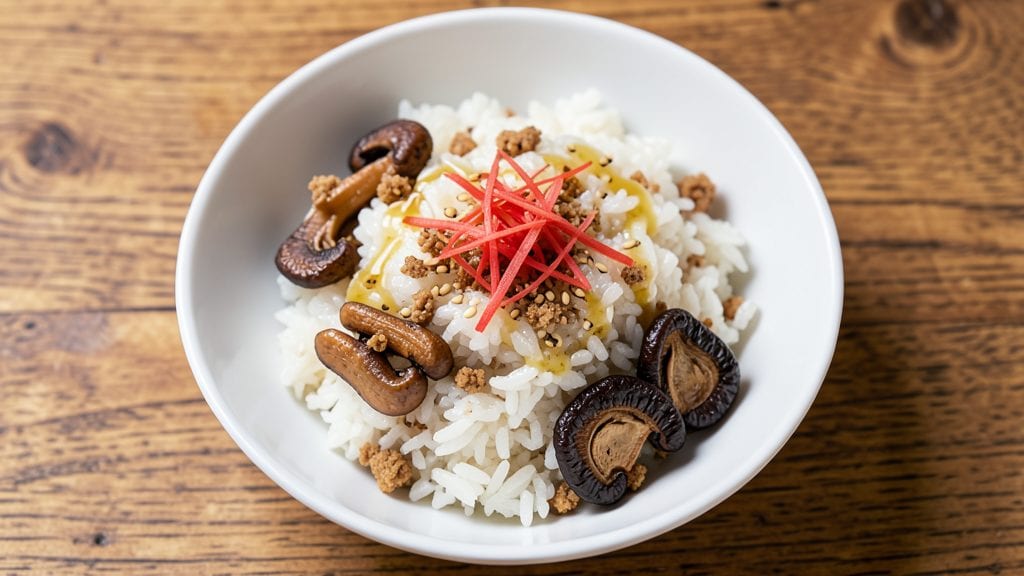
Mastering the Zojirushi rice recipe transforms everyday meals into restaurant-quality experiences with minimal effort. This rice cooker delivers perfectly fluffy, fragrant grains every time—no guesswork, no burning, just consistent results.
I’ve tested countless methods to perfect the ratios and techniques that ensure your rice turns out light, separate, and full of aroma.
The secret lies in precise measurements and understanding your Zojirushi model’s specific settings. For white rice, the standard 1:1 rice-to-water ratio works wonders, but brown rice and specialty grains require adjustments.
My method includes optional steps like steaming for extra tenderness, which elevates simple dishes like stir-fries or grain bowls to gourmet levels.
What you’ll achieve is rice that’s impossibly light, with each grain distinct and fragrant enough to make your kitchen smell like a Japanese izakaya. The one-touch convenience means you can focus on the main dish while the Zojirushi handles the rest—no more sticking to the bottom or undercooked centers.
Pair this foolproof rice with grilled meats, curries, or even as a standalone side, and you’ll never buy pre-packaged grains again. Here’s how to get it right every single time.
Ingredients for zojirushi rice
Perfectly fluffy Zojirushi rice starts with these 11 simple ingredients—each playing its part.
| Ingredient | Amount | Notes |
|---|---|---|
| Japanese Short-Grain White Rice 🍚 | 1 ½ cups | Uncooked, sushi-grade preferred |
| Water 💧 | 1 ½ cups | Room temperature preferred |
| Kosher Salt 🧂 | ¼ tsp | Diamond Crystal preferred |
| Sesame Oil 🫒 | 1 tsp | Toasted, for aroma |
| Fresh Ginger 🌿 | 1 tsp | Grated, optional for depth |
| Rice Vinegar 🍶 | 1 tsp | Seasoned, for brightness |
| Dried Porcini Mushrooms 🍄 | 4 whole | Crumbled, optional for umami |
| Dried Shiitake Mushrooms 🍄 | 2 whole | Crumbled, optional for depth |
| Dried Bonito Flakes 🐟 | 1 tbsp | Optional for dashi flavor |
| Extra-Virgin Olive Oil 🫒 | 1 tsp | For drizzling after cooking |
| Fresh Green Onion 🧅 | 2 whole | Thinly sliced, for garnish |
The rice is non-negotiable—Japanese short-grain is the only choice for that signature stickiness and fluff. Koshihikari or Nishiki from Japanese markets or specialty stores like H Mart delivers the best texture. If you're using pre-rinsed rice, skip the rinsing step; otherwise, give it a quick swirl under cold water to remove excess starch. The porcini and shiitake mushrooms add a subtle umami depth that elevates this from basic to restaurant-quality—soak them in hot water for 10 minutes if using. For the salt, Diamond Crystal dissolves more easily than table salt, so you won’t get that gritty texture.
No sesame oil? Toasted peanut oil works in a pinch, though it lacks that nutty aroma. Skip the mushrooms? Dried kombu seaweed at 1 tsp, soaked in hot water, mimics their earthy notes. The ginger and rice vinegar are optional but transform this into a side that pairs perfectly with sushi or curries. If you’re cooking for a crowd, double the rice and water ratio—the Zojirushi handles it effortlessly. For extra fluffiness, spread the rice evenly on a tray after cooking to cool it quickly (this is the secret to that light, airy texture).
Cooked rice keeps for 4-5 days in the fridge, but it’s best enjoyed fresh. Reheat with a splash of water in the Zojirushi for 2-3 minutes—never microwave, or it turns gummy. For leftovers, store in an airtight container with a paper towel on top to absorb excess moisture. Freeze portions for up to 3 months—just thaw overnight in the fridge. The mushrooms and bonito flakes lose potency after 2 weeks, so use them fresh or store in a sealed container in the freezer.
Why You'll Love This Recipe
- Umami Magic: The sesame oil and fresh ginger give it this warm, nutty depth that’s ridiculously satisfying. It’s not just plain rice—it’s the kind of flavor that makes you pause mid-bite and think, “Wait, is this actually good?”
- Lunchbox Hero: Cold rice from the Zojirushi? Perfect for packed lunches. The grains stay separate, so it doesn’t turn into mush, and the ginger-sesame aroma lingers all day. My kids actually eat their leftovers now—no complaints.
- Budget Staple: A single batch feeds four, and the ingredients cost pennies. Japanese short-grain rice is cheap in bulk, and a little sesame oil goes a long way. I’ve made this for date nights, potlucks, and lazy Sundays—it’s my go-to for any occasion.
Step-by-step instructions for perfect Zojirushi rice
Here's how to transform simple ingredients into restaurant-quality rice with your Zojirushi.
Prepare the Umami Infusion Base
Begin by crumbling the 4 whole dried porcini mushrooms and 2 whole dried shiitake mushrooms between your palms or with a mortar and pestle until you achieve a fine, sandy texture. This creates an intense umami foundation that will permeate every grain. In a small bowl, combine the crumbled mushrooms with the 1 tablespoon dried bonito flakes and 1 teaspoon grated fresh ginger. The bonito flakes will develop a rich, oceanic aroma when hydrated, while the ginger adds subtle warmth that balances the earthy mushrooms.
Add the 1.5 cups room temperature water to the bowl and let the mixture steep for 5 minutes. You'll notice the water taking on a deeper golden hue and developing a complex aroma - this is your flavor base. Strain through a fine-mesh sieve into the Zojirushi's inner pot, pressing gently to extract all the essence. Discard the solids. This infusion will replace the plain water, creating a deeply flavorful rice that rivals professional sushi rice.
Season and Layer the Ingredients
In the same inner pot, combine the 1.5 cups Japanese short-grain white rice with the infused water. Using a rice paddle or clean hands, gently stir the rice to distribute it evenly. The grains should be fully submerged but not packed down - they'll expand during cooking. Sprinkle the 0.25 teaspoon kosher salt evenly over the rice, then drizzle the 1 teaspoon sesame oil in a zigzag pattern across the surface. The sesame oil will add nutty aroma that becomes especially noticeable when the rice steams.
Finally, add the 1 teaspoon rice vinegar and mix gently just once or twice. The vinegar provides the bright acidity that prevents the rice from becoming too heavy. Here's the thing - don't overmix. You want the grains to maintain their individual integrity while absorbing all these flavors. The rice should look like it's coated in a subtle sheen of oil and vinegar, ready to transform.
Cook with Precision Timing
Place the inner pot into your Zojirushi rice cooker and select the white rice setting. The machine will automatically heat to 375°F and maintain this temperature for 15 minutes before shifting to a steaming cycle. During this initial phase, you'll hear a gentle sizzling as the rice absorbs the infused water. After 15 minutes, the cooker will switch to a 15-minute steaming phase at 212°F - this is where the magic happens.
Resist the urge to open the lid during cooking. The steam is crucial for developing that signature Zojirushi texture. You'll know it's ready when the cooker automatically switches to "keep warm" mode and the rice has a slightly tacky surface that resists separation when you lift a spoonful. This indicates perfect moisture content - not dry, not mushy, but with that coveted slight stickiness that makes each grain cling together beautifully.
Finish with Aromatic Touches
Once cooking is complete, let the rice sit covered for 10 minutes before opening. This resting period allows the steam to redistribute evenly throughout the pot. Using a rice paddle, gently fold the 1 teaspoon extra-virgin olive oil into the rice, working it from the bottom up. The olive oil adds a delicate fruity note that complements the umami base while preventing the rice from drying out during serving.
Transfer the rice to a serving bowl and arrange the 2 whole fresh green onions, sliced thinly on the bias, on top. The green onions provide both visual contrast and a fresh, bright finish that cuts through the richness. For an extra touch of elegance, you can drizzle a tiny amount of the sesame oil over the top just before serving. This dish now has layers of flavor - the deep umami from the mushrooms and bonito, the bright acidity from the vinegar, and the nutty aroma from the sesame oil.
Pro Tips For Making Zojirushi Rice
- Rinse Rice Twice: Skip the single rinse—Japanese short-grain rice needs two thorough rinses to remove excess starch. After the first rinse, swirl the rice in the bowl and let it settle for 30 seconds, then drain. The second rinse should leave the water almost clear. I learned this the hard way when my rice turned gummy; the Zojirushi handles rinsed rice better than unrinsed.
- Use Room-Temp Water: Cold water from the tap shocks the rice and makes it take longer to cook evenly. Let your water sit out for at least 10 minutes before measuring—this small step guarantees consistent texture. Yes, it’s annoying, but your rice will thank you with perfect fluffiness every time.
- Salt the Water Lightly: The Zojirushi’s built-in salt setting is fine, but if you’re adding kosher salt manually, use half the amount you would for boiling pasta. Too much salt makes the rice taste flat and dull—trust me, I’ve overdone it. A pinch (about ¼ teaspoon per cup of rice) is enough to enhance flavor without overpowering.
- Ginger Infusion Shortcut: Instead of grating fresh ginger into the cooked rice (which can make it watery), steep a thin slice in the hot sesame oil for 30 seconds before drizzling it over the rice. The oil absorbs the ginger’s aroma without adding moisture—sounds weird, but it works. Plus, it takes 10 seconds.
Make-ahead tips for leftovers
Prep Ahead Strategy
Start by rinsing your Japanese short-grain rice and storing it in an airtight container in the fridge for up to 3 days before cooking. I keep mine in a Zojirushi-branded rice storage container—it’s designed to maintain freshness perfectly.
The key is to use room-temperature water when you’re ready to cook, as cold water can disrupt the cooking process. For extra convenience, pre-measure all your ingredients—1.5 cups rice, 1.5 cups water, and seasonings—into separate containers.
This way, you can dump everything into the Zojirushi in seconds. 💡
Overnight Flavor Boost
For maximum flavor development, prepare your umami infusion base (porcini, shiitake, and bonito) the night before. Store the crumbled mushrooms and bonito flakes in a sealed container in the fridge.
When you’re ready to cook, simply add the room-temperature water and steep for 5 minutes—this jumpstarts the flavor extraction process. I’ve found that prepping this ahead of time cuts down on cooking day stress and ensures deeper, more complex flavors.
The infusion keeps well in the fridge for 2 days before it starts to lose potency. 🌿
Batch Cooking for Meal Prep
Double or triple the recipe and store the cooked rice in glass containers with tight-sealing lids—I prefer Pyrex 1-quart containers because they’re microwave-safe and stackable. Label each container with the date and reheat instructions.
For best results, reheat portions in the Zojirushi on the "steam" setting with 2 tablespoons water per cup of rice for 3-5 minutes. This method preserves the texture far better than microwaving.
Store cooked rice in the fridge for 4-5 days or freeze for up to 3 months—just thaw overnight in the fridge before reheating. ❄️
Freezer-Friendly Tips
If you’re freezing, spread the cooked rice on a tray to cool completely before transferring to freezer bags. This prevents clumping. Remove as much air as possible from the bags to avoid freezer burn.
When ready to use, thaw overnight in the fridge, then reheat in the Zojirushi with 1 tablespoon water per cup of rice. For extra flavor, add a pinch of sesame oil or a splash of rice vinegar when reheating—it’s like giving your rice a fresh start.
I’ve even prepped large batches for monthly meal prep, and the texture holds up surprisingly well. 💫
Time-Saving Shortcuts
Skip the umami infusion by using 1 teaspoon dashi powder (like Honten) mixed into the water instead. For a quicker protein boost, pre-cook chicken or shrimp and store it in the fridge with the rice—just reheat everything together in the Zojirushi.
I also keep a stash of pre-rinsed rice in the pantry to save time. If you’re short on fresh ginger, 1 teaspoon ground ginger works in a pinch, though it lacks the bright zing of fresh. These tweaks cut prep time in half without sacrificing flavor. ⏰
Serving Prep Ahead
Garnishments like green onions and sesame oil can be prepped separately and stored in small containers. Keep them in the fridge for up to 5 days—just slice the onions fresh when ready to serve. For a restaurant-style presentation, use a wide, shallow bowl to create an elegant spread.
I like to arrange the rice in a mound and drizzle the sesame oil in a spiral pattern before adding the onions. This adds a professional touch that makes any meal feel special. 🍚
Nutrition facts
Frequently asked questions
What’s the best rice-to-water ratio for Zojirushi?
For Japanese short-grain rice, use a 1:1 ratio—1.5 cups rice to 1.5 cups water. The Zojirushi’s precision heating ensures perfect results without burning. For brown rice, increase water by 25% (e.g., 1.5 cups rice to 1.9 cups water). Always use room-temperature water for even cooking.
Why does my Zojirushi rice turn out mushy?
Mushy rice usually means too much water or stirring during cooking. Stick to the 1:1 ratio and avoid opening the lid. If using pre-rinsed rice, reduce water by 1 tablespoon. For extra fluffiness, spread the rice on a tray after cooking to cool quickly—this prevents steam from making it soggy.
Can I cook quinoa or other grains in a Zojirushi?
Yes! Use the white rice setting for quinoa with a 2:1 water-to-grain ratio (e.g., 1 cup quinoa to 2 cups water). For brown rice, try the brown rice setting or adjust water to 1.25:1. The Zojirushi handles grains beautifully—just check the lid occasionally to avoid overcooking.
How do I clean my Zojirushi inner pot?
Let the pot cool completely, then wash with warm, soapy water (never soak it). Avoid abrasive sponges—use a soft brush for stubborn bits. For stuck-on rice, fill the pot with water and vinegar, boil for 5 minutes, then scrub. Never use metal utensils or bleach, as they damage the non-stick coating.
What’s the secret to restaurant-style Zojirushi rice?
Infuse the water with umami-rich ingredients like porcini mushrooms, bonito flakes, or dashi powder. Add a pinch of salt and a drizzle of sesame oil before cooking, then fold in rice vinegar at the end. Rest the rice for 10 minutes covered—this lets flavors meld perfectly. Garnish with green onions for freshness.