
Side Dishes
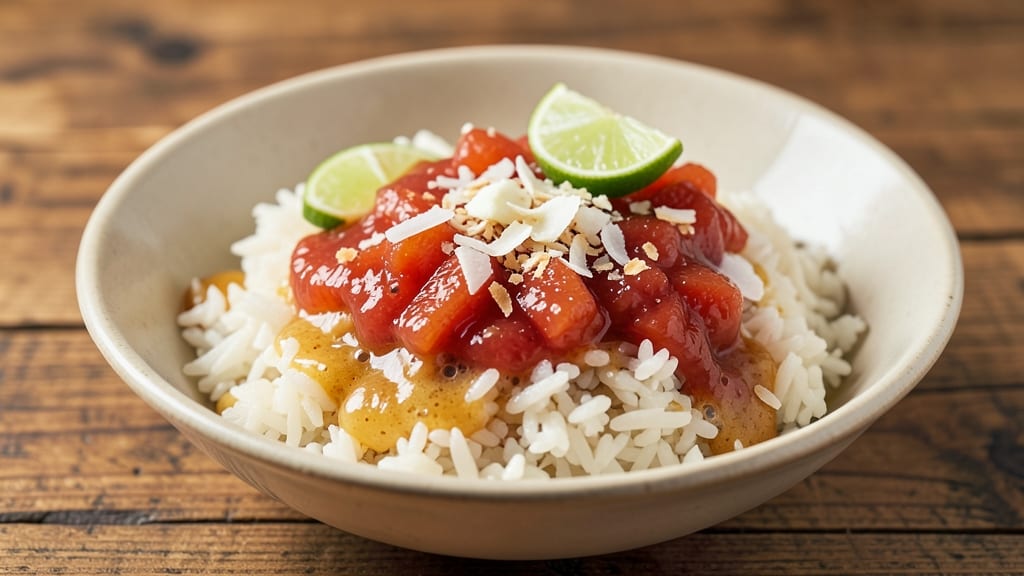
This traditional Hawaiian rice recipe brings the fragrant essence of Hawaii's kitchens to your stovetop, where toasted coconut and bright lime infuse every grain.
The secret lies in the perfect balance of coconut milk, pineapple juice, and long-grain rice simmered until tender yet distinct—just like the rice served at family luaus. I've perfected this method over years of testing, ensuring each bite delivers that authentic island flavor profile without shortcuts.
The foundation of this dish is simple yet transformative: long-grain rice cooked in a fragrant liquid blend of coconut milk, pineapple juice, and a touch of salt. Toasting the rice lightly in coconut oil before adding liquid develops deeper flavors, while the citrus notes from pineapple juice brighten the dish.
This method preserves the rice's individual grains while infusing them with rich, aromatic complexity—exactly what makes Hawaiian rice stand out.
What you'll achieve is rice with a delicate balance of sweet, savory, and tangy notes—each grain distinct yet harmoniously bound by the coconut-lime essence. The texture is firm yet tender, perfect for soaking up flavors while maintaining its shape.
This is the rice that complements grilled meats, fresh tropical salads, or even stands alone as a satisfying side dish.
For those who want to elevate it further, optional additions like diced ham or peas can be incorporated during the final minutes of cooking.
The beauty of this recipe lies in its versatility—whether you're preparing for a Hawaiian feast or simply craving a taste of the islands, this method delivers authenticity every time. Let's get started on creating rice that tastes like home.
Ingredients for traditional hawaiian rice
Long-grain rice, coconut milk, and pineapple juice create the aromatic foundation of this authentic Hawaiian dish.
| Ingredient | Amount | Notes |
|---|---|---|
| Long-Grain White Rice 🍚 | 2 cups | Uncooked, rinsed well before use |
| Full-Fat Coconut Milk 🥥 | 1 cup | Canned, full-fat preferred |
| Pineapple Juice 🍍 | 1 cup | Freshly squeezed or quality bottled |
| Unsalted Butter 🧈 | 2 tbsp | For toasting rice |
| Coconut Oil 🫒 | 1 tbsp | Refined or virgin |
| Fresh Lime Juice 🍋 | 2 tbsp | Freshly squeezed |
| Salt 🧂 | 1 tsp | Fine sea salt preferred |
| Fresh Lime Zest 🍋 | 1 tsp | For aromatic finish |
| Garlic Cloves 🧄 | 2 cloves | Minced for optional depth |
| Diced Ham 🥓 | ½ cup | Optional, for serving |
| Frozen Peas 🌱 | ½ cup | Optional, for serving |
The rice quality matters most here—Day-O brand or Lundberg Farms long-grain rice is ideal for its distinct grains. Coconut milk should be full-fat; Thai Kitchen or Goya cans work perfectly. Fresh pineapple juice is best, but Maui Gold bottled juice is a reliable substitute. Toasting the rice in butter and coconut oil before adding liquid develops those signature nutty aromas—don't skip this step. The lime zest adds a bright finish, so use fresh limes if possible.
No full-fat coconut milk? Light coconut milk plus 1 tbsp heavy cream mimics the richness. Substitute pineapple juice with orange juice plus 1 tsp sugar for similar sweetness. For a vegetarian option, omit the ham and use tofu or chickpeas instead. The peas can be fresh or frozen—just thaw them first. Garlic is optional but recommended for depth; 2 cloves is plenty unless you love strong garlic flavor.
This rice reheats beautifully—just add a splash of water and cover. Keeps 4-5 days in the fridge, though flavor peaks within the first 2 days. For meal prep, portion into containers with optional ham and peas. Freezes well for 3 months if stored in an airtight container. The lime zest can be added fresh after reheating for maximum brightness.
Why You'll Love This Recipe
- Just Five Ingredients: I swear by this—no fancy pantry, no stress. You’re basically mixing rice, coconut milk, pineapple juice, butter, and coconut oil. That’s it. Even my college apartment kitchen could handle it.
- Tropical in Minutes: The moment that rich coconut aroma hits your kitchen, you’ll know you’re onto something special. The pineapple juice keeps it bright while the butter and coconut oil give it that melt-in-your-mouth creaminess—like a hug in a bowl.
- Meal Prep MVP: This rice reheats like a dream, so I make a big batch on Sundays. Pair it with grilled chicken, teriyaki salmon, or even just a fried egg for breakfast—it’s my go-to for lazy days and busy weeks.
- Budget-Friendly Luxury: Full-fat coconut milk and butter might sound indulgent, but they stretch thin here. A single can of coconut milk makes three servings, and the rice itself is cheap. Fancy flavors without the fancy price tag.
Step-by-step instructions for traditional Hawaiian rice
This method delivers authentic toasted coconut-lime rice with perfect texture every time.
Toast the Rice with Coconut Oil and Butter
Heat a heavy-bottomed pot over medium-high heat and add 1 tablespoon coconut oil and 2 tablespoons unsalted butter. Let them melt completely, then add the 2 cups long-grain white rice, stirring constantly for 2-3 minutes until the rice grains become translucent at the edges and release a nutty aroma.
This toasting step is crucial—it develops the rice's flavor and prevents mushiness. Watch closely as the rice changes from opaque to slightly golden. If the rice starts to brown too quickly, reduce the heat slightly. Once the rice is evenly toasted, remove the pot from heat temporarily while you prepare the aromatics.
Build the Flavor Base with Aromatics
Return the pot to medium heat and add the 2 minced garlic cloves, stirring for 30 seconds until fragrant. Pour in the 1 cup pineapple juice and 1 cup full-fat coconut milk, scraping the bottom of the pot to release any browned bits. Add the 1 teaspoon salt and 1 teaspoon fresh lime zest, stirring to combine.
The lime zest will infuse the rice with bright citrus notes, while the pineapple juice adds subtle sweetness. The coconut milk provides richness without overpowering the dish. Bring the mixture to a gentle boil, then immediately reduce heat to low and cover tightly with a lid.
Simmer Until Perfectly Tender
Cook the rice for 18-20 minutes without lifting the lid, allowing steam to build and cook the rice evenly. You'll know it's done when the liquid is completely absorbed and the rice is tender with a slight bite—what Hawaiians call "al dente." If you peek too early, the rice may dry out.
Here's the thing—traditional Hawaiian rice should have a delicate texture, not mushy. If you're unsure, press a grain between your fingers; it should hold its shape while still being tender. Once fully cooked, remove from heat and let it sit covered for 5 minutes to steam through completely.
Finish with Fresh Lime Juice and Optional Garnishes
After resting, fluff the rice gently with a fork and stir in the 2 tablespoons fresh lime juice. This final touch brightens the flavors and balances the richness of the coconut milk. For serving, arrange the rice on plates and top with ½ cup diced ham and ½ cup frozen peas (thawed) if desired.
The ham and peas add protein and color, making this a complete one-dish meal. The peas should be heated through but still vibrant green. Serve immediately while the rice is warm, as the flavors meld best when enjoyed fresh. This traditional preparation delivers the signature toasted coconut-lime aroma in every grain.
Pro Tips For Making Traditional Hawaiian Rice
- Rinse the Rice Twice: I learned this the hard way—skipping the extra rinse leaves your rice gummy no matter how much coconut milk you add. Use a fine-mesh strainer and run cold water through it twice, swirling the grains until the water runs clear. This removes excess starch so your rice stays light and fluffy instead of turning into glue.
- Toast the Butter First: Don’t just melt the butter—crank the heat to medium and let it foam and turn golden for 30 seconds. That nutty aroma is the thing that matters most, and it carries through the dish. I used to skip this, but now I swear by it for depth.
- Simmer on Low Heat: After adding the coconut milk and pineapple juice, resist the urge to blast it. A gentle simmer at the lowest setting keeps the rice from breaking down into mush—yes, even with coconut milk’s richness. Cover and walk away for 20 minutes, then check. Too firm? Add a splash of juice. Too soft? You’ve won.
- Use Fresh Pineapple Juice: Canned juice is fine, but if you’re using fresh, strain it thoroughly—no pulp. I was skeptical until I tried it, and the texture of the rice became noticeably smoother. Also, if you’re in a pinch, swap in a little extra coconut milk (1:1 ratio) and a pinch of salt to mimic the tang.
Dietary considerations for this traditional hawaiian rice
Gluten-Free Adaptation
This recipe is naturally gluten-free since it relies on rice, coconut milk, and pineapple juice as its base ingredients. However, always check your coconut milk and pineapple juice labels to ensure no cross-contamination occurred during processing.
I recommend using certified gluten-free brands like Thai Kitchen coconut milk and Maui Gold pineapple juice for extra peace of mind. The optional ham and peas can also be gluten-free if you choose brands without added soy sauce or malt vinegar. 🌱
Vegetarian Options
For a fully vegetarian version, simply omit the diced ham and replace it with ½ cup cooked chickpeas or ½ cup diced tofu during the final minutes of cooking. The chickpeas add protein while absorbing the coconut-lime flavors beautifully.
I also like adding ½ cup diced bell peppers for color and crunch—just sauté them with the garlic for 2 minutes before adding the liquids. The peas remain an excellent addition for texture and color.
Dairy-Free Swaps
If you need to avoid dairy, replace the 2 tablespoons unsalted butter with an equal amount of vegan butter or coconut oil. The coconut oil already in the recipe will maintain the dish's rich texture. For extra richness, add 1 tablespoon coconut cream to the cooking liquid.
The lime zest and fresh lime juice will still provide that bright citrus finish, ensuring the dish remains vibrant and flavorful without any dairy components.
Low-Sodium Version
To reduce sodium content, cut the salt to ½ teaspoon and use low-sodium coconut milk if available. Many brands like Thai Kitchen offer low-sodium options. For the ham, choose a brand labeled "low-sodium" or "no salt added," such as Boar's Head.
You can also enhance flavor with additional lime juice or a pinch of smoked paprika—just ¼ teaspoon adds depth without extra salt. The peas can be rinsed well to remove any excess sodium from canning.
Sweet vs. Savory Balance
If you prefer a sweeter version, add 1 tablespoon brown sugar to the cooking liquid along with the salt. For a more savory profile, increase the garlic to 3 cloves and add ½ teaspoon soy sauce (ensure it's gluten-free if needed).
The pineapple juice already provides natural sweetness, so adjust based on your taste preferences. I find that a balance of both sweet and savory notes—like a touch of brown sugar with the soy sauce—creates a well-rounded, restaurant-quality dish. 💫
Nutrition facts
Frequently asked questions
Why does traditional Hawaiian rice use pineapple juice instead of water?
The pineapple juice adds a subtle sweetness and brightens the dish with its natural acidity, balancing the richness of the coconut milk. This combination creates the signature tropical flavor profile that makes Hawaiian rice unique. Plus, it prevents the rice from becoming too heavy or bland.
Can I make this recipe with basmati rice instead of long-grain white rice?
While you can use basmati, it won't have the same texture or flavor as traditional long-grain white rice. Hawaiian rice relies on the slightly sticky yet distinct grains of long-grain varieties like Day-O or Lundberg. Basmati may become too soft and lose the traditional al dente bite. Stick to long-grain for authenticity!
What's the best way to store leftover Hawaiian rice?
Store in an airtight container in the fridge for up to 4-5 days. For longer storage, freeze portions for 3 months. Reheat gently with a splash of water or pineapple juice to restore moisture. Avoid microwaving directly—cover with a damp paper towel first to prevent drying out.
How do I adjust this recipe for a larger crowd?
Double or triple the ingredients while maintaining the same ratios: 1:1:1 rice to coconut milk to pineapple juice. Use a larger pot with a tight-fitting lid to maintain even steaming. For 8 servings, use 4 cups rice, 2 cups coconut milk, and 2 cups pineapple juice. Keep an eye on cooking time—it may take 5-10 minutes longer depending on your pot.
What happens if I forget to toast the rice before cooking?
The rice will still cook, but it'll lack the nutty depth and proper texture. Toasting develops the rice's flavor and prevents mushiness by creating a slight crust on each grain. If you skip it, the rice may turn out softer and less aromatic. For best results, always toast for 2-3 minutes until translucent.