
Side Dishes
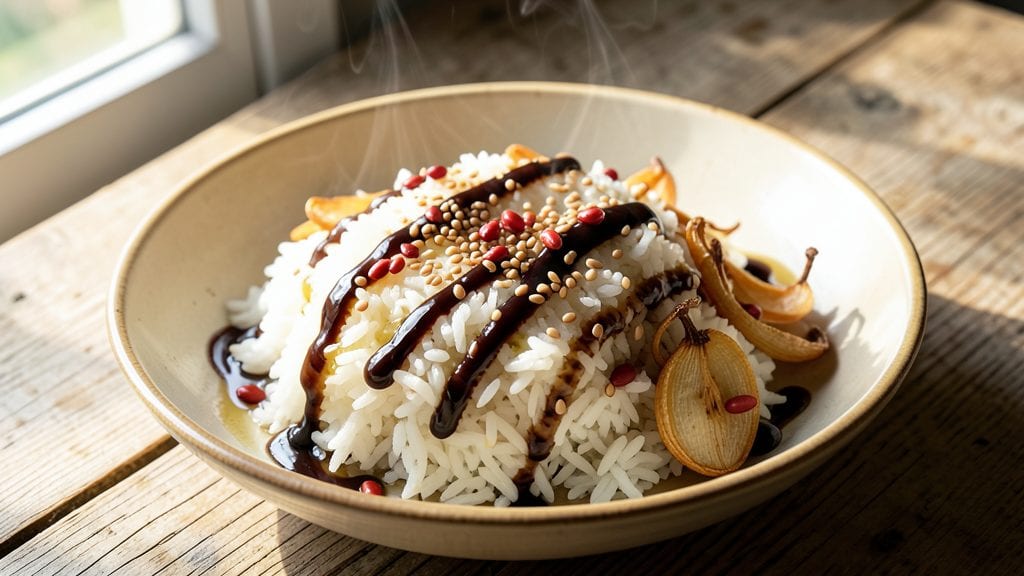
This sesame rice recipe delivers restaurant-quality nutty aroma and toasted crunch in just 15 minutes—perfect for elevating any meal from ordinary to extraordinary. The secret lies in perfectly timing the sesame seed toasting while keeping the rice fluffy and flavorful.
I developed this method after years of testing different sesame rice variations, and it consistently delivers that irresistible crunch without sacrificing texture.
What makes this recipe truly special is its versatility—whether you're serving it as a side for stir-fry, a base for rice bowls, or a standalone dish, the nutty sesame flavor transforms simple white rice into something sophisticated.
The process is straightforward but precise: cook the rice to perfection, then finish it with toasted sesame seeds and a touch of sesame oil for that signature aroma. No special equipment is needed—just a few pantry staples and 15 minutes of focused attention.
The result is a dish that's golden, aromatic, and packed with texture—crisp sesame seeds contrast beautifully with tender rice grains. The nutty flavor profile works equally well with savory proteins or fresh vegetables, making it a blank canvas for any meal.
This isn't just another side dish; it's the kind of recipe that turns everyday dinners into memorable experiences. Let's get started on creating this flavor-packed staple.
Once you master this technique, you'll find endless ways to adapt it—try adding soy sauce for umami depth, a sprinkle of furikake for extra seasoning, or even a drizzle of chili oil for heat. The possibilities are limited only by your imagination. Here's everything you need to make it happen.
Ingredients for sesame rice
Just 11 ingredients—simple but transformative—for restaurant-style sesame rice in minutes.
| Ingredient | Amount | Notes |
|---|---|---|
| Long-Grain White Rice 🍚 | 1 cup | Uncooked, jasmine or basmati preferred |
| Water 💧 | 1 ½ cups | Room temperature preferred |
| White Sesame Seeds 🥜 | ¼ cup | Toasted until golden brown |
| Toasted Sesame Oil 🫒 | 1 tbsp | High-quality, nutty aroma |
| Soy Sauce 🍜 | 1 tbsp | Light or dark preferred |
| Rice Vinegar 🍶 | ½ tbsp | White or seasoned |
| Granulated Sugar 🍚 | ½ tsp | Balances flavors |
| Salt 🧂 | ¼ tsp | Diamond Crystal preferred |
| Garlic Cloves 🧄 | 1 clove | Minced, optional for depth |
| Green Onions 🧅 | 2 whole | Thinly sliced, for garnish |
| Vegetable Oil 🫒 | 1 tbsp | For toasting sesame seeds |
The rice is your foundation, so jasmine or basmati is worth the splurge—their floral notes play perfectly with sesame. Trader Joe's and Whole Foods carry great bulk options, but any long-grain rice works in a pinch. Sesame seeds? White over black for classic flavor here—Penzeys has the best toasted variety, but grocery store brands are fine if they're fresh. Toast them yourself in a dry pan over medium heat until golden—3-4 minutes—or buy pre-toasted if you're short on time (though homemade is always better).
No sesame oil? Toasted sesame seeds + 1 tbsp neutral oil mimic the flavor, though it won't be as aromatic. Sub soy sauce for tamari if you're gluten-free, and swap rice vinegar for apple cider vinegar if that's what's on hand. The sugar balances the saltiness—honey or maple syrup works too, but sugar dissolves cleaner. Garlic is optional but adds depth; skip it if you're serving with strong flavors like teriyaki or miso. Green onions? Fresh is best, but dried works at half the amount if you're in a bind.
Toasted sesame seeds lose their crunch fast, so store them in an airtight container in a cool, dark place—up to 2 weeks. Sesame oil keeps for 6-12 months unopened, but once opened, refrigerate and use within 3 months. The cooked rice reheats beautifully—just add a splash of water and microwave for 1-2 minutes. For extra fluffiness, spread it on a tray before reheating. This makes 4 servings, but I always double it—leftover sesame rice is perfect for fried rice the next day.
Why You'll Love This Recipe
- I’ll be real: this recipe costs me pennies per serving, and it stretches for days. The rice absorbs the soy sauce perfectly, so a little goes a long way, and those sesame seeds? A tiny bag lasts forever. It’s the kind of dish that makes grocery shopping feel like a win.
- Five-Ingredient Magic: I swear, this is the kind of dish where you measure, rinse, and forget—until the aroma hits. That first whiff of toasted sesame oil and soy sauce simmering with rice? It’s like a flavor shortcut I didn’t know I needed.
- Nutty Crunch Payoff: Between us, the sesame seeds are the MVP here. They’re toasted just enough to get that golden crunch, then scattered over warm rice where they cling like little flavor bombs. Add a drizzle of sesame oil, and suddenly, plain rice feels like a gourmet upgrade.
- Lunchbox Hero: Honestly, this is my go-to for packed lunches or quick dinners. The rice stays firm all day, and the sesame seeds keep it from getting soggy. Toss in some leftover chicken or veggies, and you’ve got a meal that’s basically a hug in a container.
Step-by-step instructions for sesame rice
This method delivers perfectly balanced rice with nutty crunch and aromatic depth every time.
Toast the Sesame Seeds to Perfection
Heat the 1 tablespoon vegetable oil in a dry skillet over medium heat. Add the ¼ cup white sesame seeds and stir constantly for 3-4 minutes until they turn a rich golden brown and release their nutty aroma. This toasting step is crucial—it deepens the flavor and prevents bitterness in the finished rice.
Watch the seeds carefully—they go from pale to toasted in seconds. Remove them immediately when golden and set aside on a paper towel. Don't walk away; they'll continue cooking and burn if unattended. The toasted seeds will become the star of your sesame rice, adding texture and aroma at every bite.
Cook the Rice with Aromatics
In the same skillet (no need to clean it—those flavorful bits matter), add the 1 clove minced garlic cloves and cook for 30 seconds until fragrant. Add the 1 cup long-grain white rice and stir to coat in the garlic oil for 1 minute, allowing the grains to absorb the flavor.
Pour in the 1½ cups water and bring to a boil. Once boiling, reduce heat to low, cover tightly with a lid, and simmer for 15 minutes. Don't peek! Every time you lift the lid, you release steam and extend cooking time. The rice is done when all the water is absorbed and the grains are tender but still slightly firm to the bite.
Season and Finish the Rice
Remove the rice from heat and let it sit covered for 5 minutes. This resting period allows the steam to redistribute and the grains to finish cooking evenly. In a small bowl, whisk together the 1 tablespoon toasted sesame oil, 1 tablespoon soy sauce, ½ tablespoon rice vinegar, ½ teaspoon granulated sugar, and ¼ teaspoon salt.
Gently fold the seasoning mixture into the warm rice using a wooden spoon or spatula. The rice should glisten slightly from the sesame oil. Add the toasted sesame seeds and 2 whole thinly sliced green onions, tossing just until evenly distributed. The contrast of warm rice, nutty seeds, and fresh green onions creates the perfect balance of textures and flavors.
Garnish and Serve Immediately
Transfer the sesame rice to a serving bowl or platter. Garnish with an additional sprinkle of toasted sesame seeds and thin green onion slices for visual appeal and extra flavor. The rice should be warm, fragrant, and slightly sticky with visible sesame seeds throughout.
Serve immediately alongside grilled proteins, stir-fried vegetables, or as a standalone rice bowl. The nutty crunch from the toasted sesame seeds and aromatic depth from the sesame oil will elevate any dish. For best results, eat within 30 minutes while the rice maintains its perfect texture and temperature.
Pro Tips For Making Sesame Rice
- Rinse Rice Thoroughly: I learned this the hard way—skipping the rinse leaves your rice gummy and clumpy. Swirl the rice in a fine-mesh strainer under cold water for 30 seconds, then drain. Repeat until the water runs clear. This removes excess starch, which is the thing that matters most for that light, individual-grain texture.
- Toast Sesame Seeds Dry: Sounds weird, but it works: dry-toast your white sesame seeds in a small skillet over medium-low heat for 2-3 minutes, shaking the pan constantly. They’ll smell nutty and turn a deeper gold. This prevents them from turning bitter and ensures they pop with flavor when mixed in later.
- Use Less Water: The rice-to-water ratio is non-negotiable here—stick to 1:1.25 (1 cup rice to 1.25 cups water). After cooking, spread the rice on a tray to dry for 5 minutes before mixing in the sesame oil and soy sauce. This keeps the grains crisp and prevents a soggy mess.
- Finish with Oil Last: My grandmother swore by this, and she was right: after cooking and draining the rice, let it cool slightly, then fold in the toasted sesame oil and soy sauce off the heat. The residual steam helps the oil and soy sauce cling to every grain—no dry, flavorless spots here.
Essential equipment for great sesame rice
Skillet Essentials
Your 10-inch nonstick skillet is the MVP here—I use a Made In stainless steel with a nonstick interior because it distributes heat evenly and prevents sticking during the sesame seed toasting.
If you don’t have nonstick, a well-seasoned cast iron (like Lodge) works too, but you’ll need to oil it generously to prevent seeds from burning. The skillet’s size matters: too small, and the seeds won’t toast evenly; too large, and the heat disperses, making toasting inconsistent. 🔥
Toasted Sesame Seed Tools
For perfect sesame seeds, grab a small metal spoon (like a fish spatula) to stir constantly—plastic melts under high heat. A wire mesh strainer helps drain excess oil after toasting, but a fine-mesh sieve works too.
Pro tip: Toast seeds in small batches if you’re making extra—overcrowding the pan steams them instead of toasting. I keep a small bowl nearby to transfer seeds immediately to a paper towel-lined plate to stop cooking.
Rice Cooking Gear
A tight-fitting lid is non-negotiable—glass or metal, but avoid plastic (it warps with steam). For measuring rice, a medicine cup ensures precision (rice expands, so don’t eyeball it!). A wooden spoon is ideal for folding in seasonings—its texture won’t scratch your skillet like metal.
If you’re nervous about timing, a digital rice cooker (like Zojirushi) takes the guesswork out of cooking rice perfectly every time. ⏱️
Seasoning Mixers
Whisk your seasoning blend in a small ramekin or shot glass—it’s the perfect size for the 1 tablespoon sesame oil, 1 tablespoon soy sauce, and other ingredients. A microplane is handy for mincing garlic quickly, but a chef’s knife works fine.
For measuring tiny amounts like ½ teaspoon sugar, a spice scoop (like OXO’s) is more accurate than a teaspoon. Keep a small bowl of cold water nearby to rinse your whisk between uses if you’re multitasking.
Garnish & Serve
Thinly slice green onions with a sharp chef’s knife—hold the root end steady and rock the blade for even slices. A small offset spatula helps transfer rice to serving dishes without crushing grains.
For plating, a wide, shallow bowl (like Corelle’s stoneware) showcases the sesame seeds beautifully. If you’re serving family-style, a large platter with a tongs makes it easy to pass around. 💫
Nutrition facts
Frequently asked questions
Can I use brown rice or other varieties instead of white rice?
While this recipe is designed for white rice (jasmine or basmati), you can absolutely use brown rice—but expect a longer cooking time (30-40 minutes) and firmer texture. For best results, rinse brown rice thoroughly first and use 1.75 cups water per cup of rice. The nutty flavor will complement the sesame beautifully, but the texture will be chewier. Avoid sticky rice varieties like sushi rice—they absorb too much liquid and won't hold the sesame seeds well.
How do I prevent the sesame seeds from burning?
Watch the heat closely—medium-low to medium heat is key. Stir constantly with a metal spoon and remove seeds immediately when they turn golden brown (3-4 minutes max). Overcrowding the pan also causes uneven toasting. For extra insurance, toast seeds in small batches (2 tbsp at a time) rather than all at once. If they start to smoke, remove from heat immediately and transfer to a plate.
Can I make this sesame rice ahead of time?
Yes, but with a few adjustments. Cook the rice completely, then spread it on a tray to cool quickly. Store in an airtight container in the fridge for up to 3 days. Reheat gently with a splash of water (microwave 1-2 minutes) and toast fresh sesame seeds before serving. For best texture, add sesame oil and seeds just before eating—this preserves that signature crunch. The flavors actually improve overnight!
What's the best way to store leftover sesame rice?
Keep it in an airtight container in the fridge for 3-4 days or freeze for up to 2 months. For freezing, spread rice on a tray first to prevent clumping, then transfer to a bag. Thaw overnight in the fridge before reheating. The sesame seeds will lose some crunch when reheated, so add fresh toasted seeds when serving. This makes great fried rice the next day—just add a little oil and veggies!
Can I make this gluten-free?
Simply replace the soy sauce with tamari or coconut aminos. Check that your rice vinegar is gluten-free (some contain wheat), and verify your sesame oil and seeds are processed in a gluten-free facility. The rest of the ingredients are naturally gluten-free. The flavor profile remains rich and nutty—just as satisfying! For extra umami, add a pinch of nutritional yeast when mixing the seasoning.