
Side Dishes
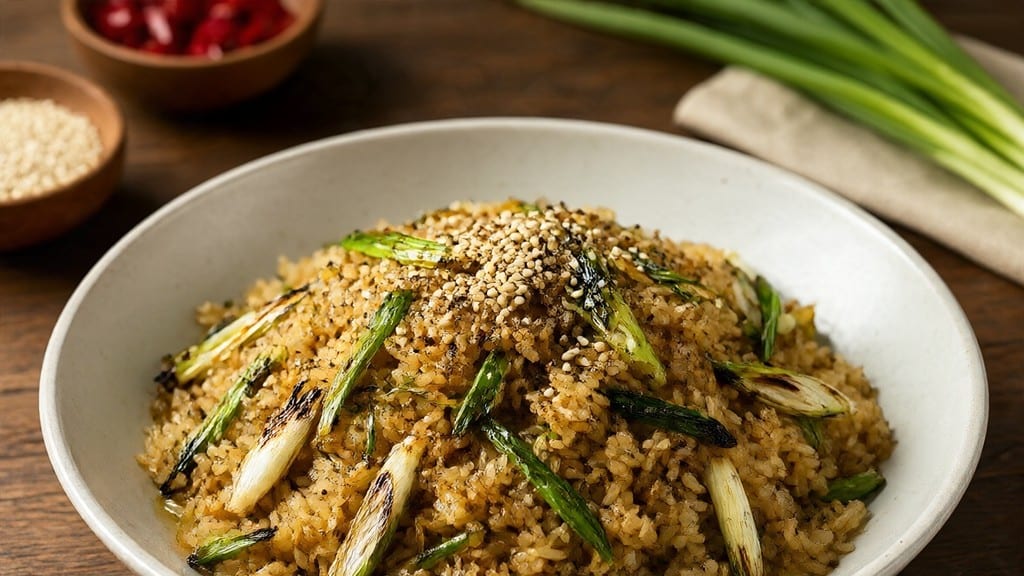
This scallion rice recipe transforms simple ingredients into a fragrant, golden dish that elevates any meal. The key lies in perfectly toasting the rice until it develops a nutty aroma and crisp edges, then finishing with bright green onions that add freshness with every bite.
I’ve refined this method over years of testing—balancing texture and flavor to create a side that’s both comforting and impressive.
What makes this recipe stand out is its versatility—serve it as a standalone dish or pair it with grilled meats, roasted vegetables, or fried eggs for a complete meal. The process is straightforward: toast the rice, stir in the scallions, and finish with a touch of sesame oil for depth.
In just 15 minutes, you’ll have a dish that tastes like it took hours to prepare, proving that simplicity can deliver restaurant-quality results.
Ingredients for scallion rice
Nine simple ingredients create restaurant-quality scallion rice with nutty toasted rice and vibrant green onions.
| Ingredient | Amount | Notes |
|---|---|---|
| Jasmine Rice 🍚 | 1 ½ cups | Uncooked, long-grain preferred |
| Green Onions (Scallions) 🧅 | 1 ½ cups | Fresh, sliced into 1-inch pieces |
| Sesame Oil 🫒 | 1 tbsp | Toasted for aroma, not cooking oil |
| Vegetable Oil 🫒 | 1 tbsp | Neutral, high smoke point |
| Salt 🧂 | ½ tsp | Kosher or sea salt preferred |
| Black Pepper 🌶️ | ¼ tsp | Freshly ground for best flavor |
| Garlic Cloves 🧄 | 2 cloves | Minced, optional for depth |
| Sesame Seeds 🌰 | 1 tbsp | Toasted, for garnish |
| White Pepper 🌶️ | ¼ tsp | Optional, for subtle warmth |
| Butter 🧈 | 1 tbsp | Unsalted, for finishing |
The rice is the foundation—jasmine rice delivers that fragrant aroma, but long-grain white works too. Buy it in bulk from Costco or Trader Joe's for the best price and freshness. Look for bags labeled '100% pure' to avoid filler. For the scallions, farmers markets often have fresher, brighter green onions than grocery stores. If using dried, soak them in warm water for 10 minutes to revive. The garlic cloves should be firm and free of sprouts—peeled and minced just before cooking to preserve flavor.
No sesame oil? Toasted vegetable oil works in a pinch, though the flavor won’t be as complex. Substitute toasted sesame seeds for the seeds—just toast them in a dry pan until golden. Running short on butter? Olive oil or avocado oil finishes the dish, though butter adds richness. For a nutty depth, swap in toasted peanuts or cashews instead of sesame seeds. The black pepper should be freshly ground—pre-ground loses potency quickly. If you prefer a milder taste, reduce to ¼ tsp and add extra white pepper for warmth.
Store cooked scallion rice in an airtight container for up to 4 days in the fridge. For longer storage, freeze portions for up to 3 months—reheat gently in a skillet with a splash of water. To keep the rice crisp, spread it on a baking sheet and dry in the oven at 300°F for 10 minutes before storing. This dish reheats beautifully—microwave with a damp paper towel for even moisture. Garnish with extra sesame seeds or green onions before serving for maximum freshness.
Why You'll Love This Recipe
- No-Chop Necessary: I swear by this trick—just slice the scallions in half and leave them whole. They soften into fragrant strands while the rice cooks, so you’re basically getting free flavor with zero prep. (Yes, even on nights when I can’t be bothered to wash a knife.)
- Umami Bomb: That first hit of sesame oil hitting the hot pan? Instant flavor upgrade. The rice soaks up the nutty richness while the scallions caramelize just enough to add a bright, almost sweet contrast—like a tiny burst of freshness in every bite.
- Lunchbox Hero: Between us, this is my secret weapon for packed lunches. Cold or reheated, it’s still solid—just add a fried egg or leftover protein, and you’ve got a meal that’ll actually get eaten. (No sad, soggy sandwiches here.)
- Pantry Staple Power: Five ingredients, all of which I already have. The rice stays fresh for days, the scallions last weeks in the fridge, and the oil? Well, you’re probably using it for something else anyway. Budget-friendly doesn’t even begin to cover it.
Step-by-step instructions for scallion rice preparation
Here’s how to transform simple ingredients into aromatic, golden scallion rice with crispy edges and fragrant layers.
Toast the Jasmine Rice for Depth of Flavor
Heat a dry skillet or wok over medium-high heat. Add the 1.5 cups jasmine rice and stir constantly for 2-3 minutes until the grains become translucent at the edges and release a nutty aroma. This toasting step develops flavor and prevents mushiness later.
Watch closely—rice toasts quickly. If it starts to brown too fast, reduce heat slightly. The goal is to lightly crisp the grains without burning them. Once toasted, remove the rice from the pan and set aside temporarily.
Sauté Scallions and Aromatics in Vegetable Oil
In the same skillet, add 1 tablespoon vegetable oil and heat over medium heat. Add the 1.5 cups sliced green onions (scallions) and 2 cloves minced garlic cloves, stirring for 2-3 minutes until the scallions soften and the garlic becomes golden. Avoid overcrowding the pan—this ensures even cooking.
Season immediately with 0.5 teaspoon salt, 0.25 teaspoon black pepper, and 0.25 teaspoon white pepper. Stir well to coat the scallions and garlic in the seasoning. The mixture should smell vibrant and fresh—this is the foundation of your dish’s flavor profile.
Combine Rice and Scallions with Water
Return the toasted rice to the skillet and pour in 2 cups water (or just enough to cover the rice by about ½ inch). Stir once to distribute the liquid evenly, then bring to a gentle simmer over medium-low heat. Cover the pan tightly with a lid and reduce heat to low.
Simmer for 15 minutes without lifting the lid. The rice will absorb the water and steam, releasing its natural starch. If you notice small bubbles forming around the edges after 10 minutes, the rice is ready—this indicates the water has been fully absorbed.
Finish with Sesame Oil and Butter for Richness
Once the rice is tender and all moisture has evaporated, remove the pan from heat. Stir in 1 tablespoon sesame oil and 1 tablespoon butter, letting the heat melt the butter completely. The combination of toasted sesame and creamy butter adds a luxurious finish.
Garnish immediately with 1 tablespoon toasted sesame seeds and any remaining scallion greens. Serve warm, straight from the pan, while the rice is still fragrant and the seeds are crisp. This dish shines as a side or light main course, especially with grilled meats or miso soup.
Pro Tips For Making Scallion Rice
- STIR FAST, STOP EARLY: The rice should be moving so quickly it’s almost a blur—high heat turns the edges crispy without burning. As soon as the scallions hit that golden-brown stage (about 30 seconds), pull the pan off the heat. The residual heat will finish the job without turning the onions bitter.
- CHOP SCALLIONS UNIFORM: Cut the white and green parts into exactly ½-inch pieces—no thicker, no thinner. Thick slices stay crunchy but undercook; thin slices burn before the rice is done. A sharp knife and a quick chop make all the difference.
- USE COLD RICE: Spread the cooked rice on a tray and let it cool for 10 minutes before stirring. Cold rice absorbs the sesame oil better and stays separate instead of turning into a gluey mess. (Yes, even if you’re impatient like me.)
- SALT THE RICE, NOT THE PAN: Toss the rice with a tiny pinch of salt (about ¼ teaspoon per cup) before adding it to the pan. Salting the oil first makes the scallions taste flat and one-dimensional—trust me, the rice will pick up the flavor just fine on its own.
Common mistakes when making perfect results
Overcooking the Rice
One of the biggest mistakes is letting the rice simmer too long after the water is absorbed. I’ve seen rice turn mushy and gluey when left on the heat even after all liquid disappears.
The key is to remove it from heat the moment you see small bubbles forming around the edges—usually after 10-12 minutes of simmering. If you’re unsure, check by lifting the lid slightly: if the rice is still slightly wet but no water remains, it’s ready. 🌡️
Skipping the Toasting Step
Many home cooks rush through the toasting phase, but this is where the magic happens. Toasting the rice for just 2-3 minutes over medium-high heat develops that nutty aroma and prevents the grains from turning mushy.
I once made scallion rice without toasting—it tasted bland and lacked texture. Pro tip: Use a wok or heavy skillet for even heat distribution and constant stirring.
Using Too Much Water
Adding too much water is a common error that leads to soggy rice. The rule of thumb is 2 cups water for 1.5 cups dry rice, but adjust based on your stove’s heat level.
If your rice is still wet after 15 minutes, reduce water by ¼ cup next time. I learned this the hard way—my first attempt left me with a rice pudding instead of crispy grains. Always use a tight-fitting lid to trap steam and cook the rice evenly.
Burning the Scallions
Scallions cook faster than you think, and burning them turns your dish bitter. Sauté them over medium heat for just 2-3 minutes until softened but still bright green. I’ve ruined batches by cranking the heat too high—now I keep a close eye on the pan.
For extra flavor, add a pinch of sugar (¼ tsp) to caramelize the scallions slightly without burning them.
Underseasoning the Scallions
Many recipes call for minimal seasoning on the scallions, but I’ve found that adding ½ tsp salt and ¼ tsp black pepper right when they hit the pan makes a huge difference. The scallions should taste vibrant and seasoned, not bland.
If you’re serving this as a main dish, increase the salt to ¾ tsp—the rice will absorb some of the flavor during cooking.
Stirring Too Much While Cooking
Constantly stirring the rice after adding water can break the grains and create a gummy texture. Once the water is added, stir just once to distribute it evenly, then cover and let the rice steam undisturbed.
I used to stir every few minutes, thinking it would help cook the rice faster—it actually made it worse. Trust the process and resist the urge to peek under the lid during the 15-minute simmer. ⏰
Nutrition facts
Frequently asked questions
Can I use day-old rice for scallion rice?
Yes! Day-old rice actually works better because it's drier and less likely to turn mushy. Spread it on a baking sheet and dry in the oven at 300°F for 10 minutes before cooking to restore crispness. This method is especially useful for meal prep—just store cooked rice in an airtight container for up to 4 days.
What's the difference between scallion rice and fried rice?
Scallion rice focuses on the fresh, bright flavor of green onions and toasted rice grains, while fried rice typically includes proteins (like eggs or shrimp) and more ingredients (peas, carrots, etc.). Scallion rice is lighter and often served as a side, whereas fried rice is a heartier main dish. Both use stir-frying techniques, but scallion rice skips the protein-heavy elements.
How do I make this dish vegetarian?
This recipe is already vegetarian, but you can enhance it by adding 1 cup mixed vegetables (like bell peppers, mushrooms, or snap peas) when sautéing the scallions. For extra protein, stir in ½ cup tofu or edamame after toasting the rice. The key is to keep the focus on the crispy rice and fresh scallions while adding complementary flavors.
Why does my scallion rice turn out soggy?
Soggy rice usually happens from overcooking or using too much water. The rice should be removed from heat when small bubbles form around the edges (10-12 minutes total). Also, avoid lifting the lid during cooking—steam is what keeps the grains crisp. If using day-old rice, dry it thoroughly before cooking to prevent excess moisture.
Can I make this ahead of time?
Scallion rice reheats beautifully. Cook it up to 2 days ahead and store in an airtight container. To serve, warm in a skillet over medium heat with a splash of water or sesame oil. For best texture, add fresh scallion greens and sesame seeds just before serving to keep them crisp.