
Side Dishes
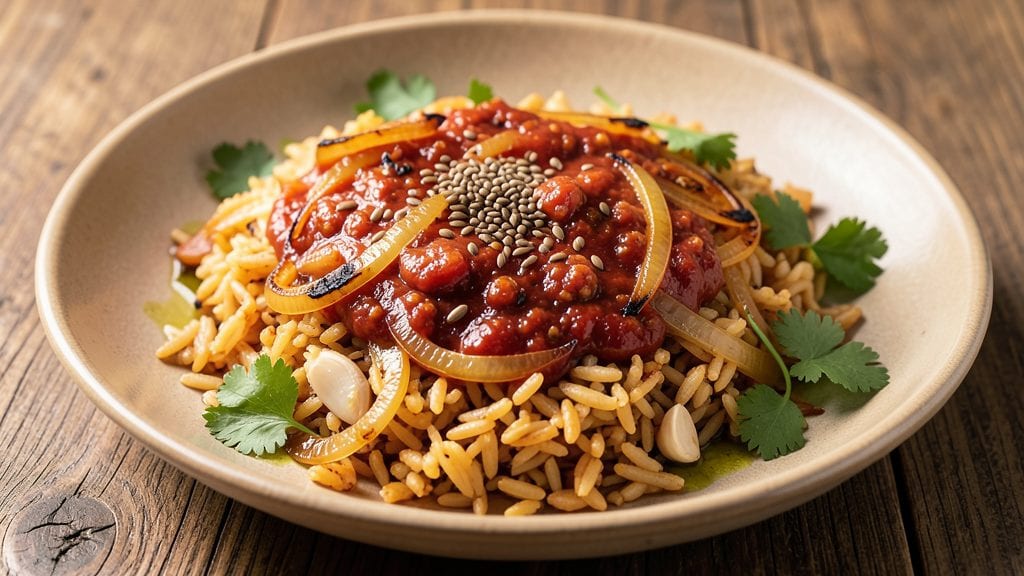
This Salvadorian rice recipe transforms simple grains into a fragrant, textured masterpiece that sits at the heart of every Salvadoran meal. The foundation lies in sofrito—a blend of toasted spices and aromatics—that builds layers of flavor as it cooks.
I developed this version after years of testing, ensuring the rice stays tender yet holds its shape, with a subtle crunch from lightly toasted spices.
The magic happens in the slow-building aromatics: onion, garlic, and tomato simmered until deep red, then finished with achiote and cumin for that signature Salvadoran warmth. What sets this apart is the technique of toasting the spices first—this creates that signature crunch while deepening the flavor.
The result is rice that’s perfectly seasoned, with each grain infused with smoky, earthy notes.
This dish pairs beautifully with fried plantains, black beans, or grilled meats, making it the ideal side for any Salvadoran feast. The rice absorbs the rich flavors of the sofrito while maintaining its distinct texture—neither mushy nor dry.
It’s the kind of recipe that elevates a simple meal into something special, with every bite telling a story of Salvadoran home cooking.
Whether you're serving it at a family gathering or just looking to bring authentic Salvadoran flavors to your table, this method delivers restaurant-quality results at home.
The key is patience—letting the spices bloom and the rice cook just until the liquid is absorbed. Let’s get started on creating this flavorful staple.
Ingredients for salvadorian rice
Toasted spices and slow-cooked aromatics create this Salvadoran rice masterpiece with perfect texture and depth.
| Ingredient | Amount | Notes |
|---|---|---|
| Long-Grain White Rice 🍚 | 1 ½ cups | Uncooked, rinsed thoroughly |
| Yellow Onions 🧅 | 1 whole | Diced, medium size preferred |
| Garlic Cloves 🧄 | 6 cloves | Peeled, finely minced |
| Ripe Tomatoes 🍅 | 2 medium | Roma or vine tomatoes, diced |
| Achiote Paste 🌶️ | 1 tbsp | Authentic Salvadoran achiote |
| Ground Cumin 🌿 | 1 tsp | Freshly toasted preferred |
| Bay Leaves 🍃 | 2 whole | Dried, standard size |
| Extra-Virgin Olive Oil 🫒 | ¼ cup | Light, fruity variety |
| Chicken Broth 💧 | 2 cups | Low-sodium preferred |
| Salt 🧂 | 1 ½ tsp | Diamond Crystal kosher |
| Black Peppercorns 🌶️ | ½ tsp | Freshly cracked |
| Fresh Cilantro 🌿 | ¼ cup | Chopped, for garnish |
| Lime Wedges 🍋 | 2 whole | Fresh, for serving |
The achiote paste is non-negotiable for authentic Salvadoran flavor. La Costeña or Pachamama brands deliver the most vibrant color and rich, earthy notes. Toast your cumin seeds in a dry pan for 30 seconds before grinding—this unlocks their aromatic potential. For tomatoes, Roma or vine varieties hold their shape better than beefsteak. If you can't find achiote paste, annatto seeds steeped in oil works as a substitute, though the flavor won't be identical. The bay leaves should be fresh enough to release their aroma when toasted lightly in the oil.
No achiote? Paprika plus a pinch of turmeric mimics the color, though the flavor profile differs. Substitute chicken broth with vegetable broth for vegetarian versions, but reduce the salt by half. Fresh cilantro is ideal, but dried cilantro at one-third the amount works in a pinch. For the rice, jasmine or basmati can replace long-grain white, though the texture will differ slightly. The lime wedges should be freshly cut—bottled juice lacks the bright acidity needed to cut through the richness. If you're making this ahead, toast the spices and store them separately until ready to cook.
This rice tastes even better the next day as flavors meld. Store in an airtight container for up to 5 days in the refrigerator. The sofrito base can be made ahead and frozen for 3 months—simply reheat before adding the rice. For optimal texture, rinse the rice thoroughly before cooking to remove excess starch. The final dish should have a subtle crunch from the toasted spices—this indicates proper technique. Serve immediately with a squeeze of lime to highlight the bright, complex flavors.
Why You'll Love This Recipe
- One-Pot Magic: I swear by this—just rice, onions, garlic, tomatoes, and that bright achiote paste simmering together. No separate pans, no constant stirring. The rice soaks up all those flavors while you chop veggies for the main dish.
- Golden, Earthy Depth: That achiote paste? It’s the secret weapon—gives the rice this warm, slightly smoky hue and a flavor that’s just sweet and savory. Honestly, the first time I made it, I kept tasting it off the spoon.
- Weeknight Workhorse: Serve it with grilled chicken, fried fish, or even just beans—it’s that adaptable. My lazy Sundays? This rice is half the battle. And it reheats like a dream, which is basically a miracle.
- Budget-Friendly Staple: Long-grain rice, onions, garlic—these are pantry basics that stretch for days. I make a big batch on Sundays and use it in lunches, tacos, or even stuffed peppers. Leftovers? They’re the best kind.
Step-by-step instructions for Salvadorian rice
Master this technique and you'll achieve perfectly balanced Salvadorian rice with aromatic depth and ideal texture.
Toast the Spices and Aromatics
Heat the 0.25 cup extra-virgin olive oil in a medium saucepan over medium heat. Add the 6 cloves garlic cloves and 1 whole yellow onions (previously diced), cooking for 5-6 minutes until the onions soften and the garlic becomes fragrant but not browned. This foundational step develops the rice's signature depth.
Reduce heat to medium-low and stir in the 1 tbsp achiote paste and 1 tsp ground cumin. Cook for 1 minute until the spices release their aromatic oils and the mixture becomes vibrant red-orange. This is where the authentic Salvadoran flavor profile begins to develop. Be careful not to let the spices burn—just until you can smell their full complexity.
Build the Sofrito Base
Add the 2 medium ripe tomatoes (diced) to the pan and cook for 3-4 minutes until they soften and begin to break down. Stir occasionally to prevent sticking. The tomatoes will release their juices, creating a rich base that will carry the rice's flavor throughout cooking.
Add the 2 whole bay leaves, 1.5 tsp salt, and 0.5 tsp black peppercorns (freshly cracked). Pour in the 2 cups chicken broth, scraping up any browned bits from the bottom of the pan. This deglazing step captures all the flavor compounds you've developed. Bring the mixture to a gentle simmer, then reduce heat to maintain a barely perceptible bubble at the surface.
Cook the Rice to Perfect Texture
Add the 1.5 cups long-grain white rice (previously rinsed thoroughly) to the simmering liquid. Stir gently once to distribute the rice evenly, then let it sit undisturbed for 2 minutes to absorb the initial liquid. This initial resting period prevents the rice from sticking to the bottom.
Using a wooden spoon, gently stir the rice from the edges toward the center, being careful not to break the grains. Maintain the low heat and cook for 12-15 minutes until the liquid has been absorbed and the rice is tender but still slightly firm to the bite. You'll know it's ready when the grains are translucent at the edges but still maintain their shape. Avoid lifting the lid during cooking—steam is crucial for even cooking.
Rest and Finish
Once the rice is tender, remove the pan from heat and let it rest for 5 minutes covered with a tight-fitting lid. This resting period allows the residual heat to finish cooking the rice evenly and redistribute the moisture throughout each grain. During this time, the rice will develop its final texture—no longer sticky but with a pleasant bite.
After resting, fluff the rice gently with a fork and stir in the 0.25 cup fresh cilantro (chopped). Serve immediately with the 2 whole lime wedges on the side for bright acidity. The finished rice should have a vibrant color from the achiote, a subtle crunch from the toasted spices, and a balance of savory, slightly sweet tomato flavor. Each grain should be distinct yet cohesive, with no excess moisture clinging to the surface.
Pro Tips For Making Salvadorian Rice
- Bloom the Achiote: Whisk the achiote paste with the tomatoes and a splash of water first—this breaks down the paste and blends the colors better. I used to just toss it in dry, and the rice always looked streaky instead of vibrant. Two minutes of stirring makes a real difference.
- Sauté Onions Low and Slow: Don’t rush the onions—cook them on medium-low until they’re soft and translucent, not browned. I learned this the hard way when my rice tasted bitter from overcooked onions. Patience here keeps the flavor clean.
- Rinse Rice Until Clear: Give that rice a good rinse until the water runs nearly clear—this removes excess starch and prevents a gummy texture. I skip this when I’m lazy, but the dish is noticeably better when I don’t.
- Use Ripe Tomatoes Only: Overripe tomatoes with a little softness blend better and add natural sweetness—no need for added sugar. I was skeptical until I tried it, and now I won’t use firm ones. The flavor depth changes the whole dish.
Common mistakes when making this dish
Skipping the Sofrito Toast
One of the biggest mistakes is rushing the spice toasting step. The 5-6 minutes you spend cooking onions and garlic until fragrant (but not browned) builds the rice's aromatic foundation. I once skipped this step entirely and ended up with bland rice—no matter how much achiote I added later.
The toasted spices release their essential oils, creating that signature Salvadoran warmth that can't be replicated by just adding spices at the end. 🌶️
Overcrowding the Pan
Using a pan that's too small causes the rice to steam unevenly, leading to mushy grains and uneven texture. I learned this the hard way when my 1.5 cups rice ended up as a sticky mass.
For this recipe, a medium (3-quart) saucepan is ideal—it gives the rice enough room to cook properly without overcrowding. If your pan is too small, cook in batches or use a larger one.
Adding Rice Too Early
Introducing rice before the sofrito base has fully developed means the grains won't absorb enough flavor. I made this mistake by adding rice when the tomatoes were still chunky, resulting in underseasoned rice.
Wait until the tomatoes have broken down completely and the mixture is simmering gently before adding the rice. This ensures maximum flavor infusion.
Stirring Too Frequently
Constant stirring breaks the rice grains and releases excess starch, leading to a gummy texture. After the initial stir to distribute the rice, let it cook undisturbed for 2 minutes before gently stirring just once more.
I now use a wooden spoon to stir from the edges inward—this minimizes grain damage while ensuring even cooking. 🍚
Ignoring the Resting Time
Skipping the 5-minute rest after cooking means uneven moisture distribution, resulting in dry edges and moist centers. I used to serve the rice immediately, only to have guests complain about inconsistent textures.
Cover the pot tightly and let the residual heat finish cooking the rice evenly. This step is crucial for that perfect "al dente" texture.
Using the Wrong Rice
Long-grain white rice is essential for this recipe—it holds its shape and absorbs flavors beautifully. I once tried using short-grain rice and ended up with a gluey mess. If you must substitute, jasmine or basmati rice work well, but rinse them thoroughly to remove excess starch.
Never use instant rice—it lacks the necessary texture and flavor absorption qualities. ⚠️
Nutrition facts
Frequently asked questions
What makes Salvadoran rice different from other Latin American rice dishes?
The signature difference lies in the achiote paste and toasted cumin, which create a vibrant red-orange hue and deep, earthy aroma. Unlike Mexican red rice (which often uses tomato sauce) or Peruvian arroz con pollo (with herbs like cilantro and parsley), Salvadoran rice focuses on slow-cooked aromatics and a subtle crunch from toasted spices. The sofrito base also typically includes bay leaves and cracked black peppercorns for extra complexity.
Can I make this recipe vegetarian?
Yes! Simply replace the chicken broth with vegetable broth and reduce the salt by half. For extra depth, sauté mushrooms or bell peppers with the onions and garlic. The flavor profile remains rich and aromatic—just ensure your broth has enough umami to carry the spices. Garnish with extra lime to brighten the dish.
How do I store leftovers to keep them fresh?
Transfer to an airtight container and refrigerate for up to 5 days. The rice actually tastes better the next day as flavors meld! To reheat, add a splash of water or broth and cover with a damp paper towel while microwaving to prevent drying. For longer storage, freeze the cooked rice for 3 months—thaw overnight in the fridge before reheating.
Why does my rice turn out mushy?
Mushy rice usually results from overcrowding the pan or stirring too frequently. Use a medium (3-quart) saucepan and let the rice cook undisturbed for 2 minutes after adding it to the liquid. Stir gently just once from the edges inward, then avoid lifting the lid during cooking. Also, ensure you're using long-grain white rice—it absorbs liquid without becoming gluey.
What sides pair best with Salvadoran rice?
This rice is traditionally served as part of a plato típico (typical Salvadoran plate). Classic pairings include:
- Frijoles negros (black beans)
- Fried plátanos maduros (sweet plantains)
- Grilled chicharrón (pork rinds) or pollo a la parrilla (grilled chicken)