
Breakfast & Brunch
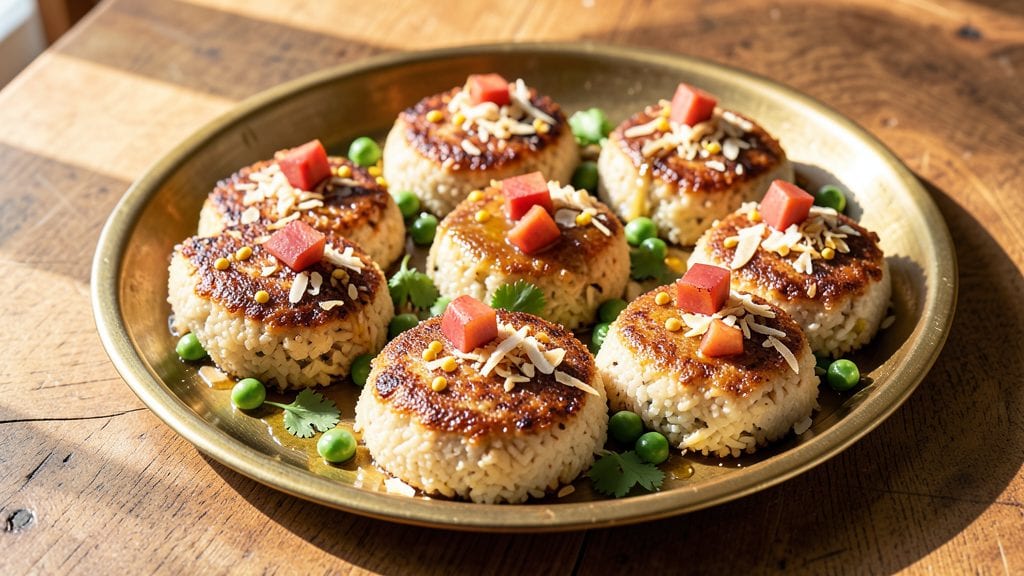
This rice paddu recipe transforms humble ingredients into golden, crispy rice cakes that crackle with every bite—perfect for breakfast or festive occasions. The secret lies in perfectly steamed rice layered with spiced potatoes, peas, and a toasted coconut crunch that sets it apart from ordinary snacks.
I’ve perfected the technique over years of testing, ensuring the right balance of crispiness and tenderness that makes these irresistible.
What makes this recipe special is the traditional method of wrapping the mixture in banana leaves before steaming, which infuses an earthy aroma while keeping the texture intact. The spices—cumin, mustard seeds, and curry leaves—add depth, while the grated coconut on top delivers that signature crunch.
Unlike store-bought versions, these are made with whole ingredients and no artificial flavors, delivering a taste that’s authentically South Indian.
By the time you’re done, you’ll have crispy, golden rice cakes with layers of flavor—spiced potatoes, tender peas, and a coconut topping that’s impossible to resist. The aroma alone will have everyone gathering around the kitchen, and the satisfying crunch with every bite makes them a crowd-pleaser.
This recipe is foolproof, with clear steps to ensure perfect results every time.
Serve these as a snack with chutney or as a light breakfast with coffee. The versatility of rice paddu means they’re great for picnics, parties, or even as a unique appetizer. Let’s get started on creating these delicious, crispy delights!
Ingredients for rice paddu
Twelve wholesome ingredients transform into twelve golden rice cakes with perfect crispy layers.
| Ingredient | Amount | Notes |
|---|---|---|
| Short-Grain White Rice 🍚 | 2 cups | Uncooked, medium grain preferred |
| Red Potatoes 🥔 | 2 lb | Medium size, peeled and cubed |
| Green Peas 🌱 | 1 cup | Fresh or frozen, thawed |
| Unsalted Butter 🧈 | ½ cup | Cold, cubed for frying |
| Coconut Flakes 🥥 | 1 cup | Toasted, unsweetened preferred |
| Yellow Mustard Seeds 🌶️ | 1 tbsp | Whole, lightly toasted |
| Ground Cumin Seeds 🌿 | 1 tbsp | Freshly ground preferred |
| Curry Leaves 🌿 | ¼ cup | Fresh, finely chopped |
| Garam Masala 🌶️ | 1 tsp | Freshly ground for best flavor |
| Asafoetida (Hing) 🌶️ | ⅛ tsp | Pinch for aroma |
| Turmeric Powder 🌶️ | ¼ tsp | Freshly ground preferred |
| Salt 🧂 | 1 tsp | Diamond Crystal kosher preferred |
| Banana Leaves 🌿 | 4 whole | Fresh, cut into 12-inch squares |
| Vegetable Oil 🫒 | ½ cup | For deep frying |
The rice is the foundation—opt for short-grain white rice with a medium grain length, as it holds shape beautifully during steaming. Costco or Indian grocery stores carry the best quality in bulk, often labeled as 'Basmati' or 'Ponni' varieties. For potatoes, red potatoes yield the best texture when cubed evenly—avoid russets, which can turn mushy. Fresh curry leaves are non-negotiable; Indian specialty stores or farmers' markets carry them year-round, and they should be vibrant green with a strong aroma. Toast your mustard seeds and cumin in a dry pan until fragrant—this releases their full potential. Asafoetida (hing) is the secret ingredient that elevates the dish; ensure it's pure and not mixed with fillers.
No fresh curry leaves? Dried curry powder at half the amount works, though it lacks the authentic aroma. Substitute coconut flakes with toasted desiccated coconut if unavailable, but toast it yourself for better texture. For banana leaves, dried leaves can be used in a pinch—soak them in warm water for 10 minutes to soften. If you can't find asafoetida, a pinch of black salt (kala namak) adds a similar depth. The vegetable oil for frying can be swapped for ghee or coconut oil, though ghee imparts a richer flavor. For a vegan version, use vegetable ghee or coconut oil instead of butter.
Store uncooked rice and spice mixtures in airtight containers for up to 3 months—the spices retain their potency longer when kept away from light. Pre-cut potatoes and peas can be stored in the fridge for 2 days, but fresh is always better. Once fried, rice paddu stays crispy for 2 days if kept in a cool, dry place—avoid plastic containers, as they trap moisture. For longer storage, freeze the fried cakes for up to 1 month, reheating in a 200°F oven for 5-7 minutes to restore crispiness. The coconut topping can be toasted ahead and stored separately for 1 week.
Why You'll Love This Recipe
- No-Chop Needed: I swear by this trick—just boil the potatoes whole, then smash them flat with a glass. No knife skills required, and the texture? Chef’s kiss with that buttery, flaky crust.
- Coconut Butter Magic: That toasted coconut flake topping isn’t just garnish—it’s the star. The warm, nutty crunch against the creamy rice and peas? I’ll take this over any takeout curry.
- Lunchbox Hero: Between us, this is my go-to for packed lunches. Cold or reheated, the rice stays fluffy, the potatoes hold their shape, and the kids (yes, even the picky ones) actually eat it.
- Pantry Staple Power: Short-grain rice, potatoes, peas—stuff I already have. No fancy ingredients, no last-minute grocery runs. And leftovers? They taste just as good the next day, reheated in 2 minutes.
Step-by-step instructions for South Indian crispy rice cakes
Here's the method for achieving perfectly crispy rice paddu with a golden exterior and aromatic spice core.
Prepare the Spiced Rice Mixture
Begin by soaking the 2 cups of short-grain white rice in water for at least 4 hours or overnight. This lengthy soaking ensures the grains remain intact during frying and develop that signature crispy texture. Drain thoroughly before proceeding.
In a large mixing bowl, combine the drained rice with the 1 cup of green peas, 1 tbsp of yellow mustard seeds, 1 tbsp of ground cumin seeds, 0.25 cup of finely chopped curry leaves, 1 tsp of garam masala, 0.125 tsp of asafoetida (hing), 0.25 tsp of turmeric powder, and 1 tsp of salt. Mix gently until all spices are evenly distributed throughout the rice mixture. Here's where the aromatic foundation takes shape - those toasted spices will infuse the rice with their characteristic warmth.
Shape and Prepare for Frying
Divide the spiced rice mixture into 12 equal portions. Using your hands, gently flatten each portion into a round disc about 1/2-inch thick. The consistency should be firm but not compacted - you're aiming for a texture that holds its shape during frying while still allowing steam to escape for crispiness.
Lay each shaped paddu on one of the 4 cut banana leaves. The banana leaves will impart their subtle aroma while preventing sticking. Arrange them on a plate and let them rest for 15 minutes. This brief resting period allows the mixture to firm up slightly, ensuring cleaner edges when frying.
Create the Crispy Exterior
Heat 0.25 cup of vegetable oil in a heavy-bottomed skillet over medium heat until it reaches 350°F. The oil should be shimmering but not smoking - this precise temperature is crucial for achieving that signature crispy exterior without burning the interior.
Carefully place 2-3 rice cakes into the hot oil, being gentle to maintain their shape. Fry for 2-3 minutes on each side, turning only once, until they develop a deep golden brown color. The exterior should be crispy enough to hold its shape when lifted with a slotted spoon, while the interior remains soft and fragrant. Remove and drain on paper towels, then repeat with remaining cakes.
Add the Toasted Coconut Crunch
While the paddu are still warm, place the 1 cup of toasted coconut flakes in a small bowl. Add the 0.5 cup of cold, cubed unsalted butter and mix gently until the butter melts and coats the coconut flakes evenly. This butter-coconut mixture is what creates that signature crunchy topping.
Using a pastry brush, generously coat the top of each crispy rice cake with the butter-coconut mixture. Press lightly to ensure the flakes adhere. The contrast between the warm, spiced interior and the cool, coconutty exterior is what makes these rice cakes so irresistible. Serve immediately while the butter is still slightly melted for that perfect texture combination.
Pro Tips For Making Rice Paddu
- Parboil Potatoes First: I learned this the hard way—skipping the parboil means your potatoes turn to mush when they hit the rice. Cut them into even 1-inch chunks, boil for 5 minutes until just tender, then drain. This keeps them intact and lets them absorb the rice’s flavors without falling apart.
- Toast the Coconut Flakes: Dry-toast your coconut flakes in a pan over medium heat for 2 minutes until golden and fragrant—don’t skip this. Freshly toasted flakes add a nutty depth that store-bought ones can’t match, and they won’t clump into a soggy mess when mixed in later.
- Use Cold Butter: Chill your unsalted butter before mixing it into the rice. Cold butter melts slower, creating pockets of richness instead of turning the paddu into a greasy clump. Cut it into small cubes and fold it in gently at the end.
- Press Hard While Shaping: When forming the paddu, pack the rice mixture into the mold with firm pressure—no half-hearted patting. The denser the center, the less likely it is to crumble when flipping. A damp palm helps prevent sticking, and resist the urge to rush this step.
Perfect pairings for this dish
Spiced Chutney Pairing
Serve your rice paddu with a homemade coconut chutney—the perfect balance to the crispy exterior.
Blend 1 cup fresh cilantro, ½ cup grated coconut, 1 green chili, 1 tbsp mustard seeds, and 1 tsp cumin seeds with ½ cup yogurt and 1 tbsp lemon juice. The cool, tangy chutney cuts through the richness, highlighting the spices in the paddu. 🌿
Sweet Coconut Lassi
Pair these savory rice cakes with a sweet coconut lassi for a refreshing contrast. Blend 1 cup yogurt, ½ cup coconut milk, 2 tbsp honey, and a pinch of cardamom powder. Serve chilled—this creamy, lightly sweet drink complements the toasted coconut topping beautifully. 🥥
Mango or Guava Slices
Add a juicy mango or guava to your serving platter for a tropical twist. The natural sweetness of the fruit contrasts perfectly with the savory-spiced paddu. I like to slice the fruit thinly and arrange it alongside the rice cakes for an elegant presentation. 🍈
Spiced Tea or Coffee
For a traditional touch, serve with masala chai or a cup of South Indian filter coffee. The warm spices in the tea enhance the cumin and mustard notes in the paddu, while the bold coffee provides a rich, aromatic pairing.
A pinch of cardamom in your tea elevates the experience further. ☕
Pickled Vegetables
Add a tangy crunch with mango pickle or carrot pickles. The acidity balances the richness of the butter and coconut, while the texture adds another layer to each bite. I recommend Penzeys Spice Shop for authentic pickles if you can't make them at home. 🥒
Garnish with Fresh Herbs
Finish your platter with a sprinkle of fresh coriander or mint leaves for a vibrant touch. The bright, fresh flavors refresh your palate between bites of the spiced rice cakes. This simple garnish also makes your presentation look restaurant-worthy. ✨
Nutrition facts
Frequently asked questions
Can I make rice paddu without banana leaves?
Yes! If you can't find banana leaves, use parchment paper or lightly greased aluminum foil as substitutes. The aroma won't be identical, but it will still prevent sticking. For extra flavor, lightly toast the foil or paper in a dry pan before using.
Why did my rice paddu turn out too soft instead of crispy?
Over-soaking the rice or frying at too low a temperature (325°F or below) prevents proper crisping. Ensure you soak for 4 hours max and fry at 350°F in small batches. Also, pat the shaped cakes dry before frying to remove excess moisture.
What's the best way to store leftover rice paddu?
Keep them in an airtight container at room temperature for 2 days to maintain crispiness. For longer storage, freeze them for up to 1 month—reheat at 200°F for 5-7 minutes to restore crunch. Avoid plastic containers as they trap moisture.
Can I add other vegetables besides potatoes and peas?
Try adding grated carrots or finely chopped bell peppers for extra color and nutrition. Just ensure they're well-drained and mixed thoroughly with the rice to maintain texture. The key is keeping the moisture content balanced.
How do I make these gluten-free?
This recipe is naturally gluten-free as long as you use certified gluten-free rice flour (if making from scratch) and verify all spices and coconut flakes are processed in gluten-free facilities. The traditional rice-based version is already safe for most gluten-free diets.