
Snacks
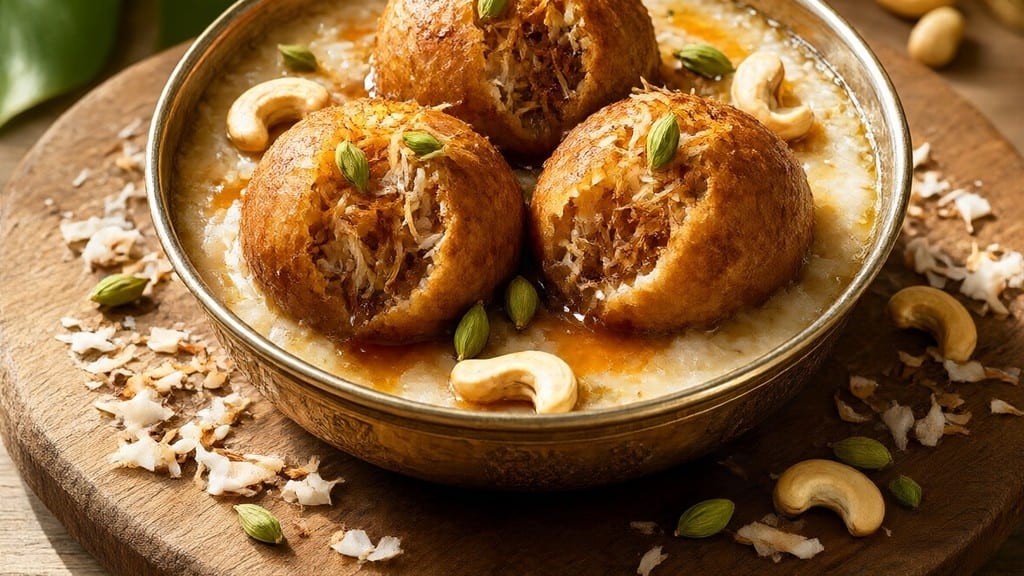
Crafting rice kozhukattai transforms simple ingredients into delicate, fragrant dumplings that capture the essence of South Indian tradition. This vegetarian specialty combines toasted coconut, aromatic spices, and tender rice flour into bite-sized parcels steamed to perfection—each one bursting with nutty, caramelized flavor.
I first encountered this recipe during a family gathering, where the crunchy exterior and soft interior became an instant favorite.
The recipe’s beauty lies in its simplicity: rice flour forms the base, while jaggery and ghee create a natural sweetness that balances the earthy coconut. Toasting the coconut and nuts until golden unlocks their rich flavors, while cardamom and a pinch of salt elevate the aroma to restaurant-quality levels.
The shaping technique—rolling the mixture into small, even balls—ensures consistent texture, so every bite delivers the same satisfying crunch.
What makes rice kozhukattai truly special is its versatility. Serve them as a snack during festive occasions, pack them in lunchboxes for a nutritious treat, or enjoy them warm with a cup of chai.
The dumplings stay fresh for days when stored properly, making them ideal for meal prep. Whether you're a seasoned cook or a beginner, this recipe delivers professional results with just a few key steps.
Once you master the technique, you’ll appreciate why this dish holds a cherished place in South Indian cuisine. The combination of textures—crispy exterior, soft interior, and toasted coconut crunch—creates a harmony that’s both comforting and celebratory. Let’s get started on making these fragrant dumplings that taste like home.
Ingredients for rice kozhukattai
Simple yet sophisticated ingredients transform into fragrant, textured rice kozhukattai dumplings with perfect balance.
| Ingredient | Amount | Notes |
|---|---|---|
| Rice Flour 🍚 | 1 ½ cups | Fine-milled, preferred for texture |
| Shredded Coconut 🥥 | 1 cup | Unsweetened, toasted to golden |
| Jaggery 🍯 | ½ cup | Granulated or block form |
| Ghee 🧈 | ¼ cup | Clarified butter, room temperature |
| Cardamom Pods 🌿 | 6 whole | Green cardamom, lightly crushed |
| Cashew Nuts 🥜 | ¼ cup | Whole or halves, toasted |
| Salt 🧂 | ¼ tsp | Fine sea salt, adjust to taste |
| Water 💧 | ½ cup | Warm, for dough consistency |
| Gram Flour (Besan) 🌾 | ¼ cup | For exterior coating |
| Turmeric Powder 🌿 | ⅛ tsp | For golden hue and flavor |
| Oil 🫒 | 2 tbsp | For shaping, coconut oil preferred |
The foundation begins with rice flour—opt for fine-milled varieties from Indian specialty stores like Patel Brothers or Whole Foods for authentic texture. Toasted coconut is non-negotiable; fresh, unsweetened flakes toasted in a dry pan until golden release maximum aroma. Jaggery should be freshly grated if using block form, as pre-packaged versions often lose moisture. Cardamom pods from Penzeys or bulk bins add depth—lightly crush them to release oils without turning to powder. For ghee, Amul or Gowardhan brands deliver consistent quality, and always ensure it’s room temperature for even mixing.
No fresh coconut? Desiccated coconut works in a pinch, but toast it longer to compensate for lower moisture. Jaggery unavailable? Brown sugar or palm sugar mimic the caramel notes, though jaggery’s floral undertones are ideal. Substituting almonds for cashews alters texture slightly but maintains sweetness. For the gram flour coating, Bob’s Red Mill or 24 Mantra brands provide fine, consistent particles. The oil choice matters—coconut oil enhances the tropical flavor profile, while neutral oils like grapeseed keep the focus on spices. Always weigh your spices for precision; Diamond Crystal kosher salt measures more accurately than table salt.
Store shaped dumplings in an airtight container lined with parchment paper for up to 5 days at room temperature. For longer storage, freeze uncooked mixtures in single-serving portions for up to 3 months. Reheat steamed kozhukattai in a steamer basket over boiling water for 3-4 minutes to restore crispness. The ghee-rich mixture reheats beautifully, making these perfect for meal prep—simply steam fresh batches as needed. Toasted coconut loses crunch over time, so store it separately if prepping ahead.
Why You'll Love This Recipe
- No-Fuss Mixing: I swear by this recipe—just rice flour, coconut, and jaggery. No chopping, no blending, no stress. The dough comes together in minutes, and honestly? That’s half the battle won right there.
- Sweet-Savory Magic: That jaggery-ghee combo is ridiculously good—caramelized edges from the ghee, warm cardamom notes, and just enough coconut sweetness to make it irresistible. (Yes, even on a Tuesday night.)
- Party-Ready Bites: These little dumplings are my go-to for potlucks, temple prasad, or just snacking. They reheat beautifully, so I often make a big batch—no one ever leaves with leftovers.
- Budget-Friendly Luxury: Rice flour and coconut are cheap staples, and a little ghee goes a long way. I make enough for a week’s worth of snacks, and the cost? A fraction of store-bought sweets. Plus, they keep for days without drying out.
Step-by-step instructions for rice kozhukattai
Master these precise techniques for perfectly shaped, fragrant steamed dumplings with a toasted coconut crunch.
Prepare the Filling Mixture
In a heavy-bottomed pan, gently toast the 1 cup shredded coconut over medium-low heat for 3-4 minutes until it releases its aroma and turns a rich golden color. Remove from heat immediately to prevent burning. In the same pan, add the 0.25 cup cashew nuts and toast for 1 minute until fragrant.
Transfer the toasted coconut and cashews to a mixing bowl. Add the 0.5 cup jaggery, 6 whole cardamom pods (lightly crushed), and 0.25 tsp salt. Warm the 0.5 cup water separately until it reaches 110°F - just warm enough to dissolve the jaggery without cooking it. Pour this over the coconut mixture and let it sit for 5 minutes to allow the jaggery to fully incorporate. The filling should be thick but pliable, with a glossy sheen from the melted jaggery.
Make the Rice Flour Dough
In a separate bowl, combine the 1.5 cups rice flour with the 0.125 tsp turmeric powder and mix thoroughly. Gradually add the 0.25 cup ghee while working the mixture with your fingers until it forms a coarse crumbly texture. This dough should be firm but not dry - if it crumbles too much, add 1-2 teaspoons of warm water from the filling mixture.
Knead the dough vigorously for 5-7 minutes until it becomes smooth and elastic. Wrap it tightly in plastic wrap and let it rest for 30 minutes at room temperature. The resting period allows the gluten to relax, making the dough easier to work with. Press a small piece between your fingers - it should hold together without cracking but still be soft enough to mold.
Shape the Kozhukattai
Divide the rested dough into 12 equal portions (about 1.5 ounces each). Roll each portion into a 3-inch long log about ½-inch thick. Create a well in the center of each log using your thumb, being careful not to pierce through. Fill each well generously with the coconut-cashew mixture, pressing gently to secure it.
Pinch the dough around the filling to seal completely, then shape into an oval or round ball. The seams should be smooth with no gaps to prevent filling leakage during steaming. Place the shaped kozhukattai on a parchment-lined tray, leaving 1-inch space between each piece. Cover with a damp towel and let them rest for 15 minutes before steaming.
Prepare the Gram Flour Coating
In a small bowl, mix the 0.25 cup gram flour with 1 tablespoon of the 2 tbsp oil reserved for shaping. This coating gives the kozhukattai their signature golden crust. Lightly brush each shaped dumpling with the remaining 1 tablespoon oil before rolling them in the gram flour mixture. Press gently to ensure even coverage - the coating should adhere well but not be too thick.
Steam to Perfection
Line a steamer basket with a clean, damp cloth to prevent sticking. Arrange the coated kozhukattai in a single layer, leaving space between each. Bring 2 inches of water to a rolling boil in the steamer base, then place the basket inside. Cover and steam over medium-high heat for 12-15 minutes until the dumplings are firm to the touch and the gram flour coating turns a golden hue.
Check for doneness by gently pressing a dumpling - it should feel firm with no soft spots inside. Remove from steam immediately and let cool for 5 minutes before serving. The interior should be moist and fragrant with cardamom, while the exterior maintains that satisfying crunch from the toasted coconut and gram flour coating.
Pro Tips For Making Rice Kozhukattai
- Fry on Medium Heat: Rice kozhukattai needs patience—don’t blast it on high or it’ll burn before the center cooks. Medium heat lets the ghee infuse slowly, giving that signature golden crust without charring. I used to rush this and ended up with dry, uneven bites.
- Toast Coconut First: Skip the raw shreds—lightly toast your coconut in ghee for 2-3 minutes until fragrant. This deepens the flavor and prevents soggy fillings later. (Yes, even if you’re impatient like me.)
- Press Gently, Not Hard: Over-pressing the dough flattens the layers and makes the kozhukattai dense. Just enough pressure to seal the edges—think "light hug," not "smooth pancake." The steam needs room to work its magic.
- Use Warm Jaggery: Melt jaggery with a splash of water and let it cool slightly before mixing. Cold jaggery clumps into the batter, creating uneven pockets. Warm jaggery blends smoothly and caramelizes better during frying. (Your future self will thank you.)
Wine and beer pairings for rice kozhukattai
South Indian Masala Tea
Pairing rice kozhukattai with South Indian masala chai creates a perfect balance of flavors. The warm spices in the tea—cardamom, cinnamon, and ginger—complement the cardamom and coconut in the dumplings.
Brew 1 cup loose-leaf black tea (like Tetley or Twinings) with 1-inch ginger, 2 cardamom pods, and 1 cinnamon stick in 2 cups boiling water. Simmer for 5 minutes, then strain and serve with 1 tsp jaggery or honey.
The earthy notes harmonize beautifully with the sweet, nutty kozhukattai. 🌿
Spiced Coconut Milk
For a refreshing contrast, try spiced coconut milk—a tropical twist that enhances the coconut crunch. Blend 1 cup coconut milk with ½ tsp cardamom powder, ¼ tsp black pepper, and 1 tsp jaggery.
Chill before serving over ice for a dessert-like beverage. The creamy texture and subtle warmth of the spices make it an unexpected yet delightful pairing. This works especially well during summer gatherings. ✨
Mango Lassi
If you prefer something lighter, a mango lassi adds a fruity contrast to the rich kozhukattai. Blend 1 ripe mango, 1 cup yogurt, ½ cup milk, and 1 tsp jaggery until smooth.
Serve chilled in small glasses. The tangy sweetness of the mango cuts through the ghee and coconut, while the yogurt adds a cooling element. This combo is a crowd-pleaser at festive occasions. 🥭
Regional Beer Pairing
For beer lovers, a light lager like Kingfisher or Himalayan complements the Kozhukattai’s sweetness without overpowering it. The crisp, clean finish balances the richness of the ghee and coconut.
Alternatively, try a wheat beer like Bass for a slightly fruity contrast that enhances the cardamom notes. Avoid heavy ales or stouts—they’ll clash with the delicate flavors. 🍺
Warm Turmeric Milk
For a comforting, traditional pairing, serve turmeric milk (haldi doodh) alongside the kozhukattai. Heat 1 cup milk with ½ tsp turmeric, 1 tsp jaggery, and a pinch of black pepper.
The warm, spiced milk soothes the palate after the rich, toasted flavors of the dumplings. This is especially popular in South India during winter months. 💛
Citrus Sparkler
For a refreshing twist, mix sparkling lemonade with a splash of rose water (optional) and serve chilled. The bright acidity of the lemonade cuts through the richness of the kozhukattai, while the floral notes of rose water add an elegant touch.
This pairing works beautifully for afternoon tea or light desserts. 🍋
Nutrition facts
Frequently asked questions
Why does the rice flour dough crack when shaping?
The dough cracks when it's either too dry or hasn't rested long enough. Always knead until smooth and elastic, then rest for 30 minutes before shaping. If the dough feels stiff, add 1-2 teaspoons of warm water while kneading. The key is a pliable, slightly tacky texture—not crumbly.
Can I make rice kozhukattai without jaggery?
Yes, but the flavor will differ. Substitute with brown sugar or palm sugar (1:1 ratio), though jaggery's floral notes are irreplaceable. For a healthier option, use date syrup or maple syrup, but reduce liquid by 1 tablespoon to avoid a sticky filling. Toast the coconut longer to compensate for lost caramelization.
How do I fix undercooked kozhukattai?
If they feel soft inside after steaming, return them to the steamer for 2-3 more minutes. For extra firmness, brush with 1 teaspoon melted ghee before the final steaming session. The gram flour coating should turn golden—if it stays pale, the interior is likely underdone. Always check doneness by pressing gently with your finger.
What's the best way to store leftover rice kozhukattai?
Store in an airtight container at room temperature for up to 5 days, or freeze for 3 months. To reheat, steam for 3-4 minutes over boiling water—they’ll regain their crisp exterior and soft center. For longer freshness, separate the filling mixture and dough before freezing, then reassemble when ready to cook.
Can I make mini or jumbo-sized kozhukattai?
For mini versions, reduce portions to 1 ounce each and steam for 8-10 minutes. For jumbo, increase to 2 ounces and steam 15-18 minutes. Adjust the filling proportionally—mini versions need slightly more filling relative to size. The shaping technique remains the same, but larger pieces may require a steamer with deeper layers.