
Desserts
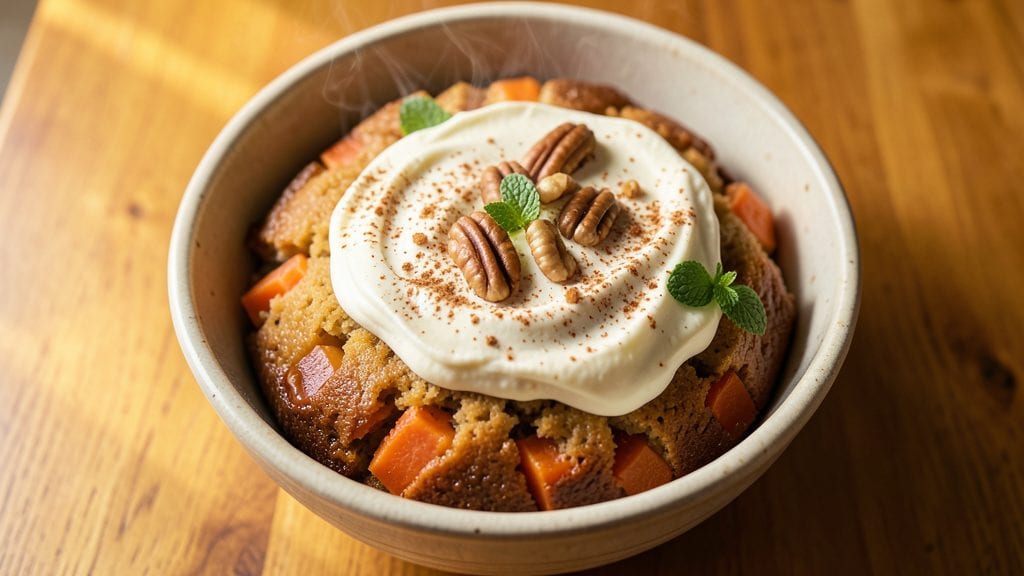
This rice cooker carrot cake recipe transforms a kitchen staple into the perfect dessert with moist layers and warm spice infusion—no oven required. The rice cooker's gentle heat creates tender crumb and evenly baked layers, while the steam ensures every bite stays perfectly moist.
I developed this method after realizing how versatile rice cookers are beyond rice, and this carrot cake is proof they can handle desserts just as well.
The secret to success lies in the right texture adjustments: a slightly wetter batter than traditional recipes and a longer cooking time to prevent dryness.
You'll need basic pantry staples like flour, sugar, eggs, and of course, grated carrots, along with spices like cinnamon and nutmeg for that classic carrot cake flavor. The rice cooker's even heat distribution eliminates the risk of overbaking or undercooking that can happen in conventional ovens.
What you'll end up with is a moist, spice-infused carrot cake with tender layers that stay soft even after cooling. The steam from the rice cooker creates a unique texture that's lighter than traditional baked versions, while still delivering that comforting carrot cake taste.
This method is perfect for those who want restaurant-quality results without the oven commitment.
Once fully cooked, let the cake cool slightly before removing it from the rice cooker—it'll be warm and inviting, ready to be sliced and served. Top with cream cheese frosting or a simple glaze for that final touch of indulgence.
The rice cooker's versatility makes this recipe both practical and impressive, proving that great desserts don't always require an oven.
Ingredients for rice cooker carrot cake
Basic pantry staples transform into a moist, spiced carrot cake using your rice cooker's gentle heat.
| Ingredient | Amount | Notes |
|---|---|---|
| All-Purpose Flour 🌾 | 1 ½ cups | Sifted for even texture |
| Granulated Sugar 🍚 | 1 cup | White or light brown |
| Packed Brown Sugar 🍚 | ½ cup | For moisture balance |
| Large Eggs 🥚 | 2 whole | Room temperature preferred |
| Unsalted Butter 🧈 | ½ cup | Melted, full-fat for richness |
| Vegetable Oil 🫒 | ¼ cup | Light, neutral flavor |
| Shredded Carrots 🥕 | 1 ½ cups | Finely grated, no pulp |
| Ground Cinnamon 🌿 | 1 ½ tsp | Freshly ground preferred |
| Ground Nutmeg 🌿 | ½ tsp | Freshly grated nutmeg |
| Ground Ginger 🌿 | ½ tsp | For warmth, not spice |
| Baking Soda 🧂 | ½ tsp | For lift and moisture |
| Salt 🧂 | ½ tsp | Fine sea salt preferred |
| Vanilla Extract 🍯 | 1 tsp | Pure vanilla for flavor |
| Plain Yogurt 🥛 | ½ cup | Full-fat for moisture |
| Water 💧 | ¼ cup | Room temperature |
The flour and sugars form the foundation—King Arthur or Gold Medal brands work best for tender crumb. Carrots should be finely grated (no chunks) for even distribution; a box grater or food processor works well. Costco or Trader Joe's often carry pre-shredded carrots, but fresh grating yields better texture. The yogurt and water adjust moisture without needing an oven—critical for rice cooker baking. For spices, Penzeys or McCormick offer freshly ground options that elevate flavor.
No brown sugar? White sugar plus 1 tsp molasses mimics the depth. Substitute yogurt with sour cream or buttermilk for tang. Vegetable oil can be swapped for melted butter (reduce butter by 2 tbsp). For nutmeg, freshly grated from a whole nutmeg is ideal, but ground works in a pinch. The baking soda is non-negotiable—it creates the signature lift. If you lack vanilla extract, vanilla bean paste or even vanilla sugar adds complexity. Always measure spices by weight if possible for consistency.
Store leftovers in an airtight container for 3-4 days—the texture holds up better than traditional baked cake. For longer storage, freeze slices wrapped in plastic for up to 3 months. The rice cooker's steam keeps it moist, but avoid slicing immediately after cooking. Let it cool 10-15 minutes before serving. For best results, serve warm with cream cheese frosting or a simple glaze of powdered sugar and milk.
Why You'll Love This Recipe
- No Mixer Needed: I’ll be real—this cake comes together with just a bowl and a fork. No stand mixer, no food processor, just you, some butter, and a little elbow grease. The brown sugar and butter blend into a smooth paste that practically mixes itself when you fold in the flour.
- Sweet-Spiced Magic: That combo of granulated and brown sugar? It’s what makes this cake ridiculously good. The butter keeps it tender, while the eggs bind it just right—no dry crumb here. Honestly, the first time I tried it, I forgot it was carrot cake until I took a bite.
- Lunchbox Hero: Between us, this is my go-to for school lunches or office snacks. The texture holds up for days, and the natural sweetness means no one will ask for store-bought treats. I slice it ahead, wrap it tight, and it’s still fresh by afternoon—no sad, dry cake here.
- Budget-Friendly Indulgence: Five ingredients, one pot, zero waste. That butter and sugar go a long way, and you’re not shelling out for fancy mix-ins. Plus, leftovers? They’re even better the next day—perfect for when you’re craving something sweet but don’t want to bake. My secret weapon for lazy Sundays.
Step-by-step instructions for rice cooker carrot cake
Here's the method to create a tender, moist carrot cake using your rice cooker.
Prepare the Cake Batter
In a large mixing bowl, combine the 1.5 cups all-purpose flour, 1 cup granulated sugar, 0.5 cup packed brown sugar, 1.5 teaspoons ground cinnamon, 0.5 teaspoon ground nutmeg, 0.5 teaspoon ground ginger, 0.5 teaspoon baking soda, and 0.5 teaspoon salt. Whisk these dry ingredients together until fully incorporated and no lumps remain.
In a separate bowl, melt the 0.5 cup unsalted butter in the microwave or over low heat, then let it cool slightly. Add the melted butter, 0.25 cup vegetable oil, 2 whole large eggs, 0.5 cup plain yogurt, 1 teaspoon vanilla extract, and 0.25 cup water to the dry ingredients. Mix on medium speed until just combined, scraping down the sides of the bowl as needed. Fold in the 1.5 cups shredded carrots by hand using a spatula, ensuring they're evenly distributed throughout the batter. The mixture should be thick but pourable.
Line and Grease the Rice Cooker
Lightly grease the interior of your rice cooker with a small amount of vegetable oil or melted butter. Cut a piece of parchment paper to fit the bottom of the cooker and place it inside. This prevents the cake from sticking and makes removal easier. The parchment should extend slightly up the sides to create a non-stick barrier.
Pour the batter evenly into the prepared rice cooker, spreading it out to create an even layer. The batter should fill about 2/3 of the cooker's capacity, leaving room for the cake to rise. Tap the cooker gently on the counter a few times to remove any air bubbles that may have formed on the surface. This ensures a smooth top and even baking.
Cook the Cake on High
Close the rice cooker lid and select the high setting. Cook for 45 minutes until the cake has risen and the top is springy to the touch. You'll know it's done when a toothpick inserted into the center comes out clean or with a few moist crumbs clinging to it. Avoid overcooking, as this can lead to a dry cake.
Once the cooking cycle is complete, allow the cake to rest in the rice cooker for 10 minutes. This resting period helps the cake set and makes it easier to remove without crumbling. Open the lid carefully—steam will escape—and let the cake cool in the rice cooker for an additional 15 minutes before transferring it to a wire rack. This gradual cooling preserves the moist texture you've worked so hard to achieve.
Check for Doneness and Serve
After the cake has cooled, gently remove it from the rice cooker by lifting it out with the parchment paper. If the edges appear slightly undercooked, you can return the cake to the rice cooker for an additional 5-10 minutes on the low setting. The cake should be moist but not wet, with a tender crumb that holds together when sliced.
Serve the carrot cake warm or at room temperature. The rice cooker method ensures a cake that's perfectly moist and infused with warm spices, making it a comforting treat that's easy to prepare. Store any leftovers in an airtight container in the refrigerator for up to 3 days or freeze for longer storage.
Pro Tips For Making Rice Cooker Carrot Cake
- Mix Butter First: Cream your unsalted butter and sugars together until light and fluffy—about 2-3 minutes with a hand mixer—before adding eggs. I learned this the hard way: skipping this step leaves your cake dense, even in a rice cooker’s gentle heat, because the butter never gets properly incorporated.
- Grate Carrots Fine: Use a box grater (not a food processor) for ultra-fine shreds—think wet sand, not matchsticks. Coarse carrots sink unevenly, leaving pockets of dry cake, and the rice cooker’s moist environment won’t salvage them. Trust me, your cake will be actually carrot-y this way.
- Don’t Overfill the Pot: Fill the rice cooker insert only 2/3 full—carrot cake rises more than you’d expect, even in a rice cooker. I once watched a batch spill over the rim because I packed it like a muffin tin. Save yourself the mess: leave room for growth.
- Add a Splash of Vanilla: Swap 1 teaspoon of water in the recipe for vanilla extract—it’s the one thing this cake often lacks. The rice cooker’s steam mellows out flavors, and vanilla cuts through the sweetness without overpowering. (Yes, even if your recipe doesn’t list it.)
Essential equipment for this recipe
Rice Cooker Models
Not all rice cookers handle baking equally well. I recommend using a programmable model like the Zojirushi NS-L16 or Cuisinart CRC-100AMY, which offer precise temperature control and even heat distribution—critical for delicate baking.
These models have steam release valves that help prevent soggy cakes. Avoid basic rice cookers with minimal temperature settings, as they may not reach the 300-325°F range needed for proper cake baking. 🌡️
Essential Accessories
You’ll need a heat-resistant cake pan that fits inside your rice cooker—look for silicone or ceramic options designed for multi-cookers. I use a 3-quart silicone cake pan from Amazon Basics because it conducts heat evenly and prevents sticking.
A parchment paper liner is also essential for easy removal. For extra insurance, lightly grease the pan with vegetable oil or butter before pouring the batter. 🧼
Temperature Control
Most rice cookers don’t have direct temperature controls, but you can simulate baking by using the high setting for 45 minutes followed by a 10-minute rest.
If your model has a keep-warm function, use it for an additional 5-10 minutes to ensure even cooking without drying out the cake. For models with steam settings, avoid them—they’ll turn your cake into a dense, moist brick. 💡
Moisture Management
The rice cooker’s steam is actually your friend here—it keeps the cake moist longer than traditional baking. To balance this, reduce the batter’s liquid slightly by 1-2 tablespoons if your rice cooker tends to over-steam.
I also recommend adding ½ cup yogurt to the batter, which adds moisture without making the cake gummy. For extra insurance, tent the cake loosely with foil during the last 10 minutes of cooking to prevent over-browning. 🥛
Non-Stick Solutions
Sticking is the biggest challenge with rice cooker baking. Beyond parchment paper, I swear by a light coating of baking spray (like Misto) on the pan’s interior. For stubborn models, use a silicone baking mat designed for multi-cookers—it’s reusable and prevents adhesion better than parchment alone.
If your cake still sticks, run the pan under hot water for 30 seconds before gently prying it loose with a thin spatula. ⚡
Safety First
Always use oven mitts when handling a hot rice cooker—even with the lid off, residual heat can cause burns. Never leave the rice cooker unattended during the cooking process, especially if you’re using a model without a steam release valve.
For added safety, place a small heat-resistant trivet under the cooker to protect countertops from condensation. 🔥
Nutrition facts
Frequently asked questions
Can I make this carrot cake in a rice cooker without a cake pan?
Yes, but with caution! Use a heatproof ramekin or small oven-safe dish that fits inside your rice cooker. Line it with parchment paper and grease lightly. The cooking time may vary slightly (35-40 minutes instead of 45 minutes), so check for doneness with a toothpick. For best results, use a pan designed for multi-cookers to ensure even heat distribution.
Why does my rice cooker carrot cake turn out dense instead of moist?
Overmixing the batter or undercooking are common culprits. Mix just until combined—don't overbeat the eggs or flour. If your rice cooker runs too hot, reduce the high setting to medium or use the keep-warm function for the last 5 minutes to finish cooking gently. Adding ½ cup yogurt also helps maintain moisture.
Can I substitute walnuts or raisins in this recipe?
Add ½ cup chopped walnuts or ½ cup raisins to the batter for texture and sweetness. Fold them in gently after mixing the wet and dry ingredients to avoid breaking them. For extra flavor, toast the nuts in a dry pan for 2-3 minutes before adding.
How do I know when the cake is fully cooked in a rice cooker?
The cake is done when the top springs back when touched and a toothpick inserted in the center comes out with a few moist crumbs (not wet batter). Rice cookers vary in heat, so start checking at 35 minutes. If the edges cook faster, tent loosely with foil for the last 10 minutes to prevent over-browning.
Can I make this cake ahead of time for a party?
Yes! This cake actually tastes better the next day. Store it in an airtight container at room temperature for up to 3 days. For parties, bake it 1 day ahead, wrap tightly, and serve at room temperature. Reheat slices in the microwave for 10-15 seconds if you prefer warm cake.