
Sauces & Condiments
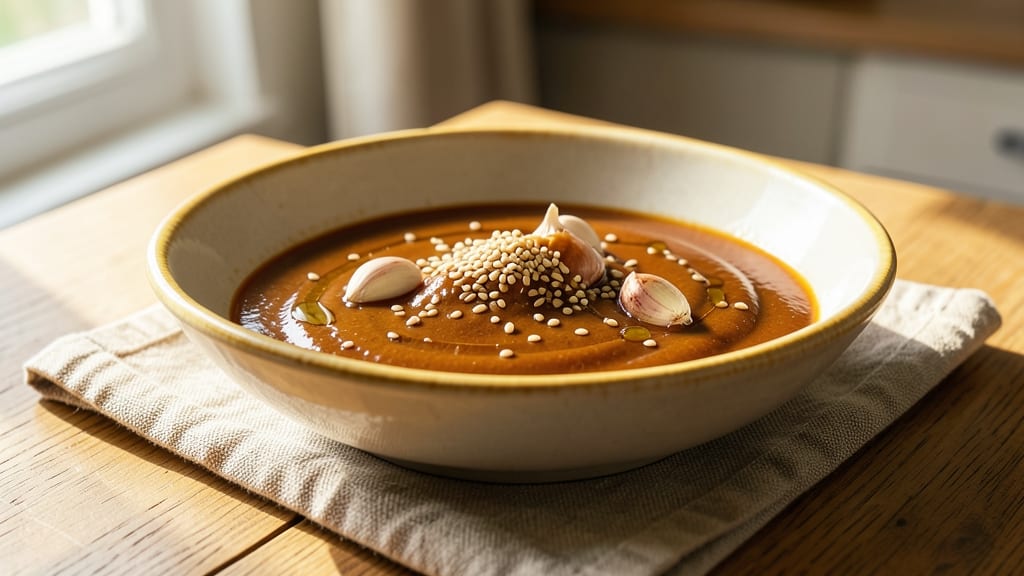
This rice cake sauce recipe transforms simple dipping into a flavor explosion—where sweet and salty harmonize perfectly. The secret lies in balancing soy sauce’s umami depth with honey’s caramel notes, finished with a touch of sesame oil for nutty warmth.
I developed this after years of testing, and it’s now my go-to for enhancing rice cakes, veggies, or even grilled meats.
What makes this sauce special is its versatility and simplicity: just five ingredients simmered together for 10 minutes, then cooled to thicken naturally. The sauce delivers a glossy, clingy finish that clings to every bite, elevating even the most basic snack.
Store it in the fridge for up to a week, or freeze for longer shelf life—perfect for meal prep or spontaneous cravings.
Ingredients for rice cake sauce
Five ingredients, ten minutes, and a sauce that turns ordinary dipping into extraordinary harmony.
| Ingredient | Amount | Notes |
|---|---|---|
| Light Soy Sauce 🍶 | ½ cup | High-quality, low-sodium preferred |
| Raw Honey 🍯 | ⅓ cup | Thick, golden variety for best flavor |
| Toasted Sesame Oil 🫒 | 1 tbsp | 100% pure, not flavored |
| Rice Vinegar 🍶 | 1 tbsp | Seasoned preferred for complexity |
| Garlic Cloves 🧄 | 2 cloves | Minced, fresh for aromatic depth |
| Sesame Seeds 🌾 | 1 tbsp | Toasted lightly for garnish |
| Diamond Crystal Kosher Salt 🧂 | ¼ tsp | Fine grain for delicate seasoning |
| Fresh Ginger 🌿 | ½ tsp | Finely grated, organic preferred |
The foundation of this sauce lies in its balance—light soy sauce should be premium, like Kikkoman or La Choy, to avoid bitterness. Raw honey matters too; choose a thick, golden variety (like Mad Honey) for proper caramelization without graininess. Toasted sesame oil is non-negotiable—100% pure options from Trader Joe's or Whole Foods deliver that nutty warmth. For garlic, organic cloves from the produce section minimize sulfuric aftertaste. Fresh ginger? Young, firm rhizomes work best—avoid fibrous or shriveled pieces. Store all ingredients in cool, dark spaces: soy sauce and vinegar in amber glass bottles preserve flavor longer.
No light soy sauce? Dark soy sauce at half the amount works, though the color will darken. Honey substitute? Maple syrup (same quantity) mimics sweetness, though lacks floral notes. Sesame oil missing? A pinch of ground sesame seeds adds subtle nuttiness, but won't replicate the oil's depth. Rice vinegar can be swapped for apple cider vinegar, though the flavor profile shifts slightly. For garlic, 1 tsp garlic powder (pre-toasted in a dry pan) is a pinch-friendly alternative. Ginger absent? A dash of ground ginger (¼ tsp) approximates the fresh zing, though lacks complexity. All substitutions should be tested in small batches—this sauce is delicate.
This sauce thickens as it cools, so refrigerate immediately after simmering. It keeps up to 1 week in an airtight glass jar in the fridge—amber glass extends shelf life by blocking light. For longer storage, freeze in ice cube trays—thawed portions work perfectly for dipping. Garnish with toasted sesame seeds just before serving to maintain crispness. The sauce's glossy finish comes from gentle whisking after cooling; avoid overmixing to prevent separation. Use within 3 months frozen for optimal flavor retention.
Why You'll Love This Recipe
- Few-ingredient Magic: I swear by this combo—just five things, no fancy gadgets. The honey and soy sauce balance perfectly while the garlic sizzles in seconds, and the sesame oil adds that nutty punch without extra work. Honestly, it’s the kind of sauce I make when I’m too tired to think.
- Sweet-Savory Balance: That first taste of honey cutting through the salty soy sauce? Chef’s kiss. The rice vinegar brightens it up just enough to keep it from feeling heavy, and the toasted sesame oil ties everything together with a warm, aromatic finish. It’s the kind of flavor that makes you reach for more without even trying.
- Dips Everything: Stuck with plain rice cakes? This sauce turns them into a snack. Drizzle it over noodles, toss it with greens, or even use it as a marinade for tofu. Between us, I’ve had it on avocado toast when I was really lazy—and it still worked.
- Lasts All Week: A small jar keeps for days in the fridge, and it only costs pennies to make. I’ll be real: I’ve had this sauce sit in my pantry for months because it’s so versatile. Plus, the honey and vinegar combo means it won’t spoil fast, so you’re always covered for a quick flavor boost.
Step-by-step instructions for sweet and salty rice cake sauce
Here's the method: balanced, vibrant, and ready in minutes.
Prepare the Aromatic Base
In a small saucepan, combine the 0.5 cup light soy sauce and 1 tbsp rice vinegar over medium-low heat. Bring just to a gentle simmer, then reduce heat to maintain a slow bubble. This low-and-slow approach prevents scorching while allowing the vinegar's acidity to mellow into the sauce.
While heating, add the 0.5 tsp finely grated fresh ginger and 2 cloves minced garlic cloves. Stir continuously for 2 minutes until fragrant—you should detect a subtle, bright aroma that signals the garlic has softened without browning. The ginger will infuse its warm, peppery notes into the sauce, creating the perfect balance for the sweet components coming next.
Sweeten and Emulsify
Remove the saucepan from heat and whisk in the 0.33 cup raw honey until fully dissolved. The mixture will thicken slightly as the honey blends with the soy-vinegar base. Return the pan to low heat and add 1 tbsp toasted sesame oil, stirring gently to incorporate. The oil will create a silky texture while adding nutty depth.
Simmer for 3-4 minutes, stirring occasionally, until the sauce reaches a glossy consistency. You're aiming for a balance between pourable and clingy—it should coat the back of a spoon but still flow smoothly. If it thickens too quickly, add 1 teaspoon warm water to adjust the texture. This step is where the sauce transforms from simple to extraordinary.
Season and Finish
Reduce heat to lowest setting and sprinkle in the 0.25 tsp diamond crystal kosher salt, stirring until fully dissolved. Taste the sauce and adjust the salt if needed—this is your quality control moment. The salt should enhance the umami from the soy sauce without overpowering the sweetness.
Remove from heat and let the sauce rest for 5 minutes. This resting period allows flavors to meld and the texture to stabilize. Before serving, drizzle in 1 tbsp toasted sesame oil and sprinkle with 1 tbsp sesame seeds for a final touch of crunch and aroma. The seeds should be lightly toasted but not burnt, adding both visual appeal and a nutty contrast to the smooth sauce.
Serve Immediately for Optimal Texture
Transfer the sauce to a serving bowl or small pitcher. Serve warm or at room temperature—it's best enjoyed within 2 hours of preparation, as the texture will slightly thicken as it cools. The sauce should glisten with a perfect balance of sheen and body, ready to cling to every bite of rice cakes or other delicate dippers.
For best results, stir gently before each use to redistribute the sesame seeds and maintain an even consistency. The sauce's magic lies in its contrast: the salty-sweet harmony of soy and honey, the bright acidity of vinegar, and the aromatic complexity of ginger and garlic. Each component plays its part in this symphony of flavors.
Pro Tips For Making Rice Cake Sauce
- Bloom the Garlic First: Toss your minced garlic cloves into the pan before adding any liquid—let them sizzle for 10-15 seconds until fragrant and just turning golden. This isn’t about burning (I’ve done that too), but about waking up those flavors before the vinegar hits. The sauce will taste deeper, not sharper.
- Warm the Honey: Drizzle that raw honey in after the garlic’s cooked—it’ll clump like glue if you add it cold. Give the pan a quick wipe with a paper towel first (yes, even if it’s clean), then let the honey melt into the sauce over low heat. Stir constantly, or you’ll end up with sugar crystals that ruin the smoothness.
- Vinegar Last, Stir Fast: Pour the rice vinegar in all at once when the soy sauce and honey are combined, then give it a vigorous stir. The acidity will make the sauce bubble—let it cook for 30 seconds max, or you’ll overpower the garlic’s sweetness. I learned this after a batch tasted like pickled soy sauce.
- Toast Sesame Oil Separately: Warm the toasted sesame oil in a separate small pan or even a mug over low heat for 10 seconds—just until it smells nutty and alive. Drizzle it in last while stirring like crazy. Adding it cold or straight from the bottle kills its aroma, and that’s the flavor boost this sauce needs.
Perfect pairings for this rice cake sauce
Rice Cake Pairings
This sauce is a game-changer for traditional Japanese rice cakes (mochi or daifuku). The sweet-salty balance cuts through the chewy texture beautifully. I like to serve it with sliced persimmons or mandarin oranges for a refreshing contrast.
For a heartier option, pair it with grilled chicken skewers or steamed fish—the sauce adds a sticky, umami-rich finish. 🍶
Crunchy Vegetable Dippers
Crispy sweet potato fries or jicama sticks become irresistible with this sauce. The honey's caramel notes complement the natural sweetness of the vegetables, while the sesame oil adds a nutty depth.
For extra crunch, toss radish slices or cucumber spears in the sauce before serving. I often prepare these ahead of time and store them in the fridge for quick snacking.
Protein Pairings
Lean proteins shine with this sauce. Grilled shrimp or tofu cubes absorb the flavors beautifully, making each bite both savory and sweet. For a bold twist, try it with spicy tuna rolls—the sauce balances the heat while enhancing the fish's richness.
I also love drizzling it over seared scallops for a restaurant-worthy touch. The sauce's glossy texture clings perfectly to delicate proteins.
Breakfast Boost
This sauce isn’t just for snacks—it’s a fantastic breakfast companion. Drizzle it over steamed rice or congee for a quick, flavorful meal. I also use it as a dip for egg rolls or spring rolls, adding a sweet-salty kick.
For a protein-packed start, pair it with scrambled eggs or soft-boiled eggs—the contrast of textures and flavors is unbeatable. 🍳
Dessert Applications
Who says sauces are just for savory dishes? This sauce elevates fruit-based desserts like mango slices or pineapple chunks. The honey’s sweetness complements the fruit’s natural sugars, while the soy and sesame add complexity.
For a decadent treat, drizzle it over warm churros or ice cream—the salty-sweet contrast is pure magic. I’ve even used it as a glaze for baked apples or pears.
Global Fusion Twists
Get creative with global flavors! Try pairing this sauce with Korean kimchi for a sweet-spicy kick or Vietnamese spring rolls for an Asian fusion twist. The sauce also works surprisingly well with Mexican street corn—the honey caramelizes beautifully with the charred corn.
For a Middle Eastern touch, serve it with hummus or baba ganoush for a unique dip combination. The possibilities are endless! ✨
Nutrition facts
Frequently asked questions
Can I make this sauce without honey?
Yes! Swap the honey for 0.33 cup maple syrup or agave nectar for a similar sweetness level. For a more traditional Asian profile, try mirin (2 tbsp) or sugar (2 tbsp) dissolved in the soy sauce before simmering. The sauce will be slightly less caramelized but still delicious.
How long does this sauce keep in the fridge?
The sauce stays fresh for up to 1 week when stored in an airtight glass jar in the refrigerator. For longer storage, freeze in ice cube trays—thawed portions work perfectly for dipping. The texture may thicken slightly upon reheating, so stir gently with warm water to restore smoothness.
Can I adjust the sweetness level?
Start with the full 0.33 cup honey and taste as you go. For less sweetness, reduce honey by 1 tbsp at a time. If you prefer extra richness, add ½ tsp vanilla extract or a pinch of cinnamon. The sauce's balance is key—adjust gradually to avoid overpowering the savory elements.
What's the best way to use leftover sauce?
Leftover sauce works wonders as a marinade for grilled proteins or a glaze for roasted vegetables. Drizzle it over steamed rice or noodles for instant flavor. For a dessert twist, toss it with warm fruit like peaches or pears. Store leftovers in the fridge for up to 3 days—the flavors deepen over time!
Why did my sauce separate?
Separation usually happens if the sauce cools too quickly or if too much oil is added. To fix it, gently reheat the sauce over low heat while whisking continuously. For a smoother texture, add 1 tsp warm water or a splash of rice vinegar to help re-emulsify. Stirring in a pinch of cornstarch (mixed with water) can also help thicken it back up.