
Side Dishes
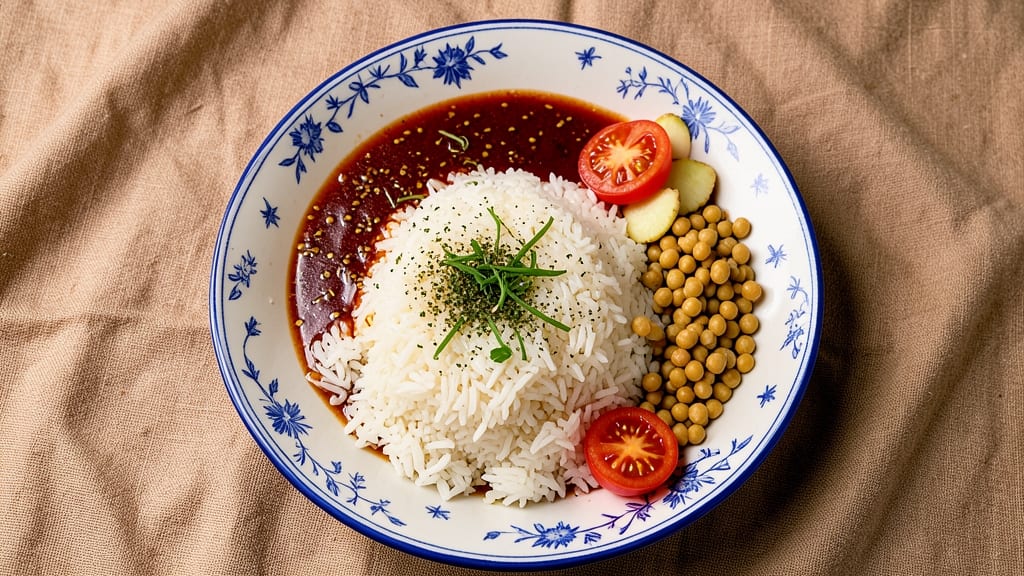
This rasam rice recipe brings the comforting flavors of South Indian home cooking to your table in one harmonious dish. The aromatic rasam—a tangy, spiced tomato-lentil broth—pairs perfectly with fragrant jeera rice, creating a balanced meal that’s both hearty and light.
I’ve perfected this recipe over years of family gatherings, where it’s always the first dish to disappear, proving its universal appeal.
The beauty of rasam rice lies in its simplicity and depth of flavor. The rasam simmers with a blend of lentils, tomatoes, and a carefully balanced mix of spices—cumin, coriander, and black pepper—that infuse the broth with warmth and complexity.
Meanwhile, the jeera rice cooks with cumin seeds, adding a subtle earthiness that complements the rasam’s tangy notes. Together, they create a dish that’s as nourishing as it is delicious.
What makes this recipe truly special is its versatility. Serve it with crispy papad or a dollop of yogurt to cool the palate, or pair it with sambar for a complete South Indian feast.
The rasam’s rich flavor enhances the rice, while the rice’s subtle aroma elevates the rasam, making every bite a perfect balance. This is comfort food at its finest, crafted to bring a taste of tradition to your kitchen.
Ready in about 45 minutes, this rasam rice is ideal for weeknight dinners or special occasions. The step-by-step process ensures even home cooks can achieve restaurant-quality results with minimal effort. Let’s bring the flavors of home to your table—one pot at a time.
Ingredients for rasam rice
Just 15 ingredients for a dish that tastes like home cooking magic.
| Ingredient | Amount | Notes |
|---|---|---|
| Long-Grain White Rice 🍚 | 1 ½ cups | Uncooked, jasmine or basmati preferred |
| Toor Dal (Split Yellow Lentils) 🌾 | ½ cup | Dry, rinsed thoroughly |
| Medium Tomatoes 🍅 | 3 whole | Ripe, Roma or vine-ripened |
| Fresh Ginger 🧄 | 1 tbsp | Grated, fresh preferred |
| Cumin Seeds 🌿 | 1 tbsp | Whole, toasted lightly |
| Ground Coriander 🌿 | 1 tsp | Freshly ground preferred |
| Black Peppercorns 🌶️ | ½ tsp | Crushed, freshly ground |
| Asafoetida (Hing) 🌿 | ⅛ tsp | Pinch, dissolved in water |
| Mustard Seeds 🌱 | ½ tsp | Whole, optional for depth |
| Curry Leaves 🌿 | 8 whole | Fresh, dried if unavailable |
| Turmeric Powder 🧂 | ¼ tsp | Freshly ground for potency |
| Garam Masala 🌶️ | ½ tsp | Store-bought or homemade |
| Tamarind Paste 🍈 | 1 tbsp | Adjust for tanginess |
| Coconut Milk 🥥 | ½ cup | Full-fat for creaminess |
| Fresh Coriander Leaves 🌿 | ¼ cup | Chopped, for garnish |
The toor dal and tomatoes are the heart of this dish. Look for yellow lentils at Indian grocery stores—they hold up better than red lentils here. Roma tomatoes have more flavor than vine-ripened, but use what's ripe. Fresh ginger is a must—Whole Foods or Indian markets usually have the best quality. Cumin seeds and mustard seeds should be toasted in a dry pan for 30 seconds until fragrant—this brings out their depth. Curry leaves are non-negotiable for that authentic aroma, but if you can't find them, dried thyme at half the amount works in a pinch.
No tamarind paste? Lemon juice works too—just add a splash more for tang. Want more heat? Add a pinch of cayenne. The garam masala can be swapped for equal parts cinnamon, cardamom, and cloves if you're making your own. For the rice, jasmine or basmati gives that fragrant aroma, but basmati is easier to find in most stores. The coconut milk adds richness—full-fat is best, but light works if that's what you've got. Fresh coriander is ideal for garnish, but dried won't ruin it.
The rasam keeps well for 3-4 days in the fridge—flavors deepen overnight. The rice reheats beautifully with a splash of water. For meal prep, store components separately and reheat together. Freezes for up to 3 months—just thaw overnight in the fridge. I always make extra because it disappears so fast at gatherings—double the batch if you're feeding a crowd.
Why You'll Love This Recipe
- One-Pot Magic: I swear by this recipe for lazy days—just toss the rice, dal, and spices into one pot, let it simmer, and walk away. No fancy layers, no stress, just that deep, tangy aroma filling the kitchen by the time you’re done.
- Tangy Comfort in Every Bite: The rasam—tomatoes, ginger, and cumin—turns this into something special. It’s not just rice; it’s that perfect balance of sour, spicy, and creamy from the dal, like a hug in a bowl.
- Lunchbox Hero: Between us, this is my go-to for packed lunches. The flavors actually improve the next day, and it reheats like a dream. Cold or warm, it’s still the star of my meal prep game.
- Budget-Friendly Staple: Toor dal and rice? Check. Tomatoes and ginger? Always on hand. This feeds four for under $5 and still feels like a restaurant dish. Honestly, it’s the kind of meal that makes grocery day worth it.
Step-by-step instructions for rasam rice
Here's how to create this comforting one-pot dish with perfect rice and aromatic rasam.
Prepare the Base Ingredients
Rinse the 1.5 cups long-grain white rice thoroughly in cold water until the water runs clear. Soak the rice for 20 minutes, then drain well. In a separate bowl, rinse the 0.5 cup toor dal (split yellow lentils) until the water is clear and no longer cloudy.
While the rice and lentils soak, peel the 3 whole medium tomatoes and chop them coarsely. Grate the 1 tablespoon fresh ginger using a fine grater or microplane. Crush the 0.5 teaspoon black peppercorns lightly with a mortar and pestle or the flat side of a knife.
This preparation ensures all ingredients are ready to go when you start cooking, making the process smoother. The soaking helps the rice and lentils cook evenly, while prepping the tomatoes and ginger upfront saves time during the cooking process.
Cook the Rice and Lentils
In a heavy-bottomed pot, combine the drained rice and lentils with 6 cups water. Bring to a boil over medium-high heat, then reduce the heat to medium-low and simmer uncovered for 15 minutes, stirring occasionally to prevent sticking.
After 15 minutes, add the chopped tomatoes, grated ginger, 1 tablespoon cumin seeds, 1 teaspoon ground coriander, 0.25 teaspoon turmeric powder, and 8 whole curry leaves. Stir well to combine. The mixture should smell fragrant and slightly spicy—this is your signal that the aromatics are releasing their flavors.
Continue cooking for another 10 minutes, stirring occasionally. The rice and lentils should be 80% cooked by now, with some liquid still remaining in the pot. This step builds the foundation of your rasam rice, blending the rice, lentils, and initial spices into a cohesive base.
Build the Rasam Sauce
Once the rice and lentils are partially cooked, add 1 tablespoon tamarind paste dissolved in 1 cup warm water, 0.5 teaspoon mustard seeds, and 0.125 teaspoon asafoetida (hing). Stir well and let the mixture simmer for 5 minutes to allow the tamarind to mellow and the flavors to meld.
Next, add 0.5 cup coconut milk and 0.5 teaspoon garam masala. Simmer for another 5 minutes until the sauce thickens slightly and the flavors deepen. The rasam should have a tangy, slightly sweet, and spiced profile—this is where the dish truly comes together. Taste and adjust the seasoning if needed, adding a pinch more salt or tamarind paste as necessary.
Here's the thing—this is the moment that matters. The rasam should coat the back of a spoon but still be light enough to pour. If it's too thick, add 2-3 tablespoons water and simmer for another minute. The sauce should be vibrant and aromatic, with a balance of tanginess from the tamarind and warmth from the spices.
Finish and Serve
Once the rasam sauce is ready, reduce the heat to low and let the rice and lentils cook through for another 5-7 minutes, stirring occasionally. The rice should be tender and fluffy, and the lentils should be soft but not mushy. If the mixture is still slightly undercooked, cover the pot and let it steam for 2-3 minutes off the heat.
Garnish the rasam rice with 0.25 cup chopped fresh coriander leaves just before serving. The bright green color of the coriander leaves adds a fresh contrast to the deep red of the rasam. Serve immediately while hot, as the flavors and textures are best enjoyed right away.
Each bite should deliver a harmonious blend of fluffy rice, soft lentils, and the tangy, spiced rasam sauce. The coconut milk adds a subtle creaminess that balances the acidity of the tamarind, while the garam masala ties everything together with its warm, complex spice profile. Enjoy your rasam rice with a side of raita or a simple salad for a complete meal.
Pro Tips For Making Rasam Rice
- Split the Dal First: I learned this the hard way—soaking whole toor dal before splitting it saves time and prevents grittiness. Use a mortar and pestle or food processor to break it down before cooking, not after. This also helps the dal soften faster in the rasam broth, giving you that silky texture you want.
- Roast Tomatoes Dry: Char those tomatoes until they’re dark and wrinkled—this concentrates their flavor and cuts down on watery rasam. Spread them cut-side down on a dry pan over medium heat for 8-10 minutes, stirring occasionally. Skip this, and your broth will taste bland and diluted.
- Simmer, Don’t Boil: Rasam needs a slow, gentle simmer to develop depth, not a rolling boil that burns the spices. Once the tomatoes and ginger are cooked down, reduce heat to low and let it bubble softly for at least 15 minutes. High heat kills the subtle tang you’re working for.
- Toast Cumin until Golden: Don’t just toss cumin seeds in—toast them in hot oil until they’re golden and smell nutty. This releases their aroma and prevents a raw, bitter taste in the rasam. A minute of close attention here makes a real difference in the final dish.
Troubleshooting this recipe
Rasam Too Thin?
If your rasam ends up watery, don’t panic—this is easily fixed. Simmer the broth uncovered over medium-low heat for an extra 5-7 minutes to reduce the liquid. For faster results, transfer it to a small saucepan and reduce by half using a spoon to skim off excess foam.
A splash of 1 tablespoon tamarind paste or 1 teaspoon tomato powder can also help thicken while adding depth. 💡
Rice Overcooked or Mushy?
Overcooked rice is a common issue, but you can salvage it by adding 2-3 tablespoons coconut milk and simmering gently for 2 minutes. This adds creaminess and prevents a gummy texture.
For future attempts, reduce the simmering time by 2 minutes and cover the pot for the final 5 minutes to steam instead of boil. Always use freshly rinsed rice—old rice absorbs more liquid.
Lentils Too Hard?
If your toor dal remains undercooked, add ½ cup hot water and simmer for another 5-7 minutes. For next time, soak the lentils for 30 minutes before cooking to reduce cooking time.
A pinch of baking soda (⅛ teaspoon) can also help soften them faster—just rinse well after cooking to remove any soapy taste. 🌾
Burnt or Bitter Flavor?
Burnt flavors usually mean the spices or tomatoes were cooked too long. To prevent this, always toast cumin and mustard seeds in a dry pan for 30 seconds before adding them to the pot.
For burnt tomatoes, blend them raw with ½ cup water and add the puree to the rasam—this keeps the flavor fresh. A splash of lemon juice can also brighten overly bitter rasam.
Rasam Too Tangy?
If the tamarind overpowers, balance it with 1 teaspoon sugar or ½ teaspoon jaggery. For a smoother texture, blend the rasam briefly with an immersion blender—this mellows the acidity.
If you prefer less tang, reduce the tamarind to ½ tablespoon next time and compensate with extra tomatoes for natural sweetness.
Garnish Not Sticking?
Fresh coriander leaves often float instead of sticking. To fix this, mix 1 teaspoon cornstarch with 1 tablespoon water, drizzle over the rasam, and stir gently.
The cornstarch acts as a natural adhesive. For extra flair, sprinkle toasted cumin seeds or crushed black pepper on top—these add texture and aroma. 🌿
Nutrition facts
Frequently asked questions
Can I make rasam rice without coconut milk?
Yes, coconut milk adds richness but isn't essential. For a lighter version, replace it with ½ cup water or ¼ cup yogurt—both will balance the tanginess. If you omit it, add 1 teaspoon sugar to complement the tamarind's acidity.
What's the best rice for rasam rice?
Jeera rice (cumin rice) or basmati are ideal—their subtle aroma pairs perfectly with rasam's bold flavors. For extra fragrance, toast ½ teaspoon cumin seeds in oil before cooking the rice. Avoid long-grain rice that becomes mushy when mixed with broth.
How do I adjust the spice level?
Start with the recipe's ½ teaspoon black pepper and adjust to taste. For milder heat, reduce pepper by half and add ¼ teaspoon ground fennel instead. For extra kick, add ¼ teaspoon red chili powder or a pinch of cayenne—always taste before serving.
Can I prepare rasam rice ahead of time?
Cook the rice and rasam separately, then reheat with 2 tablespoons water per cup. Store components in airtight containers for up to 3 days. For best texture, reheat gently and garnish fresh coriander just before serving.
What makes this different from sambar rice?
While both are South Indian staples, rasam rice features a tangy tomato-lentil broth with coconut milk, while sambar uses a thicker, vegetable-based gravy with more spices. Rasam is lighter and quicker to make—perfect for weeknight meals, whereas sambar is heartier for celebrations.