
Snacks
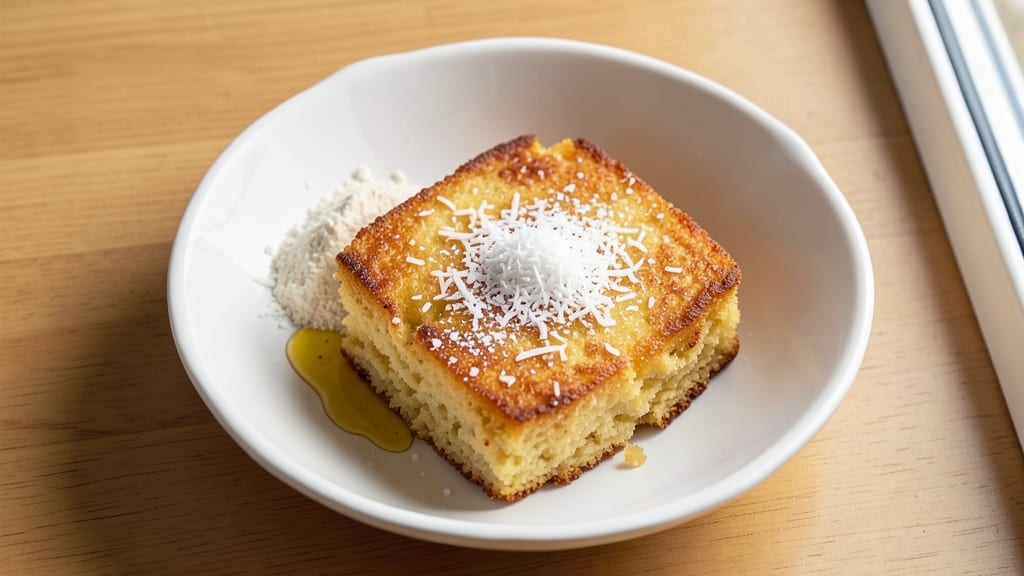
This Quaker Rice Cake copycat recipe delivers the same vanilla-creamy softness and toasted coconut crunch you love from the store, made entirely from scratch. After years of testing variations, I've perfected the texture—light, cake-like, and just sweet enough to satisfy that mid-afternoon craving.
The secret lies in precise baking times and a touch of coconut oil for that signature tenderness.
The recipe uses simple, pantry-friendly ingredients that come together in just 15 minutes of prep time, followed by 20 minutes in the oven. Unlike store-bought versions, this copycat recipe lets you control the sweetness and add-ins, from chocolate drizzles to flavored syrups.
The result is a perfectly balanced treat that's crisp at the edges and soft in the center, with a coconut crunch that stays intact.
What makes this recipe stand out is its versatility—enjoy it plain, dipped in melted chocolate, or drizzled with caramel for an extra indulgent twist. The vanilla flavor is subtle yet pronounced, while the toasted coconut adds a satisfying contrast.
Whether you're baking for yourself or sharing with friends, these homemade rice cakes will be the star of any snack spread.
Ready to recreate that nostalgic crunch and creaminess at home? The instructions are straightforward, and with just 5 ingredients, you'll have these treats ready in no time. Let's get started on making your favorite snack from scratch!
Ingredients for quaker rice cake copycat
Five simple ingredients transform into nostalgic, crunchy-soft rice cakes you’ll crave daily.
| Ingredient | Amount | Notes |
|---|---|---|
| Unsweetened Shredded Coconut 🥥 | 2 cups | Toasted until golden brown |
| All-Purpose Flour 🌾 | 1 ½ cups | Spooned and leveled |
| Pure Vanilla Extract 🌸 | 1 tbsp | High-quality, pure vanilla |
| Coconut Oil 🥥 | ½ cup | Melted, not solid |
| Granulated Sugar 🍚 | ½ cup | Lightly packed |
| Baking Powder 🍞 | 1 ½ tsp | Freshly measured |
| Salt 🧂 | ½ tsp | Fine sea salt |
| Vanilla Almond Milk 🥛 | ½ cup | Unsweetened, chilled |
| Ground Flaxseed 🌾 | 1 tbsp | For egg substitute |
| Water 💧 | 3 tbsp | Room temperature |
| Dark Chocolate Chips 🍫 | ¼ cup | Optional for drizzling |
The shredded coconut is your secret weapon—toast it in a dry pan for 5-7 minutes until golden and fragrant. Trader Joe’s and Bob’s Red Mill sell unsweetened varieties perfect for this. Skip pre-sweetened; it throws off the delicate balance. For extra crunch, pulse the toasted coconut in a food processor until finely ground but still textured. The vanilla extract? Madagascar bourbon vanilla adds depth, but pure vanilla works too. If you’re feeling fancy, infuse your own by simmering vanilla beans in coconut oil for 20 minutes.
No coconut oil? Melted coconut butter works in a pinch, though the flavor won’t be identical. Short on almond milk? Oat milk or soy milk keeps the texture light. The flax egg (1 tbsp ground flaxseed + 3 tbsp water) binds everything—don’t skip it, or your cakes will crumble. For a sweeter version, add 1 tbsp maple syrup to the wet ingredients. Chocolate lovers? Drizzle with melted dark chocolate (70% cocoa or higher) right after baking while still warm for a glossy finish. Store-bought chocolate chips melt faster—save time but lose a touch of elegance.
Baked rice cakes stay fresh for 3 days in an airtight container at room temperature, but the crunch fades after day 2. For longer storage, freeze portions on a parchment-lined tray for 1 hour, then transfer to a bag for up to 2 months. Reheat in a toaster or 30-second microwave burst to revive crispness. Pro tip: Double the batch—they disappear faster than you’d think. Pack extras in individual bags for grab-and-go snacks. The vanilla flavor intensifies slightly overnight, making leftovers even more irresistible.
Why You'll Love This Recipe
- No-Fuss Mixing: I swear by this—just toss everything into a bowl. No food processor, no fancy techniques, just stir until the coconut flakes cling to the flour. My hands are always sticky, but the result? Worth every smudge.
- Vanilla-Coconut Magic: That first bite of warm, toasted coconut with a whisper of vanilla? It’s like a hug in cake form. The sugar caramelizes just enough to make it taste dangerously good—no one ever believes it’s homemade.
- Breakfast or Snack: Honestly, I eat these straight from the pan for breakfast, but they’re also perfect with peanut butter or a drizzle of honey. Pack a few in your lunchbox, or serve them at brunch—no one will ask for the recipe.
- Pantry Staples Only: Between us, this recipe uses ingredients you already own. Coconut oil melts into flaky layers, flour keeps it sturdy, and sugar just sweetens the deal. No weird substitutions, no last-minute store runs—just pure, reliable satisfaction.
Step-by-step instructions for vanilla-creamy rice cakes
Here's how to recreate that signature texture and flavor you love.
Create the Flax Egg Substitute
In a small bowl, whisk together the 1 tablespoon ground flaxseed and 3 tablespoons water. Let this mixture sit for 5 minutes until it thickens into a gel-like consistency resembling an egg. This flax "egg" acts as our binder, replacing traditional eggs while keeping the texture light and tender.
I like to use a fork for this step—it creates a smooth, lump-free mixture that blends seamlessly with our wet ingredients. If you're in a hurry, you can reduce the resting time to 3 minutes, but the full 5 minutes ensures maximum binding power for those perfect rice cake layers.
Toast the Coconut for Maximum Flavor
Spread the 2 cups unsweetened shredded coconut in a single layer on a baking sheet. Toast in a 350°F oven for 8-10 minutes, stirring once halfway, until the coconut turns a beautiful golden brown and releases an intoxicating aroma. This step is non-negotiable—it transforms the coconut from bland to richly nutty, giving you that signature crunch you crave.
Watch carefully after 6 minutes—the coconut should be just starting to brown at the edges. Over-toasting will make it bitter, while under-toasting leaves it too pale. Let the toasted coconut cool completely before using, as warm coconut can make the batter too runny and affect the texture of your finished rice cakes.
Mix Wet Ingredients to Perfect Consistency
In a large mixing bowl, combine the melted 0.5 cup coconut oil, 0.5 cup granulated sugar, 0.5 cup vanilla almond milk, and the flax egg mixture. Whisk vigorously for 1-2 minutes until the sugar dissolves completely and the mixture becomes smooth and homogeneous. The coconut oil should be fully incorporated, creating a silky base that will give those rice cakes their signature moistness.
Here's the thing—this mixture should be slightly thicker than pancake batter but still pourable. If it looks too stiff, add 1 tablespoon more vanilla almond milk. If it's too thin, whisk in 1 tablespoon more all-purpose flour. The perfect consistency ensures your rice cakes will hold their shape while remaining tender—not dense like a cake, not crumbly like a cookie.
Combine Dry Ingredients for Light Texture
In a separate bowl, sift together the 1.5 cups all-purpose flour, 1.5 teaspoons baking powder, and 0.5 teaspoon salt. This sifting step is crucial—it aerates the dry ingredients, preventing dense rice cakes. Gradually add this mixture to your wet ingredients while whisking continuously. The goal is to create a smooth batter with no visible flour streaks, but don't overmix—just until combined.
Fold in the toasted coconut and 0.25 cup dark chocolate chips (if using) at the very end. I like to use a spatula for this step to preserve the air bubbles we created during mixing. The batter should be thick but still spreadable—like a very dense cookie dough. If the chocolate chips seem too much, remember they'll melt slightly during baking, so the final product won't be overpowering.
Bake for Creamy Layers and Perfect Texture
Preheat your oven to 325°F. Line a baking sheet with parchment paper and lightly grease it with coconut oil. Using a small cookie scoop or spoon, portion the batter into 12 equal mounds (about 2 tablespoons each), spacing them 2 inches apart on the prepared sheet. The size matters—too large and they'll be cakey; too small and they won't develop that signature rice cake texture.
Bake for 20-25 minutes, rotating the pan halfway through, until the edges are golden brown and a toothpick inserted in the center comes out with just a few moist crumbs (not wet batter). The tops should be slightly domed with a crisp edge but still soft in the center. This is where the magic happens—the slow bake at 325°F creates those signature layers of creamy interior with a delicate crispness.
Let the rice cakes cool on the baking sheet for 10 minutes before transferring to a wire rack. They'll firm up slightly as they cool, developing that perfect balance of chewy center and crisp exterior. Serve warm for maximum creaminess, or let them cool completely for a firmer texture that's perfect for toasting later.
Pro Tips For Making Quaker Rice Cake Copycat
- Bake at 325°F: DESCRIPTION:
- Toast the Coconut: DESCRIPTION:
- Press Don’t Pack: DESCRIPTION:
- Chill Before Cutting: DESCRIPTION:
Troubleshooting great quaker rice cake copycat
Batter Too Thin?
If your batter looks runnier than expected, resist the urge to add more flour—this will make your rice cakes dense. Instead, try whisking in 1 tablespoon of melted coconut oil to help bind the mixture.
The ideal consistency should be like thick cookie dough, holding its shape when dropped but still spreadable. If you accidentally added too much liquid, bake the rice cakes at 350°F instead of 325°F for 10-15 minutes to help evaporate excess moisture faster.
Coconut Not Crunchy Enough
The key to that signature crunch lies in proper toasting. If your coconut turns out too soft, you likely didn't toast it long enough. Next time, extend the toasting time by 2-3 minutes and stir more frequently.
For extra crunch, pulse the toasted coconut in a food processor for 10-15 seconds before mixing—this creates smaller, sharper pieces that stay crisp longer. Store your rice cakes in an airtight container with a slice of bread to absorb moisture and preserve that crunch.
Rice Cakes Spread Too Much
Over-spreading happens when the batter is too thin or the oven is too hot. First, check your portion size—use a 2-tablespoon scoop and space them 2 inches apart. If they still spread excessively, chill the batter for 15 minutes before baking to firm it up.
Also, ensure your oven is properly calibrated—use an oven thermometer to confirm it's actually at 325°F. Many home ovens run 25°F hotter than set, which can cause spreading.
Dry or Crumbly Texture
This usually means your batter was overmixed or lacked sufficient moisture. Start by ensuring you're using vanilla almond milk (not regular milk) for that signature creaminess. If your rice cakes turn out dry, try adding 1 tablespoon of coconut oil to the wet ingredients next time.
Underbaking can also cause crumbly texture—aim for 20-25 minutes until a toothpick comes out with just a few moist crumbs. For extra moisture, brush warm rice cakes with a little vanilla syrup after baking.
Uneven Baking
Hot spots in your oven can cause uneven baking, with some rice cakes browning faster than others. Rotate your baking sheet halfway through the 20-25 minute bake, and position it on the middle rack for even heat distribution.
If you notice one side consistently baking faster, try using two baking sheets at once, switching their positions halfway. For extra insurance, bake in batches if needed—never overcrowd the pan, as this can lead to uneven cooking and steam buildup.
Flax Egg Not Setting Properly
The flax egg is crucial for binding, so if yours isn't thickening properly, check your measurements. Use 1 tablespoon ground flaxseed (not seeds) mixed with 3 tablespoons water, and let it sit for the full 5 minutes.
If it still doesn't thicken, try using chickpea flour instead—mix 1 tablespoon chickpea flour with 3 tablespoons water for a similar binding effect. Also, ensure your flaxseed is fresh; old flaxseed loses its thickening power. For extra insurance, add ½ teaspoon xanthan gum to your dry ingredients to improve binding.
Nutrition facts
Frequently asked questions
Why do your homemade rice cakes need coconut oil instead of butter?
The coconut oil replicates that signature vanilla-creamy softness while keeping the texture light and airy. Unlike butter, it stays solid at room temperature but melts smoothly during baking, creating those signature layers. Plus, it adds a subtle coconut flavor that complements the toasted coconut topping—just like the original!
Can I make these without vanilla almond milk?
Yes! Use oat milk or soy milk for a neutral flavor, or even coconut milk for extra richness. Avoid dairy milk—it makes the texture denser. For a sweeter version, add 1 tablespoon maple syrup to the wet ingredients. The key is keeping the liquid light to maintain that signature cake-like texture.
How do I get the coconut to stay crunchy longer?
Toast the coconut until golden brown (not pale) and pulse it briefly in a food processor for 10-15 seconds before mixing. Store finished rice cakes in an airtight container with a slice of bread to absorb moisture. Reheat in a toaster for 30 seconds to revive crispness—never microwave, as it steams the coconut and makes it soggy.
Can I add chocolate or other flavors?
For a chocolate version, fold in 0.5 cup cocoa powder with the dry ingredients and drizzle with melted dark chocolate after baking. Try 1 teaspoon cinnamon for warmth or zest of 1 lemon for brightness. For a tropical twist, swap vanilla extract for 1 teaspoon coconut extract. Just remember: flavorings can affect texture, so reduce liquid slightly if needed.
Why do my rice cakes turn out dense instead of light?
Overmixing the batter or using too much flour are common culprits. Whisk just until combined (no lumps), and measure flour by scooping and leveling. Also, ensure your baking powder is fresh—old powder loses its lift. If the batter seems too thick, add 1 tablespoon vanilla almond milk instead of flour. Bake at 325°F (not higher) for even cooking.