
Main Courses
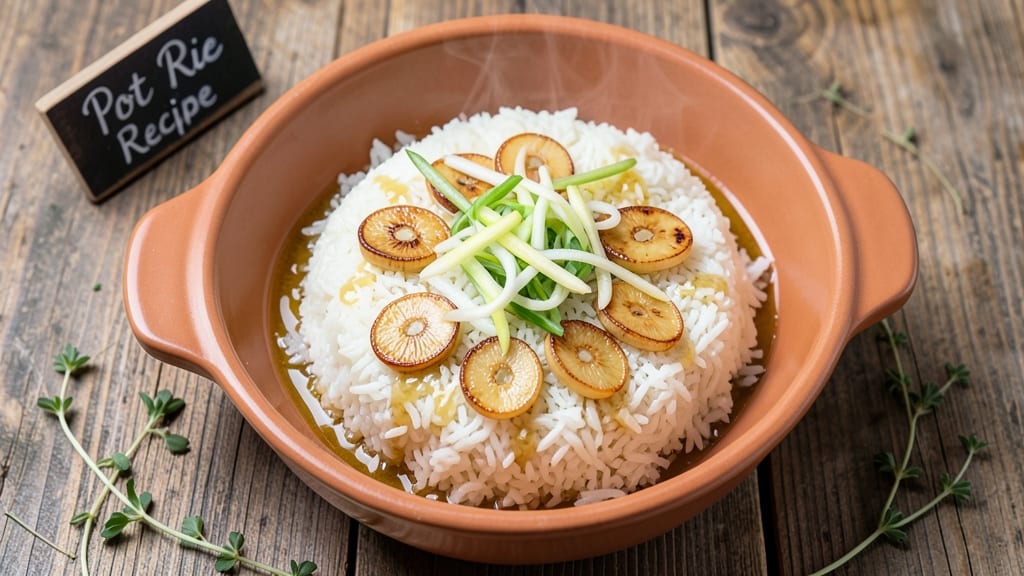
Mastering a pot rice recipe that delivers restaurant-quality flavor in one pan is simpler than you think, and this wok-seared aromatics method changes everything.
The secret lies in building layers of flavor directly in the pot—sautéing garlic, ginger, and scallions until fragrant before adding rice and liquid, creating a base that transforms simple grains into deeply aromatic, perfectly textured rice every time.
This technique works for any rice variety—jasmine, basmati, or short-grain—but the magic happens in the searing step. By cooking the aromatics until golden and slightly crispy, you infuse the rice with depth that no pre-toasted spices can match.
The result? Fragrant grains with a subtle caramelized edge and a texture that’s tender yet distinct, ready to absorb any protein or vegetable you add.
What sets this method apart is its versatility: use it as a foundation for stir-fries, curries, or standalone rice dishes. The one-pot approach means less cleanup, and the flavor development happens while you prep other components.
Whether you’re cooking for two or feeding a crowd, this recipe delivers professional results with minimal effort.
For best results, maintain a steady simmer after adding liquid—this ensures even cooking without burning. The final dish should be tender with a slight bite at the core, and the aroma alone will have everyone asking what you’ve done differently. Let’s get cooking with this foolproof method.
Ingredients for pot rice
Twelve simple ingredients transform into fragrant, restaurant-style pot rice with wok-seared aromatics.
| Ingredient | Amount | Notes |
|---|---|---|
| Jasmine Rice 🍚 | 1 ½ cups | Uncooked, long-grain preferred |
| Garlic Cloves 🧄 | 6 cloves | Fresh, minced for searing |
| Fresh Ginger 🌿 | 2 tbsp | Finely grated, aromatic |
| Scallions 🧅 | ½ cup | White and green parts, sliced |
| Vegetable Oil 🫒 | ¼ cup | High smoke point, neutral flavor |
| Chicken Broth 💧 | 2 cups | Low-sodium preferred |
| Water 💧 | 1 cup | Filtered preferred |
| Salt 🧂 | 1 ½ tsp | Kosher or sea salt |
| White Pepper 🌶️ | ¼ tsp | Freshly ground for subtle heat |
| Sesame Oil 🫒 | 1 tsp | Toasted, for finishing |
| Green Onions 🧅 | 2 whole | Sliced, for garnish |
| Fresh Cilantro 🌿 | ¼ cup | Chopped, optional garnish |
The rice variety matters here—jasmine delivers the signature floral aroma, but basmati or short-grain work equally well. For the aromatics, fresh garlic and ginger from the produce section (not the jarred kind) are essential—they release oils that build flavor during searing. Whole Foods or Trader Joe's carry pre-minced ginger if you're short on time, but freshly grated has more punch. Scallions should be vibrant, not wilted; Costco sells them in bulk for better value. Use high-smoke-point vegetable oil like avocado or grapeseed—olive oil can burn at high heat.
No fresh ginger? Ginger paste works at half the amount, but the texture differs slightly. Low-sodium chicken broth is ideal, but vegetable broth or even water with a bouillon cube keeps this vegetarian-friendly. Diamond Crystal kosher salt dissolves cleanly, but any sea salt works. For the finishing touches, toasted sesame oil adds depth—Kadoya or La Choy are reliable brands. Garnishes like green onions or cilantro are optional but brighten the dish; store cilantro stems separately in a damp paper towel for freshness.
Rice keeps best in a sealed container for 3-4 days in the fridge—reheat with a splash of water to restore moisture. For longer storage, freeze portions for up to 3 months. The seared aromatics intensify over time, so leftovers often taste even better. Double the batch—this rice pairs perfectly with stir-fries or curries, and the extra effort yields restaurant-quality results with minimal cleanup.
Why You'll Love This Recipe
- One-Pot Magic: I swear by this recipe when I’m too tired to wash dishes—just rice, oil, and aromatics in one pot. The jasmine rice soaks up all that fragrant garlic-ginger-scallion oil like a sponge, turning into fluffy, golden perfection without a single extra pan.
- Garlic-Ginger Bomb: That first bite? Pure flavor payoff. The fresh ginger adds a bright snap, while the garlic and scallions caramelize just enough to coat every grain—no fancy sauces, just honest, punchy goodness that sticks with you.
- Lunchbox Hero: Between us, this is my go-to for meal prep. Cook a big batch on Sunday, and you’ve got a week’s worth of rice that reheats beautifully—whether it’s cold in a bento box or warmed up with leftover proteins.
- Budget Stretch: Jasmine rice and fresh ginger are affordable staples, and this recipe uses them efficiently. I’ll be real: it’s the kind of dish that makes a $10 grocery run feel like a feast, especially when you stretch it across multiple meals.
Step-by-step instructions for wok-seared aromatics and fragrant grains
This method delivers restaurant-quality pot rice with deep flavor and perfect texture every time.
Prepare the Jasmine Rice
Rinse the 1.5 cups jasmine rice thoroughly under cold water until the water runs clear. This removes excess starch that can make the rice gummy. I use a fine-mesh strainer and swirl the rice gently with my fingers to ensure all surfaces are clean. Drain well and transfer to a medium bowl.
Add the 2 cups chicken broth and 1 cup water to the drained rice. Stir gently once to distribute the liquid evenly, then let it soak for 20 minutes. This hydration step ensures even cooking and prevents dry, separate grains. The rice should absorb the liquid but remain slightly firm to the touch when pressed.
Sear the Aromatics
Heat a large pot or wok over medium-high heat until hot. Add the 0.25 cup vegetable oil and swirl to coat the bottom evenly. Add the 6 cloves minced garlic cloves and 2 tbsp finely grated fresh ginger, stirring constantly for 30 seconds until fragrant.
Add the 0.5 cup sliced scallions and continue stirring for another 1 minute until the garlic turns golden brown. This quick searing builds deep flavor and prevents the aromatics from burning. The mixture should smell intensely aromatic—this is your signal to move to the next step immediately.
Combine and Simmer
Add the soaked jasmine rice along with the absorbed liquid to the pot. Stir once to distribute the rice evenly. Bring to a boil over high heat, then immediately reduce to low heat. Cover tightly with a lid and simmer for 15 minutes without lifting the lid.
After 15 minutes, check for doneness by lifting a grain—it should be tender but still slightly firm in the center. If needed, continue simmering for another 2-3 minutes. The rice should absorb all the liquid and develop a slightly sticky texture without being mushy.
Finish with Seasoning
Remove from heat and let the rice sit covered for 5 minutes. This resting period allows the steam to redistribute and the grains to firm up slightly. Stir in the 1.5 tsp salt and 0.25 tsp white pepper, mixing gently to distribute evenly.
Drizzle with 1 tsp sesame oil and toss lightly. Garnish with 2 sliced green onions and 0.25 cup chopped fresh cilantro. Serve immediately while the rice is still steaming hot, allowing the fragrant aromatics to release their full flavor.
Pro Tips For Making Pot Rice
- TOAST THE GINGER FIRST: I learned this the hard way—raw ginger in pot rice just sits there like a wet brick. Slice it thin (⅛-inch), then fry until it’s golden and fragrant before adding garlic. That’s when the real flavor kicks in, not when it’s just boiling in the pot.
- USE A TIGHT LID AFTER 5 MINUTES: The first 5 minutes of cooking are about getting that rice to bloom evenly. Once the liquid’s simmering and the rice is just starting to absorb it, slap that lid on tight. I used to peek every 30 seconds, and the rice would dry out like sand.
- MINCE GARLIC FINE—NO CHUNKS: Big garlic slices burn before they soften, leaving you with bitter bits instead of smooth flavor. Use the flat side of your knife to crush cloves first, then mince to a paste. It cooks faster and blends right into the rice.
- SALT THE WATER LIKE THE SEA: Too little salt leaves your rice bland; too much makes it tough. Aim for 1½ teaspoons per 2 cups of water—enough to taste the ocean, not the Dead Sea. And yes, even if you’re using salty broth later, the rice needs its own seasoning.
Flavor customization for this dish
Spicy Chili-Lime Twist
Transform this pot rice into a zesty, spicy dish by adding 1 tbsp chili powder and 1 tbsp lime zest during the searing step. Finish with 1 tbsp lime juice and ½ tsp cayenne pepper before serving.
The lime brightens the rice while the chili adds warmth—perfect for tacos or bowls. 🌶️
Coconut Curry Fusion
For a Thai-inspired version, stir in ½ cup coconut milk and 1 tbsp red curry paste (like Maesri) during the simmer. Add 1 cup shredded chicken or tofu and ½ cup bell peppers> for a vibrant, creamy rice dish.
Garnish with cilantro and crushed peanuts for texture. This version works beautifully with jasmine or short-grain rice.
Garlic Butter Infusion
Swap the sesame oil for 1 tbsp melted butter> and 1 tsp garlic powder at the end. Add 2 tbsp chopped parsley for freshness. This rich variation pairs perfectly with grilled meats or roasted vegetables. For extra decadence, sprinkle with ½ tsp smoked paprika> before serving. 🧈
Herb-Forward Mediterranean
Infuse the rice with 1 tsp dried oregano and 1 tsp dried thyme> during the searing step. Finish with 2 tbsp chopped fresh dill> and a drizzle of lemon olive oil (mix 1 tbsp olive oil> with 1 tbsp lemon juice>).
This version shines with grilled lamb or falafel.
Smoky BBQ Rice Bowl
Add ½ cup BBQ sauce> (like Sweet Baby Ray's) and 1 tbsp smoked paprika> to the pot after the rice is cooked. Top with ½ cup pulled pork or black beans> and pickled jalapeños> for a bold, smoky flavor.
This is a crowd-pleaser for game day or weeknight dinners. 🍖
Sweet and Savory Sesame
For a dessert-inspired twist, stir in 1 tbsp brown sugar> and ½ tsp cinnamon> during the simmer. Finish with 1 tsp toasted sesame seeds> and a drizzle of honey. This version works surprisingly well with sweet potatoes or apples for a unique side dish. 🍯
Nutrition facts
Frequently asked questions
Why does my one-pot rice turn out mushy?
The most common cause is overcooking or too much liquid. This recipe uses a 2:1 liquid-to-rice ratio (3 cups liquid for 1.5 cups rice), but if your rice variety absorbs differently, reduce liquid by ¼ cup next time. Also, check for doneness at 15 minutes—lifting a grain should show a slight firmness in the center.
Can I substitute jasmine rice with another type?
For a firmer texture, use basmati rice (same ratio). Short-grain rice like sushi rice will be stickier—reduce liquid by ¼ cup and add 1 tbsp rice vinegar at the end. The searing method works for all varieties, but cooking times may vary slightly.
How do I make this recipe vegetarian?
Replace the chicken broth with vegetable broth (or water + 1 bouillon cube) and add protein like tofu, chickpeas, or mushrooms during the simmer. For extra flavor, stir in 1 tsp soy sauce or nutritional yeast with the sesame oil at the end.
What's the best way to reheat leftover pot rice?
Sprinkle 1 tsp water per cup of rice and cover with a damp paper towel. Reheat in the microwave for 1-2 minutes on medium power. For stovetop, use low heat with a splash of broth to restore moisture. Never reheat dry—it makes the rice gummy.
Can I make this in an Instant Pot or rice cooker?
Yes! For the Instant Pot, follow the same searing steps, then add rice + liquid and cook on high pressure for 4 minutes. Natural release for 10 minutes. For rice cookers, use the same liquid ratio and cook on high heat until fully absorbed (about 20-25 minutes). The seared aromatics will still infuse flavor beautifully.