
Side Dishes
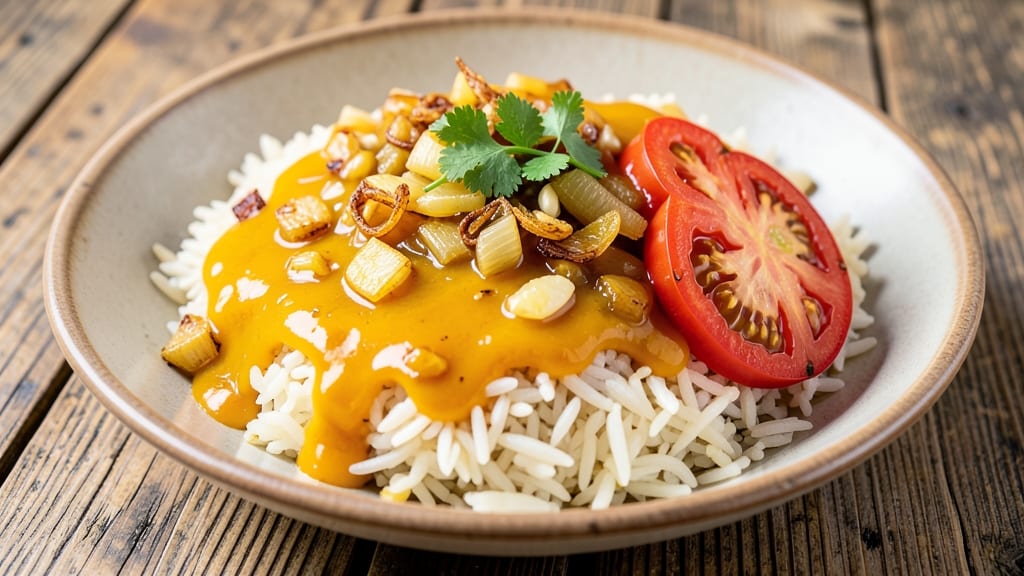
This Peru rice recipe transforms simple grains into the vibrant, aromatic heart of Peruvian cuisine—Arroz Amarillo, where turmeric-infused rice meets sofrito for a dish that’s as visually stunning as it is flavorful.
The secret lies in the slow-cooked sofrito base, which builds layers of smoky, savory depth that clings to each perfectly tender grain. After years of perfecting this technique, I’ve developed a method that delivers restaurant-quality results with minimal effort.
The magic begins with a sofrito blend of onions, garlic, and ají amarillo chili, simmered until caramelized and fragrant—this forms the flavor foundation for the rice. Turmeric doesn’t just color the dish; it adds an earthy warmth that pairs beautifully with the sofrito’s complexity.
The rice absorbs these flavors as it cooks, resulting in grains that are separate yet cohesive, with a delicate texture that’s neither mushy nor dry.
What you’ll end up with is a dish that’s bold in flavor, vibrant in color, and rich in tradition—each bite offers a harmonious balance of smoky, spicy, and slightly sweet notes.
This is the kind of rice that elevates any meal, whether served alongside grilled meats, fried fish, or as a standalone centerpiece for special occasions. The sofrito-infused aroma alone will have everyone at the table asking for seconds.
Ready to master this Peruvian staple? The process is straightforward, but the results are anything but ordinary. Let’s get started on creating a dish that’s as much about technique as it is about tradition—where every ingredient plays a precise role in the final masterpiece.
Ingredients for peru rice
The sofrito-infused foundation and turmeric-kissed grains create this Peruvian masterpiece.
| Ingredient | Amount | Notes |
|---|---|---|
| Long-Grain White Rice 🍚 | 1 ½ cups | Uncooked, rinsed thoroughly |
| Yellow Ají Amarillo Paste 🌶️ | 2 tbsp | High-quality, authentic paste |
| Ground Turmeric 🌿 | 1 tsp | Freshly ground for vibrant color |
| Yellow Onions 🧅 | 2 whole | Medium size, finely diced |
| Garlic Cloves 🧄 | 6 cloves | Peeled, minced finely |
| Tomatoes 🍅 | 4 whole | Roma, diced, seeds removed |
| Chicken Broth 💧 | 2 ½ cups | Low-sodium, homemade preferred |
| Olive Oil 🫒 | ¼ cup | Extra-virgin, for sautéing |
| Cumin Seeds 🌿 | ½ tsp | Toasted lightly for aroma |
| Fresh Cilantro 🌿 | ¼ cup | Chopped, for garnish |
| Lemon Juice 🍋 | 2 tbsp | Freshly squeezed |
| Salt 🧂 | 1 ½ tsp | Diamond Crystal kosher salt |
| Black Pepper 🌶️ | ½ tsp | Freshly ground |
| Fresh Cilantro Leaves 🌿 | ⅛ cup | For garnish, stems removed |
The sofrito blend is where the magic happens. Authentic ají amarillo paste is non-negotiable—Peruvian markets or specialty Latin grocers carry the best quality. If you can't find it, yellow bell pepper paste works in a pinch, though it lacks the authentic depth. The onions should be sweet and yellow, not red or white—they caramelize beautifully and form the base flavor. Garlic cloves must be freshly minced to avoid bitterness. For tomatoes, Roma varieties are ideal due to their lower water content, which prevents a watery sofrito. The turmeric should be freshly ground for maximum color and flavor impact, not pre-ground powder which loses potency quickly.
No ají amarillo? Yellow bell pepper paste or smoked paprika can substitute, though the flavor profile will differ slightly. Running out of fresh cilantro? Dried cilantro at one-third the amount works, but it lacks the bright freshness. The chicken broth should be low-sodium to control seasoning—homemade is best, but Swanson or Pacific Foods brands are reliable store-bought options. For the rice, long-grain white rice is essential; basmati or jasmine won't achieve the same texture. The lemon juice should be freshly squeezed at the end to brighten the dish—bottled juice lacks the necessary acidity. If you're short on time, pre-minced garlic from the jar works, though freshly minced is always preferred.
This dish tastes even better the next day as flavors meld. Store in an airtight container in the refrigerator for up to 4 days. For longer storage, portion into freezer-safe containers and freeze for up to 3 months. The sofrito base can be made ahead and stored in the fridge for 5 days or frozen for 3 months. When reheating, add a splash of water or broth to prevent drying. The dish reheats beautifully, making it perfect for meal prep. Garnish with fresh cilantro just before serving to maintain its vibrant color and aroma.
Why You'll Love This Recipe
- One-Pot Magic: I swear by this recipe because it’s actually one-pot—no clunky rice cooker or double-duty pans. Just rice, onions, garlic, and that golden ají amarillo paste simmering together until the grains are fluffy and fragrant. Honestly, I’ve burned rice before, but this method forgives mistakes.
- Golden Umami Bomb: That ají amarillo paste? It’s the star—bright, tangy, and just sweet enough to make your mouth water. The turmeric adds this subtle warmth, while the garlic and onions caramelize into something dangerously addictive. Not fancy, but the kind of flavor that sticks with you.
- Weeknight & Potluck Hero: I make this for lazy Tuesdays and bring it to gatherings—it’s neutral enough to pair with grilled meats or hearty stews, but bold enough to stand alone. My roommates steal seconds, and my mom texts me asking for the recipe. (Yes, even on a Tuesday night.)
- Leftovers That Don’t Suck: Unlike plain rice, this stays ridiculously good for days—reheat it, toss it in salads, or serve it cold with lime. And because it’s just rice, spices, and a few pantry staples, it’s my budget-friendly go-to. No sad, dry grains here.
Step-by-step instructions for sofrito-infused arroz amarillo
Master this vibrant Peruvian dish with precise technique and aromatic layers.
Toast the Cumin Seeds and Sauté the Aromatics
Heat the olive oil in a heavy-bottomed pot over medium heat. Add the cumin seeds and toast for 30 seconds until fragrant and lightly golden—this releases their essential oils and forms the aromatic base. Immediately add the finely diced yellow onions and cook for 5 minutes until translucent, stirring occasionally.
Increase heat to medium-high and add the minced garlic cloves. Sauté for 30 seconds until the garlic turns golden but doesn't brown—this prevents bitterness. Reduce heat to medium and stir in the yellow ají amarillo paste, allowing it to bloom for 1 minute. The paste will deepen in color and create a rich, slightly spicy foundation for the rice.
Build the Sofrito Base with Tomatoes and Spices
Add the diced tomatoes and cook for 8-10 minutes until they break down into a thick, jammy consistency. This process intensifies their flavor and creates the sofrito base. Stir in the ground turmeric, salt, and black pepper, allowing the spices to meld with the tomato mixture for 2 minutes.
Pour in the chicken broth and bring to a gentle simmer. Add the rinsed long-grain white rice and stir once to distribute evenly. The rice should be fully submerged in the liquid. This initial cooking phase ensures even absorption of the sofrito flavors before the rice transforms into the signature yellow hue.
Simmer the Rice to Perfect Texture
Reduce heat to low and cover the pot with a tight-fitting lid. Let the rice simmer undisturbed for 15 minutes. Avoid peeking or stirring—this disrupts the even cooking process. The rice should absorb the liquid gradually, developing a firm yet tender bite.
After 15 minutes, check the rice. If it's still slightly firm in the center, continue cooking for another 5-7 minutes. The rice should be tender but still have a slight resistance when pressed with a fork. This stage is critical—overcooking turns the rice mushy, while undercooking leaves it chalky.
Finish with Lemon and Fresh Herbs
Once the rice is tender, remove the pot from heat and stir in the lemon juice. This brightens the dish and balances the richness of the sofrito. Sprinkle the chopped fresh cilantro over the top and gently fold it in. Let the rice sit covered for 5 minutes to allow the flavors to meld.
Fluff the rice gently with a fork, then transfer it to a serving dish. Garnish with the fresh cilantro leaves for a pop of color and freshness. The final dish should have a vibrant yellow hue from the turmeric and ají amarillo, with layers of aromatic sofrito and a bright citrus finish.
Pro Tips For Making Peru Rice
- SOFTEN THE RICE FIRST: Skip the raw rice in hot oil—it burns faster than you can blink. Soak your long-grain rice in warm water for 20 minutes first, then drain. This guarantees even cooking and prevents that dreaded dry, undercooked center (yes, even with ají amarillo’s bold flavors).
- TOAST THE AJÍ PASTE: Don’t just toss that ají amarillo paste into the pot. Heat it in a dry pan for 30 seconds until fragrant—this deepens its smoky, citrusy notes. I learned this the hard way after a batch tasted flat; the paste needs to sing before it meets the rice.
- SWEAT THE ONIONS LOW: High heat turns yellow onions bitter, and bitter onions ruin the delicate balance of this dish. Cook them over medium-low until they’re translucent and just starting to caramelize—about 8-10 minutes. Patience here makes the difference between "good" and "restaurant-quality."
- USE GARLIC BUTTER: Raw garlic burns in ají amarillo’s heat, so skip mincing it. Instead, melt 1 tablespoon of butter with the garlic cloves (whole, peeled) until golden—about 2 minutes. Strain out the garlic, but keep that nutty, caramelized butter for the rice. It’s the upgrade no one talks about, but it’s the thing that matters most.
Creative variations of this dish
Spicy Sofrito Fusion
For a bolder kick, swap the ají amarillo paste for a blend of 1 tbsp ají amarillo and 1 tbsp ají panca paste—this adds smoky depth and a deeper heat. I like to toast ½ tsp cumin seeds and ½ tsp coriander seeds together for an extra aromatic punch.
Finish with a sprinkle of ½ tsp cayenne pepper while fluffing the rice for a fiery surprise. 🌶️
Seafood Arroz Amarillo
Transform this into a seafood masterpiece by adding 1 cup cooked shrimp or ½ lb white fish (like tilapia or cod) during the final 5 minutes of cooking. The sofrito’s acidity tenderizes the seafood beautifully.
Garnish with lime wedges and fresh cilantro for a bright, coastal twist. This version pairs perfectly with grilled ceviche or Peruvian-style fried fish.
Creamy Coconut Twist
For a tropical fusion, stir in ½ cup coconut milk with the chicken broth and add ½ tsp ground cardamom to the sofrito base. The coconut milk creates a velvety texture while keeping the rice distinct.
Top with toasted coconut flakes and mango chunks for a dessert-like finish that’s still savory. This works surprisingly well with grilled chicken or black beans.
Herb-Infused Variations
Swap the cilantro for fresh mint or parsley in the sofrito—both add a bright, herbal note that complements the turmeric. For a Mediterranean touch, add 1 tsp dried oregano and ½ tsp smoked paprika to the sofrito base.
Finish with lemon zest instead of juice for an aromatic lift. These variations work beautifully with grilled lamb or roasted vegetables.
Protein-Packed Additions
Turn this into a one-pan meal by adding 1 lb shredded chicken or ½ lb ground beef to the sofrito during the tomato cooking stage. For a vegetarian option, stir in 1 cup black beans or ½ cup corn kernels during the final 10 minutes of rice cooking.
The sofrito flavors infuse the protein perfectly, making it a complete dish. 💪
Regional Peruvian Style
For an authentic Lima-style version, add 1 tbsp Peruvian ají verde paste to the sofrito and top with fried eggs (sunny-side up) and crispy chorizo. In Arequipa, the dish often includes charqui (dried beef) for a deeper umami.
Both versions rely on the same sofrito base but showcase regional protein preferences and textures.
Nutrition facts
Frequently asked questions
Why does Peruvian rice turn such a bright yellow color?
The vibrant hue comes from two key ingredients: turmeric and ají amarillo paste. The turmeric provides the golden base, while the ají amarillo adds depth and a subtle spicy warmth. Together, they create that signature Arroz Amarillo color that's impossible to miss! The longer you cook the rice, the more intense the color becomes.
Can I make this rice dish ahead of time?
This dish tastes even better the next day as flavors meld beautifully. Store in an airtight container in the fridge for up to 4 days. When reheating, add a splash of water or broth to prevent drying. For longer storage, freeze portions for up to 3 months. The sofrito base can also be prepped ahead and stored separately for 5 days in the fridge.
What's the secret to getting perfectly separate rice grains?
Rinse the rice thoroughly before cooking to remove excess starch, which prevents clumping. Use a heavy-bottomed pot and maintain a gentle simmer after adding the rice. Avoid peeking or stirring during the 15-minute cooking time—this disrupts the even cooking process. The rice should be tender but still have a slight resistance when pressed with a fork. Fluff gently with a fork at the end to separate grains.
Can I substitute ají amarillo paste?
Yes, but the flavor will differ. For a milder option, use yellow bell pepper paste. For more heat, try smoked paprika or a mix of ají panca and ají amarillo. The paste is essential for the authentic Peruvian flavor profile, so if possible, track down authentic ají amarillo from a specialty Latin market. It makes all the difference in the final dish!
How do I serve this Peruvian rice dish?
This vibrant rice makes a stunning centerpiece or side dish! Serve alongside grilled meats like chicken or pork, fried fish, or even as a standalone meal with a Peruvian ceviche. Garnish with fresh cilantro and lemon wedges for brightness. For a complete meal, pair with a simple green salad or Peruvian-style roasted potatoes. The sofrito-infused aroma alone will make your table look and smell amazing!