
Main Courses
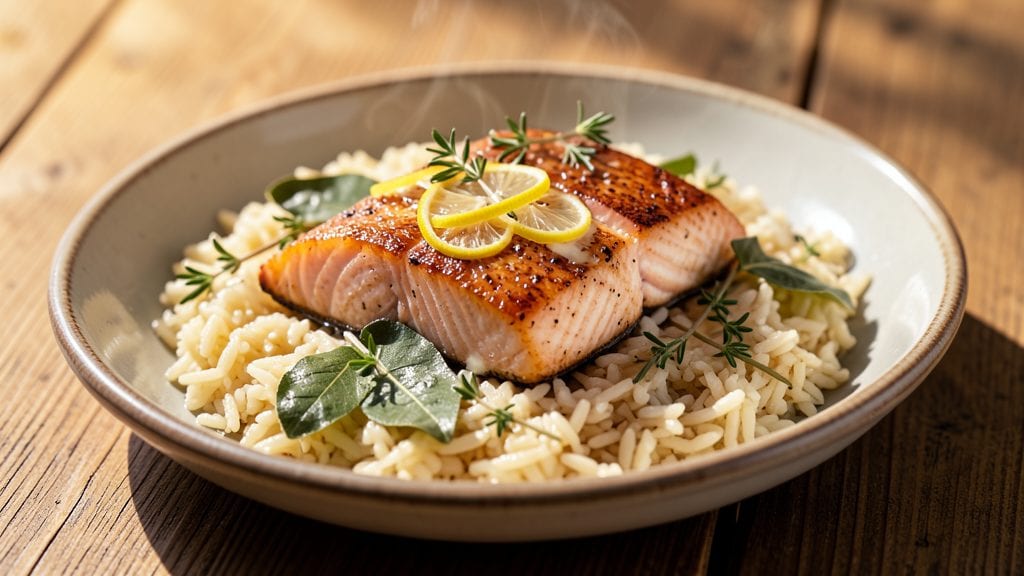
This old-fashioned salmon and rice recipe brings timeless comfort to your dinner table with pan-seared fish basted in rich butter and fragrant herbed jasmine rice.
The technique focuses on classic methods—like basting the salmon with melted butter and infusing the rice with aromatic herbs—that elevate simple ingredients into a restaurant-worthy meal.
I’ve perfected this dish over years of testing, ensuring the salmon stays juicy while the rice develops deep, nutty flavors from slow cooking with thyme and bay leaf.
The beauty of this recipe lies in its balance—buttery salmon with crisp edges and tender centers pairs perfectly with herbed jasmine rice that’s light yet flavorful.
The rice absorbs the essence of the herbs and a touch of lemon zest, while the salmon’s golden crust traps all that delicious butter. This dish is ideal for family dinners or special occasions, where presentation matters just as much as taste.
Every bite delivers that satisfying combination of richness and freshness.
What sets this apart is the attention to detail: pan-searing the salmon until it’s just cooked through, basting it repeatedly with butter to lock in moisture, and cooking the rice with aromatics that infuse every grain.
The result is a dish that feels indulgent yet remains approachable for weeknight cooking. Garnish with fresh parsley and a squeeze of lemon for that final touch of brightness.
Serve this classic pairing with a side of steamed green beans or a simple salad to round out the meal. The combination of buttery fish and fragrant rice creates a harmonious balance that’s both comforting and elegant.
Ready to recreate this timeless favorite? Let’s get started with the ingredients and instructions.
Ingredients for old fashioned salmon and rice
Classic ingredients transformed through timeless techniques—rich butter, fragrant herbs, and perfectly balanced flavors.
| Ingredient | Amount | Notes |
|---|---|---|
| Salmon Fillets 🐟 | 4 whole | Skin-on, center-cut, 6-8 oz each |
| Unsalted Butter 🧈 | ½ cup | Cold, cut into 1-inch pieces |
| Jasmine Rice 🍚 | 1 ½ cups | Uncooked, long-grain preferred |
| Fresh Thyme Sprigs 🌿 | 4 whole | Stems intact for rice infusion |
| Bay Leaves 🍃 | 2 whole | Dried, standard size |
| Lemon Zest 🍋 | 1 tbsp | From 1 organic lemon |
| Fresh Parsley 🌿 | ¼ cup | Chopped, for garnish |
| Extra-Virgin Olive Oil 🫒 | 1 tbsp | For rice cooking |
| Garlic Cloves 🧄 | 2 cloves | Minced for rice base |
| Vegetable Broth 💧 | 2 cups | Low-sodium preferred |
| Salt 🧂 | 1 ½ tsp | Kosher or sea salt |
| Ground Black Pepper 🌶️ | ½ tsp | Freshly ground |
| Lemon Juice 🍋 | 1 tbsp | Freshly squeezed |
The salmon fillets are the centerpiece here, so center-cut pieces with skin ensure even cooking and crisp edges. Local seafood markets or high-quality grocery stores like Whole Foods or Trader Joe's carry the best options—look for vibrant color and firm texture. The butter should be cold and unsalted (salted will overpower the delicate flavors). For the rice, jasmine rice from Asian markets delivers that signature floral aroma, though any long-grain rice will work in a pinch. Fresh thyme and bay leaves elevate the rice, so don't substitute dried unless necessary—Penzeys Spices carries excellent dried options if fresh isn't available.
No fresh thyme? Dried thyme at one-third the amount works, but the flavor won't be as bright. The bay leaves can be omitted entirely if unavailable, though they add depth. For the salmon, skinless fillets work too, but the skin adds crispiness and helps hold the shape. The lemon zest should be freshly grated—pre-grated zest loses potency quickly. If you're short on time, lemon juice concentrate (diluted 1:1 with water) can substitute, though fresh is superior. The olive oil matters for the rice—use a fruity, extra-virgin variety like California Gold for best results.
Store unused butter in an airtight container in the fridge for up to 3 months, or freeze for 6 months. Fresh herbs like thyme and parsley keep best in the fridge wrapped in damp paper towels for 5-7 days. The rice can be prepped ahead and reheated with a splash of water—it actually tastes better the next day as the flavors meld. For the salmon, pat dry thoroughly before cooking to ensure a perfect sear. Garnish with parsley and lemon juice just before serving to keep it vibrant.
Why You'll Love This Recipe
- One-Pot Magic: I swear by this recipe because it’s that simple—just salmon, rice, butter, and herbs in one pot. No chopping, no fuss, no last-minute grocery runs. Honestly, I’ve made it on nights when I’m too tired to do anything else, and it still tastes like I put in effort.
- Buttery, Herby Bliss: That rich butter melting into the salmon while the thyme and bay leaves steep in the rice? It’s the kind of flavor that makes you pause mid-bite. The salmon stays juicy, the rice gets fragrant, and somehow, the whole thing just works—no complicated sauces needed.
- Weeknight to Dinner Party: Between us, this is my go-to for busy weeknights, but it also impresses when I serve it to guests. The jasmine rice soaks up the salmon’s richness, and the fresh thyme adds a bright note. I’ll be real: my partner asked for the recipe after the third time I made it.
- Leftovers That Don’t Suck: Most recipes turn into sad leftovers, but not this one. The rice stays fluffy, the salmon reheats beautifully, and the flavors only deepen overnight. I’ve packed it for lunches, frozen portions for lazy days, and even used it to stuff into wraps—zero waste, all win.
Step-by-step instructions for buttery pan-seared salmon with herbed jasmine rice
This classic pairing delivers perfectly crisp salmon skin and fragrant, herb-infused rice.
Prepare the Jasmine Rice with Herbs
Rinse the 1.5 cups jasmine rice under cold water until the water runs clear, then drain well in a fine-mesh strainer. In a medium saucepan, combine the drained rice, 2 cups vegetable broth, 4 whole fresh thyme sprigs, 2 whole bay leaves, 2 cloves minced garlic, 1 tbsp lemon zest, 1.5 tsp salt, and 0.5 tsp ground black pepper. Bring to a boil over medium-high heat, then immediately reduce to a simmer, cover tightly with a lid, and cook for 15 minutes without lifting it. The rice should absorb all the liquid and steam evenly.
Here's the thing—don't peek or stir. The rice needs undisturbed steam to develop its signature floral aroma and fluffy texture. If you notice any liquid remains after 15 minutes, cover and cook for another 2-3 minutes—the rice will continue cooking off the heat. Once done, remove from heat and let it sit covered for 5 minutes before fluffing with a fork. The thyme and bay leaves will infuse the rice with subtle herbal notes that complement the salmon beautifully.
Sear the Salmon Fillets to Golden Perfection
While the rice cooks, pat the 4 whole salmon fillets dry with paper towels—this ensures maximum crispiness. Season both sides generously with salt and pepper, then set them aside. Heat a large skillet over medium-high heat until it's very hot (a drop of water should sizzle and evaporate instantly). Add 1 tbsp extra-virgin olive oil and swirl to coat the pan.
Place the salmon fillets skin-side down in the pan, pressing gently to ensure even contact. Cook undisturbed for 4-5 minutes until the skin is deep golden brown and crispy. You'll see the edges curl slightly at the corners—that's your signal to flip. Carefully turn each fillet skin-side up and cook for another 3-4 minutes until the flesh is opaque and flakes easily with a fork. Remove the salmon to a warm plate and tent loosely with foil to keep warm.
Finish the Salmon with Butter and Lemon
Reduce the heat to medium-low and add the 0.5 cup unsalted butter to the same skillet. Let it melt completely, then pour in the 1 tbsp lemon juice. Tilt the pan slightly and spoon the buttery lemon mixture over the salmon fillets, basting them generously. This step adds a luxurious richness and bright citrus note that balances the dish.
Return the salmon to the skillet for 30 seconds to heat through with the butter and lemon. The butter should foam slightly and coat the fillets in a glossy layer. Transfer the salmon back to the warm plate and let it rest for 2 minutes before serving. This resting period ensures the juices redistribute, keeping each bite moist and flavorful.
Assemble and Garnish
Fluff the cooked rice with a fork and divide it evenly among 4 serving plates. Place each salmon fillet skin-side up over the rice, allowing the crispy skin to contrast with the soft grains. Spoon any remaining buttery lemon sauce from the skillet over the top of the salmon. Finish with 0.25 cup chopped fresh parsley for a pop of color and freshness.
Serve immediately while the salmon is still warm and the rice retains its delicate texture. The combination of crispy salmon skin, buttery lemon sauce, and fragrant herbed rice creates a harmonious balance of textures and flavors. Each bite delivers the richness of the salmon, the aromatic depth of the thyme-infused rice, and the bright finish of lemon—all coming together in this old-fashioned yet elegant dish.
Pro Tips For Making Old Fashioned Salmon And Rice
- Salt the Salmon First: Toss those fillets with a generous pinch of salt (and a crack of pepper) right after patting them dry. I learned this the hard way—skipping it means the butter won’t cling properly, and your salmon ends up tasting bland even with all that rich butter. Give it 10 minutes to sit while you prep the rice.
- Use Frozen Rice for Crisp: Start with frozen jasmine rice instead of dry—it toasts up faster and develops that nutty crust you’re after. My grandmother swore by this, and she was right: the rice stays fluffy but gets that golden edge from the butter without burning. Just thaw it first, no need to rinse.
- Don’t Overcrowd the Pan: Cook the salmon in batches if your pan’s smaller than the fillets. I used to jam everything in and steam the butter right off—now I wait until the first batch sizzles and releases before adding the next. A splash of water in the pan keeps the butter from seizing up, too.
- Tie the Thyme Bundles: Bundle the thyme sprigs with kitchen twine before dropping them in the rice. This keeps them intact so they infuse the rice evenly instead of floating around like confetti. Remove them early—after 15 minutes—so they don’t turn the rice bitter. (Yes, even if you’re impatient like me.)
Regional styles of this recipe
New England Coastal Style
In coastal New England, this dish often features wild-caught Atlantic salmon instead of farmed varieties, prized for its firmer texture and deeper flavor. The rice is typically prepared with dried dill and a splash of heavy cream (about ¼ cup) for a richer finish.
I’ve found that adding 1 tsp smoked paprika to the butter basting elevates the dish with subtle smokiness—perfect for chilly New England evenings. 🍂
Southern U.S. Twist
Southern cooks often swap jasmine rice for long-grain white rice and infuse it with andouille sausage (diced) and Cajun seasoning (about 1 tsp).
The salmon gets a spicy brown sugar glaze—mix 2 tbsp brown sugar, 1 tbsp hot sauce, and 1 tsp cayenne—brushed on during the last 2 minutes of cooking. This version pairs beautifully with collard greens or cornbread.
Pacific Northwest Adaptation
The Pacific Northwest embraces local Dungeness crab mixed into the rice (about ½ cup chopped crab meat) alongside the herbs. The salmon is often baked instead of pan-seared, using cedar planks for smoking.
I recommend 1 tbsp cedar-infused olive oil in the rice for a woodsy aroma. Fresh chives replace parsley as the garnish here. 🌲
Caribbean-Inspired Fusion
For a tropical twist, replace thyme with fresh cilantro and add 1 minced scallion to the rice. The salmon gets a mango-habanero glaze—blend ½ cup mango purée, 1 tbsp lime juice, and ½ tsp habanero—brushed on after searing.
Serve with black beans and grilled pineapple for a vibrant, flavor-packed meal. The heat from the habanero balances the buttery richness beautifully. 🌴
Midwest Homestyle Version
In the Midwest, this dish often includes caramelized onions (about 1 cup) sautéed in the butter with the salmon. The rice gets a touch of apple cider vinegar (about 1 tsp) for brightness.
I’ve seen families add crumbled bacon to the rice for extra depth. This heartier version feels like a Sunday supper staple. 🏡
Nutrition facts
Frequently asked questions
Can I use frozen salmon fillets for this recipe?
Yes, but thaw them properly first. Place frozen salmon in the refrigerator overnight or use the quick-thaw method: seal the fillets in a leak-proof bag and submerge in cold water (change water every 30 minutes). Never thaw at room temperature. Pat completely dry before cooking to ensure crispy skin.
What's the best way to store leftovers?
Store the salmon and rice separately in airtight containers in the fridge for up to 3 days. Reheat the rice with a splash of water (covered) and the salmon in a skillet with a little butter. For longer storage, freeze portions for up to 2 months. The rice actually tastes better reheated as flavors meld!
Why does my salmon skin keep sticking to the pan?
This usually happens if the pan isn't hot enough or the salmon isn't dry. Make sure your skillet is smoking hot (test with a water drop) and pat the fillets completely dry with paper towels. A light coating of oil on the skin-side helps too. Press gently with a spatula for the first 30 seconds to help it release.
Can I make this dish ahead of time?
Cook the rice completely ahead (it tastes better the next day) and store it covered. For the salmon, sear it just before serving for maximum crispiness. If making completely ahead, bake the salmon at 375°F instead of pan-searing, then reheat gently in the oven. Assemble and garnish just before serving.
What other fish works well in this recipe?
This method works beautifully with cod, halibut, or sea bass. For best results, choose firm white fish with similar cooking times. Trout or salmon trout would also work well, though the flavor profile will differ slightly. The rice preparation remains the same.