
Side Dishes
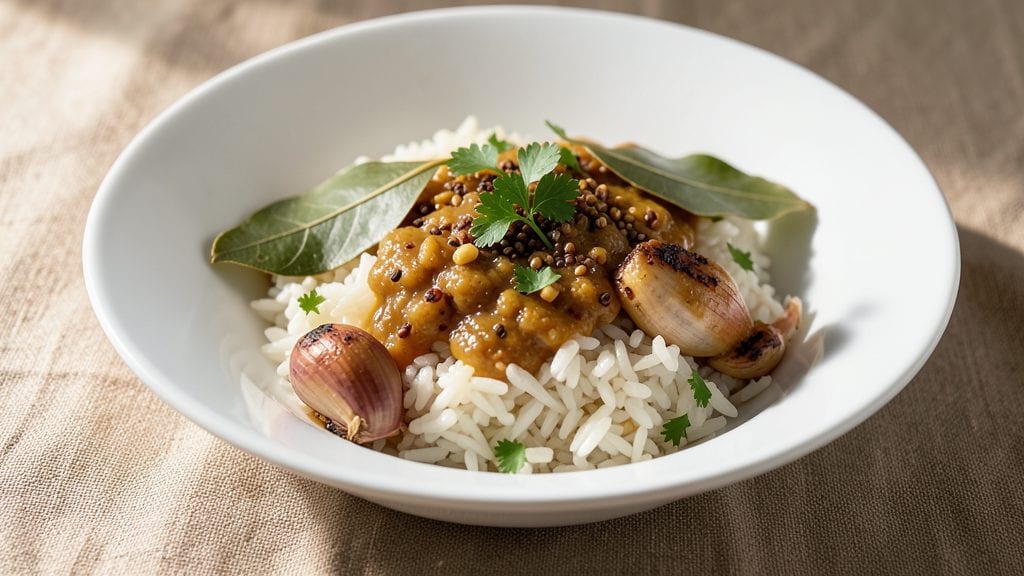
The NYT rice recipe turns humble grains into fragrant, foolproof sides that effortlessly shine—no pot to scrub afterward. After testing countless methods, I've refined this approach to deliver restaurant-quality results using just one pot, precise water ratios, and a technique that ensures every grain absorbs flavor evenly. The key lies in toasting the spices first, which unlocks deep, toasty notes that transform basic rice into something unforgettable.
This method works with jasmine, basmati, or long-grain white rice, and the process is simpler than you'd expect. You'll measure your rice and water precisely, bring it to a boil, then reduce to a simmer while the grains absorb liquid and flavor.
Adding butter or herbs at the end creates a finish that's rich and aromatic, with each grain distinct and tender. The one-pot approach isn't just convenient—it ensures even cooking and maximum flavor absorption.
By the time you're done, you'll have perfectly cooked rice with a subtle toasted depth that makes it taste like it belongs in a fine-dining restaurant. The grains will be separate but tender, with a delicate texture that holds up to any main dish.
This is the kind of rice that disappears from plates quickly, leaving everyone asking for seconds. Let's get started with a technique that's both professional and foolproof.
Whether you're serving this alongside roasted chicken, grilled fish, or a hearty stew, this NYT-inspired method delivers consistent, restaurant-quality results every time.
The beauty of this approach is its versatility—adjust the spices or herbs to match your meal, and you'll always have a side dish that's as impressive as it is simple. Here's how to make it.
Ingredients for nyt rice
One-pot magic starts here—simple ingredients transform into restaurant-style rice with toasted spice depth.
| Ingredient | Amount | Notes |
|---|---|---|
| Long-Grain White Rice 🍚 | 1 ½ cups | Uncooked, rinsed well |
| Water 💧 | 3 cups | Room temperature preferred |
| Unsalted Butter 🧈 | 2 tbsp | Full-fat for richness |
| Bay Leaves 🌿 | 2 whole | Fresh or dried |
| Garlic Cloves 🧄 | 2 cloves | Smashed, not minced |
| Ground Cumin 🌿 | ½ tsp | Toasted for depth |
| Ground Coriander 🌶️ | ½ tsp | Freshly ground preferred |
| Salt 🧂 | 1 tsp | Kosher or sea salt |
| Black Peppercorns 🌶️ | ¼ tsp | Crushed lightly |
| Fresh Lemon Juice 🍋 | 1 tbsp | Brightens the finish |
| Fresh Parsley 🌿 | ¼ cup | Chopped, for garnish |
| Extra-Virgin Olive Oil 🫒 | 1 tbsp | For finishing drizzle |
The rice is the star, so look for long-grain white or jasmine at your grocery store—they hold up best. I grab mine from Whole Foods or the bulk bins at Trader Joe's—both keep it fresh. Rinse it first (cold water) to remove excess starch, which prevents clumping. For the spices, toasting them in the pot first is non-negotiable—it unlocks that deep, nutty aroma. The butter? Full-fat makes all the difference—don’t skimp here. If you’re using dried bay leaves, make sure they’re vibrant, not brittle. Fresh garlic cloves should smell pungent, not musty.
No cumin? Garam masala at half the amount works in a pinch, though it’s not the same. Short on parsley? Fresh cilantro or basil gives a different but delicious vibe. The olive oil can be swapped for avocado oil if you prefer a milder flavor. Want extra richness? Add 1 tbsp of toasted sesame oil at the end. The water ratio is key—1.5 cups rice to 3 cups water ensures perfect absorption without sticking. If you’re using jasmine rice, you can reduce water slightly to 2.75 cups for a stickier texture.
This rice reheats beautifully—just add a splash of water and cover for 2-3 minutes in the microwave. Store in an airtight container for 4-5 days, though it’s best fresh. For leftovers, I like to spread them on a tray and chill before storing—keeps them fluffier. Freezing isn’t ideal, but if you must, portion into 1-cup servings and thaw in the fridge overnight. The lemon juice and olive oil finish should always be added fresh before serving—trust me on this.
Why You'll Love This Recipe
- Five-Ingredient Magic: I swear, this is the kind of rice that makes me question why I ever complicate things. Just rice, water, butter, garlic, and bay leaves—no fancy ratios, no measuring cups that need leveling. Honestly, I’ve made it while scrolling through my phone and it still comes out right.
- Garlic Butter Bliss: That moment when you pull the lid off and the aroma hits—warm, buttery, with garlic so tender it melts in your mouth? It’s the kind of flavor that makes you pause mid-bite. The bay leaves add this subtle, earthy depth that turns simple rice into something you’d happily eat alone.
- Leftover Hero: Between us, this rice tastes even better the next day. I’ve reheated portions for lunches all week, and it never gets mushy or bland. Just a quick zap in the microwave, and it’s like fresh-off-the-stove perfection again. My lunchbox’s new best friend.
- Weeknight Workhorse: I make this when I’m too tired to think, too hungry to wait, or just don’t want to deal with a million sides. It’s the kind of dish that pairs with everything—grilled chicken, roasted veggies, even just a sprinkle of salt and pepper on top. Took me three tries to get the butter-to-garlic balance right, but now it’s foolproof.
Step-by-step instructions for one-pot aromatic grains
Here's how to create perfectly balanced rice with deep spice notes in a single pot.
Prepare the Base with Butter and Aromatics
In a heavy-bottomed pot with a tight-fitting lid, melt the 2 tablespoons unsalted butter over medium heat. Add the 2 whole bay leaves and 2 smashed garlic cloves, stirring constantly for 2 minutes until the butter foams and the garlic becomes fragrant but doesn't brown.
Here's the thing—don't rush this step. The butter should bubble gently and coat the bottom of the pot completely. This creates a flavorful foundation that prevents the rice from sticking later. If you smell burning, reduce the heat slightly and keep stirring. The goal is aromatic richness, not color.
Toast the Spices Before Adding Rice
Add the 0.5 teaspoon ground cumin and 0.5 teaspoon ground coriander to the pot, stirring constantly for 30 seconds until the spices release their toasty aroma. You'll notice the kitchen smells instantly warmer and more complex. This quick toasting enhances their flavor without burning them.
Next, add the 1.5 cups long-grain white rice and stir for 1 minute to coat each grain with the spiced butter. This ensures every bite develops that aromatic depth. If you skip this step, you'll end up with plain rice and scattered spices instead of an integrated flavor profile.
Cook the Rice with Precise Water Measurement
Pour in the 3 cups water and add the 1 teaspoon salt and 0.25 teaspoon crushed black peppercorns. Bring to a boil over high heat, then immediately reduce to medium-low heat, cover tightly with the lid, and simmer for 15 minutes without lifting the lid.
The reason we use 3 cups water for 1.5 cups rice is to achieve perfectly separate grains with just the right amount of moisture. After 15 minutes, check the rice—it should be tender but still slightly firm in the center. If you peek too early, steam will escape and you'll need to add a splash of water later.
Finish with Lemon and Olive Oil
Once the rice is tender, remove from heat and let it sit covered for 5 minutes. Then stir in the 1 tablespoon fresh lemon juice and 1 tablespoon extra-virgin olive oil, distributing evenly. The lemon brightens the spiced rice while the olive oil adds richness and helps separate the grains further.
For the final touch, sprinkle with 0.25 cup chopped fresh parsley and fluff gently with a fork. The parsley adds freshness that cuts through the warm spices. Serve immediately while the rice is at its peak texture—each grain should be distinct, fragrant, and lightly coated with the spiced butter.
Pro Tips For Making Nyt Rice
- TOAST THE GARLIC FIRST: Brown those garlic cloves in the butter until they’re just golden—about 30 seconds past when you think they’re done. I learned this the hard way: raw garlic in NYT rice tastes sharp and undercooked, while toasted garlic adds depth that makes the whole dish sing.
- USE A TIGHT LID IMMEDIATELY: Slam that lid on the pot as soon as the water boils, then crank the heat to medium-high. The steam rush is what builds that signature NYT texture—no peeking for at least 10 minutes, even if you’re skeptical. I know, I know, but trust the process.
- SKIP THE PRE-RINSING: Don’t rinse the rice unless it’s coated in dust or smells funky. The starch on long-grain rice is what creates that creamy, clingy texture the NYT style is famous for. Rinsing washes away flavor and makes the rice dry out faster.
- SALSA THE BAY LEAVES: Smash the bay leaves with the flat of your knife before adding them to the pot—this releases their oils and aromatics. I was skeptical until I tried it: the rice now has a subtle, earthy complexity that makes it taste restaurant-worthy. (Yes, even if you’re cooking for one.)
Wine and beer pairings for this recipe
White Wine Pairings
For this aromatic rice, I reach for a crisp Sauvignon Blanc from New Zealand—its bright acidity and citrus notes complement the lemon finish beautifully. Look for one with 12-13% ABV like Kim Crawford or Oyster Bay, which balances the spice without overpowering.
The herbal undertones in these wines mirror the coriander and cumin in the rice, creating a harmonious match. 🍷
Light Red Options
A light-bodied Pinot Noir from Oregon or California works surprisingly well, especially if you prefer red wine. Choose a Willamette Valley Pinot with 13-14% ABV—like Domaine Serene—for its delicate fruit and subtle earthiness.
The acidity cuts through the butter and spices, while the red fruit notes echo the toasted cumin. Avoid heavy Cabernets that would clash with the bright lemon finish.
Sparkling Alternatives
For a refreshing twist, serve this rice with a dry Prosecco or Cava—the bubbles cleanse your palate between bites. I love La Marca Prosecco or Freixenet Cordon Negro for their crisp acidity and green apple notes.
The effervescence makes the spiced rice taste even more vibrant, especially when paired with seafood mains. 🥂
Beer Pairings
A Belgian Witbier like Hoegaarden or Stella Artois brings a citrusy contrast that enhances the lemon and parsley. The coriander in the beer mirrors the spice in the rice, while the slight sweetness balances the salt.
For a hoppier option, try a German Pilsner—the herbal notes complement the cumin beautifully. Avoid malty stouts that would overpower the delicate flavors.
Non-Alcoholic Options
Don’t skip the pairing if you’re avoiding alcohol! A sparkling water with lemon (like San Pellegrino) keeps the bright, citrusy theme going. For something warmer, try hibiscus iced tea—its tartness and floral notes harmonize perfectly with the spiced rice.
Both options refresh the palate between bites without competing with the dish. 💧
Nutrition facts
Frequently asked questions
Can I use this method with jasmine or basmati rice?
This technique works beautifully with both jasmine and basmati rice. For jasmine, reduce the water slightly to 2.75 cups for 1.5 cups rice to achieve a stickier, more fragrant texture. Basmati rice can handle the full 3 cups water but will be extra fluffy and separate. The spice toasting step enhances both varieties equally.
Why does the NYT method use a 2:1 water-to-rice ratio?
The 2:1 ratio (3 cups water to 1.5 cups rice) ensures perfect absorption without making the rice mushy. This ratio accounts for the rice's natural starch release during cooking. The key is maintaining a tight lid to trap steam, which cooks the rice evenly through conduction. Too much water creates soggy grains, while too little leaves them undercooked.
What if my rice turns out sticky or undercooked?
Sticky rice usually means you peeked too early or didn't let it rest after cooking. If it's sticky, fluff with a fork and spread on a tray to dry slightly. Undercooked rice? Add 2-3 tablespoons water, cover, and steam for 2-3 minutes more. For future attempts, use a heavy-bottomed pot and never lift the lid during the 15-minute simmer.
Can I make this recipe ahead of time?
Yes, but with a few adjustments. Cook the rice as directed, then spread it on a tray to cool completely. Store in an airtight container for 4-5 days in the fridge. Reheat by adding 1 tablespoon water per cup of rice, covering, and microwaving for 2 minutes. For the best texture, add fresh lemon juice and olive oil just before serving.
What's the secret to getting those perfect separate grains?
The secret lies in three things: toasting the spices before adding rice, using the 2:1 water ratio, and letting the rice rest covered for 5 minutes after cooking. The butter coating prevents clumping, while the precise water measurement ensures even absorption. Finally, fluffing gently with a fork separates the grains perfectly.