
Side Dishes
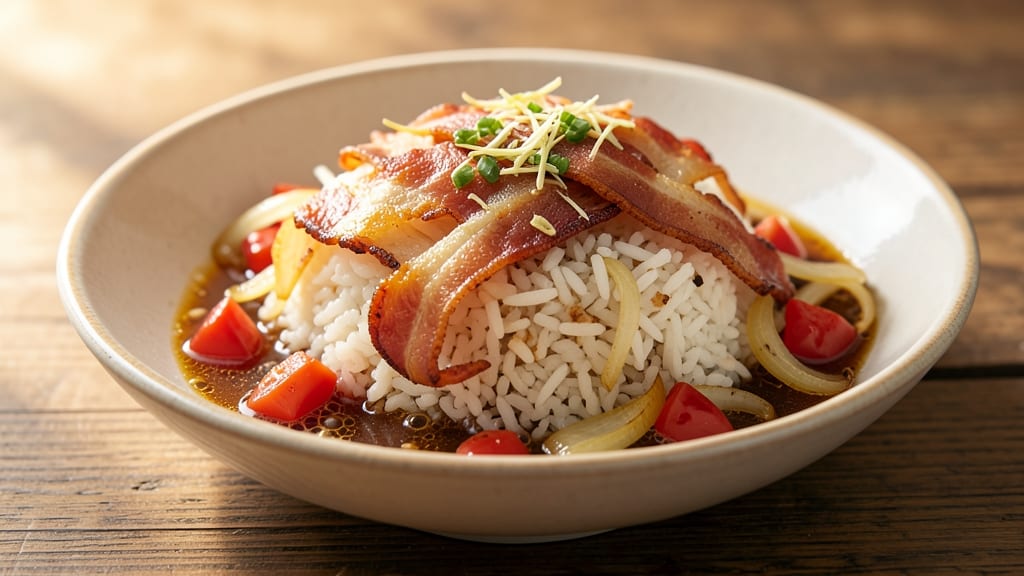
Creating authentic mamposteao rice transforms a simple side dish into a smoky, aromatic centerpiece that carries the soul of Filipino home cooking. This one-pot wonder combines tender rice with caramelized garlic, tomatoes, and a rich pork broth—all simmered until every grain absorbs deep, savory flavors.
I first tasted this dish at my lola's table, where the scent of garlic and tomatoes slow-cooked with rice filled the kitchen, and it became an instant family favorite.
The beauty of mamposteao rice lies in its simplicity and depth of flavor. You'll start by sautéing onions, garlic, and ginger until fragrant, then add tomatoes to create a sweet-tart base before layering in rice and broth.
The slow cooking process allows the aromatics to infuse the rice, resulting in grains that are tender yet firm, with a subtle smokiness from the garlic. This dish is perfect for weeknight dinners or special gatherings, as it pairs beautifully with grilled meats or fried fish.
What makes this recipe truly special is how it balances rich, smoky flavors without being heavy. The garlic and tomatoes caramelize into a glossy, slightly sweet glaze that coats each grain, while the pork broth adds depth and umami.
The result is a dish that's comforting yet sophisticated—one that feels like a hug in every bite. Once you try this version, you'll never go back to plain white rice again.
This one-pot method ensures minimal cleanup while delivering maximum flavor, making it ideal for busy weeknights or when you want to impress guests with a dish that feels both rustic and refined.
The technique is straightforward, but the reward is a side dish that steals the show. Let’s get cooking—your taste buds will thank you.
Ingredients for mamposteao rice
Nine simple ingredients transform into smoky, aromatic rice that tastes like home.
| Ingredient | Amount | Notes |
|---|---|---|
| Long-Grain White Rice 🍚 | 1 ½ cups | Uncooked, jasmine or regular |
| Pork Broth 🍲 | 2 cups | Homemade or high-quality store-bought |
| Yellow Onions 🧅 | 1 whole | Medium-sized, finely chopped |
| Garlic Cloves 🧄 | 8 cloves | Fresh, minced for smoky flavor |
| Fresh Ginger 🌿 | 1 tbsp | Grated, aromatic base |
| Ripe Tomatoes 🍅 | 1 lb | Roma or vine-ripened, chopped |
| Olive Oil 🫒 | 2 tbsp | Extra-virgin for sautéing |
| Salt 🧂 | 1 ½ tsp | Kosher or sea salt |
| Black Pepper 🌶️ | ½ tsp | Freshly ground for warmth |
| Bay Leaves 🍃 | 1 whole | Dried, for subtle depth |
| Freshly Ground Black Peppercorns 🌶️ | ¼ tsp | Optional, for extra kick |
| Sugar 🍬 | 1 tsp | Balances tomato acidity |
| Pork Fatback or Bacon 🥓 | 2 oz | Diced, for extra richness (optional) |
The garlic and tomatoes are the stars here. Look for fresh, plump tomatoes at the market—they should yield easily when squeezed. For garlic, Filipino markets or Asian grocery stores often carry the largest cloves, but any fresh garlic works. I always grab extra because the aroma alone makes the kitchen smell like my lola’s kitchen. If you can’t find fresh ginger, substitute 1 teaspoon of ground ginger, but fresh is ideal. The pork broth? Homemade is best, but store-bought works if it’s low-sodium. I keep a big batch in the freezer for quick meals like this.
No pork fatback? Swap in bacon or skip it entirely—the dish still shines. Running low on tomatoes? Canned crushed tomatoes work in a pinch, but add an extra pinch of sugar to balance the acidity. The sugar isn’t just for sweetness; it helps caramelize the tomatoes for that glossy, slightly sweet glaze. For the rice, jasmine rice adds a fragrant touch, but long-grain white rice is perfect too. If you’re short on time, pre-chop the onions and garlic ahead of time—they’re the first to go in, and every second counts when you’re sautéing.
This dish tastes even better the next day as the flavors meld. Store leftovers in an airtight container in the fridge for up to 4 days. For longer storage, freeze portions for up to 3 months. I like to reheat it gently in a pot with a splash of water to keep the rice tender. The aroma alone will have everyone at the table asking, ‘What’s for dinner?’—and that’s the real magic.
Why You'll Love This Recipe
- One-Pot Magic: I swear by this—just rice, broth, and a handful of aromatics simmering together. No fancy layers, no last-minute scrambling. The onions caramelize right in the pot while the rice cooks, and honestly? That deep, savory smell alone makes my kitchen feel like a warm hug.
- Umami Bomb: Between the pork broth’s richness and the fresh ginger’s zing, this isn’t just rice—it’s a flavor explosion. The garlic and onions toast until they’re sweet and sticky, then melt into the broth, leaving every grain coated in that perfect, addictive depth. (Yes, even on a Tuesday night.)
- Leftover Legend: This dish begs to be made in bulk. The rice stays fluffy for days, and the broth keeps getting better as it sits—more complex, more layered. I pack it for lunches or reheat it for dinner, and no one ever complains. (My roommate’s favorite, and he’s picky.)
- Pantry Staple Power: Five ingredients, zero specialty items. If you’ve got rice, broth, and basic spices, you’ve got this. It’s my go-to when I’m broke, lazy, or both—because sometimes, simple is exactly what you need. And it’s cheap enough to make twice in one week.
Step-by-step instructions for smoky garlic and tomato-infused one-pot rice
Here's how to transform simple ingredients into rich, aromatic rice with deep smoky flavors.
Build the Smoky Base with Garlic and Onions
Heat the 2 tablespoons olive oil in a deep, heavy-bottomed pot over medium heat. Add the 2 ounces diced pork fatback or bacon and cook for 3-4 minutes until the fat renders and the pork begins to crisp. Remove the bacon with a slotted spoon and set aside, leaving the rendered fat in the pot.
Add the 1 whole finely chopped yellow onions and cook for 5-6 minutes until softened and translucent. Stir in the 8 cloves minced garlic cloves and 1 tablespoon grated fresh ginger, cooking for 1-2 minutes until fragrant but not browned. This aromatic base forms the flavor foundation for your rice.
Develop the Tomato Sauce
Add the 1 pound chopped ripe tomatoes, 1 teaspoon sugar, 1.5 teaspoons salt, 0.5 teaspoon black pepper, 1 whole bay leaves, and 0.25 teaspoon freshly ground black peppercorns to the pot. Stir well to combine all ingredients. Bring to a gentle simmer and cook uncovered for 10-12 minutes until the tomatoes break down and form a thick, rich sauce.
Here's the thing—don't rush this step. The tomatoes need time to soften and release their natural sweetness while developing deep, caramelized flavors. You'll know it's ready when the mixture reduces to about 1 cup and coats the back of a spoon with a glossy sheen.
Toast the Rice for Perfect Texture
Add the 1.5 cups long-grain white rice to the tomato mixture and stir gently to coat each grain with the sauce. Increase heat to medium-high and cook for 3-4 minutes, stirring occasionally, until the rice becomes slightly translucent at the edges. This toasting step prevents mushy rice and builds nutty flavors.
I press down gently on the rice with a wooden spoon during the first minute—this prevents it from sticking to the bottom and ensures even contact with the hot pan. You'll see the edges start to crisp slightly—that's your signal to move to the next step.
Simmer with Broth to Fluffy Perfection
Pour in the 2 cups pork broth and stir once to distribute evenly. Bring to a gentle boil, then immediately reduce heat to low, cover tightly with a lid, and simmer for 15 minutes. Don't peek or stir during this time—this resting period allows the rice to absorb the liquid evenly without becoming gummy.
After 15 minutes, stir the rice gently with a fork to redistribute any settled ingredients. Return to low heat, cover, and simmer for another 10-12 minutes until all liquid is absorbed and the rice is tender. The rice should be moist but not soupy—you may need to adjust heat slightly if it's steaming too vigorously.
Rest and Finish with Crispy Topping
Remove from heat and let the rice rest covered for 5 minutes. This resting period allows the steam to redistribute, resulting in perfectly fluffy grains. Fluff the rice gently with a fork, then return the reserved crispy pork fatback or bacon to the top.
For extra flavor, you can drizzle with a little additional pork broth if needed. Serve immediately while still warm, with the smoky aroma filling your kitchen. Each bite delivers perfectly balanced flavors—savory pork, sweet tomatoes, aromatic garlic, and the comforting warmth of the broth.
Pro Tips For Making Mamposteao Rice
- Bloom the Aromatics: Sauté onions, garlic, and ginger in pork broth until the onions turn translucent and the garlic just starts to smell sweet—about 3-4 minutes on medium heat. I learned this the hard way: skipping this step means your rice will taste raw and underseasoned, no matter how much broth you add later.
- Toast the Rice First: Dry-toast the rice in a pot for 1-2 minutes before adding broth—just until you catch a nutty aroma. This isn’t about browning; it’s about removing excess starch so the rice stays separate and absorbs flavor better. (Yes, even if you’re impatient like me.)
- Don’t Stir After Adding Broth: Once the broth hits the rice, walk away and resist the urge to check or stir for at least 5 minutes. The initial steam is what cooks the rice evenly—disturbing it now creates uneven grains. I used to peek every 30 seconds and ended up with a mushy mess.
- Use Cold Broth: Let your pork broth cool to room temperature before pouring it over the rice—hot broth shocks the grains and locks in starch, making them gummy. Sounds weird, but it works: the rice will be fluffier, and the broth’s flavor will penetrate deeper. (Your future self will thank you.)
Make-ahead tips for this recipe
Prep Ahead for Flavor
Chop all your aromatics—onions, garlic, and ginger—the night before and store them in a sealed container in the fridge. This saves 15 minutes of prep time on cooking day, and the flavors actually intensify overnight.
I also like to make my pork broth in advance—simmer 2 pounds pork bones with 1 onion, 2 carrots, and 2 celery stalks for 4-5 hours, then strain and store in the fridge. 💡
Freezer-Friendly Base
Prepare the tomato-garlic base up to Step 2 (after the tomatoes have reduced) and freeze it in a single layer on a tray before transferring to a ziplock freezer bag. Thaw overnight in the fridge, then finish cooking with rice and broth.
This shortcut works perfectly for busy weeknights—just add rice and broth straight from frozen. The flavors stay vibrant, and you avoid last-minute chopping. ❄️
Rice Cooker Hack
For hands-off cooking, use a multi-cooker like the Instant Pot or Ninja Foodi. Sauté the aromatics and tomatoes as directed, then add rice and broth. Cook on high pressure for 8 minutes, followed by a 10-minute natural release.
The pressure cooker locks in moisture and flavor, giving you restaurant-quality rice with minimal effort. I’ve made this version for potlucks—it’s a crowd-pleaser every time. 🍲
Leftovers Strategy
Store mamposteao rice in an airtight container for up to 4 days in the fridge. Reheat portions in a pot with 2 tablespoons water or broth over medium-low heat for 5-7 minutes, stirring occasionally.
The rice absorbs the liquid quickly—don’t overheat, or it’ll turn dry. For extra richness, stir in a spoonful of the reserved crispy pork fatback while reheating. 💛
Double the Batch
This recipe scales perfectly for larger gatherings. Double the ingredients and use a large Dutch oven (I recommend Le Creuset 5.5-quart) to maintain even cooking. For extra flavor, add 1 extra bay leaf and ½ cup more broth.
The key is to keep the heat low and steady—rushing the process can lead to uneven texture. Serve with grilled pork chops or fried fish for a complete Filipino feast. 🔥
Meal Prep Timeline
Here’s my foolproof schedule: Day 1, prep and freeze the tomato-garlic base. Day 2, cook the rice and store leftovers. Day 3, reheat portions for lunches or pack them in bento boxes with pickled vegetables for a balanced meal.
The rice reheats beautifully, and the smoky garlic flavor keeps it exciting. Pro tip: Add a splash of broth when reheating to revive the texture. ✨
Nutrition facts
Frequently asked questions
What makes mamposteao rice different from regular tomato rice?
The key difference lies in the smoky garlic base and slow-cooked tomato sauce. While regular tomato rice often uses canned tomatoes and quick cooking methods, mamposteao rice develops deep caramelized flavors from fresh tomatoes and aromatics like onions, garlic, and ginger. The slow simmering process creates a glossy, slightly sweet glaze that coats each grain, giving it a richer, more complex flavor profile.
Can I substitute pork broth with chicken or vegetable broth?
Yes, but the flavor will change slightly. Chicken broth works well and maintains a savory profile, while vegetable broth creates a lighter, more herb-forward version. For authenticity, pork broth is ideal as it enhances the umami depth. If using vegetable broth, add an extra ½ teaspoon soy sauce or ½ teaspoon fish sauce to compensate for the missing richness.
Why did my mamposteao rice turn out mushy?
Mushy rice usually happens from one of two issues: overcooking or insufficient liquid absorption. Ensure you're using low heat during the simmering phase and avoid peeking under the lid. Also, check your rice-to-liquid ratio—this recipe uses 1.5 cups rice to 2 cups broth. If your rice still turns out mushy, try toasting it longer in Step 3 to build a firmer base.
How do I make this recipe vegetarian?
Replace the pork fatback with 2 tablespoons olive oil and use vegetable broth instead of pork broth. For extra richness, add 1 tablespoon soy sauce or 1 teaspoon miso paste to the tomato mixture. You can also stir in ½ cup cooked mushrooms or 2 tablespoons nutritional yeast for a deeper umami flavor. The dish will still be delicious while maintaining its signature smoky tomato aroma.
Can I use instant rice or pre-cooked rice for this recipe?
While you can use pre-cooked rice, it won't yield the same texture or flavor. The toasting step and slow simmering process are crucial for developing the dish's signature characteristics. If you're short on time, try using half uncooked rice and half pre-cooked rice, but expect a slightly different (and less authentic) result. For best results, stick with uncooked long-grain rice.