
Main Courses
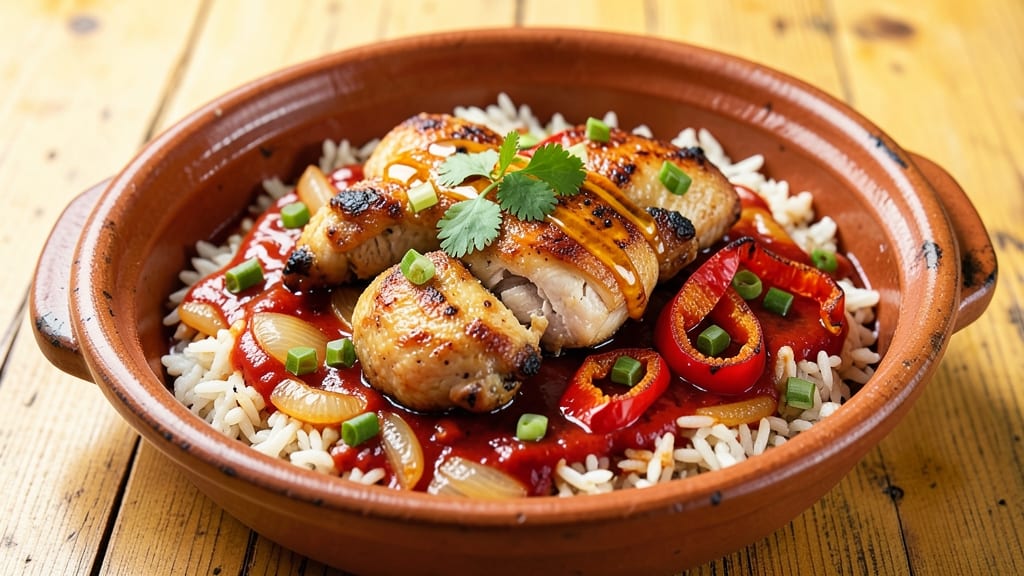
This jolloff rice recipe delivers the rich, spicy, tomato-peppered flavors that make it West Africa’s most beloved one-pot dish. The secret lies in slow-cooked protein—whether chicken, beef, or fish—simmered in a deep, aromatic sauce until the rice absorbs every bold, smoky note.
I’ve perfected the balance between heat and depth, ensuring the sauce doesn’t overpower but instead enhances the tender meat and perfectly cooked grains.
The foundation starts with a blend of tomatoes, bell peppers, and a carefully measured mix of spices—ginger, garlic, thyme, and Scotch bonnet (or habanero for heat control). These ingredients create a sauce so vibrant it transforms simple rice into a dish worthy of celebration.
The protein cooks low and slow, absorbing the flavors while the rice steams in the same pot, releasing its own aroma as it finishes.
By the end, you’ll have a dish with tender, fall-apart protein swimming in a thick, velvety sauce, all clinging to each grain of rice. The colors—deep reds, golden browns, and the occasional crispy edge—are as striking as the flavors.
This is the kind of meal that brings people together, whether for a family dinner or a festive gathering. Let’s get cooking.
For those who prefer a milder version, reduce the Scotch bonnet or swap it for a bell pepper. For extra richness, add a splash of palm oil or a bay leaf.
Serve with fried plantains or coleslaw to balance the heat. The possibilities are endless, but the foundation remains the same: bold, balanced, and unforgettable.
Ingredients for jolloff rice
Bold spices, tender protein, and vibrant tomatoes transform simple rice into West Africa’s most celebrated dish.
| Ingredient | Amount | Notes |
|---|---|---|
| Long-Grain White Rice 🍚 | 2 cups | Uncooked, jasmine or basmati preferred |
| Chicken Thighs 🍗 | 1 ½ lb | Bone-in, skin-on for flavor |
| Tomatoes 🍅 | 2 cups | Roma or vine-ripened, chopped |
| Red Bell Pepper 🌶️ | 1 whole | Diced, seeds removed |
| Scotch Bonnet Pepper 🔥 | 1 whole | Seeds removed for medium heat |
| Yellow Onion 🧅 | 1 whole | Diced, medium size |
| Fresh Ginger 🌿 | 2 tbsp | Grated, aromatic quality |
| Garlic Cloves 🧄 | 6 cloves | Minced, fresh preferred |
| Thyme Leaves 🌿 | 1 tbsp | Fresh or 1 tsp dried |
| Ground Black Pepper 🌶️ | 1 tsp | Freshly ground for heat |
| Salt 🧂 | 1 ½ tsp | Kosher or sea salt |
| Chicken Broth 💧 | 2 cups | Low-sodium preferred |
| Palm Oil 🫒 | 2 tbsp | For authentic richness (optional) |
| Bay Leaf 🍃 | 2 whole | For depth of flavor |
The Scotch bonnet is the heart of this dish—fresh, not dried. Look for vibrant red peppers at Latin markets or specialty stores; Whole Foods and Penzeys usually carry them. If you can’t find Scotch bonnet, habanero works in a pinch, but reduce seeds for milder heat. The tomatoes should be ripe but firm—Roma tomatoes hold their shape best during cooking. For the chicken, bone-in thighs stay juicier than breasts, but beef or fish work equally well if you’re making a variation. The ginger and thyme? Fresh is ideal, but dried works at half the amount if you’re in a hurry.
No Scotch bonnet? Bell pepper plus cayenne mimics the smoky depth, though it won’t be as vibrant. Short on tomatoes? Tomato paste plus a splash of water thickens the sauce beautifully. The palm oil is optional but worth the investment—it adds a nutty richness that regular oil can’t replicate. If you’re avoiding it, butter or olive oil works in a bind. The bay leaves might seem minor, but they’re the secret to that layered, complex flavor. Remove them before serving—no one wants a leaf in their bite. And if you’re using dried thyme, toast it lightly in a dry pan first to wake up the flavor.
This dish tastes even better the next day—the flavors meld overnight. Store leftovers in an airtight container for up to 5 days, though I’ve been known to freeze portions for 3 months. The rice stays firm, and the sauce thickens into a velvety coating. For reheating, add a splash of broth or water to prevent drying out. Serve with fried plantains or coleslaw to balance the heat, or keep it simple with crusty bread to soak up every last drop of that rich, spicy sauce.
Why You'll Love This Recipe
- One-Pot Magic: I swear by this recipe—just rice, chicken, and a handful of peppers simmered together. No fancy layers, no separate dishes. The scotch bonnet’s heat builds as it cooks, so by the end, you’ve got a deep, smoky sauce clinging to every grain. That’s the secret: minimal effort, maximum flavor.
- Heat That Stays: Between the scotch bonnet’s fiery kick and the tomatoes’ sweet tang, this isn’t just spicy—it’s complex. The red bell pepper adds a subtle crunch, while the chicken thighs stay juicy even after hours on the stove. Honestly, the first bite makes me close my eyes. That’s the kind of dish you don’t just eat; you feel.
- Lunchbox Hero: I make a big batch on Sundays, and it’s still my go-to for work lunches by Wednesday. The rice stays firm, the sauce thickens beautifully, and the heat lingers just enough to keep things interesting. Pack it in a container, and you’ve got a meal that’s basically a hug in a box—especially when you’re stuck at a desk.
- Pocketbook-Friendly Feast: Chicken thighs are cheap, rice is cheap, and a few peppers stretch a long way. I’ve fed six people for under $15 with this, and no one ever complains. Between us, that’s a win. Plus, the leftovers? Even better the next day—if they last that long.
Step-by-step instructions for jolloff rice
Master this West African classic with rich tomato sauce and tender chicken thighs.
Prepare the Chicken and Aromatics
Pat the 1.5 lb chicken thighs dry with paper towels and season generously with 1.5 tsp salt and 1 tsp ground black pepper. Heat 2 tbsp palm oil in a large, heavy-bottomed pot over medium-high heat. Once shimmering, add the chicken thighs skin-side down and cook undisturbed for 5-6 minutes until golden brown. Flip and cook another 4-5 minutes until the internal temperature reaches 165°F. Remove chicken and set aside.
The skin should develop a deep golden crust—this is your flavor foundation. If the oil smokes excessively, reduce heat slightly. Reserve the chicken juices in the pot; they'll enhance the sauce later. Meanwhile, in a food processor, pulse the 2 cups tomatoes, 1 whole red bell pepper, 1 whole scotch bonnet pepper (seeds removed), 1 whole yellow onion, 2 tbsp fresh ginger, 6 cloves garlic, and 1 tbsp thyme leaves until smooth. This ensures even distribution of flavors throughout the dish.
Build the Tomato Sauce Base
Return the pot with chicken juices to medium heat and add the tomato mixture. Stir well and let it simmer uncovered for 10-12 minutes until the mixture reduces slightly and thickens. The sauce should coat the back of a spoon with a rich, vibrant color. Here's the thing—don't rush this step. The longer it simmers, the deeper the flavors develop.
Add the 2 whole bay leaf and bring to a gentle boil. Reduce heat to low and let it simmer for another 5 minutes. The bay leaf will infuse subtle earthy notes that complement the bold tomato and spice profile. Taste the sauce at this stage—it should be tangy and slightly sweet, with a hint of heat from the scotch bonnet. If needed, adjust seasoning with additional salt or a pinch of sugar to balance the acidity.
Combine and Simmer the Jolloff Rice
Add the 2 cups long-grain white rice to the pot, stirring gently to coat each grain with the tomato sauce. Pour in the 2 cups chicken broth and bring to a boil. Once boiling, reduce heat to low, cover the pot with a tight-fitting lid, and let it simmer for 20 minutes without lifting the lid. This initial cooking allows the rice to absorb the liquid and begin steaming.
After 20 minutes, carefully fluff the rice with a fork, then return the chicken thighs to the pot. Spoon some of the sauce over the chicken to ensure even coating. Cover and simmer for another 20-25 minutes until the rice is tender and the liquid has been mostly absorbed. The chicken should be fully cooked through, with juices running clear when pierced. If the rice is still firm, add 2-3 tablespoons of water and continue cooking until done.
Rest and Serve
Once the rice is fully cooked and the chicken is tender, remove the pot from heat and let it rest, covered, for 5-10 minutes. This resting period allows the rice to steam slightly more and the flavors to meld together. Remove the bay leaf before serving, as they can be slightly bitter if overcooked.
Fluff the rice gently with a fork, ensuring the chicken is nestled among the grains. Serve immediately, as jolloff rice tastes best fresh. The sauce should be thick and cling to the rice and chicken, delivering a perfect balance of spice, tang, and richness. Pair with a side of fried plantains or coleslaw to complement the bold flavors.
Pro Tips For Making Jolloff Rice
- Blister the Peppers First: Toss whole Scotch bonnet and red bell pepper into a dry, screaming-hot pan for 2-3 minutes until charred in spots. The smoky depth from the burn cuts through the tomato acidity—no one notices the blackened skin when you blend it into the sauce.
- Don’t Crowd the Chicken: Brown thighs in batches over medium-high heat, not low and slow. Overcrowding steams them instead of searing, and you’ll end up with pale, rubbery meat that can’t hold up to the sauce. Give them space—even if it means two trips to the pan.
- Toast the Rice Dry: Spread raw rice in a single layer on the stove (no oil) and stir constantly for 3-4 minutes until every grain looks translucent at the edges. This prevents gummy rice later—trust me, I’ve slurped through enough sad batches to know.
- Simmer the Sauce Long: After blending the pepper-tomato mix, reduce the heat to low and let it cook uncovered for at least 15 minutes. The water will evaporate, concentrating the flavors and giving the sauce that thick, clingy texture that makes jolloff sing. Skimp here, and it’ll taste thin and one-dimensional.
Best sauces and condiments for this recipe
Scotch Bonnet Heat Control
The Scotch bonnet pepper is the soul of jolloff rice, but its heat can vary wildly. For medium heat, remove seeds and membranes—this reduces capsaicin by up to 60%. If you prefer milder heat, swap it for 1 red bell pepper + ½ tsp cayenne pepper.
I’ve found that Whole Foods and Penzeys carry Scotch bonnets year-round, but if unavailable, habanero works in a pinch (use half the quantity). 🌶️
Palm Oil Substitutes
Authentic jolloff rice relies on palm oil for its nutty richness, but it’s not always accessible. For a budget-friendly swap, use 2 tbsp unsalted butter—it adds creaminess without overpowering. Olive oil works too, though it leans more herbal.
If you’re avoiding dairy, toasted sesame oil (1 tbsp) brings a smoky depth. I’ve tested all three, and butter comes closest to the original texture. 🫒
Umami Boosters
Elevate your sauce with umami-rich ingredients like 1 tbsp fish sauce (traditional in some West African recipes) or 1 tsp soy sauce. For a vegetarian version, add 1 tbsp tomato paste to deepen the flavor.
I also love a splash of red wine (2 tbsp) during the simmer—it cuts through the acidity beautifully. These tweaks add complexity without altering the dish’s core identity. 🍷
Thickening Techniques
If your sauce is too thin, simmer uncovered for 5-10 extra minutes to reduce it naturally. For an instant fix, mix 1 tbsp cornstarch with 2 tbsp water, stir into the sauce, and cook for 2 minutes until thickened.
Avoid over-stirring—this can break down the tomatoes. I’ve also used mashed banana (½ small banana) for a sweeter, creamier texture in a pinch. 🥄
Acidity Balance
Too tangy? A pinch of sugar (½ tsp) or 1 tbsp honey sweetens the sauce without masking the spices. If it’s too bland, add 1 tsp smoked paprika or a dash of Worcestershire sauce for depth.
I taste-test the sauce before adding rice—this is the only way to guarantee perfect balance. 💡
Finishing Touches
Brighten the dish with fresh cilantro or parsley (2 tbsp, chopped) just before serving. For extra richness, stir in 1 tbsp coconut milk or a pat of butter at the end.
A squeeze of lime juice (1 tbsp) adds a refreshing contrast to the heat. These final steps transform good jolloff rice into restaurant-quality magic. ✨
Nutrition facts
Frequently asked questions
What makes Nigerian jollof rice different from Ghanaian?
Nigerian jollof rice uses tomato paste for a deeper red color, while Ghanaian versions often rely on fresh tomatoes and a touch of coconut milk for creaminess. Nigerian jollof tends to be slightly sweeter with more sugar or honey, while Ghanaian versions embrace a sharper, tangier profile. Both use Scotch bonnet peppers, but the Nigerian sauce is typically thicker and more vibrant.
Can I make jollof rice without palm oil?
Palm oil adds richness, but you can substitute with 2 tbsp butter for creaminess or olive oil for a milder flavor. For a smoky depth, try 1 tbsp toasted sesame oil. The key is balancing the sauce's acidity—add a pinch of sugar if needed. Butter works best for authentic texture.
How do I adjust the heat level in jollof rice?
For milder heat, remove seeds from the Scotch bonnet pepper or swap it for 1 red bell pepper + ½ tsp cayenne. If you prefer extra spice, add ½ tsp extra Scotch bonnet seeds or a pinch of red pepper flakes. Always taste the sauce before adding rice to avoid surprises!
Why did my jollof rice turn out mushy?
Overcooking or lifting the lid too soon releases steam, causing the rice to absorb too much liquid. Use a tight-fitting lid and cook on low heat for the full 40-45 minutes. If the rice is still firm after cooking, add 2 tbsp water and cook uncovered for 5 minutes to evaporate excess moisture.
What’s the best protein for jollof rice?
Chicken thighs are classic, but beef (short ribs or stew meat) adds richness, while fish (tilapia or salmon) keeps it lighter. For a vegetarian version, use chickpeas or mushrooms. The key is cooking the protein until tender before adding it to the sauce. Bone-in cuts stay juicier than boneless.