
Side Dishes
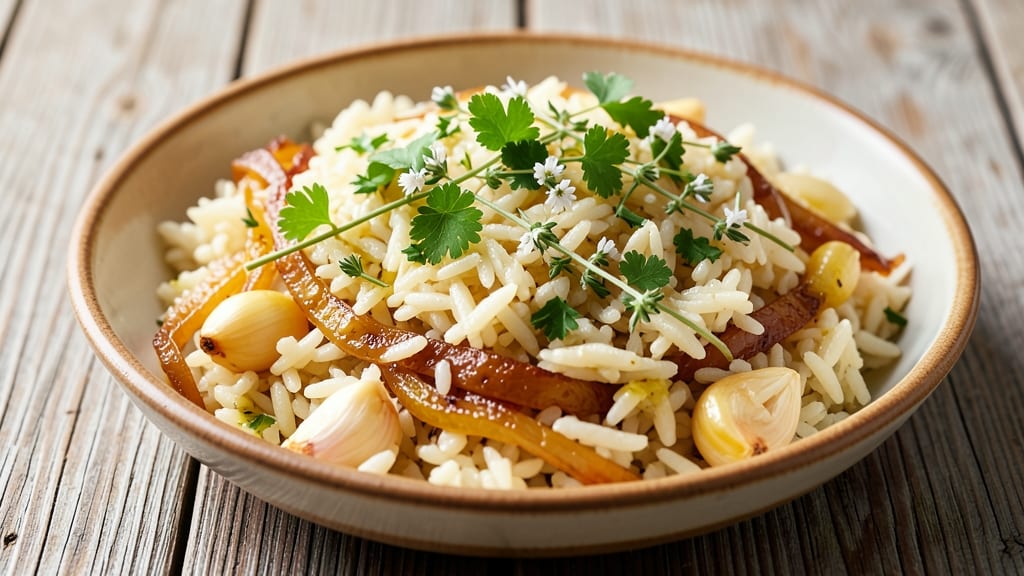
Jamie Oliver's rice recipe transforms simple grains into a fragrant, herb-infused side that rivals restaurant-quality dishes with minimal effort. The secret lies in a one-pot method that develops deep, aromatic flavors without constant stirring—perfect for busy weeknights when you still want restaurant-worthy results.
This approach mirrors Jamie's signature technique of building layers of flavor through proper cooking methods and fresh ingredients.
What sets this recipe apart is the combination of toasted aromatics and long, slow cooking that creates perfectly tender grains with a subtle crunch at the edges. Unlike many rice recipes that require attention, this method lets you set it and forget it while the flavors meld naturally.
The result is a dish that pairs beautifully with grilled meats, roasted vegetables, or even as a standalone meal with a protein.
By the time you serve this rice, you'll notice the difference in texture and aroma compared to standard preparations. The grains remain separate yet flavorful, infused with herbs and aromatics that make every bite more satisfying.
This is the kind of side dish that elevates any meal while keeping preparation simple and stress-free.
The beauty of this recipe extends beyond its simplicity—it's versatile enough to work with different herbs and proteins while maintaining Jamie Oliver's signature balance of freshness and depth. Whether you're cooking for a family dinner or meal prepping for the week, this method delivers consistent, professional-quality results every time.
Ingredients for jamie's rice
Twelve simple ingredients transform into restaurant-quality rice with minimal effort.
| Ingredient | Amount | Notes |
|---|---|---|
| Long-Grain White Rice 🍚 | 1 ½ cups | Uncooked, medium-grain preferred |
| Extra-Virgin Olive Oil 🫒 | ¼ cup | High-quality, fruity variety |
| Yellow Onion 🧅 | 1 whole | Thinly sliced, medium size |
| Garlic Cloves 🧄 | 4 cloves | Fresh, peeled and minced |
| Fresh Thyme 🌿 | ¼ cup | Leaves only, finely chopped |
| Fresh Parsley 🌿 | ¼ cup | Leaves only, finely chopped |
| Vegetable Stock 💧 | 2 cups | Low-sodium preferred |
| Bay Leaves 🍃 | 2 whole | Dried, standard size |
| Diamond Crystal Kosher Salt 🧂 | 1 ½ tsp | Fine grain preferred |
| Freshly Ground Black Pepper 🌶️ | ½ tsp | Coarsely ground |
| Lemon Zest 🍋 | 1 tbsp | From 1 organic lemon |
| Unsalted Butter 🧈 | 2 tbsp | Cold, cubed for finishing |
The rice quality makes all the difference here—Calrose or jasmine varieties work best for their balance of texture and absorption. For the aromatics, fresh thyme and parsley from Whole Foods provide superior flavor compared to dried alternatives. The vegetable stock should be low-sodium to control seasoning—homemade or high-quality brands like Pacific Foods or Kitchen Basics are ideal. If using dried stock cubes, dissolve them in hot water first to remove any grit. The bay leaves should be standard size, not the tiny dried varieties—McCormick sells them in bulk at most grocery stores.
No fresh thyme? Dried thyme at one-third the amount works, but fresh is preferred for that bright herbal note. Substitute parsley with cilantro or basil if needed, though parsley's mild flavor is most versatile. Running low on vegetable stock? Chicken or mushroom stock adds depth, but avoid heavy beef stock. For the lemon zest, organic lemons yield more vibrant flavor—skip the zest if you're out, but add a splash of lemon juice instead. The butter should be cold and cubed for finishing, not melted, to create that signature restaurant crunch.
This rice reheats beautifully—simply add a splash of water and cover until heated through. Store in an airtight container for 3-4 days in the refrigerator or freeze for up to 3 months. For meal prep, portion into individual containers with a pat of butter on top to maintain texture. The aromatics can be prepped ahead and stored in the fridge for up to 5 days in a sealed container, ready to toast when you begin cooking the rice.
Why You'll Love This Recipe
- Pantry Staples Only: I swear by this recipe because it uses what I always have—no last-minute grocery runs. The rice, olive oil, onion, and garlic are my kitchen’s holy quartet, and adding fresh thyme turns them into something special without extra fuss.
- Savory Simplicity: That crispy garlic edge on every grain? Chef’s kiss. The olive oil and thyme infuse the rice with a bright, herby warmth that cuts through rich meals—whether it’s paired with roasted chicken or a simple tomato sauce.
- Weeknight Magic: Between us, I’ve made this for date nights, lazy Sundays, and even as a side for my kids’ picky eaters. It reheats beautifully, so I can cook once and stress less all week—no sad, dry rice here.
- Budget-Friendly Workhorse: Honestly, it’s my go-to for feeding the family without breaking the bank. A single batch stretches for lunches, and the flavors only get better the next day. Plus, the ingredients cost less than takeout but taste like you slaved over them.
Step-by-step instructions for Jamie Oliver's one-pot herb rice
Aromatic, perfectly balanced rice with minimal effort—this method delivers restaurant-quality results in a single pot.
Sauté the Aromatics in Olive Oil
Heat the 0.25 cup extra-virgin olive oil in a heavy-bottomed pot over medium heat. Add the 1 whole yellow onion, sliced into even strips, and cook for 5-6 minutes until softened and translucent. The oil should shimmer but not smoke—this prevents burning the delicate onion flavor.
Add the 4 cloves garlic cloves, minced, and cook for 30 seconds until fragrant. Here's the thing—garlic burns quickly, so keep the heat at medium and stir constantly. The moment it turns golden, it's time to move to the next step. Remove the pot from heat briefly if needed to prevent color loss.
Toast the Herbs and Add Rice
Return the pot to medium heat and add the 0.25 cup fresh thyme and 0.25 cup fresh parsley, finely chopped. Toast the herbs for 1 minute until their aroma fills the kitchen—this step deepens their flavor without overpowering the dish. Immediately add the 1.5 cups long-grain white rice, stirring to coat each grain in the herb-infused oil.
Cook the rice for 2 minutes, stirring frequently, until it becomes slightly translucent at the edges. This dry toasting prevents the rice from becoming mushy later. You'll see the grains begin to separate—this is your signal to add the liquid components.
Deglaze and Simmer with Stock
Pour in the 2 cups vegetable stock and add the 2 whole bay leaves, 1.5 teaspoons diamond crystal kosher salt, and 0.5 teaspoon freshly ground black pepper. Stir once to combine, then bring to a gentle boil. Once boiling, reduce heat to low and cover the pot with a tight-fitting lid.
Simmer for 15 minutes without lifting the lid. This undisturbed cooking allows the rice to absorb the liquid evenly and develop its signature texture. If you peek too early, steam escapes and the rice may dry out. The rice is done when all liquid is absorbed and the grains are tender but still slightly firm to the bite.
Finish with Lemon and Butter
Remove the pot from heat and let it sit, covered, for 5 minutes. This resting period allows residual heat to finish cooking the rice and redistribute any remaining moisture. Discard the bay leaves, then stir in the 1 tablespoon lemon zest and 2 tablespoons unsalted butter, cubed. The butter should melt into a glossy finish, while the lemon zest brightens the dish.
Fluff the rice gently with a fork, then taste and adjust seasoning if needed. The final result should be fragrant, with bright herb notes and a subtle citrus tang. Serve immediately while the butter is still melted into the grains for the best texture and flavor.
Pro Tips For Making Jamie'S Rice
- Sweat the Onion Low: Jamie’s recipe likely calls for a soft, flavorful onion base—don’t rush it. Cook the diced onion on medium-low heat for 8–10 minutes, stirring occasionally, until it’s translucent and just starting to caramelize. High heat burns it fast; low heat builds depth. (Yes, it’ll take longer, but the rice will taste like it simmered all day.)
- Toast the Rice First: Before adding liquid, dry-toast the rice in olive oil over medium heat for 2–3 minutes until it smells nutty and the grains turn slightly opaque. This step locks in flavor and prevents mushy rice—no, it’s not in the original recipe, but it’s the thing that makes your version stand out.
- Use Less Water Than You Think: Long-grain rice absorbs water aggressively, but Jamie’s method often relies on a 1:1.5 rice-to-liquid ratio (not 2:1). Measure carefully, then taste-test the rice after 12 minutes—if it’s still firm, add a splash of broth, not the whole pot. Overdoing it turns rice into porridge.
- Stir the Thyme In Late: Add the fresh thyme sprigs only in the last 5 minutes of cooking. This keeps the leaves intact and releases their aroma without turning the rice bitter. (Pro move: Snip a few sprigs into smaller pieces first—they’ll infuse faster.)
Wine and beer pairings for jamie's rice
Crisp White Wine
Jamie Oliver's herb rice pairs beautifully with a dry Riesling or Sauvignon Blanc—both wines complement the bright lemon zest and fresh herbs without overpowering the delicate flavors.
I reach for a German Riesling like Dr. Loosen Blue Slate for its crisp acidity and subtle mineral notes that mirror the rice's clean finish. The citrus undertones in the wine enhance the lemon zest, creating a harmonious balance. 🍷
Light Red Options
For a red wine pairing, a Pinot Noir is ideal due to its light body and earthy undertones that harmonize with the thyme and parsley. Look for a Oregon Pinot Noir like Domaine Serene—its red fruit notes and subtle spice complement the rice's herbal profile without clashing.
Avoid heavy, tannic reds like Cabernet Sauvignon, which would overpower the dish.
Craft Beer Pairings
A Belgian witbier like Hoegaarden or Stella Artois works surprisingly well with this rice. The citrusy coriander notes in these beers echo the lemon zest, while the effervescence cuts through the richness of the butter.
For a darker option, a pale ale with hops and citrus like Deschutes Mirror Pond provides a refreshing contrast to the herbaceous rice.
Non-Alcoholic Refreshers
If you prefer non-alcoholic pairings, a sparkling lemonade with fresh mint and basil adds a bright, refreshing contrast. I make mine with sparkling water, lemon juice, and a touch of honey—the effervescence cleanses the palate between bites.
For a herbal twist, infuse the lemonade with edible lavender or rosemary sprigs to complement the rice's aromatic profile.
Bold Rosé Alternative
For a bolder wine option, a dry Provence rosé like Whispering Angel brings a floral and fruity complexity that pairs wonderfully with the herb-infused rice. The wine's crisp acidity and red fruit notes enhance the thyme and parsley, while its light body won't overwhelm the dish.
Serve it slightly chilled for the best experience. 💫
Nutrition facts
Frequently asked questions
Can I use this rice recipe with brown rice instead of white?
This method works best with long-grain white rice for the perfect texture, but you can adapt it for brown rice by increasing the cooking time to 30-35 minutes and using 2.5 cups liquid instead of 2. Brown rice absorbs more moisture and takes longer to cook through. Keep the same herb and butter finishing steps for flavor.
Why does Jamie Oliver's method avoid stirring the rice after adding liquid?
Leaving the rice undisturbed after adding stock creates even steaming and prevents the grains from breaking apart. Stirring too early releases steam and can cause uneven cooking or dry spots. The 15-minute covered simmer builds flavor while maintaining the rice's natural structure—just like Jamie's approach to hands-off cooking.
What's the best way to reheat this herb rice without drying it out?
Add 1-2 tablespoons water or stock per cup of rice, cover tightly, and heat on low for 3-5 minutes. The steam will restore moisture without making it soggy. For extra flavor, stir in a pat of cold butter while reheating. Never microwave uncovered—it causes uneven heating and dry edges.
Can I make this recipe in an Instant Pot or rice cooker?
Yes! For an Instant Pot, sauté the aromatics and herbs, then add rice and stock. Cook on high pressure for 4 minutes, then quick-release. For rice cookers, follow the same steps but use 2.5 cups liquid and cook until fully absorbed. Both methods work, but the stovetop version gives the deepest herb infusion.
What herbs can I substitute if I don't have thyme or parsley?
For thyme, try oregano or basil (use half the amount). For parsley, swap with cilantro or dill. If you're missing both, a mix of dried rosemary and chives works well. Adjust to taste—fresh herbs always deliver the brightest flavor, but dried options in a pinch add depth too.