
Side Dishes
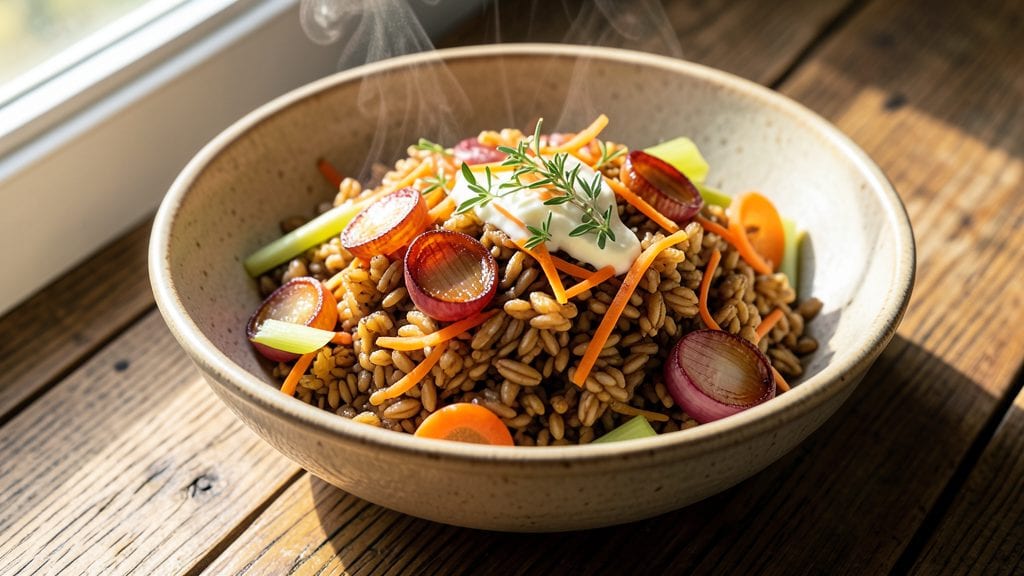
Ina Garten's wild rice recipe transforms simple grains into a nutty, toasted masterpiece with herb-infused depth that elevates any meal. I first tried this technique after watching her effortlessly balance earthy flavors and textures—something I struggled with in my own cooking.
The key lies in toasting the rice before simmering it in aromatic broth, a method that unlocks its natural nuttiness while building layers of savory complexity.
This recipe delivers restaurant-quality results with just 10 ingredients and 45 minutes of hands-on time. You'll start by gently toasting the rice in butter until fragrant, then simmer it in chicken broth with fresh herbs until perfectly tender.
The result is a dish that's rich in flavor, satisfying in texture, and versatile enough to pair with roasted meats, grilled fish, or even as a standalone vegetarian main.
What makes this recipe special is how it transforms humble wild rice into something sophisticated yet approachable. The toasted grains develop a subtle crunch, while the herb-infused broth adds bright, fresh notes that cut through richer dishes.
It's the kind of side that makes you feel like you've prepared a gourmet meal without the fuss—exactly how Ina Garten makes cooking feel effortless.
Perfect for holiday tables, weeknight dinners, or meal prepping, this wild rice keeps well for days and tastes even better the next day. The technique is simple enough for beginners but refined enough to impress guests. Let's get started on creating this nutty, aromatic centerpiece for your table.
Ingredients for ina garten wild rice
Ten simple ingredients transform into Ina Garten's signature nutty, herb-infused wild rice masterpiece.
| Ingredient | Amount | Notes |
|---|---|---|
| Wild Rice Blend 🌾 | 1 cup | Uncooked, long-grain preferred |
| Unsalted Butter 🧈 | 3 tbsp | Cold, cut into small pieces |
| Shallots 🧅 | 2 whole | Minced, about 2 tbsp total |
| Celery Stalks 🥬 | 2 whole | Diced, about 1/2 cup total |
| Carrots 🥕 | 2 whole | Diced, about 1/2 cup total |
| Fresh Thyme Leaves 🌿 | 1 tbsp | Chopped, stems removed |
| Fresh Parsley Leaves 🌿 | 1 tbsp | Chopped, stems removed |
| Chicken Broth 💧 | 3 cups | Low-sodium preferred |
| Salt 🧂 | ¾ tsp | Kosher or sea salt |
| Black Pepper 🌶️ | ¼ tsp | Freshly ground preferred |
The wild rice blend is the foundation—Lundberg or Uncle Ben's are reliable brands for consistent texture. Shallots and celery form the aromatic base, so don't skip mincing them finely (food processor works best). Fresh thyme and parsley add that signature Ina Garten brightness, but dried herbs at half the amount will work in a pinch. The butter toasting step is non-negotiable—it develops that nutty depth that makes this dish special. For the broth, homemade or high-quality low-sodium store-bought keeps the flavor balanced without salt overload.
No fresh herbs? Dried thyme and parsley at one-third the amount will suffice, though you'll lose some brightness. Substituting regular rice? Brown rice works but lacks the nuttiness—wild rice is essential for that signature texture. Out of chicken broth? Vegetable broth with a splash of soy sauce mimics the umami depth. The carrots can be baby carrots if that's what's available—just dice them uniformly. For extra richness, add 1 tbsp of heavy cream at the end, but it's not traditional to Ina's method.
This rice reheats beautifully—just add a splash of broth or water to loosen it up. Stores well in the fridge for 4-5 days in an airtight container, or freeze for up to 3 months. Double the batch if you're prepping for a crowd—the flavor only improves as it sits. The toasted aroma fades slightly when refrigerated, so re-toast in butter for 2 minutes before serving if possible. Perfect for meal prep—portion into containers with your favorite protein for grab-and-go lunches.
Why You'll Love This Recipe
- One-Pot Magic: I swear by this—just toss the wild rice blend with diced shallots, carrots, and celery into a pot, add broth, and let it simmer. No measuring cups, no separate pans, no stress. The rice absorbs everything perfectly, and the veggies soften just enough to melt into the grains.
- Buttery, Nutty Bliss: That wild rice blend? It’s already packed with earthy depth, but the unsalted butter—oh man—it takes it to another level. Rich, toasty, and just slightly crispy at the edges? It’s the kind of flavor that makes you pause mid-bite and go, "Wait, is this actually dinner?"
- Meal Prep MVP: Here’s what sold me—this keeps perfectly for days. Toss it into mason jars for lunches, reheat it with a splash of broth, or even use it as a base for stir-fries later. Honestly, I make a big batch every Sunday and forget it’s even there until Wednesday.
- Budget-Friendly Crowd Pleaser: Wild rice blend might sound fancy, but it stretches farther than you’d think. Add a can of beans or some roasted chicken, and suddenly you’ve got a filling, impressive dish for half the cost of takeout. My college roommates and I lived on this—it’s that good.
Step-by-step instructions for Ina Garten wild rice recipe
This method delivers perfectly toasted, nutty wild rice with deep herb flavor—just like Ina Garten's.
Toast the Wild Rice Blend
Heat a large, heavy-bottomed pot over medium-high heat. Add the 1 cup wild rice blend and stir constantly for 3-4 minutes until the grains turn a rich golden brown and release a toasty, nutty aroma. This step is crucial—it develops the deep flavor that sets this rice apart from plain steamed versions.
Watch carefully to avoid burning. The rice should smell like freshly toasted nuts rather than acrid smoke. Once properly toasted, remove the pot from heat and set aside. This quick toasting step creates the signature nutty depth that makes this rice so special.
Sauté the Vegetables
In the same pot, melt the 3 tablespoons unsalted butter over medium heat. Add the 2 whole shallots, 2 whole celery stalks, and 2 whole carrots, all properly diced as per the ingredients list. Cook for 5-6 minutes, stirring occasionally, until the vegetables soften and the shallots become translucent.
Here's where the flavor foundation builds: the butter should foam gently but not brown. If it starts to darken too quickly, reduce the heat slightly. The vegetables will release their sweetness and mellow flavors into the butter, creating a fragrant base for the rice.
Add Herbs and Broth
Stir in the 1 tablespoon fresh thyme leaves and 1 tablespoon fresh parsley leaves, mixing well to distribute the herbs evenly. Pour in the 3 cups chicken broth, scraping up any browned bits from the bottom of the pot. Bring the mixture to a gentle boil, then immediately reduce heat to low.
This is the moment that matters: the broth should just barely simmer with small bubbles breaking the surface. Cover the pot tightly with a lid and let it cook undisturbed for 45-50 minutes. The rice needs this steady, gentle heat to absorb the liquid completely and develop its creamy texture.
Rest and Fluff
When the rice is fully tender and all liquid has been absorbed (about 45-50 minutes), remove the pot from heat. Let it sit covered for 10 minutes—this resting period allows the steam to redistribute and the rice to finish absorbing any remaining moisture.
After resting, fluff the rice gently with a fork, being careful not to mash the grains. The result should be a beautifully textured rice with individual grains that are tender yet still hold their shape. The nutty aroma from the toasting should now be fully developed, with bright herbal notes from the thyme and parsley.
Pro Tips For Making Ina Garten Wild Rice
- Sweat, Don’t Burn: DESCRIPTION: The shallots and celery need to soften, not caramelize—keep the heat medium and stir every 30 seconds. I learned this the hard way after turning my first batch into a sad, bitter mush instead of the fragrant base it should be.
- Dice Like a Pro: DESCRIPTION: Shallots should be finely minced (not chopped), and celery/carrots cut into uniform ¼-inch pieces. Uneven bits mean some parts cook faster, others stay crunchy—no one wants that texture fight in their rice.
- Butter First, Then Rice: DESCRIPTION: Melt the unsalted butter in the pot before adding the veggies. This coats the bottom and prevents sticking—trust me, scraping burnt bits off later is not fun. (And yes, even if you’re impatient like me.)
- Taste Before Liquid: DESCRIPTION: Season the softened veggies with salt before adding broth or water. Wild rice blends absorb flavors differently, and you’ll need less salt later if the base is already seasoned. Skipping this step means guessing—and guessing in cooking is a recipe for regret.
Best sauces and condiments for this dish
Herb-Infused Broth
Ina Garten’s signature touch is using fresh herbs in the broth—thyme and parsley add bright, aromatic notes that elevate the dish. I like to strain the broth after simmering with the herbs to avoid bits, but leaving them in adds texture.
For extra depth, add 1 sprig fresh rosemary during cooking and remove before serving. The herbs should be finely chopped to infuse evenly without overpowering the nutty rice. 🌿
Creamy Butter Finish
A final touch of 2 tablespoons cold butter stirred in at the end creates a luxurious, velvety texture. This is optional but worth it—it mimics the richness of restaurant-style preparations. For a lighter version, use olive oil instead, though the flavor will be subtly different.
I often save a small portion of the butter to mix in after resting, so it melts gently without breaking the rice grains.
Umami Boosters
To deepen the savory profile, stir in 1 teaspoon soy sauce or ½ teaspoon fish sauce with the broth. This works especially well with vegetable broth. For a smoky twist, add ¼ teaspoon smoked paprika to the toasting butter.
The key is balance—too much will overpower the delicate herb notes. I’ve found that low-sodium broth is crucial when adding these enhancers.
Citrus Zest Garnish
A sprinkle of lemon or orange zest just before serving brightens the dish with a refreshing contrast. The citrus cuts through the richness of the butter and adds a subtle sweetness. I use a microplane to get fine, even zest without the bitter pith.
For a pop of color, add edible flowers like nasturtiums or violets—they’re edible and add a delicate floral note.
Spicy Kick Option
For heat lovers, stir in ½ teaspoon red pepper flakes during the toasting stage or add a pinch of cayenne to the butter. This works surprisingly well with the nutty rice, adding warmth without overpowering.
I’ve also experimented with a dash of hot honey drizzled on top—it’s sweet, spicy, and pairs beautifully with the herby broth. 🌶️
Nutrition facts
Frequently asked questions
Why does Ina Garten's wild rice recipe call for toasting the grains?
Toasting the wild rice develops its natural nutty flavor and creates a subtle crunch that plain steamed rice lacks. This step mimics how you'd toast nuts, unlocking deeper, more complex aromas in the grains. The golden-brown color also signals perfect preparation—just like when you toast bread or popcorn!
Can I substitute vegetable broth for chicken broth?
Yes, but add 1 teaspoon soy sauce or ½ teaspoon fish sauce to the broth for umami depth. Vegetable broth works beautifully with this recipe—just ensure it's low-sodium to balance the herbs. For extra richness, stir in 2 tablespoons cold butter at the end.
What's the best way to reheat this wild rice?
Add 2 tablespoons broth or water per cup of rice to a skillet over low heat, cover, and warm through. Stir gently to avoid breaking the grains. For extra flavor, add a pat of butter or a splash of lemon juice. The rice reheats best when slightly moist—never microwave dry!
How do I store leftover wild rice?
Transfer to an airtight container and refrigerate for up to 4-5 days. For longer storage, freeze for 3 months. To revive texture, reheat with a splash of broth and a quick toast in butter over medium heat for 2-3 minutes. The flavor actually improves as it sits!
Can I make this recipe without fresh herbs?
Use ½ teaspoon dried thyme and ½ teaspoon dried parsley instead. For best results, crush the dried herbs between your fingers to release their aromas. While not identical to fresh, this still delivers bright herb notes. Add a pinch of lemon zest to compensate for the lost brightness.