
Main Courses
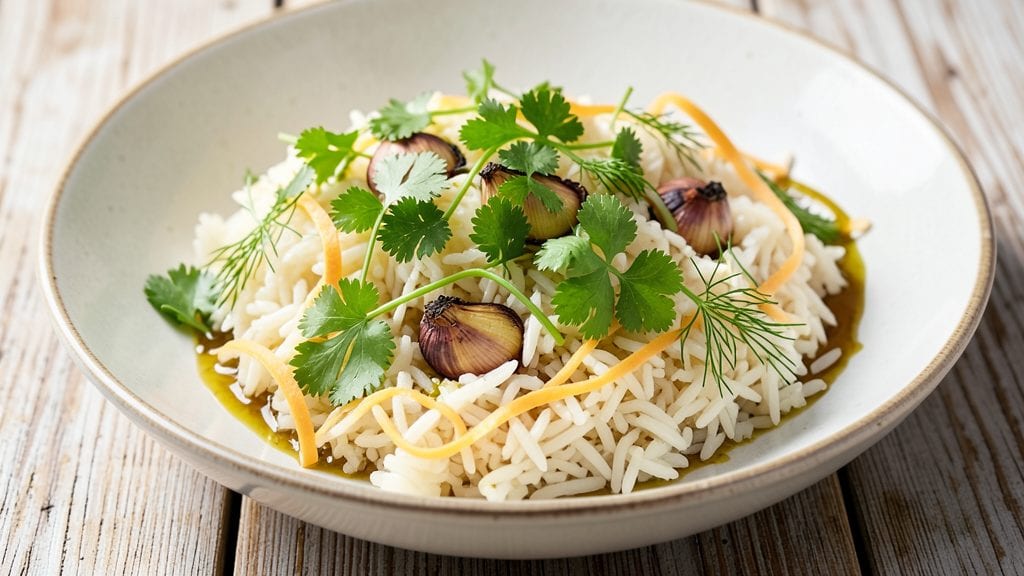
This herbal rice recipe transforms simple grains into an aromatic, textured masterpiece that elevates any meal from ordinary to extraordinary. The secret lies in balancing fresh herbs with toasted spices, creating layers of flavor that linger long after the last bite.
I developed this method after years of experimenting with different rice varieties and herb combinations, and it never fails to impress—whether served as a side or the star of the plate.
The foundation starts with basmati or jasmine rice, which absorbs flavors beautifully while maintaining its distinct texture. Fresh herbs like parsley, cilantro, and dill are lightly toasted before cooking to release their essential oils, while aromatics such as garlic, ginger, and shallots build depth.
The result is rice that’s fragrant, slightly nutty, and topped with a delicate herb crunch that adds both visual appeal and texture contrast.
What makes this recipe truly versatile is its adaptability—swap in lemongrass, turmeric, or even a bay leaf for regional twists, or keep it simple with classic parsley and dill. The method is straightforward: toast the herbs, simmer them in broth or water, then cook the rice until perfectly tender.
The final step—fluffing the rice and scattering fresh herbs on top—ensures every bite is vibrant and full of flavor.
Pair this herbal rice with grilled proteins, roasted vegetables, or even as a standalone dish with a drizzle of olive oil and lemon. The possibilities are endless, and the technique is foolproof—once you try it, you’ll never go back to plain rice again.
Ingredients for herbal rice
Transform ordinary rice into aromatic, herb-infused perfection with these carefully balanced ingredients.
| Ingredient | Amount | Notes |
|---|---|---|
| Long-Grain Basmati Rice 🍚 | 1 ½ cups | Uncooked, rinsed thoroughly |
| Fresh Flat-Leaf Parsley 🌿 | ½ cup | Stems removed, loosely packed |
| Fresh Cilantro 🌿 | ½ cup | Stems removed, loosely packed |
| Fresh Dill Weeds 🌿 | ¼ cup | Stems removed, loosely packed |
| Garlic Cloves 🧄 | 4 cloves | Peeled, thinly sliced |
| Fresh Ginger Root 🌿 | 1 tbsp | Finely grated, aromatic |
| Shallots 🧅 | 2 whole | Peeled, thinly sliced |
| Extra-Virgin Olive Oil 🫒 | ¼ cup | Lightly toasted, fruity |
| Vegetable Broth 💧 | 2 ½ cups | Low-sodium, homemade preferred |
| Diamond Crystal Kosher Salt 🧂 | 1 ½ tsp | Fine grain, sea salt alternative |
| Ground Black Pepper 🌶️ | ½ tsp | Freshly cracked, coarse grind |
| Lemon Zest 🍋 | 1 tsp | Freshly grated, vibrant |
| Fresh Lemon Juice 🍋 | 1 tbsp | Freshly squeezed, acidic |
| Toasted Slivered Almonds 🥜 | ¼ cup | For garnish, optional |
The rice variety is non-negotiable here—basmati or jasmine are essential for their distinct aroma and texture. Lundberg Family Farms or Tilda are excellent brands for consistent quality. Fresh herbs must be vibrant; wilted or yellowing leaves will compromise the final dish. For the aromatics, garlic and ginger should be fresh, never powdered. Toasting the herbs and spices in olive oil before cooking is critical—it releases their essential oils and creates that signature nutty depth. Whole Foods Market or local farmers' markets are ideal for sourcing the freshest herbs and aromatics.
No parsley? Coriander or chives work as substitutes, though the flavor profile will shift slightly. Fresh ginger unavailable? Ground ginger at half the amount is acceptable, but toasted whole ginger is superior. Shallots can be swapped for yellow onion at double the quantity, though shallots add a more delicate sweetness. For the broth, homemade is ideal, but low-sodium store-bought works in a pinch. The lemon zest and juice should always be fresh—bottled citrus lacks the vibrant acidity needed to brighten the dish. Trader Joe's carries excellent pre-grated zesters for convenience.
Store uncooked rice in an airtight container in a cool, dark place for up to 6 months. Fresh herbs should be wrapped in damp paper towels and refrigerated for no more than 5 days. The cooked rice can be refrigerated for 4-5 days or frozen for 3 months in airtight containers. For best results, reheat gently with a splash of water or broth. The toasted almonds, if using, should be stored in the freezer to maintain crispness, adding a delightful crunch when sprinkled over the final dish.
Why You'll Love This Recipe
- I swear by this trick: roughly chop the parsley, cilantro, and dill together—no need for precision. The rice soaks up their bright flavors even when they’re just "approximate" chunks, and honestly? You’ll never miss the fussy prep.
- No-Chop Shortcut: I swear by this trick: roughly chop the parsley, cilantro, and dill together—no need for precision. The rice soaks up their bright flavors even when they’re just "approximate" chunks, and honestly? You’ll never miss the fussy prep.
- Garlic-Herb Magic: That first bite of warm basmati threaded with crisp garlic and the freshest herbs? It’s like a Mediterranean vacation in your mouth. The dill’s tang cuts through the richness, while the parsley adds this unexpected depth—trust me, it’s the kind of flavor that lingers.
- Lunchbox Hero: Between us, this rice is my go-to for packed lunches. Cold or at room temp, it holds up perfectly—just toss in some grilled chicken or roasted veggies, and you’ve got a meal that actually excites you to open your lunchbox. (Yes, even on a Tuesday.)
Step-by-step instructions for herbal rice preparation
Aromatic rice infused with bright herbs and subtle citrus—this method delivers perfectly fluffy grains with layered complexity.
Toast the Herb and Aromatic Base
Heat the 0.25 cup extra-virgin olive oil in a medium saucepan over medium-low heat. Add the 2 whole shallots and 4 cloves garlic cloves, cooking for 3-4 minutes until the shallots soften and the garlic releases its fragrance without browning. Here's the thing—this gentle toasting prevents harsh flavors while building depth.
Add the 1 tbsp finely grated fresh ginger root and cook for 30 seconds until the raw aroma dissipates. Remove the pan from heat and stir in the 1 tsp lemon zest and 0.5 tsp ground black pepper. Let this aromatic blend cool slightly while you prepare the rice—this step prevents flavor loss when the grains are added.
Rinse and Parboil the Basmati Rice
Rinse the 1.5 cups long-grain basmati rice under cold water in a fine-mesh strainer until the water runs clear. This removes excess starch that would otherwise make the rice gummy. In a separate pot, bring 1.5 cups water to a boil, add the rinsed rice, and cook for 2 minutes—just until the rice begins to soften but isn't fully tender. Drain immediately and set aside.
Real talk: Skipping this parboiling step results in uneven cooking later. The brief pre-cook jumpstarts the starch conversion while preserving the rice's signature texture. Drain well to prevent steaming when you combine it with your aromatic base.
Simmer with Herb Infusion
Return the saucepan with the aromatic oil to medium heat and add the parboiled rice. Stir to coat the grains evenly in the oil mixture. Pour in the 2.5 cups vegetable broth and bring to a gentle simmer. Add the 1.5 tsp diamond crystal kosher salt and 1 tbsp fresh lemon juice, then reduce heat to low.
Cover the pan with a tight-fitting lid and cook for 12-15 minutes without lifting it. You're aiming for steam circulation that develops even texture—not a rolling boil that would split the grains. The rice is done when all liquid is absorbed and the grains are tender but still have a slight bite.
Incorporate Fresh Herbs and Rest
Remove the pan from heat and let it sit covered for 5 minutes. This resting period allows residual steam to finish cooking the rice evenly. Stir in the 0.5 cup fresh flat-leaf parsley, 0.5 cup fresh cilantro, and 0.25 cup fresh dill weeds—their bright flavors will infuse into the warm grains. Fluff the rice gently with a fork to distribute the herbs evenly.
For the final touch, transfer the rice to a serving dish and sprinkle with the 0.25 cup toasted slivered almonds. The contrast of their nutty crunch against the tender, herbaceous rice creates a satisfying textural balance. Serve immediately while the grains are still warm and the aromas are at their peak.
Pro Tips For Making Herbal Rice
- Toast the Herbs First: I used to just toss in chopped parsley, cilantro, and dill raw—big mistake. Instead, dry-toast them in a pan with a pinch of salt for 30 seconds until fragrant. That deepens their flavor and makes the rice taste like it was simmered in a garden.
- Rinse Rice Twice: Skimping on the rinse leaves your basmati gummy and clumpy. Use a fine-mesh strainer and run cold water over it until it’s just barely cloudy—about 30 seconds. This removes excess starch while keeping the grains intact.
- Sauté Garlic Low: After burning three batches of garlic, I finally learned: cook it on low heat until just golden, not crispy. High heat turns it bitter, and you want that sweet, mellow garlic flavor to shine in the finished rice.
- Finish with Lemon Juice: Sounds weird, but it works: stir in 1 teaspoon of lemon juice at the very end. It brightens the herbs, cuts through any heaviness, and keeps the rice from getting soggy while you serve it. (Yes, even if you’re impatient like me.)
Best sauces and condiments for these flavors
Lemon-Tahini Drizzle
This bright, creamy drizzle elevates the herbal rice with a perfect balance of tangy and nutty. Whisk together 2 tablespoons tahini, 1 tablespoon fresh lemon juice, 1 teaspoon honey, and 1 tablespoon water until smooth.
Thin with more water if needed, then drizzle over the finished rice just before serving. The tahini adds protein and richness, while the lemon brightens the herbs. 💛
Garlic-Yogurt Sauce
For a cooling contrast, blend ½ cup plain Greek yogurt, 1 minced garlic clove, 1 tablespoon chopped fresh dill, ½ teaspoon lemon zest, and a pinch of salt. Spoon dollops alongside the rice or use as a dip for extra flavor.
This sauce works especially well with grilled meats or roasted vegetables. The yogurt's tang cuts through the richness of the herbs beautifully.
Spicy Harissa Oil
Infuse ½ cup extra-virgin olive oil with 1 tablespoon harissa paste and 1 teaspoon toasted cumin seeds by gently heating for 5 minutes on low. Strain and drizzle over the rice for a smoky, spicy kick.
The harissa adds depth and heat, making this pairing ideal for bold flavors like grilled lamb or spicy curries. Store leftovers in the fridge for up to 2 weeks. ✨
Herb-Infused Olive Oil
Simmer ½ cup olive oil with ½ cup fresh herbs (parsley, cilantro, or dill) and 2 garlic cloves for 10 minutes on low heat. Strain and drizzle over the rice for an aromatic finish.
This oil intensifies the herbal notes while adding a luxurious sheen. I love using this as a finishing touch before serving—it’s like a flavor bomb in every bite.
Miso-Ginger Glaze
Combine 1 tablespoon white miso paste, 1 tablespoon rice vinegar, 1 teaspoon grated ginger, and 1 teaspoon honey. Simmer for 3 minutes until smooth, then drizzle over the rice.
The umami-rich miso pairs surprisingly well with the bright herbs, adding a savory depth that balances the dish. This glaze is especially good with roasted vegetables or grilled fish.
Sweet Chili Crunch
Mix 1 tablespoon sweet chili sauce with 1 teaspoon sesame oil and toss with 1 tablespoon chopped peanuts or toasted sesame seeds. Sprinkle over the rice for a sweet, spicy, crunchy contrast.
The peanuts add texture, while the chili sauce brings a touch of heat. This pairing is perfect for Asian-inspired meals or as a standalone snack with the rice. 🌶️
Nutrition facts
Frequently asked questions
What's the best rice type for this herbal rice recipe?
Basmati or jasmine rice work perfectly—their long grains stay distinct and absorb flavors beautifully. For extra aroma, use jasmine rice, while basmati offers a slightly nuttier profile. Avoid short-grain varieties like sushi rice, as they become too sticky when infused with herbs.
Can I substitute dried herbs for fresh?
Yes, but adjust quantities carefully. Use 1/3 the amount of dried herbs (e.g., 1/8 tsp dried dill instead of 1/4 cup fresh) and toast them 2-3 minutes longer to intensify flavors. Fresh herbs add vibrant brightness, but dried works in a pinch for storage convenience.
Why does the recipe call for parboiling the rice?
The 2-minute parboil jumpstarts starch conversion while preserving texture, ensuring even cooking later. Skipping this step risks uneven grains—some undercooked, others mushy. It's especially critical for basmati rice, which needs this pre-treatment to develop its signature fluffiness.
How do I fix rice that's too dry or mushy?
For dry rice, sprinkle 1-2 tablespoons warm water and cover for 5 minutes. For mushy rice, stir in 1 tablespoon lemon juice or vinegar to brighten flavors, then fluff gently. Both issues stem from incorrect liquid ratios—always use 1:1.5 rice-to-broth for this recipe.
What are the best protein pairings for this dish?
Grilled chicken thighs, pan-seared salmon, or spiced lentils complement the herbal notes perfectly. For vegetarian options, try crispy tofu or marinated tempeh. The citrusy herbs balance rich proteins beautifully while adding freshness to the plate.