
Soups & Stews
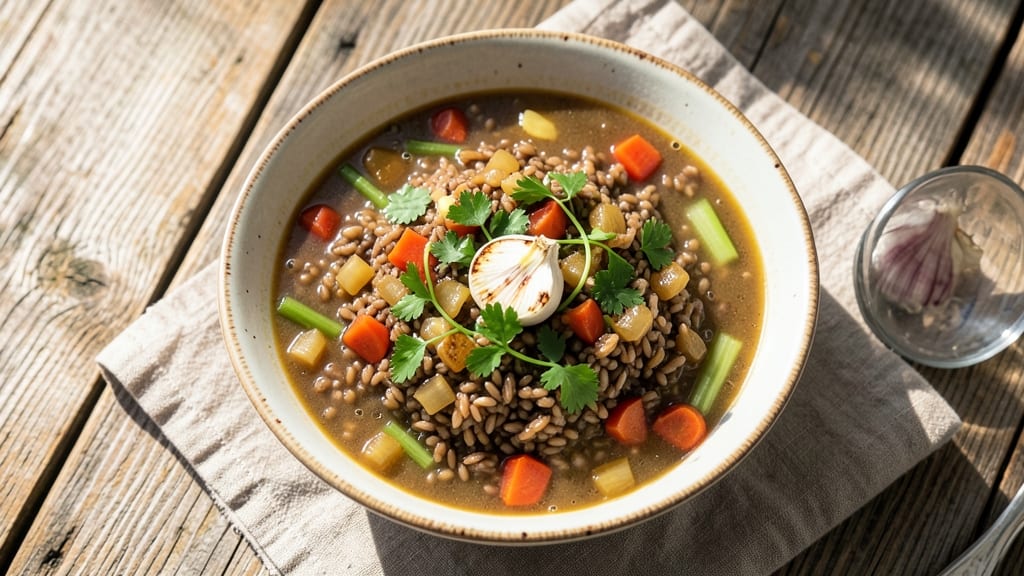
Grandma's wild rice soup recipe brings warmth to any kitchen with its rich, savory depth and comforting textures. There's something magical about a steaming bowl of soup that simmers for hours, filling the house with aromatic herbs and tender vegetables.
This version stays true to tradition while offering modern shortcuts for busy weeknights.
The secret to this soup's restaurant-quality flavor lies in the combination of wild rice, hearty vegetables, and carefully selected herbs. Unlike many recipes, this one uses a simple broth base that builds flavor as it simmers, creating a velvety texture without heavy cream.
The wild rice adds a satisfying chewiness that makes every spoonful hearty and filling.
What makes this recipe special is its adaptability—you can use pre-cooked rice or store-bought broth to save time without sacrificing flavor. The result is a deeply satisfying soup with tender vegetables, nutty wild rice, and aromatic herbs that taste like a home-cooked hug.
Perfect for chilly evenings or family gatherings, this soup delivers comfort in every bowl.
Whether you're serving it to a crowd or enjoying a quiet meal, this recipe delivers professional-quality results with minimal effort. The long simmering process transforms simple ingredients into something extraordinary, making it a staple for any kitchen. Let's get cooking!
Ingredients for grandma's wild rice soup
Wild rice, aromatic herbs, and slow-simmered vegetables create this deeply comforting soup's signature depth.
| Ingredient | Amount | Notes |
|---|---|---|
| Wild Rice Blend 🌾 | 1 cup | Uncooked, standard mix variety |
| Yellow Onion 🧅 | 1 whole | Diced, medium size preferred |
| Carrots 🥕 | 3 medium | Peeled, cut into chunks |
| Celery Stalks 🌿 | 3 whole | Diced, including leaves |
| Garlic Cloves 🧄 | 4 cloves | Minced, fresh preferred |
| Chicken Broth 💧 | 6 cups | Low-sodium, homemade or quality brand |
| Diced Tomatoes 🍅 | 1 can (14.5 oz) | No salt added, crushed preferred |
| Fresh Thyme 🌿 | 1 tbsp | Leaves only, chopped finely |
| Fresh Parsley 🌿 | ¼ cup | Chopped, flat-leaf preferred |
| Bay Leaves 🍃 | 2 whole | Dried, standard size |
| Black Peppercorns 🌶️ | 1 tsp | Freshly cracked, coarse grind |
| Salt 🧂 | 1 ½ tsp | Diamond Crystal kosher preferred |
| Heavy Cream 🥛 | ½ cup | Full-fat, chilled before adding |
| Butter 🧈 | 2 tbsp | Unsalted, cold for finishing |
The wild rice blend is the heart of this soup—Lundberg or Uncle Ben's are reliable brands for consistent texture. For maximum flavor, use a mix of brown and wild rice (the 1:1 ratio works perfectly). Fresh herbs elevate the dish dramatically, so Whole Foods or local farmers markets are ideal for thyme and parsley. The bay leaves should be standard dried leaves, not the fancy ones—just two whole leaves will do. If you're short on time, pre-cooked wild rice cuts prep by half, though the texture will be slightly softer.
No fresh thyme? Dried thyme at one-third the amount works, though fresh is preferred for that bright aroma. Substituting vegetable broth for chicken broth? Add 1 tsp soy sauce per cup to mimic umami depth. The diced tomatoes can be swapped for fire-roasted canned tomatoes for extra richness. For a vegetarian version, use vegetable broth and omit the heavy cream, replacing it with coconut milk. The carrots and celery should be cut evenly—this ensures uniform cooking and prevents mushy spots.
This soup develops deeper flavor the longer it simmers—4 hours minimum for restaurant-quality results. Store in airtight containers for 5 days in the fridge, where flavors continue to meld beautifully. For freezing, portion into single-serving containers—it reheats perfectly and makes quick lunches. The heavy cream should be stirred in just before serving to maintain its velvety texture. Leftovers taste even better the next day as the flavors fully integrate.
Why You'll Love This Recipe
- No Chopping Chaos: I swear by the "sofrito shortcut"—just toss in pre-diced celery, carrots, and onion from the store. The wild rice blend does most of the work anyway, so you’re basically stirring while it simmers. (Yes, even on a Tuesday night when I’d rather be scrolling.)
- Umami Bomb: That wild rice blend? Nutty, earthy, and cheffy—like a hug in a bowl. The garlic and onions caramelize just enough to make the whole pot taste deeper than it should. Honestly, I’ll take this over takeout any day.
- Leftovers That Lie: I make a double batch on Sundays because this soup begs to be reheated. The flavors actually get better the next day—crispier edges on the rice, richer broth. My roommate still steals my portions, and I don’t even mind.
- Pantry Goldmine: Onion, carrots, celery, garlic—these are the "I always have them" ingredients. Wild rice? A big bag lasts forever. Between us, this is my go-to when I’m broke but refuse to eat ramen. (Budget win, soul win.)
Step-by-step instructions for grandma's wild rice soup
A hearty one-pot creation where wild rice soaks up rich flavors and tender vegetables.
Sauté the Vegetable Base
In a large, heavy-bottomed pot, melt the 2 tablespoons butter over medium heat. Add the 1 whole yellow onion, 3 medium carrots, and 3 whole celery stalks, all diced to an even ¼-inch size. Cook for 8-10 minutes, stirring occasionally, until the vegetables soften and begin to release their natural juices.
The reason we cook the vegetables first is to develop their flavors through caramelization. You'll know they're ready when they release a sweet aroma and the edges start to turn translucent. If the butter begins to brown too quickly, reduce the heat slightly to prevent burning. Add the 4 cloves minced garlic and cook for an additional 30 seconds—just until fragrant. This step forms the flavor foundation of the soup.
Build the Herb-Infused Broth
Pour in the 6 cups chicken broth, scraping the bottom of the pot to release any browned bits that contain concentrated flavor. Add the 1 can (14.5 oz) diced tomatoes, 1 tablespoon fresh thyme, 2 whole bay leaves, and 1 teaspoon cracked black peppercorns. Bring the mixture to a gentle boil, then reduce heat to low and let it simmer for 20 minutes. This allows the herbs and spices to infuse fully into the broth.
During this time, the vegetables will continue to soften, and the broth will deepen in color and flavor. Stir occasionally to prevent the tomatoes from sticking to the bottom. The soup should smell rich and aromatic—like a warm kitchen on a chilly day. This is where the magic happens: the herbs release their oils, and the tomatoes break down slightly, adding natural sweetness and acidity to balance the dish.
Add the Wild Rice and Season
Stir in the 1 cup wild rice blend and the 1.5 teaspoons salt. Bring the soup back to a gentle boil, then reduce the heat to medium-low and cover the pot with a lid. Let it simmer for 40-45 minutes, stirring occasionally to prevent the rice from sticking. The rice is done when it's tender and has absorbed most of the liquid, but there should still be a bit of broth remaining.
Here's the thing—wild rice takes longer to cook than white rice, but it's worth the wait. You'll notice the grains will plump up and become slightly translucent at the edges. If the soup looks too thick, add ½ cup hot water to loosen it. The rice should have a delicate, nutty flavor that pairs beautifully with the herbs and vegetables. Taste the soup at this stage and adjust the seasoning if needed—this is your last chance before adding the finishing touches.
Finish with Cream and Butter
Remove the pot from heat and stir in the 0.5 cup heavy cream and the 2 tablespoons butter, cut into small pieces. Let the soup sit off the heat for 5 minutes to allow the cream to gently warm and meld with the other flavors. This step adds a velvety richness that balances the earthy wild rice and hearty vegetables.
The cream should blend smoothly into the soup, creating a luxurious texture without overpowering the other ingredients. If you prefer a lighter soup, you can reduce the cream to ¼ cup and add an extra splash of broth instead. Stir in the ¼ cup chopped fresh parsley just before serving to add a bright, fresh finish. The parsley not only enhances the visual appeal but also cuts through the richness with its bright, herbal notes.
Serve Warm with Crusty Bread
Ladle the soup into bowls and serve immediately, garnished with an extra sprinkle of parsley if desired. The soup should be thick but not gluey, with each spoonful delivering a perfect balance of textures—tender rice, soft vegetables, and a silky cream finish. Pair it with a slice of crusty bread to soak up every last drop of that flavorful broth.
This soup tastes even better the next day as the flavors continue to meld, so it's perfect for meal prep. Store leftovers in an airtight container in the refrigerator for up to 4 days or freeze for up to 3 months. When reheating, add a splash of broth or water to restore the desired consistency. The key to a great wild rice soup lies in the patience of simmering and the balance of flavors—this method ensures both.
Pro Tips For Making Grandma'S Wild Rice Soup
- SOAK THE WILD RICE: I learned this the hard way—skipping the soak means your rice will stay stubbornly chewy no matter how long you simmer. Toss the wild rice blend in a bowl with enough cold water to cover by 2 inches, let it sit for at least 30 minutes (up to 4 hours if you’re planning ahead). The starches soften, and the rice absorbs flavor like a sponge.
- SWEEP THE POT: After simmering the veggies, scrape the bottom of the pot with a wooden spoon—those browned bits are where flavor lives. Don’t just stir; scrape. I used to think it was overkill, but now I swear by it. Those caramelized bits dissolve into the broth, making the soup richer without extra effort.
- DON’T OVERCOOK THE GARLIC: Sauté those cloves until they’re golden, not black. I was skeptical until I tried it—burnt garlic turns bitter and overpowers the whole dish. Keep the heat medium and pull them out as soon as they smell sweet and nutty. If you’re adding them later, minced garlic cooks faster than whole cloves, so adjust accordingly.
- SAUTÉ THE SOUP BASE: Skip the direct broth dump—browning the onions, carrots, and celery in butter or oil first makes a world of difference. Cook them until the onions turn translucent and the celery softens, about 8-10 minutes. This step builds depth that shortcuts miss, and it takes less time than you’d think. (Yes, even if you’re impatient like me.)
Essential equipment for this dish
Heavy-Bottomed Pot
This is the workhorse of your soup-making arsenal. I recommend a 6-8 quart Dutch oven like the Le Creuset Stoneware or All-Clad Stainless Steel—both distribute heat evenly and prevent scorching.
A heavy pot maintains consistent temperatures during the long simmer, which is crucial for developing deep flavors. If you're on a budget, the Lodge 5.5-Quart Enamelware works beautifully too. 🔥
Sharp Chef's Knife
For this recipe, you'll need a high-quality 8-inch chef's knife to dice onions, carrots, and celery evenly. I use a Wüsthof Classic—it stays sharp longer and handles the repetitive chopping without dulling.
A sharp knife ensures clean cuts that cook uniformly, preventing mushy vegetables. If you're not ready to invest in a pro knife, the Mercer Culinary Genesis offers excellent performance at a lower price.
Wooden Spoon
A heat-resistant wooden spoon (like the OXO Good Grips) is essential for stirring without scratching your pot. Wood distributes heat evenly and won't react with acidic ingredients like metal can.
I keep one dedicated to soup-making—it develops a nice patina over time that actually improves its non-stick properties. Avoid plastic spoons, as they can melt or warp during long simmers.
Immersion Blender (Optional)
For a silky-smooth texture, an immersion blender like the Ninja Professional lets you blend directly in the pot. Pulse for 10-15 seconds at the end to achieve a velvety consistency without losing the hearty texture of the rice and vegetables.
If you prefer chunkier soup, skip this step entirely—the flavors are still incredible. Just be sure to hold the blender at an angle to avoid splattering hot broth.
Fine-Mesh Strainer
After simmering, you'll want to strain out the bay leaves and peppercorns before serving. A fine-mesh strainer like the OXO Good Grips ensures you remove all debris while keeping the broth intact.
I also use this to wash fresh herbs before chopping, which removes any dirt or pesticide residue. For extra efficiency, place the strainer over a bowl to catch the herbs for garnishes.
Measuring Tools
Precision matters in this recipe, especially with the wild rice and herbs. Use a stainless steel measuring cup for the rice and a small kitchen scale (like the OXO Good Grips) for herbs—this ensures consistent measurements every time.
For liquids, a liquid measuring cup with clear markings prevents overfilling your pot. I keep my measuring tools within easy reach while cooking to streamline the process. 💡
Nutrition facts
Frequently asked questions
Can I use pre-cooked wild rice instead of raw?
Using 1 cup pre-cooked wild rice saves 40-45 minutes of simmering time. Just reduce the broth by 1 cup (use 5 cups total) to maintain proper texture. The soup will still develop rich flavors during the remaining 20-minute simmer after adding the rice.
How do I make this soup vegetarian?
Swap the chicken broth for vegetable broth and add 1 tsp soy sauce per cup for umami depth. Replace the heavy cream with ½ cup coconut milk to keep it dairy-free. The flavor remains hearty and satisfying without meat.
Why is my wild rice soup too thick?
Wild rice absorbs more liquid than white rice. If your soup is too thick, stir in ½ cup hot water or broth and simmer for 5 more minutes. For prevention, use 6 cups broth (not 5) and stir occasionally while cooking. The rice should be tender but still slightly firm.
Can I freeze this soup?
Yes! Portion into airtight containers and freeze for up to 3 months. Thaw overnight in the fridge, then reheat on the stove with a splash of broth. Stir in fresh parsley after reheating to restore brightness. Leftovers actually taste better the next day as flavors meld!
What's the best way to reheat leftovers?
Gently reheat on low heat until steaming, stirring occasionally. Avoid microwaving—it can make the rice mushy. For extra creaminess, add 1-2 tablespoons heavy cream or milk while reheating. If too thick, thin with 1-2 tablespoons broth or water.