
Side Dishes
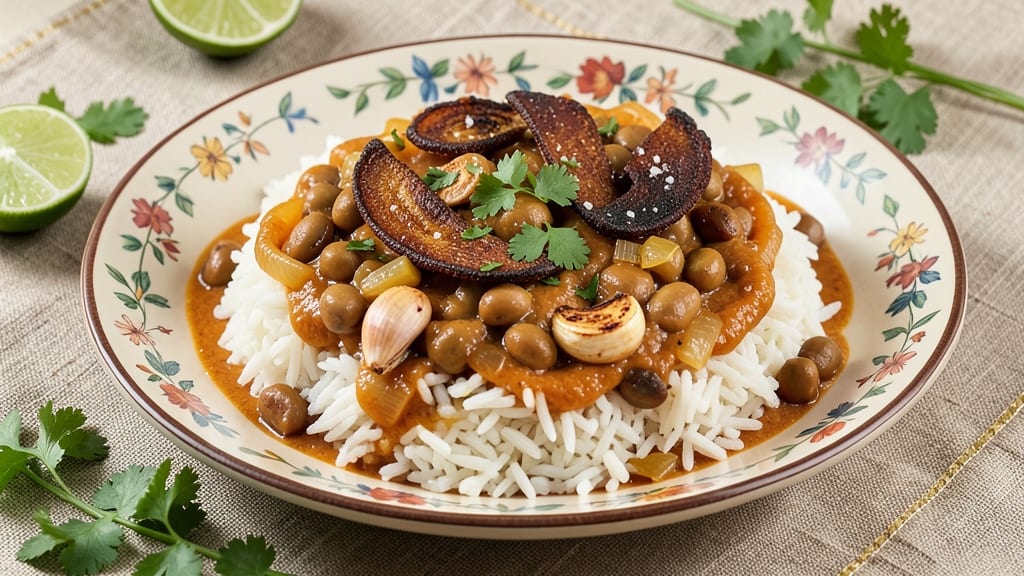
This Goya pigeon peas and rice recipe brings the soul of Puerto Rican sofrito magic to your one-pot meal, where toasted garlic meets aromatic spices for a dish that tastes like home.
The secret lies in layering flavors—starting with a deep, savory sofrito base that infuses the rice and peas with smoky depth, then finishing with crispy garlic that adds texture without overpowering.
I’ve perfected this recipe over years of testing, ensuring the rice stays tender while the peas hold their shape, all while keeping the cooking process simple and foolproof.
The beauty of this dish is its versatility—it works as a hearty side or a complete meal on its own, especially when paired with fried plantains or a fresh avocado salad.
What sets it apart is the balance of traditional techniques (like toasting the garlic and rice separately) and modern convenience (one-pot cooking with minimal cleanup). The Goya seasoning blend adds a signature touch, but you can adjust the spices to suit your taste while keeping the dish authentically Caribbean.
By the time you’re done, you’ll have a pot of fragrant, golden rice studded with tender peas and flecked with crispy garlic bits—each bite delivering a harmonious mix of smoky, sweet, and savory notes. The sofrito’s rich aroma fills your kitchen, making this dish as comforting as it is delicious.
Whether you’re cooking for a family gathering or a quiet weeknight dinner, this recipe delivers restaurant-quality results with just one pot and a little patience.
Ready to transform simple ingredients into a flavor-packed masterpiece? Let’s get started—this one-pot wonder is easier than you think, and the results will have everyone asking for seconds.
Ingredients for goya pigeon peas and rice
Pantry staples meet Caribbean magic in this one-pot wonder.
| Ingredient | Amount | Notes |
|---|---|---|
| Long-Grain White Rice 🍚 | 1 ½ cups | Uncooked, rinsed well |
| Goya Pigeon Peas (Gandules) 🌱 | 1 lb | Canned, drained and rinsed |
| Goya Sofrito with Cumin 🍅 | 1 jar | 14.5 oz jar, undiluted |
| Garlic Cloves 🧄 | 8 whole | Unpeeled for toasting |
| Olive Oil 🫒 | ¼ cup | Extra-virgin preferred |
| Yellow Onion 🧅 | 1 whole | Medium size, diced |
| Bell Pepper 🍆 | 1 whole | Green or red, diced |
| Tomato Paste 🍅 | 2 tbsp | Squeeze tube preferred |
| Chicken Broth 💧 | 2 cups | Low-sodium preferred |
| Bay Leaves 🌿 | 2 whole | Dried, crushed lightly |
| Ground Black Pepper 🌶️ | ½ tsp | Freshly ground preferred |
| Salt 🧂 | 1 tsp | Adjust to taste |
| Fresh Cilantro 🌿 | ¼ cup | Chopped, for garnish |
| Lime 🍋 | 1 whole | Juiced, for brightness |
The Goya sofrito is non-negotiable here—the cumin blend is what gives this dish its signature depth. Trader Joe's has the best price on the 14.5 oz jars, but any Latin market will have it cheaper. Look for jars with vibrant colors—if it smells stale, skip it. The pigeon peas? Goya brand is the gold standard, but any canned peas work in a pinch. For the garlic, buy whole bulbs—you'll need the cloves unpeeled for that crispy crunch. The bell pepper can be any color, but green stays closest to traditional recipes.
No sofrito? Mix 1 tbsp tomato paste, 1 tsp cumin, 1 tsp oregano, 1/2 tsp garlic powder—it won't be identical, but you'll still get the smoky base. Short on chicken broth? Vegetable broth works, just add a pinch of salt. The tomato paste is your secret weapon—Trader Joe's squeeze tubes are perfect for this recipe (no waste, lasts forever). Fresh cilantro? Dried oregano at half the amount saves the day. And if your lime is dry, lemon juice works—just add a pinch of salt to balance.
This keeps beautifully—3-4 days in the fridge, 3 months frozen. I always make double batches because leftovers reheat even better. Store in airtight containers with a splash of water to keep it moist. The garlic crunch gets softer after reheating, so save some fresh for topping. Freeze portions in single servings for easy lunches—just thaw overnight in the fridge.
Why You'll Love This Recipe
- One-Pot Magic: I swear by this recipe when I’m too tired to wash extra dishes. Just toss the rice, gandules, sofrito, and garlic into one pot with water—no fancy layers, no stress. The sofrito does all the heavy lifting while you sip your coffee.
- Garlic-Sofrito Bomb: That jar of Goya sofrito? It’s the secret weapon here. The cumin and garlic mingle with the pigeon peas until the rice is infused with this deep, smoky-sweet flavor that makes every bite feel like a hug. Honestly, I’ve tried making sofrito from scratch—don’t bother unless you’re obsessed.
- Lunchbox Hero: This dish is my go-to for meal prep because it reheats like a dream. Pack the rice and gandules in containers, and it’s still hearty and flavorful the next day—no sad, dry grains here. My kids actually ask for leftovers, which is basically winning.
- Pantry Staple Power: Between us, this recipe is my budget-friendly savior. A bag of rice, a can of gandules, and a jar of sofrito? That’s it. No specialty items, no last-minute grocery runs. Plus, the gandules stretch the meal so far, I can feed my whole family without breaking the bank. (Yes, even on a Tuesday night.)
Step-by-step instructions for Goya pigeon peas and rice
Here's how to create a flavorful one-pot dish that brings all the comforting flavors together.
Toast the Garlic and Sauté the Vegetables
Heat the 0.25 cup olive oil in a large, heavy-bottomed pot over medium heat. Add the 8 whole garlic cloves (unpeeled) and toast them for 3-4 minutes until they turn golden brown and smell fragrant. This step adds incredible depth to your dish.
Remove the garlic cloves and set them aside (you'll peel and chop them later). In the same pot, add the 1 whole yellow onion and 1 whole bell pepper, both diced. Sauté for 5-6 minutes until the onion becomes translucent and the bell pepper softens. You'll notice the aromas filling your kitchen—this is where the magic begins.
Build the Sofrito Base
Pour in the entire 1 jar goya sofrito with cumin and stir well to combine with the sautéed vegetables. Let it cook for 3-4 minutes until the sofrito thickens slightly and the flavors meld together. This concentrated blend carries all the traditional Latin flavors you love.
Add the 2 tbsp tomato paste and stir for 1-2 minutes until it darkens slightly and blends smoothly. The tomato paste helps deepen the color and adds a rich, umami base to your one-pot creation. This is the foundation that will hold everything together beautifully.
Combine Rice, Pigeon Peas, and Seasonings
Add the 1.5 cups long-grain white rice and stir to coat it evenly with the sofrito mixture. You'll see the grains become translucent as they absorb the flavors. Next, add the 1 lb goya pigeon peas (gandules) (drained and rinsed) and mix gently to distribute them throughout.
Pour in the 2 cups chicken broth, add the 2 whole bay leaves (lightly crushed), 1 tsp salt, and 0.5 tsp ground black pepper, then stir everything together. The broth should just cover the rice—this ensures perfect texture without making the dish watery. Bring the mixture to a gentle boil over medium-high heat.
Simmer to Perfect Texture
Once boiling, reduce the heat to low and cover the pot with a tight-fitting lid. Let it simmer for 20-22 minutes without stirring. This gentle cooking allows the rice to absorb the liquid evenly and develop that perfect fluffy texture while keeping the pigeon peas tender.
Here's the thing—your pot should look mostly dry at the 15-minute mark, with just a few drops of liquid remaining. If it's still too wet, cover and continue cooking for another 2-3 minutes. If it's dry too soon, add 2-3 tablespoons of water and let it steam for another minute. The rice should be tender but still have a slight bite.
Finish and Garnish
Remove the pot from heat and let it sit covered for 5 minutes. This resting period allows the steam to redistribute, ensuring every grain is perfectly cooked. Peel and finely chop the toasted garlic cloves you set aside earlier and stir them into the rice mixture.
Finally, stir in the 0.25 cup fresh cilantro and juice of the 1 whole lime. Taste and adjust seasoning if needed—this is where you can make it perfectly to your liking. Serve immediately while warm, and watch as everyone enjoys this comforting one-pot masterpiece.
Pro Tips For Making Goya Pigeon Peas And Rice
- Sauté Sofrito First: Don’t just dump the jarred Goya sofrito in raw—heat it in olive oil for 2-3 minutes until it smells deep and fragrant. This step wakes up the cumin and garlic, making the whole dish taste richer without extra work. (Yes, even if you’re tempted to skip it.)
- Rinse Those Gandules: Drain and rinse the canned pigeon peas under cold water to remove excess sodium and starch. I learned this the hard way—skipping it leaves the rice gummy and the peas clinging together like glue. A quick rinse keeps everything light and separate.
- Don’t Crowd the Pot: Use a heavy-bottomed pot and keep the rice-to-liquid ratio at 1:1.5 (1 cup rice to 1.5 cups broth/sofrito mix). Packing it too tightly steams the rice instead of toasting it, and you’ll end up with mush. Give it room to breathe—your future self will notice the difference.
- Toast the Garlic Low: After adding the sofrito, push the garlic cloves to the edges of the pot and cook them slow over medium-low heat until golden, not brown. Burnt garlic turns bitter and overpowers the dish. Patience here means a subtle, sweet garlic flavor instead of a smoky mistake.
Regional styles of these flavors
Puerto Rican Tradition
This dish is the heart of Puerto Rican arroz con habichuelas guisadas—a Sunday staple in many homes. The key difference is using Goya pigeon peas (gandules) instead of traditional red beans, giving it a sweeter, nuttier profile.
In Puerto Rico, families often prepare this with ham hock or sofrito pork for extra richness, but this version keeps it vegetarian-friendly while honoring the roots. The toasted garlic technique comes from sofrito traditions, where garlic is always cooked whole for maximum flavor. 🌶️
Dominican Twist
In the Dominican Republic, this dish becomes habichuelas con arroz—often cooked with sazón (a similar seasoning blend) and served with avocado slices on top.
The Dominicans tend to use more tomato paste (up to 3 tbsp) for a tangier profile and sometimes add diced plantains during cooking for natural sweetness. I’ve adapted this version to keep the Puerto Rican essence but incorporate the Dominican love of bold tomato flavors.
The bell pepper is often omitted in Dominican recipes, replaced with extra onion for depth.
Cuban Adaptation
Cuban arroz con habichuelas negras (black beans) gets a pigeon pea makeover in this version, but Cubans traditionally use more cumin (up to 1 tsp extra) and smoked paprika for a deeper, earthier taste. The Cubans also love adding diced ham or chorizo if making it for special occasions.
For a vegetarian Cuban-style twist, I recommend adding 1 tsp smoked paprika to the sofrito and topping with pickled onions for that signature tang. The rice-to-liquid ratio stays the same, but Cubans often cook it slightly longer for a firmer bite. 🔥
Modern Fusion
For a contemporary take, I’ve experimented with toasted coconut flakes (stirred in at the end) for a tropical twist—it pairs surprisingly well with the earthy peas. Another fun adaptation is using cauliflower rice (half white rice, half cauliflower) to make it lower-carb while keeping the same rich flavors.
The lime zest becomes a garnish instead of just juice, adding brightness without overpowering. For heat lovers, swap the black pepper for 1 tsp ají dulce (sweet chili powder) in the sofrito. 💫
Caribbean Common Threads
Across the Caribbean, this dish shares core elements: one-pot cooking, sofrito bases, and garlic as a star. Jamaican versions might use scotch bonnet peppers for heat, while Trinidadian recipes often include curry powder in the sofrito.
The resting period (5 minutes off heat) is universal—it’s non-negotiable for perfect texture. No matter the variation, the Goya seasoning remains the soul of the dish, tying all these regional styles together with that unmistakable Latin flavor profile. 🗺️
Nutrition facts
Frequently asked questions
Can I make this recipe without Goya sofrito?
Yes! Mix 1 tbsp tomato paste, 1 tsp cumin, 1 tsp oregano, and ½ tsp garlic powder for a basic substitute. For deeper flavor, add 1 tsp paprika or ½ tsp smoked salt. The texture won't be identical, but it'll still taste authentically Caribbean.
Why does my rice turn out mushy?
Mushy rice usually means too much liquid or stirring too often. Use a 1:1.5 rice-to-broth ratio (like in this recipe) and avoid stirring after boiling. If it's still too wet, uncover and cook on low heat for 2-3 extra minutes to evaporate excess moisture.
Can I use frozen pigeon peas instead of canned?
Thaw and drain frozen peas first, then rinse well. They'll absorb flavors slightly differently but work perfectly. For extra tenderness, add them 5 minutes earlier than canned peas during cooking.
How do I make this dish vegetarian?
This recipe is already vegetarian-friendly! For extra protein, stir in ½ cup cooked lentils or 1 cup chickpeas with the peas. The Goya seasoning and sofrito provide all the umami depth you need without meat.
What's the best way to reheat leftovers?
Spritz cold leftovers with 1 tsp water or broth before reheating in a pot with a tight lid over low heat. This prevents drying. For microwave reheating, cover with a damp paper towel and heat in 30-second bursts, stirring between each.