
Main Courses
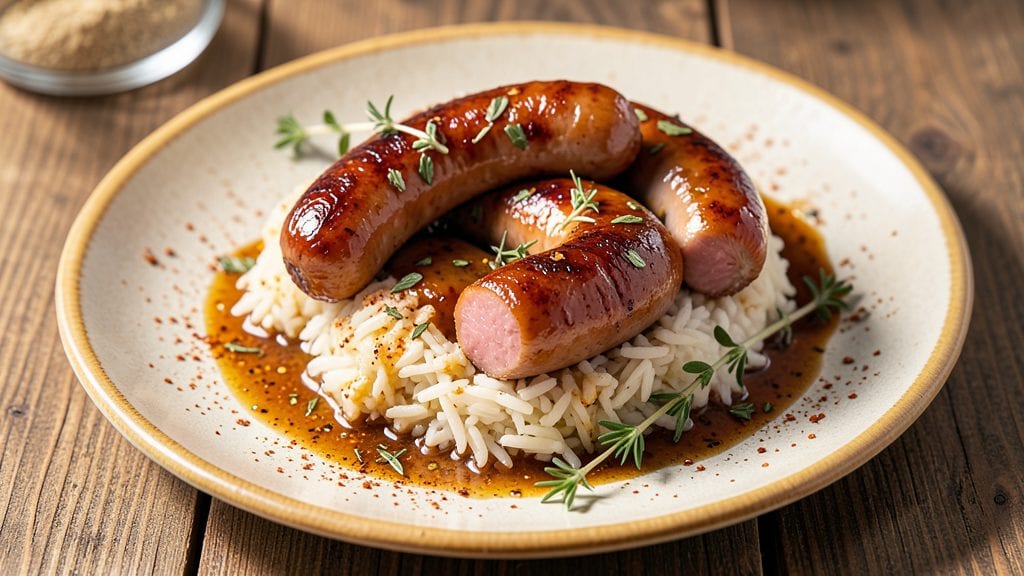
Gordon Ramsay’s sausage and rice recipe delivers a restaurant-quality one-pan masterpiece where crispy edges meet tender sausage and perfectly cooked rice. The secret lies in browning the sausage properly, then layering flavors through deglazing and slow simmering—techniques Ramsay himself would approve of.
This method transforms a simple weeknight meal into something impressive enough for dinner guests.
What sets this recipe apart is the balance of textures: golden, crispy sausage nestled alongside fluffy rice, all infused with smoky paprika and aromatic herbs. The one-pan approach keeps cleanup minimal while maximizing flavor development, and the dish comes together in under 45 minutes—ideal for busy weeknights.
Ramsay’s signature touches, like a splash of stock and a bay leaf, elevate the dish without complicating the process.
The result is a hearty, flavorful meal where every bite combines the richness of sausage with the earthiness of rice, all tied together by a savory, herb-infused sauce. The crispy edges on the sausage add texture, while the rice remains tender and perfectly seasoned.
This is comfort food at its finest, with professional-level results you can achieve at home.
Serve it with a sprinkle of fresh parsley or toasted breadcrumbs for added texture, and pair it with a simple green salad to round out the plate. The technique is straightforward but delivers restaurant-quality depth—exactly what Ramsay would expect. Let’s bring this dish to your kitchen.
Ingredients for gordon ramsay sausage and rice
Restaurant-quality sausage and rice requires just thirteen ingredients for a one-pan masterpiece.
| Ingredient | Amount | Notes |
|---|---|---|
| Italian Sausage Links 🥓 | 1 ½ lb | High-quality, fresh or high-moisture cured |
| Long-Grain White Rice 🍚 | 1 ½ cups | Uncooked, like basmati or jasmine |
| Chicken Stock 💧 | 2 cups | Homemade or high-quality low-sodium |
| Dry White Wine 🍷 | ½ cup | Sauvignon Blanc or Pinot Grigio |
| Smoked Paprika 🌶️ | 1 tbsp | High-quality, preferably Penzeys |
| Fresh Thyme Leaves 🌿 | ¼ cup | Finely chopped, not dried |
| Fresh Parsley Leaves 🌿 | ¼ cup | Chopped for garnish, not stems |
| Bay Leaves 🍃 | 2 whole | Fresh if possible, dried works |
| Garlic Cloves 🧄 | 4 cloves | Minced, not powdered |
| Extra-Virgin Olive Oil 🫒 | 2 tbsp | High-quality, fruity variety |
| Diamond Crystal Kosher Salt 🧂 | 1 ½ tsp | Fine grain, not iodized |
| Freshly Ground Black Pepper 🌶️ | ½ tsp | None of that pre-ground dust |
| Unsalted Butter 🧈 | 2 tbsp | Cold, for crispy edges |
The sausage selection is non-negotiable for that signature crispy edge Ramsay demands. Opt for high-moisture cured or fresh Italian links—avoid the pre-cooked kind at all costs. Whole Foods Market or local butchers carry superior quality, but Costco’s Kirkland brand delivers excellent results at a fraction of the price. For the rice, jasmine or basmati grains absorb liquid beautifully without turning mushy. The smoked paprika should be Penzeys brand if you want that authentic smoky depth, but McCormick’s works in a pinch. Fresh thyme and parsley elevate the dish—Trader Joe’s sells pre-chopped bundles that save time without sacrificing flavor.
No white wine? Substitute with extra chicken stock—just reduce the liquid by half a cup. Dried thyme works at one-third the amount of fresh, but the flavor won’t be as vibrant. Garlic powder won’t cut it here—minced fresh garlic is essential for that aromatic punch. The bay leaves can be skipped if unavailable, but they add subtle earthiness that balances the richness. For the olive oil, avoid the cheap stuff—California Olive Ranch or Bertolli deliver consistent quality. The kosher salt must be Diamond Crystal (not Morton’s)—it dissolves better and enhances flavor without overpowering. Pre-ground black pepper loses potency quickly; grind your own for the best results.
This dish reheats beautifully—cover with foil and warm in a 350°F oven for 10 minutes to restore crispiness. Store leftovers in an airtight container for up to 4 days in the fridge, or freeze for 3 months by portioning into single-serving containers. The sausage and rice flavors actually deepen overnight, making it perfect for meal prep. For extra crunch, toast breadcrumbs in a dry pan and sprinkle over the top before serving—Ramsay’s signature touch for added texture.
Why You'll Love This Recipe
- One-Pan Magic: I swear by this recipe when I’m too tired to scrub pots—just brown the sausages, toss in rice and stock, and let it simmer. The wine and paprika do all the heavy lifting while I sip my coffee.
- Rich, Smoky Depth: That first bite of sausage with the wine-braised rice? It’s like a hug in a bowl. The smoked paprika gives it a subtle heat, while the chicken stock keeps it tender—no bland rice here.
- Weeknight & Meal Prep: Make a big batch on Sunday, and you’ve got lunch for days. The flavors actually improve the next day—my kids beg for leftovers, and I secretly love it.
- Budget-Friendly Feast: Italian sausage and rice feed a crowd without breaking the bank. A few links and a bag of rice stretch to four servings, and the wine adds luxury for pennies. (Yes, even on a Tuesday night.)
Step-by-step instructions for sausage and rice with crispy edges
Master this one-pan technique for restaurant-quality results every time.
Sear the Sausage Links for Maximum Flavor
Heat a large, heavy-bottomed skillet over medium-high heat until hot. Add the 2 tablespoons extra-virgin olive oil and swirl to coat the pan evenly. Place the 1.5 lb Italian sausage links in a single layer, leaving space between each link for even browning.
Sear the sausages for 4-5 minutes per side until they develop a deep, golden-brown crust. This isn't just about color—it's about rendering the fat and building layers of flavor. You'll know they're ready when the casings are crisp and the meat releases easily from the pan. Remove the sausages and set them aside on a plate, leaving the rendered fat in the skillet.
Here's the thing—don't skip this step. The crispy exterior isn't just for presentation; it traps moisture inside the sausage while adding that essential caramelized depth that separates home cooking from professional results. If the pan isn't hot enough, the sausages will steam instead of sear, and you'll miss that crucial flavor development.
Sauté Aromatics and Develop the Flavor Base
Reduce the heat to medium and add the 4 cloves minced garlic to the same skillet with the rendered sausage fat. Cook for 30 seconds until the garlic becomes fragrant but doesn't brown—burnt garlic will overpower the dish. Add the 1 tablespoon smoked paprika and stir for 10 seconds to toast the spices, releasing their aromatic oils.
Next, add the 2 whole bay leaves, 0.25 cup fresh thyme leaves, and 0.25 cup fresh parsley leaves. Stir everything together for 20 seconds to combine the flavors with the sausage fat. This step builds the complex flavor foundation that will infuse the rice throughout cooking. The bay leaves add earthy depth, while the thyme and parsley bring bright, herbal notes that cut through the richness of the sausage.
Watch the pan carefully—you want the spices to dance and release their aromas without burning. If you notice any browned bits forming too quickly, reduce the heat slightly. This is where professional dishes separate from home attempts—controlling heat at this stage ensures balanced flavors without bitterness.
Toast the Rice for Perfect Texture
Add the 1.5 cups long-grain white rice to the skillet and stir vigorously for 1-2 minutes using a wooden spoon, breaking up any clumps. The goal is to coat each grain with the aromatic fat and spices, creating the foundation for perfectly separate, individual grains. This toasting step, called "blooming" the rice, develops a nutty flavor and prevents gummy texture.
Pour in the 0.5 cup dry white wine and stir immediately to deglaze the pan, scraping up all those flavorful browned bits from the bottom. Let the wine simmer for 1-2 minutes until it reduces by about half, intensifying its flavor. This reduction ensures the rice absorbs all the complex aromas we've built so far.
Now add the 2 cups chicken stock and bring to a gentle boil. Here's where precision matters: the rice should be submerged just enough to cook properly, but not so much that it steams instead of toasting. If you're using basmati or jasmine rice, you'll notice the grains begin to separate and become more translucent at the edges—that's your visual cue that the liquid is working its magic.
Layer and Simmer for Even Cooking
Return the seared sausage links to the skillet, arranging them in a single layer on top of the rice. The heat from the sausages will gently cook them further while infusing the rice with their juices. Add the 1.5 teaspoons diamond crystal kosher salt and 0.5 teaspoon freshly ground black pepper, then stir gently to distribute the seasoning evenly.
Place a tight-fitting lid on the skillet and reduce the heat to low. Simmer for 20 minutes without lifting the lid. This gentle cooking allows the rice to absorb the liquid gradually while the sausages finish cooking through. The steam created in the lid ensures even cooking and prevents the rice from drying out at the edges.
Here's the critical part: don't peek or stir during this time. Every time you lift the lid, you release steam and potentially dry out the rice. Your oven might run hot, so start checking at the 18-minute mark for doneness. The rice should be tender with just a slight bite in the center—it will continue cooking slightly after removal from heat.
Finish with Butter for Crispy Edges and Rich Flavor
Once the rice is tender, remove the skillet from heat and stir in the 2 tablespoons cold unsalted butter, cutting it into small pieces as you go. The butter should melt quickly, coating each grain and creating a glossy finish. This final step isn't just about flavor—it's about texture. The butter adds richness while helping to create those coveted crispy edges on the rice.
Let the dish rest, covered, for 5 minutes before serving. This resting period allows the flavors to meld and the rice to finish absorbing any remaining liquid. The sausages should reach an internal temperature of 160°F—they'll continue cooking slightly from residual heat. If you cut into a sausage and the meat is still pink in the center, return it to the skillet for 2-3 minutes to finish cooking.
Garnish with additional fresh parsley leaves before serving. The contrast between the crispy sausage edges, perfectly cooked rice, and fresh herbs creates a dish that's both visually striking and packed with flavor. Each bite should deliver the smoky depth of the sausage, the nutty complexity of the rice, and the bright herbal notes that cut through the richness.
Pro Tips For Making Gordon Ramsay Sausage And Rice
- Brown the Sausage First: Don’t skip this step—crank the heat to medium-high and sear the sausages until they’re deeply browned, not just pink. I used to rush this, and the dish lost that rich, caramelized depth that makes the whole thing sing. Take the extra 5 minutes; it’s worth it.
- Rinse the Rice Twice: Cold water rinse, twice—this removes excess starch and prevents gummy rice later. I learned this the hard way after serving a batch that stuck together like glue. Use a fine-mesh strainer and swirl the rice under running water until it runs clear.
- Deglaze with Wine Immediately: As soon as you remove the sausages, pour in that white wine and let it bubble for 30 seconds. Scrape up those browned bits—they’re packed with flavor. Skipping this means missing out on the base of your sauce, and you’ll taste the difference.
- Simmer Stock Low and Slow: After adding the chicken stock, reduce the heat to a bare simmer—just enough to see tiny bubbles at the edges. I used to keep it at a rolling boil, and the rice would turn out dry and pasty. Patience here guarantees fluffy, separate grains every time.
Regional styles of gordon ramsay sausage and rice
Southern U.S. Style
In the Southern U.S., this dish transforms into a heartier, more robust version with andouille sausage replacing Italian links. The key is adding 1 diced green bell pepper and 1 diced celery stalk with the garlic to create a classic "holy trinity" base.
I like using Cajun-style andouille for its spicy kick, and I increase the smoked paprika to 2 tablespoons for extra depth. Serve with hot sauce on the side—Crystal or Tabasco—and a sprinkle of crushed red pepper flakes for heat lovers. 🌶️
Italian-Inspired Version
For an Italian twist, swap the Italian sausage for mild Italian pork sausage and add 1 diced onion and 1 minced carrot when sautéing the aromatics. Stir in ½ cup crushed tomatoes after deglazing with wine to add acidity.
Finish with grated Parmesan cheese (about ¼ cup) and a few fresh basil leaves torn by hand. This version pairs beautifully with a Chianti wine and crusty garlic bread.
Spanish Chorizo Adaptation
Spanish cooks would elevate this dish by using Spanish chorizo instead of Italian sausage, adding 1 diced roasted red pepper and 1 teaspoon ground cumin to the spice mix. Deglaze with ½ cup dry sherry instead of wine for a unique flavor profile.
Garnish with sliced scallions and a drizzle of olive oil before serving. The chorizo's paprika-forward flavor makes this version smoky and complex—perfect for tapas-style dining. 🍷
Caribbean Jerk Twist
Bring Caribbean flair to this dish by using Jamaican jerk seasoning (about 2 tablespoons) instead of smoked paprika. Add 1 diced scotch bonnet pepper (seeds removed for less heat) and 1 tablespoon soy sauce when building the flavor base.
Serve with fresh lime wedges and toasted coconut flakes for a tropical touch. This version is bold, spicy, and pairs wonderfully with rum cocktails or pineapple salsa.
French Bouillabaisse Influence
For a French-inspired take, use French sausage (like andouille de Guienne) and add 1 diced fennel bulb and 1 sprig fresh tarragon when sautéing the aromatics.
Deglaze with ½ cup dry vermouth and finish with a pinch of saffron threads (soaked in 2 tablespoons warm water) for a luxurious touch. Serve with crusty baguette and a white wine reduction. The fennel and tarragon add an anise-like depth that’s distinctly French. 🥖
Nutrition facts
Frequently asked questions
Can I use pre-cooked sausage for this recipe?
Absolutely not! Pre-cooked sausages lack the crispy edges and deep flavor development from searing fresh links. For best results, always use fresh or high-moisture cured Italian sausage. If you're short on time, opt for smoked sausage (like kielbasa) and sear it for 3-4 minutes per side to create crispiness.
What type of rice works best for this dish?
Long-grain white rice like basmati or jasmine is ideal—it stays separate and absorbs flavors beautifully. For extra texture, try arborio rice (used in risotto), but reduce the liquid by ¼ cup since it absorbs more. Avoid short-grain rice (like sushi rice) as it becomes too sticky. Pro tip: Rinse the rice before cooking to remove excess starch.
How do I fix mushy rice in this recipe?
Mushy rice usually means too much liquid or insufficient toasting. First, ensure you're using 1.5 cups uncooked rice with 2 cups stock—never exceed this ratio. Next time, toast the rice in the sausage fat for 2 full minutes before adding liquid. If it's already mushy, spread the rice on a baking sheet, cover with foil, and bake at 350°F for 10 minutes to dry it out.
Can I make this dish ahead of time?
Yes! This recipe actually tastes better the next day. Store leftovers in an airtight container in the fridge for up to 4 days. Reheat covered in the oven at 350°F for 10 minutes—this restores crispiness. For freezing, portion into single servings and freeze for up to 3 months. Thaw overnight in the fridge before reheating.
What wine should I use if I don't have white wine?
No problem! Substitute with ½ cup chicken stock (reduce by ¼ cup total liquid elsewhere) or dry sparkling wine for brightness. For depth, use apple cider vinegar (2 tbsp) + ¼ cup water. Avoid red wine—it will overpower the dish. If using vinegar, add it after deglazing and simmer for 30 seconds to mellow the acidity.