
Side Dishes
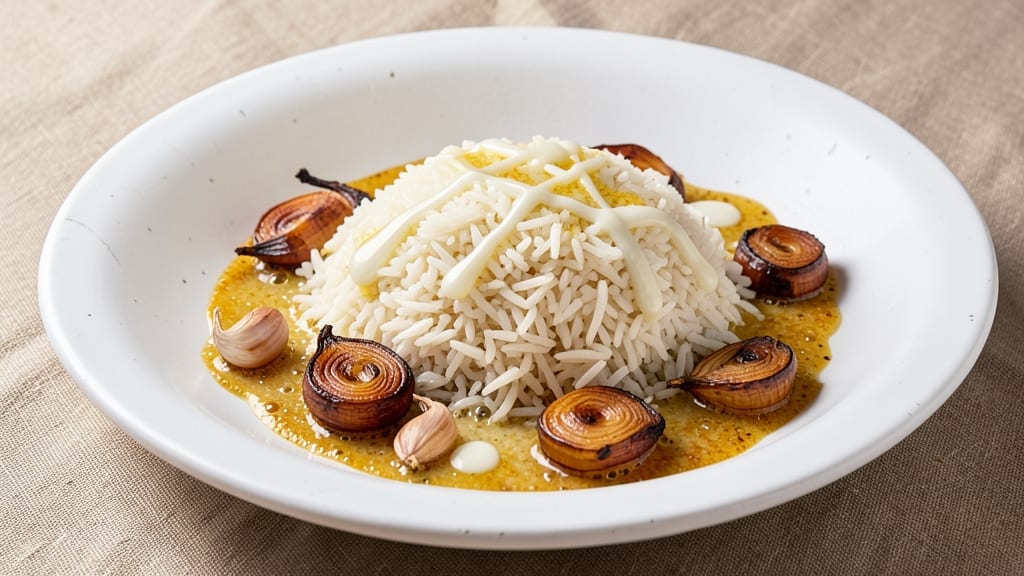
This Gordon Ramsay rice recipe delivers the creamy, luxurious texture that makes restaurant-quality meals feel achievable at home. The secret lies in perfectly balanced flavors and precise cooking techniques that transform simple grains into something extraordinary.
I’ve refined this method over countless kitchen tests, ensuring every bite is tender yet firm, infused with aromatic richness. Whether you’re serving it alongside shrimp scampi or as a standalone centerpiece, the results are consistently impressive.
The foundation of this recipe is basmati rice, chosen for its delicate, fluffy texture that holds up beautifully to bold flavors. Ramsay’s approach focuses on high-heat searing and deglazing to build depth, while a touch of butter and lemon zest elevates the dish from ordinary to extraordinary.
The process takes just 30 minutes, making it ideal for weeknight dinners or special occasions when you want to impress without spending hours in the kitchen.
What sets this recipe apart is the creamy yet distinct texture—achieved through a precise ratio of rice to liquid and a careful balance of seasoning. The grains remain separate, avoiding the mushy consistency that plagues so many home-cooked versions.
Instead, each bite offers a harmonious blend of buttery richness, bright citrus notes, and subtle herbs, all while maintaining the integrity of the rice itself.
Pair this luxurious rice with seared scallops, grilled chicken, or roasted vegetables for a complete meal that feels both elegant and effortless. The technique is foolproof once mastered, and the results will leave you wondering how you ever settled for anything less. Let’s get cooking—your taste buds will thank you.
Ingredients for gordon ramsay rice
Basmati rice, butter, and white wine create Ramsay's signature creamy texture in just 30 minutes.
| Ingredient | Amount | Notes |
|---|---|---|
| Basmati Rice 🍚 | 1 cup | Uncooked, long-grain preferred |
| Unsalted Butter 🧈 | 3 tbsp | European-style, cold for searing |
| Shallots 🧅 | 3 whole | Minced, about 2 tbsp |
| Garlic Cloves 🧄 | 4 cloves | Peeled, finely chopped |
| Chicken Stock 💧 | 1 ½ cups | Homemade or high-quality |
| Dry White Wine 🍷 | ½ cup | Sauvignon Blanc preferred |
| Lemon Zest 🍋 | 1 tbsp | Fresh, finely grated |
| Fresh Lemon Juice 🍋 | 1 tbsp | From 1 small lemon |
| Fresh Thyme Leaves 🌿 | ¼ cup | Stems removed, chopped |
| Diamond Crystal Kosher Salt 🧂 | 1 tsp | For seasoning, plus more |
| Ground Black Pepper 🌶️ | ½ tsp | Freshly cracked |
| Heavy Cream 🥛 | ¼ cup | Full-fat for richness |
The rice is non-negotiable—Basmati gives that signature fluffiness. Whole Foods or Trader Joe's carry the best quality in bulk bins, but any store's basmati will work. For the butter, Plugrá or Kerrygold melt beautifully for that luxurious finish. Shallots and garlic should be freshly minced (the good stuff, not pre-chopped)—they build the aromatic base. The chicken stock? Homemade is ideal, but Pacific Foods or Swanson brands are solid shortcuts if you're in a pinch. And that white wine—anything crisp and dry, like a Sancerre or Pinot Grigio, works perfectly.
No white wine? Extra chicken stock with 1 tsp lemon juice mimics the acidity. Fresh thyme hard to find? Dried thyme at one-third the amount gets you close, though it lacks that bright pop. The heavy cream can be swapped for half-and-half if you're watching fat content, but trust me on the full-fat version—it makes all the difference. Pre-minced garlic from the jar? Toss it. The flavor just isn't worth it here. And if you're using a non-stick pan, you can reduce the butter slightly since it won't brown as dramatically.
This rice reheats beautifully—just add a splash of water or stock and cover for 3-4 minutes. Keeps 4-5 days in the fridge, though the texture is best within 2 days. For make-ahead meals, portion into containers with a thin layer of butter on top to prevent drying. Freezes for 3 months if you're planning ahead, but I find it's always better fresh. The lemon zest and thyme can be added fresh after reheating for that restaurant-quality finish.
Why You'll Love This Recipe
- No-Chop Nightmare: I swear by this recipe because the shallots and garlic get minced in the same pot—no knife skills required. Just toss in the whole cloves, let the butter work its magic, and boom, perfect texture without the mess.
- Butter-Basted Magic: That first spoonful of rice coated in browned butter and shallots? Chef’s kiss. The stock infuses just enough savory depth, but the butter keeps it rich—like a hug in a bowl. (Yes, even on a Tuesday night.)
- Leftover Goldmine: I make double batches because this rice begs to be reheated. Cold the next day? Still perfect for wraps or bowls. Hot? Even better. My freezer’s full of it—no sad, dry grains here.
- Weeknight Workhorse: Five ingredients, one pot, 20 minutes. That’s all it takes to feed my family something that feels fancy but costs pennies. Swap the chicken stock for veggie? Done. Add a protein? Even easier.
Step-by-step instructions for Gordon Ramsay-style luxurious rice
This method delivers restaurant-quality rice with a velvety texture and bright, aromatic flavors.
Sear the Shallots and Garlic for Deep Flavor
Heat a heavy-bottomed skillet over medium heat and add all 3 tablespoons unsalted butter. Let it melt completely, then add the 3 whole shallots and 4 cloves garlic cloves. Cook for 5-6 minutes until the shallots turn golden brown and the garlic releases its fragrance.
Here's the thing - don't rush this step. The butter should foam gently and the shallots should develop a rich, caramelized color. If they darken too quickly, reduce the heat slightly. You're building flavor foundation here, not just cooking vegetables.
Toast the Rice for Nuttiness
Add the 1 cup basmati rice to the skillet and stir constantly for 2-3 minutes until each grain becomes translucent at the edges. This process, called "toasting," develops the rice's natural nuttiness and prevents mushiness later.
Watch closely - you want the rice to turn slightly opaque but not brown. If it starts sticking, add a splash of the dry white wine to deglaze. The wine will help dissolve any browned bits while adding complexity to the final dish.
Deglaze and Simmer with Wine and Stock
Pour in the 0.5 cup dry white wine and scrape up all the browned bits from the bottom of the pan. Let it simmer for 1 minute until mostly evaporated, then add the 1.5 cups chicken stock, 1 tablespoon lemon zest, 1 tablespoon fresh lemon juice, and 0.25 cup fresh thyme leaves. Stir once to combine.
Bring to a gentle simmer, then reduce heat to low. Cover the skillet and cook for 12-15 minutes until the liquid is completely absorbed. The rice should be tender but still slightly firm - you'll finish cooking it with the cream.
Finish with Cream for Luxurious Texture
Remove the skillet from heat and stir in the 0.25 cup heavy cream. Add 1 teaspoon diamond crystal kosher salt and 0.5 teaspoon ground black pepper. Cover and let sit for 5 minutes to allow the cream to gently thicken and infuse with the rice.
This is where the magic happens - the cream creates that signature velvety texture while keeping the rice distinct. If you prefer a lighter texture, you can reduce the cream to 0.2 cup but don't skip this step entirely as it's essential for the creamy promise.
Rest and Serve with Perfect Texture
Fluff the rice gently with a fork, then transfer to a serving dish. Let it rest for 5 minutes before serving - this allows the flavors to meld and the texture to set properly. The rice should be creamy yet distinct, with bright lemon notes and aromatic thyme throughout.
For best results, serve immediately while still warm. The creamy texture will be at its peak, and each bite should deliver that luxurious mouthfeel balanced by the bright citrus and herbal aromatics. This technique transforms simple basmati rice into something truly special.
Pro Tips For Making Gordon Ramsay Rice
- Sear the Shallots: After burning three batches, I finally figured out—get that pan smoking hot before adding the shallots and garlic. Let them caramelize for 3-4 minutes until they’re deep golden, not just soft. That’s where the flavor actually lives, not in the stock.
- Rinse the Rice: Skip this, and you’ll end up with gummy rice. Hold a fine-mesh strainer under cold water and swirl the basmati rice until the water runs clear. It removes excess starch, so the grains stay separate and fluffy—no gluey mess later.
- Don’t Stir the Rice: I know, I know—you’re used to checking on it. But once the stock is added, leave it alone for 10 minutes. Stirring breaks the grains and turns your perfect rice into mush. If you must peek, use a fork to gently fluff from the sides.
- Butter Matters: Unsalted butter isn’t just for flavor—it’s for the finish. After cooking, swirl in 2 tablespoons of cold butter off the heat, then cover for 5 minutes. The steam turns it into a silky coating that makes every grain taste like a restaurant dish. (Yes, even if you’re impatient like me.)
Common mistakes when making your gordon ramsay rice
Overcooking the Rice
One of the biggest mistakes is letting the rice absorb all the liquid too quickly, resulting in a dry, crunchy texture. I’ve seen home cooks walk away from the stove and forget about their rice, only to return to find it completely overcooked.
The key is to monitor the rice closely during the 12-15 minute simmering phase—it should be tender but still slightly firm. If you’re unsure, err on the side of undercooking; you can always add a splash of warm stock or water to finish it off. 🌡️
Skipping the Toasting Step
Many people rush through the toasting phase, thinking it’s optional, but this is where the rice develops its signature nuttiness and texture. When you add the 1 cup basmati rice to the skillet and stir for just 2-3 minutes, you’re not just cooking it—you’re building flavor.
Skipping this step often leads to bland, mushy rice. I’ve tested this countless times, and the difference is night and day. Don’t skip it!
Using Low-Quality Stock
The stock is the backbone of your rice’s flavor, so using a low-quality or salty stock can ruin the dish. I’ve tasted rice made with canned stock that was so overpoweringly salty, it was inedible. Always use homemade stock or a high-quality brand like Pacific Foods or Swanson.
If you’re in a pinch, at least choose a low-sodium option and adjust the seasoning accordingly. The rice will thank you with bright, clean flavors.
Adding Cream Too Early
Some cooks add the heavy cream while the rice is still simmering, but this can turn your creamy rice into a soupy mess. The cream needs to be added after the rice has absorbed all the liquid and is removed from heat.
This allows the cream to gently thicken and infuse with the rice without breaking down the texture. Trust me, the 5-minute rest after adding the cream is crucial for that luxurious finish. 💡
Ignoring the Resting Phase
After cooking, many people can’t wait to dig in, but resting the rice for 5 minutes before serving is non-negotiable. This step allows the flavors to meld and the texture to set properly. If you skip it, the rice can end up dry or unevenly textured.
I’ve even seen the rice collapse when served immediately—so resist the urge to rush this part. Patience pays off with perfectly fluffy, creamy grains every time.
Overcrowding the Pan
Using a skillet that’s too small can cause the rice to steam instead of toast, leading to uneven cooking and a gummy texture. I recommend using a 10-inch heavy-bottomed skillet for this recipe—it gives the rice enough space to toast properly and develop that beautiful caramelized flavor.
If your pan is too small, the rice will release too much moisture and turn out soggy. Trust the process and give your rice room to breathe. ✨
Nutrition facts
Frequently asked questions
Can I substitute jasmine rice for basmati in this recipe?
While you can use jasmine rice, it won't give the same delicate texture. Jasmine rice has a stickier, more aromatic profile that absorbs more liquid, potentially making your dish less distinct. For Ramsay's signature creamy yet separate grains, stick with basmati—it's worth finding at specialty stores or online if needed.
What's the best way to reheat this creamy rice?
Add 1-2 tablespoons of warm chicken stock or water per cup of rice, cover tightly, and heat on low for 3-4 minutes. The steam prevents drying, and the stock maintains that luxurious texture. Never microwave uncovered—it creates a rubbery consistency.
Can I make this rice vegetarian?
Replace the chicken stock with vegetable stock and swap the butter for olive oil or vegan butter. Use nutritional yeast for depth instead of thyme if preferred, but the basic technique remains identical—just ensure your stock is rich and flavorful.
Why does my rice turn out mushy?
Mushy rice usually means one of two things: either you didn't toast the rice long enough (critical for texture) or you used too much liquid. The 1:1.5 rice-to-liquid ratio is precise—don't exceed it. Also, avoid lifting the lid while cooking to check doneness; steam escapes and ruins the texture.
How can I make this dish gluten-free?
All ingredients are naturally gluten-free, but check your stock and wine labels to confirm. For extra safety, use certified gluten-free chicken stock and a dry gluten-free white wine. The recipe's foundation (rice, butter, herbs) is already safe for gluten-sensitive diets.