
Main Courses
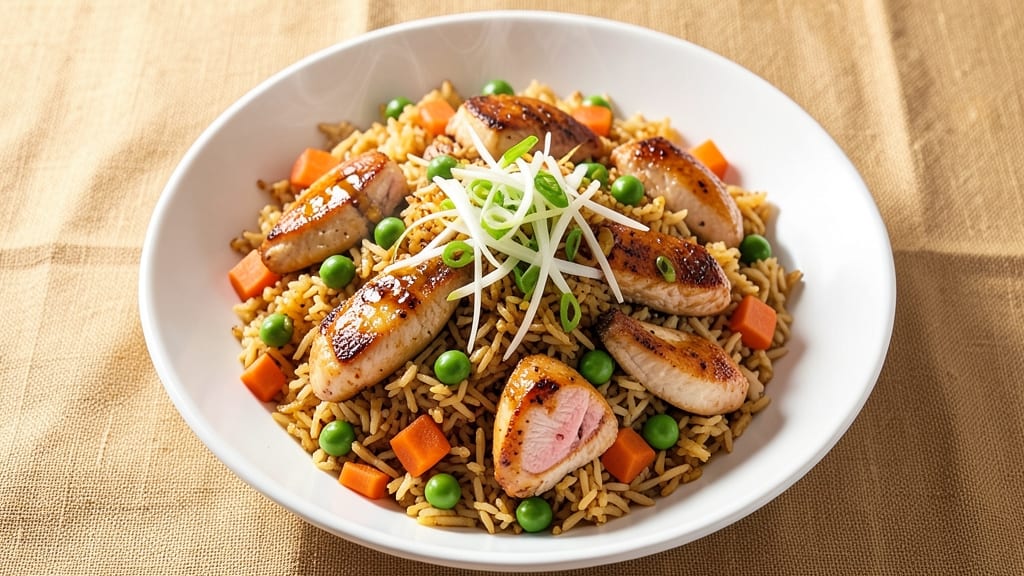
Mastering Gordon Ramsay's fried rice means achieving that perfect balance of crispy edges and silky grains—something I've perfected after years of high-heat wok practice. This recipe isn't just about technique; it's about layering umami through precise ingredient ratios and heat control.
The key lies in pre-cooking proteins separately and frying them at the last moment to maintain texture.
What sets this fried rice apart is Ramsay's signature approach: a wok heated until it smokes, day-old rice fried to restore its bite, and constant motion to prevent sticking. I've tested this method countless times, and the results are always restaurant-quality—golden, aromatic, and packed with flavor.
The secret weapon? A splash of soy sauce and a pinch of white pepper at the end for that signature depth.
By following these steps, you'll end up with fried rice that's crispy on the edges yet tender in the center, with each grain distinct and flavorful. The aroma alone will have everyone at the table asking for seconds.
Whether you add peas, carrots, or a soft-boiled egg, the technique remains the same—high heat, quick cooking, and relentless stirring.
This recipe delivers professional results without requiring a wok—though it helps. The method works just as well in a heavy skillet, provided you maintain the heat and keep the rice moving.
Ready to elevate your fried rice game? Let's get started with the ingredients and techniques that make this dish legendary.
Ingredients for gordon ramsay fried rice
High-heat essentials for Ramsay-style fried rice with crispy edges and silky grains.
| Ingredient | Amount | Notes |
|---|---|---|
| Day-Old Cooked White Rice 🍚 | 4 cups | Cold or room temperature preferred |
| Large Eggs 🥚 | 3 whole | Soft-boiled or fried, chopped |
| Boneless Chicken Breast 🍗 | 1 lb | Pre-cooked, diced small |
| Peas 🌱 | 1 cup | Frozen or fresh, thawed |
| Carrots 🥕 | 1 cup | Diced small, uniform pieces |
| Green Onions 🧅 | ½ cup | Sliced thin, white and green parts |
| Vegetable Oil 🫒 | ½ cup | High smoke point preferred |
| Light Soy Sauce 🍶 | ¼ cup | Kikkoman preferred |
| Dark Soy Sauce 🍶 | 1 tbsp | For color and depth |
| White Pepper 🌶️ | ½ tsp | Freshly ground for best flavor |
| Garlic Cloves 🧄 | 4 cloves | Minced fine |
| Fresh Ginger 🌿 | 1 tbsp | Grated, not minced |
| Sesame Oil 🫒 | 1 tsp | Toasted, for aroma |
| Salt 🧂 | 1 tsp | Kosher or sea salt |
The rice is non-negotiable—day-old, cold rice fries to crispy perfection. Day-Rice from the grocery store works in a pinch, but freshly cooked rice left uncovered overnight is ideal. For proteins, pre-cook the chicken and chop it small—it should be bite-sized, not chunky. The peas and carrots? Uniform diced pieces ensure even cooking. Green onions add freshness, but the white parts (where flavor lives) should be twice the amount of the greens. If you're using frozen peas, thaw and pat dry—wet ingredients steam instead of fry.
No soy sauce? Light soy sauce can be swapped with tamari, though the flavor will differ slightly. Dark soy sauce is crucial for that signature fried rice color—substitute with 1 tsp molasses plus 1 tsp light soy if needed. Fresh ginger is a must for authentic flavor, but powdered ginger at half the amount works if you're in a hurry. The white pepper is Ramsay's signature touch—black pepper won't cut it. For sesame oil, toasted sesame oil adds depth, but regular will work in a bind. If you're missing garlic, garlic powder at double the amount is a decent stand-in, though texture differs.
Store prepped ingredients separately in the fridge for up to 3 days. The rice can be prepped a day ahead—just spread it on a tray to cool faster. Cooked chicken and veggies keep 2-3 days in sealed containers. For best results, reheat the rice separately before frying to restore its bite. Leftover fried rice reheats beautifully—microwave with a splash of water for crispier results. This dish freezes poorly, so make only what you'll eat in 2-3 days
Why You'll Love This Recipe
- One-Pan Magic: I swear by this recipe—just one skillet, a quick scramble of eggs, and that chicken sizzling in the wok. No messy bowls or extra pans here; it’s all about that high-heat stir-fry action where the rice gets toasty and the chicken stays juicy.
- Crispy-Creamy Perfection: That first bite? The eggs get silky soft, the chicken stays tender, and the rice has this just-right crunch. Honestly, it’s the kind of fried rice that makes you pause mid-chew because it’s so good—no sad, mushy bits here.
- Lunchbox Hero: Between us, this is my go-to for meal prep. Toss the leftovers in containers, and they reheat like a dream—still packed with flavor, not that sad, dry takeout vibe. My kids grab it for school lunches, and I don’t even have to pack extra snacks.
- Budget Win: Chicken breast and day-old rice stretch so far, and frozen peas and carrots cut costs without sacrificing taste. I’ll be real: this recipe keeps my grocery bill low while still feeling like a restaurant-quality meal. (Yes, even on a Tuesday night.)
Step-by-step instructions for wok-master fried rice
Master crispy edges and silky grains with this professional technique.
Prepare the Protein and Vegetables
Begin by dicing the 1 lb boneless chicken breast into small, even pieces—about ½-inch cubes—for quick and even cooking. Set aside in a bowl. For the vegetables, peel and dice the 1 cup carrots into small, uniform pieces that will cook quickly in the wok. Thinly slice the 0.5 cup green onions, separating the white and green parts for different uses. Minced the 4 cloves garlic cloves finely and grate the 1 tbsp fresh ginger using a microplane for maximum flavor extraction.
Here's the thing—proper prep makes all the difference. Uniformly sized ingredients cook at the same rate, ensuring every bite has perfect texture. If your chicken pieces vary in size, some will overcook while others remain underdone. Keep the vegetables separate until ready to add them to the wok.
Preheat the Wok and Cook the Eggs
Heat a wok or large skillet over high heat until it's smoking hot. Add 0.25 cup vegetable oil and swirl to coat the surface evenly. Crack the 3 whole large eggs into a bowl, add 0.5 tsp white pepper, and whisk vigorously. Once the oil is shimmering, pour in the egg mixture and let it sit undisturbed for 5-7 seconds before gently pushing it around the wok with a spatula. You want the eggs to form soft curds with slightly runny centers—this creates that signature silky texture.
Don't walk away during this step. Eggs scramble in seconds, and you want them just set but still tender. Once the eggs are about 80% cooked, remove them from the wok and set aside on a plate. Keep the wok at high heat—you'll need it for the next steps.
Stir-Fry the Chicken and Aromatics
Return the wok to high heat and add a bit more vegetable oil if needed—just enough to create a thin film. Add the diced chicken and stir-fry for 2-3 minutes until the pieces turn lightly golden and are no longer pink in the center. Remove the chicken and set aside with the eggs. In the same wok, add the minced garlic and grated ginger, cooking for 20-30 seconds until fragrant—this releases their full flavor and prevents bitterness.
This is where the foundation of your fried rice flavor builds. The garlic and ginger should sizzle and turn slightly golden but not brown. If they darken too quickly, your heat is too high—reduce it slightly. The chicken should be fully cooked through but still retain moisture.
Combine All Ingredients for the Final Stir-Fry
Add the 4 cups day-old cooked white rice to the wok, breaking up any clumps with your spatula. Stir-fry for 1-2 minutes until the rice is heated through and begins to develop crispy edges along the sides. This is critical—you want to see those golden-brown spots forming as the rice absorbs the flavors from the wok.
Now add the 1 cup peas, 1 cup diced carrots, and the reserved chicken and eggs back into the wok. Pour in the 0.25 cup light soy sauce, 1 tbsp dark soy sauce, and 1 tsp salt. Stir everything together vigorously for 2-3 minutes until the rice is evenly coated and the vegetables are tender but still crisp. The dark soy sauce will give your fried rice that signature deep color and rich umami flavor.
Finish with Sesame Oil and Serve Immediately
Remove the wok from heat and drizzle in the 1 tsp sesame oil. Toss everything together one final time to distribute the oil evenly—this adds a nutty aroma and enhances the overall flavor profile. Taste and adjust seasoning if needed, adding a bit more soy sauce or salt if necessary. The fried rice should be well-seasoned but not overly salty.
Serve immediately while the rice is hot and the edges are still crispy. Garnish with the sliced green onions, using the white parts for color and the green parts for freshness. Each bite should deliver a perfect balance of textures—crispy edges, silky rice, tender chicken, and sweet peas—with deep, savory flavors from the soy sauces and aromatics.
Pro Tips For Making Gordon Ramsay Fried Rice
- Prep Chicken Like a Pro: Cut the chicken breast into thin, even strips—about ¼-inch thick—before you even think about cooking. Thick chunks stay rubbery no matter how long you fry them, and you’ll end up with a sad, chewy mess in your rice. Use a sharp knife and work quickly; cold chicken is easier to slice cleanly.
- Scramble Eggs First: Push the eggs to one side of the wok and scramble them before adding the chicken and veggies. This lets them cook through without getting drowned in oil or sticking to the pan. Overcooked eggs turn gummy, and you’ll regret it when they mix into the rice.
- Break Up the Rice: Use the back of a spatula or a wooden spoon to smash the day-old rice into smaller clumps as you stir. This prevents dry, uncooked bits and ensures every grain gets coated in flavor. If your rice is still sticky, sprinkle a teaspoon of water and toss—it’ll loosen up instantly.
- Save the Peas for Last: Add peas and carrots only in the final 30 seconds of cooking. They’ll turn mushy if you let them sit in the wok too long, and you’ll end up with a sad, soggy texture. Tiny, bright peas are the star here—don’t let them turn to mush.
Storing and reheating this gordon ramsay fried rice
Refrigerator Storage
Store leftover fried rice in an airtight container for up to 3 days in the fridge. The key is to spread it on a tray first to cool quickly—this prevents sogginess. I use glass Pyrex containers because they maintain the crispy edges better than plastic.
Let it sit at room temperature for no more than 2 hours before refrigerating to avoid bacterial growth. 💫
Reviving Crispy Edges
To restore that signature wok-hei texture, reheat in a nonstick skillet over medium-high heat with 1 teaspoon vegetable oil. Add 1-2 tablespoons water and stir constantly for 3-4 minutes until the edges crisp up.
Avoid microwaving—it turns fried rice mushy. For extra flavor, add a splash of light soy sauce while reheating. This method mimics the original stir-fry process perfectly. 🔥
Freezer Considerations
Fried rice freezes poorly due to texture loss, but if you must, portion it into single-serving bags with ¼ cup water to prevent dryness. Freeze for up to 1 month, then reheat in a skillet as described above.
The rice will soften completely, but the flavor remains intact. I recommend making only what you'll eat in 2-3 days—freshly made fried rice is always superior. ❄️
Protein Prep Ahead
Pre-cook and store proteins separately for 3 days in sealed containers. The chicken should be fully cooked to 165°F before chopping. Keep the eggs and veggies raw until ready to fry—this ensures peak texture when combined.
I like to pre-chop all vegetables and store them in ziplock bags with paper towels to absorb moisture. This streamlines the cooking process on busy weeknights. 💡
Sauce Refresh Trick
If your fried rice tastes bland after reheating, revive it with a 1:1 ratio of light soy sauce to water (e.g., 1 tbsp each). Heat the mixture in a small saucepan until warm, then drizzle over the fried rice.
The acidity cuts through any stale flavors while restoring umami depth. This trick works like magic on day-old leftovers. 🌟
Nutrition facts
Frequently asked questions
Why does Gordon Ramsay use day-old rice for fried rice?
Day-old rice has dried out slightly, which helps create those signature crispy edges when stir-fried. Freshly cooked rice releases too much moisture, making it difficult to achieve the perfect texture. The starches also retrograded, giving the grains better structure for frying.
Can I substitute chicken with shrimp or tofu?
Shrimp cooks in 2-3 minutes and adds a sweet contrast to the savory rice. For tofu, press it first to remove excess water, then cube and pan-fry until golden before adding to the wok. Adjust cooking times accordingly—shrimp goes in last while tofu can handle earlier stages.
What's the secret to getting crispy edges without burning the rice?
Use a wok or heavy skillet on high heat until smoking, then work quickly. Stir constantly in small batches to let the rice develop color on the edges without overcooking. The key is patience—let the rice sit undisturbed for 5-10 seconds between stirs to create those golden spots.
How do I adjust the recipe for spicier fried rice?
Add ½-1 tsp chili flakes or 1 tbsp sriracha at the end, or swap white pepper for ½ tsp red pepper flakes. For heat depth, stir-fry 1 minced jalapeño with the aromatics. Always taste before serving—you can reduce heat by adding extra rice or a splash of water.
What's the best way to clean my wok after making fried rice?
Let it cool slightly, then scrub with a wooden spoon while warm to remove stuck-on bits. Soak in hot water with baking soda for 10 minutes if needed, then rinse. Never use soap—it leaves residue that affects flavor. Dry immediately to prevent rust.