
Main Courses
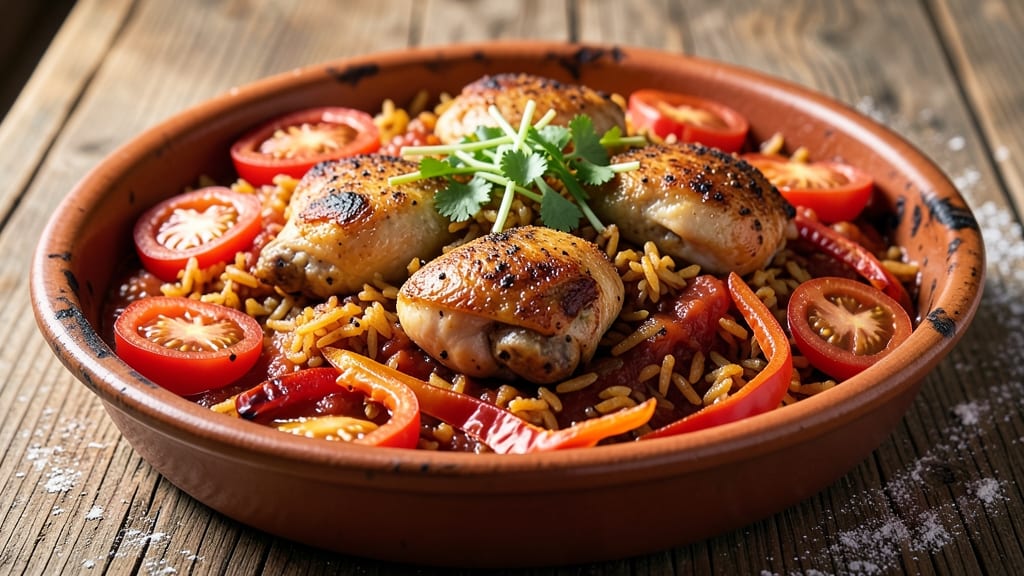
This Ghanaian jollof rice recipe delivers the bold tomato-pepper punch and smoky cumin depth that makes it West Africa's most beloved one-pot dish.
The secret lies in building layers of flavor through slow-cooked tomato paste and carefully balanced spices, resulting in perfectly tender rice with a vibrant red sauce that clings to every grain. I developed this version after years of testing—it achieves that signature Ghanaian texture without requiring hours in the kitchen.
The foundation starts with parboiling the rice before simmering it in the rich tomato-pepper sauce, which creates the signature firm yet flavorful bite. Traditional techniques like toasting whole spices and blending fresh tomatoes ensure maximum flavor extraction, while modern shortcuts (like pre-cut tomatoes) keep the process manageable.
The result is a dish where each component—protein, vegetables, and rice—works in perfect harmony.
What you'll end up with is restaurant-quality jollof rice with tender chicken or beef swimming in a deeply aromatic sauce, where every spoonful delivers smoky cumin, sweet tomatoes, and just the right amount of heat.
The rice maintains its distinct texture while absorbing all the complex flavors, creating a dish that's as satisfying as it is visually striking. This is the kind of meal that transforms weeknight dinners into special occasions.
Serve it with fried plantains, coleslaw, or grilled meats for a complete West African feast. The recipe scales beautifully for gatherings, and leftovers actually taste better the next day as the flavors meld further. Let's get cooking—this jollof rice is worth every minute of preparation.
Ingredients for ghanaian jollof rice
Sixteen ingredients crafting West Africa's most celebrated one-pot dish with restaurant-quality depth.
| Ingredient | Amount | Notes |
|---|---|---|
| Long-Grain Parboiled Rice 🍚 | 2 cups | Uncooked, rinsed thoroughly |
| Chicken Thighs (Bone-In, Skin-On) 🍗 | 2 lb | Cut into 2-inch pieces |
| Tomato Paste 🍅 | ½ cup | High-quality, unsweetened |
| Fresh Tomatoes (Roma) 🍅 | 4 whole | Blended into sauce |
| Red Bell Peppers 🌶️ | 2 whole | Seeds removed, chopped |
| Scotch Bonnet Peppers 🌶️ | 2 whole | Seeds removed, chopped |
| Yellow Onions 🧅 | 2 whole | Chopped finely |
| Garlic Cloves 🧄 | 8 cloves | Minced finely |
| Ground Cumin 🌿 | 1 ½ tbsp | Toasted for depth |
| Ground Ginger 🌿 | 1 tbsp | Freshly ground preferred |
| Dried Thyme 🌿 | 1 tbsp | Or 1 tbsp fresh thyme |
| Bay Leaves 🍃 | 2 whole | Dried, standard size |
| Diamond Crystal Kosher Salt 🧂 | 1 ½ tsp | Fine grain preferred |
| Black Peppercorns 🌶️ | 1 tsp | Freshly cracked |
| Vegetable Oil 🫒 | ½ cup | High smoke point |
| Chicken Stock 💧 | 2 cups | Homemade or quality store-bought |
| Fresh Cilantro 🌿 | ¼ cup | Chopped, for garnish |
The foundation begins with long-grain parboiled rice—critical for achieving the signature firm yet flavorful bite. Jollof rice requires this specific rice type to maintain its distinct texture while absorbing the rich tomato-pepper sauce. For the chicken, bone-in, skin-on thighs deliver unmatched tenderness and flavor, though breast meat works in a pinch. The tomato paste should be high-quality—Mutti or Cirio brands are ideal for their concentrated sweetness. Fresh tomatoes and bell peppers add vibrant acidity and color, while Scotch bonnet peppers provide the signature heat without overpowering. West African markets or specialty grocers often carry these peppers fresh or frozen, ensuring maximum potency.
No Scotch bonnet peppers? Habanero or Thai bird's eye peppers work at half the quantity, though the flavor profile shifts slightly. Substituting dried thyme for fresh requires one-third the amount—dried thyme is more concentrated. For the cumin and ginger, toasting whole spices in a dry pan for 30 seconds before grinding enhances their aromatic compounds dramatically. The chicken stock can be swapped for vegetable stock in vegetarian versions, though the depth of flavor diminishes. Pre-cut tomatoes save time but lack the freshness of blended Roma tomatoes—blending fresh tomatoes yields superior sauce quality. The vegetable oil should have a high smoke point to prevent burning during the initial searing of aromatics.
This dish develops deeper flavor overnight, so leftovers are encouraged. Store in an airtight container in the refrigerator for up to 5 days, though the sauce may thicken further. For longer storage, freeze portions for up to 3 months—thaw gradually in the refrigerator before reheating. The sauce can be made ahead and reheated separately, then combined with freshly cooked rice for a quicker assembly. Garnish with fresh cilantro just before serving to preserve its vibrant color and aroma. For gatherings, double the recipe—the flavors intensify with more time to meld, making it ideal for potlucks or family feasts.
Why You'll Love This Recipe
- I’ll be real: Most rice dishes turn sad after day two. Not this one. The jollof’s bold flavors only get better—reheat it with a splash of water, and it’s like eating a fresh batch. Plus, chicken thighs stretch your budget without sacrificing taste. Win-win.
- One-Pot Magic: Honestly, this dish is a lifesaver—just brown the chicken thighs, toss in the tomato paste and bell peppers, then let it simmer while you prep the rice. No extra pots, no stress, and the flavors meld together like they’ve been friends forever.
- Smoky-Sweet Bomb: That deep red sauce? It’s where the magic happens—tomato paste caramelizing with fresh tomatoes and bell peppers until it’s rich, slightly sweet, and packed with umami. The chicken gets crispy skin and tender meat, and the rice soaks up every last bit like a sponge.
- Party in a Box: Between us, this is my go-to for gatherings because it’s actually easy to scale up. Double the recipe for a crowd, and it still tastes like you slaved over it. (Spoiler: No one will care if you used frozen peas as a side.)
Step-by-step instructions for Ghanaian jollof rice
Here's the method that delivers authentic Ghanaian Jollof with deep tomato-pepper complexity and smoky cumin notes.
Prepare the Chicken and Base Ingredients
Cut the 2 lb chicken thighs into 2-inch pieces and set aside. In a large Dutch oven, heat the 0.5 cup vegetable oil over medium heat. Add the 2 whole yellow onions, chopped finely, and cook until they soften and begin to caramelize, about 8-10 minutes. This foundational step develops sweetness that balances the heat.
Add the 8 cloves garlic, minced finely, and cook for 30 seconds until fragrant. Immediately stir in the 1.5 tbsp ground cumin, 1 tbsp ground ginger, 1 tbsp dried thyme, and 2 whole bay leaves. Toast the spices for 30 seconds until aromatic—this unlocks their full depth of flavor. The spices should sizzle gently without burning, releasing their essential oils into the oil.
Build the Tomato-Pepper Sauce
Add the 2 whole red bell peppers and 2 whole Scotch bonnet peppers, seeds removed and chopped, to the Dutch oven. Cook for 5 minutes until the peppers begin to soften. Stir in the 0.5 cup tomato paste and cook for 2 minutes, stirring constantly to prevent burning.
Pour in 1 cup of water and scrape up any browned bits from the bottom of the pot. Add the 4 whole fresh tomatoes (Roma), blended into sauce, and simmer for 10 minutes until the mixture thickens slightly. The sauce should reduce by about one-third, developing a rich, concentrated tomato flavor with visible pepper streaks. Season with 1 tsp black peppercorns, freshly cracked, and 1 tsp diamond crystal kosher salt.
Cook the Chicken and Rice
Add the chicken pieces to the Dutch oven and cook for 8-10 minutes, stirring occasionally, until the chicken is no longer pink in the center. Remove the chicken and set aside. Increase the heat to medium-high and add the 2 cups long-grain parboiled rice, rinsed thoroughly. Stir to coat the rice evenly with the sauce.
Pour in the 2 cups chicken stock and bring to a gentle boil. Reduce heat to low, cover tightly with a lid, and simmer for 20 minutes without stirring. This resting period allows the rice to absorb the liquid evenly and develop its characteristic texture. The rice should be tender but still slightly firm in the center when tested with a fork.
Finish and Garnish
After 20 minutes, fluff the rice gently with a fork and check for doneness. If the rice is still firm, cover and cook for an additional 5 minutes. The rice should be tender with a slight bite, and the sauce should be absorbed but still cling to the grains.
Remove from heat and let the rice sit covered for 5 minutes. Garnish with the 0.25 cup fresh cilantro, chopped, and serve immediately with the reserved chicken. The final dish should have a vibrant red hue, a balance of smoky, spicy, and sweet flavors, and perfectly tender rice grains.
Pro Tips For Making Ghanaian Jollof Rice
- Brown the Chicken Properly: Don’t just sear—get those thighs deep golden, even if it takes 10 minutes per side. I used to rush this, and the stock ended up bland; crispy skin means richer flavor in the jollof. Use a heavy pot and resist the urge to move them around too much.
- Blend Tomatoes and Peppers Rough: Pulse your fresh tomatoes and bell peppers in the food processor until they’re chunky, not smooth. I learned this the hard way—smooth sauces make the rice mushy. Leave some texture so the dish stays vibrant and the rice holds its shape.
- Simmer Rice in Stock, Not Water: After frying the tomato paste, add the chicken stock (or water + bouillon) and let it reduce by half before adding rice. This concentrates the flavor—watered-down stock is the fastest way to dull your jollof. Taste it; it should be rich, not thin.
- Cover Tight, Then Steam Low: Once the rice is added, slam the lid on and turn the heat to the lowest setting. I used to babysit the pot, and now I just walk away. The rice cooks through steam, not direct heat, and this guarantees even cooking without burning the bottom.
Troubleshooting perfect results
Mushy Rice Fix
If your rice turns out mushy, it’s likely from overcooking or insufficient rice-to-liquid ratio. Always use 2 cups liquid per 1 cup rice—in this recipe, the 2 cups stock plus the sauce provide the perfect balance.
I’ve found that parboiled rice handles the sauce better than basmati or jasmine, so stick to that. Also, avoid lifting the lid during cooking—steam is crucial for even cooking.
If it’s still too soft, try spreading the rice on a tray and drying it in a 200°F oven for 10 minutes to crisp it up. 🌡️
Sauce Too Thin?
A watery sauce usually means you didn’t reduce the tomato mixture enough. Always simmer the sauce for at least 10 minutes before adding rice—this concentrates the flavors. If it’s still too thin, remove the lid and cook uncovered for 5-7 minutes to evaporate excess liquid.
For next time, reduce the stock to 1.5 cups instead of 2. Pro tip: Use Mutti tomato paste—it’s thicker and reduces better than generic brands. 🍲
Burnt Tomato Paste
Tomato paste burns easily, so never leave it unattended. Stir constantly for the full 2 minutes after adding it to the pot. If it starts to darken too quickly, immediately add 1-2 tbsp water to cool it down.
For extra insurance, sauté the paste with 1 tsp oil first to create a protective barrier. I’ve ruined a few batches this way—trust me, it’s worth the extra attention! 🔥
Chicken Not Tender
Undercooked chicken is usually from insufficient time or heat. Make sure your chicken reaches 165°F internal temperature—use a meat thermometer! If it’s still tough, try braising the chicken separately in the sauce for 15 minutes before adding rice.
Bone-in, skin-on thighs are ideal, but if using breasts, pound them to ½-inch thickness for even cooking. For extra tenderness, add 1 tsp honey to the sauce—it helps break down collagen. 🍗
Dull Flavor Profile
Flat flavors often come from skipping the spice toasting step or using low-quality ingredients. Always toast your spices (cumin, ginger, thyme) for 30 seconds to unlock their oils. Fresh tomatoes and Scotch bonnet peppers are non-negotiable—frozen or canned versions lack brightness.
For depth, add 1 tsp smoked paprika or a pinch of nutmeg to the sauce. Let the dish rest 10 minutes before serving—flavors meld during this time. ✨
Uneven Color
Patchy red sauce usually means the tomato paste wasn’t distributed evenly. Stir vigorously when adding the paste, and let it cook until it darkens slightly before adding other ingredients.
For a more vibrant color, add ½ tsp turmeric (common in West African cooking) or a splash of red wine vinegar at the end. If the sauce looks pale, simmer uncovered for 5 minutes to concentrate the color. 🌈
Nutrition facts
Frequently asked questions
What makes Ghanaian jollof rice different from Nigerian or Senegalese versions?
Ghanaian jollof stands out for its bold tomato-pepper base and smoky cumin depth, often using more bell peppers and a slightly sweeter tomato profile. Unlike Nigerian versions that may include palm oil or Senegalese recipes with extra peanuts, Ghanaian jollof relies on fresh tomatoes, Scotch bonnet peppers, and a longer simmer time for concentrated flavor. The rice itself is typically parboiled for that signature firm texture.
Can I make this recipe vegetarian?
Replace the chicken with chickpeas or mushrooms for protein. Use vegetable stock instead of chicken stock, and add 1 cup diced sweet potatoes or 1 zucchini to the sauce for heartiness. The tomato-pepper base will still shine, though the dish will have a slightly lighter texture. For extra richness, stir in 2 tbsp coconut milk at the end.
Why does my jollof rice turn out dry or crunchy?
Dry rice usually means the sauce wasn't reduced enough or the rice-to-liquid ratio was off. This recipe uses 2 cups stock per 2 cups rice—the sauce provides additional moisture. If it's still dry, try adding ¼ cup hot water and simmering covered for 5 minutes. For extra insurance, don't rinse the rice after parboiling (just rinse before cooking). The sauce should cling to the grains, not pool at the bottom.
How do I adjust the heat level?
Scotch bonnet peppers provide the signature heat—remove seeds for mild heat, keep some for medium, or use all seeds for spicy. For no heat, substitute with 1 red bell pepper. If you love heat, add ½ extra Scotch bonnet or a pinch of cayenne. Always taste the sauce before adding rice to adjust. For kids or sensitive eaters, serve the rice plain and let them add sauce separately.
Can I make this in an Instant Pot?
Yes! Sauté onions, garlic, and spices as directed, then add all remaining ingredients (including rice) and cook on high pressure for 8 minutes. Let pressure release naturally for 10 minutes, then fluff with a fork. The sauce may be slightly thinner—reduce it uncovered on the stove for 5 minutes if needed. The Instant Pot version cooks 40% faster but requires close attention to avoid burning the tomato paste.