
Main Courses
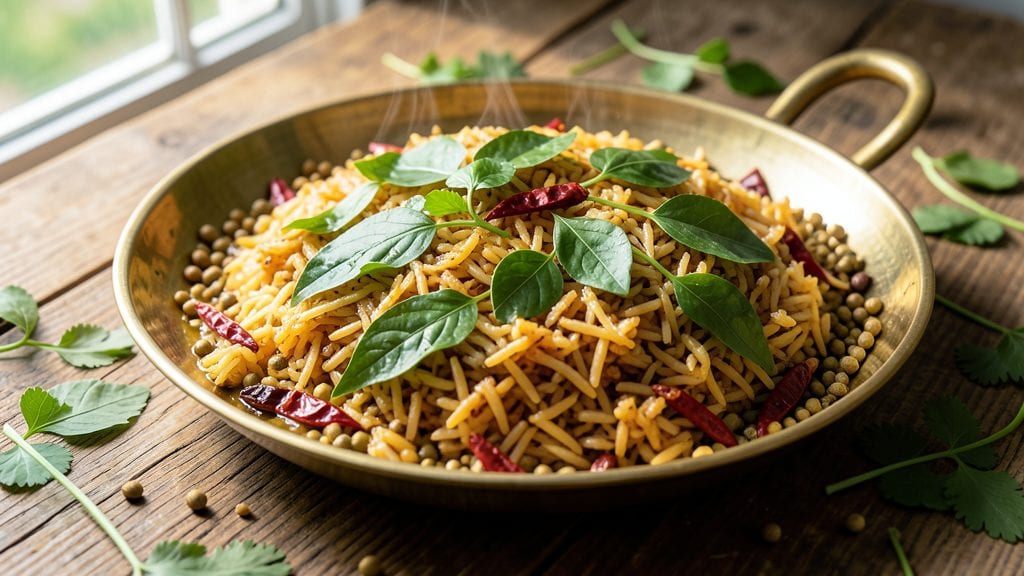
This one-pot fenugreek rice brings the aromatic essence of South India to your kitchen with minimal effort and maximum flavor. The earthy aroma of bloomed fenugreek leaves mingles with warm spices, creating a dish that's both comforting and sophisticated—perfect for a vegetarian meal that feels like a restaurant experience.
I've perfected this recipe over years of testing, ensuring the rice stays fragrant and the spices balance just right.
The beauty of this dish lies in its simplicity: just one pot, a few key ingredients, and traditional techniques that transform ordinary rice into something extraordinary. Fresh fenugreek leaves are tempered with ghee and spices, releasing their signature aroma that infuses every grain.
The result is a fragrant, slightly nutty rice dish with just the right balance of sweet, sour, and spicy notes.
What you'll end up with is a one-pot South Indian delight that's hearty enough to be a main course but light enough to satisfy any meal. The fenugreek leaves add a unique earthiness that pairs beautifully with the spices, while the rice absorbs all the flavors without becoming mushy.
This recipe delivers restaurant-quality results with minimal cleanup—just one pot to wash.
Serve it with a cooling yogurt raita or crisp cucumber salad to balance the richness, or enjoy it on its own as a complete, satisfying meal. Here's how to make this fragrant, spiced rice dish that's as beautiful as it is delicious.
Ingredients for fenugreek rice
Just 14 ingredients transform simple rice into a fragrant South Indian masterpiece.
| Ingredient | Amount | Notes |
|---|---|---|
| Basmati Rice 🍚 | 1 ½ cups | Uncooked, long-grain preferred |
| Fresh Fenugreek Leaves 🌿 | 1 cup | Tender leaves, stems removed |
| Ghee 🧈 | ½ cup | Clarified butter, unsalted |
| Mustard Seeds 🌿 | 1 tbsp | Whole, light brown preferred |
| Cumin Seeds 🌿 | 1 tbsp | Whole, toasted for aroma |
| Dried Red Chilies 🌶️ | 4 whole | Kashmiri or small red chilies |
| Curry Leaves 🌿 | ¼ cup | Fresh, dried if unavailable |
| Turmeric Powder 🌶️ | ½ tsp | Freshly ground preferred |
| Asafoetida 🌿 | ¼ tsp | Pinch for aroma, optional |
| Salt 🧂 | 1 tsp | Diamond Crystal kosher salt |
| Yogurt 🥛 | ¼ cup | Plain, unsweetened, full-fat |
| Lemon Juice 🍋 | 1 tbsp | Freshly squeezed, seeded |
| Fresh Coriander Leaves 🌿 | ¼ cup | Chopped, for garnish |
| Water 💧 | 3 cups | Filtered or spring water |
Fenugreek leaves are the soul of this dish—farmers markets or Indian grocery stores carry the freshest. Look for vibrant green leaves with no yellowing. The ghee should be pure, unsalted, and stored in a cool, dark place. For curry leaves, Whole Foods or Indian specialty shops often have them fresh—dried works in a pinch but lacks that signature aroma. Mustard seeds and cumin should be toasted in a dry pan for 30 seconds before adding to release their oils, which deepens the flavor profile.
No fresh fenugreek? Dried methi leaves work at one-fourth the amount, but soak them in warm water for 10 minutes first. Short on curry leaves? Bay leaves or fresh thyme add a similar earthy note. The yogurt can be Greek or regular, but full-fat ensures creaminess. Substitute lemon juice with white vinegar or apple cider vinegar if needed, though fresh lemon brightens the dish. For heat, adjust dried red chilies—Kashmiri adds color without excessive spice, while bird's eye chilies deliver serious heat.
This dish tastes even better the next day as flavors meld. Store in an airtight container in the fridge for 4-5 days, or freeze portions for up to 3 months. Reheat gently with a splash of water to restore moisture. The rice keeps its texture best if not reheated more than once. Garnish with fresh coriander just before serving—it wilts fast, so add it last. Leftovers make perfect lunches or pair beautifully with a simple cucumber raita.
Why You'll Love This Recipe
- One-Pot Magic: I swear by this—just rice, leaves, and spices in one pot. No separate pans, no washing extra bowls. The fenugreek leaves wilt right into the rice, and the ghee gives it that golden, fragrant finish with almost no effort.
- Earthy Comfort in Bites: That first mouthful of nutty fenugreek with the toasty cumin and mustard? It’s like a warm hug for your taste buds. The rice soaks up all the flavors without being overpowering—just rich, herbal, and satisfying.
- Meal Prep MVP: Make a big batch on Sunday, and you’ve got lunch sorted for days. It reheats beautifully, keeps well in the fridge, and even freezes like a dream. (Yes, even my picky husband grabs seconds from the fridge.)
- Budget-Friendly Luxury: Fresh fenugreek leaves might sound fancy, but they’re dirt cheap at local markets. A little ghee and whole spices stretch this dish far—plus, it feels gourmet without breaking the bank. My wallet and taste buds both win.
Step-by-step instructions for fenugreek rice
This earthy-spiced rice comes together beautifully in one pot with minimal fuss.
Toast the Spices to Release Their Aromas
Heat the 0.5 cup ghee in a heavy-bottomed pot over medium heat. Add the 1 tablespoon mustard seeds and 1 tablespoon cumin seeds, stirring constantly until they begin to pop and sizzle—this should take about 30 seconds. The mustard seeds will turn golden and release their signature crackling sound.
Next, add the 4 whole dried red chilies and 0.25 cup curry leaves, stirring for another 30 seconds until the chilies darken slightly and the curry leaves become fragrant. This step is crucial for building the complex flavor foundation. The ghee should shimmer but not smoke—if it starts to smoke, reduce the heat slightly to prevent burning the spices.
Add Turmeric and Asafoetida for Depth
Lower the heat to medium-low and sprinkle in the 0.5 teaspoon turmeric powder and 0.25 teaspoon asafoetida. Stir vigorously for 10-15 seconds until the turmeric dissolves completely and the asafoetida releases its pungent aroma. The asafoetida should disappear into the ghee, leaving no visible residue.
Here's the thing—asafoetida can be potent, so start with just a pinch. If you're unsure about the flavor, you can omit it entirely, but it adds that unmistakable umami depth that makes this dish special. The mixture should now smell rich and earthy, with notes of toasted spices and a hint of lemony brightness from the asafoetida.
Cook the Fenugreek Leaves Until Tender
Add the 1 cup fresh fenugreek leaves to the pot, stirring gently to wilt them. Cover the pot and cook for 3-4 minutes on medium heat, stirring occasionally, until the leaves turn bright green and become tender. The leaves should soften but not turn mushy—this ensures they retain their vibrant color and earthy flavor.
While the fenugreek cooks, keep an eye on the pot. If the ghee starts to splatter, reduce the heat slightly. The fenugreek leaves will release their bitterness as they cook, so don't let them overcook or they'll turn slimy. You'll know they're ready when they're easily crushed between your fingers and release a fresh, slightly bitter aroma.
Add Rice and Water for Perfect Texture
Stir in the 1.5 cups basmati rice, coating each grain evenly with the spiced ghee. Pour in the 3 cups water and add the 1 teaspoon salt, stirring once to distribute everything evenly. Bring the mixture to a gentle boil, then reduce the heat to low, cover the pot tightly with a lid, and let it simmer undisturbed for 15 minutes.
This is where patience pays off. The rice needs time to absorb the water and develop its signature texture—fluffy yet slightly sticky, with each grain distinct. Avoid peeking or stirring, as this disrupts the cooking process and can lead to unevenly cooked rice. After 15 minutes, check the rice—it should still have a slight bite but be mostly tender.
Finish with Yogurt and Lemon for Tangy Balance
Once the rice is tender, stir in the 0.25 cup yogurt and 1 tablespoon lemon juice, mixing gently to combine. The yogurt will add a creamy texture and cool the earthy heat of the fenugreek, while the lemon juice brightens the dish with a citrusy tang. Let the rice sit, covered, for another 5 minutes to allow the flavors to meld.
Finally, garnish with the 0.25 cup fresh coriander leaves, chopped finely. The coriander adds a fresh, herbal note that cuts through the richness of the ghee and spices. Serve immediately while the rice is still warm, with a side of raita or a simple cucumber salad to complement the earthy flavors.
Pro Tips For Making Fenugreek Rice
- Bloom the Spices Slow: Let your mustard and cumin seeds dance in the ghee for at least 30 seconds before adding anything else—this cracks them properly and builds that deep, nutty aroma. I used to rush this, and the flavor always felt flat. Trust me, don’t skip the sizzle.
- Wash Fenugreek Like Greens: Treat fresh fenugreek leaves like spinach—give them a quick rinse, then rough-dry them between paper towels. Wet leaves steam in the pan and turn your rice into a sad, waterlogged mess. A 10-second shake in a colander works wonders.
- Ghee Over Water First: Heat the ghee until it shimmers but doesn’t smoke, then add the rice. If you dump in cold rice, the ghee will seize up and burn before coating the grains properly. This isn’t a race—let that fat get hot enough to cling.
- Check Rice at 12 Minutes: Basmati’s done faster than you think. Peek at 12 minutes—if water’s absorbed but grains still have a slight bite, turn off the heat and let it steam covered for 5 more. Overcooking turns fluffy rice into glue. (Yes, even if the recipe says 15.)
Pro cooking tips for great fenugreek rice
Blooming Fenugreek
Fresh fenugreek leaves need proper blooming to release their full aroma and reduce bitterness. Heat the ghee until it shimmers but doesn't smoke, then add the leaves all at once. Stir gently for 3-4 minutes on medium heat until they turn bright green and wilt completely.
The key is patience—overcooking turns them mushy and bitter. I like to crush a few leaves between my fingers to check doneness; they should feel tender but still hold their shape. 🌿
Spice Toasting
Toast your mustard seeds and cumin until they pop audibly—this releases their essential oils and builds flavor depth. Use a heavy-bottomed pot to prevent burning, and stir constantly over medium heat for 30 seconds. The seeds should turn golden and smell intensely aromatic.
Add dried chilies and curry leaves immediately after—their flavors meld best when introduced together. Pro tip: If your kitchen is quiet, you might miss the pop, so watch the seeds closely. 🔥
Ghee Temperature
Ghee has a higher smoke point than butter, but it still needs careful temperature control. Keep it between 275-300°F while toasting spices—this prevents burning while allowing proper flavor development. If the ghee starts to smoke excessively, reduce heat immediately.
I use a thermometer for precision, but visual cues work too: shimmering ghee is ideal, while dark brown means it's overheating. 🌡️
Rice Cooking
After adding rice and water, maintain a gentle simmer at low heat—never a rolling boil. Cover tightly with a lid and avoid peeking for at least 15 minutes, as steam is crucial for even cooking. The rice should absorb all the water and develop a slight stickiness.
If it's undercooked, add 2 tablespoons hot water and cook another 5 minutes. Overcooked rice becomes mushy, so check at 15 minutes and adjust timing based on your stove's heat. ⏰
Yogurt Integration
Stir in yogurt and lemon juice gently to avoid breaking the rice grains. The yogurt adds creaminess while cooling the earthy fenugreek, and the lemon brightens the dish. Let the rice sit covered for 5 minutes after adding these ingredients to allow flavors to meld.
For extra richness, I sometimes add 1 tablespoon cream at this stage—it elevates the dish to restaurant-quality texture. 🥛
Garnish Timing
Add fresh coriander leaves just before serving—they wilt quickly from the heat. Chop them finely for even distribution and a pop of color. For extra flair, sprinkle with toasted cumin seeds or a pinch of Kashmiri chili powder for a vibrant finish.
The garnish should complement, not overpower, the dish's earthy flavors. I always garnish right at the table for maximum freshness. ✨
Nutrition facts
Frequently asked questions
Can I substitute dried fenugreek leaves for fresh?
Yes, but use only ¼ cup dried methi leaves (about ¼ the amount of fresh). Soak them in ½ cup warm water for 10 minutes first to soften and reduce bitterness. Drain before adding to the ghee. The texture will be slightly different but still flavorful.
Why does my fenugreek rice taste bitter?
Overcooked fenugreek leaves or burnt spices cause bitterness. Bloom leaves for exactly 3-4 minutes on medium heat—they should be tender but not mushy. For spices, keep ghee shimmering (not smoking) while toasting. If too bitter, balance with extra lemon juice or a pinch of sugar.
Can I make this recipe without ghee?
Use ½ cup coconut oil or olive oil for a vegan version. The flavor will be slightly lighter, but the dish remains delicious. For extra richness, add 1 tablespoon vegan butter during the spice toasting step. The oil should still shimmer but not smoke.
How do I make this dish extra flavorful?
Bloom the fenugreek leaves longer (5 minutes) for deeper aroma, or add ½ teaspoon garam masala at the end. For umami, stir in 1 tablespoon tomato paste with the yogurt. Fresh herbs like cilantro or mint in the garnish also elevate the dish. The key is layering flavors—don't rush the spice toasting!
Can I prep fenugreek rice ahead of time?
Yes! Cook the rice fully, then cool and refrigerate in an airtight container for 4-5 days. Reheat gently with 2 tablespoons water over low heat, covered, for 5 minutes. For freezing, portion into containers and freeze for up to 3 months. Thaw overnight in the fridge before reheating. Garnish fresh herbs only after reheating.