
Side Dishes
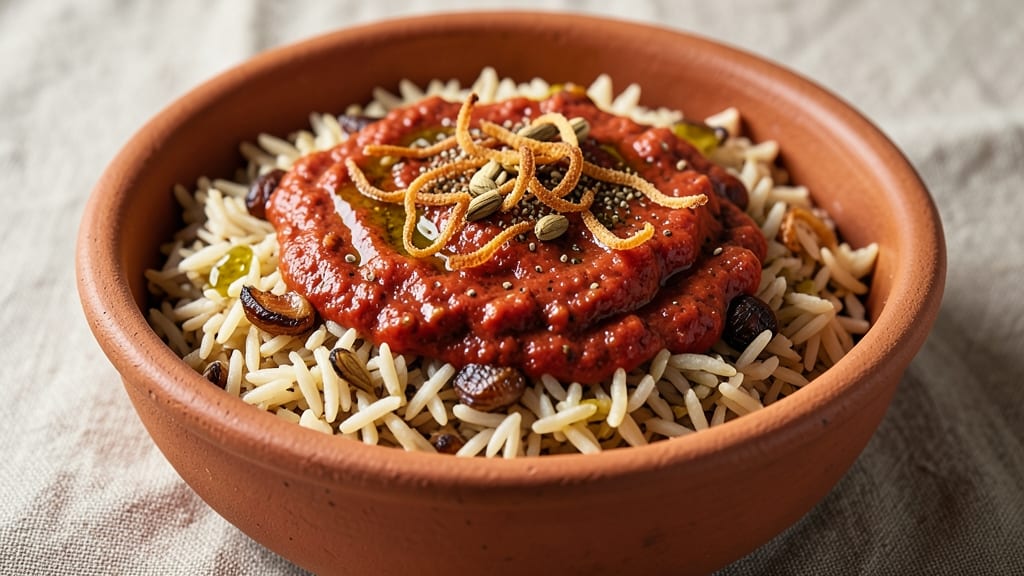
This Ethiopian spiced rice recipe transforms simple grains into a fragrant, berbere-kissed centerpiece that pairs perfectly with stews or stands alone as a complete meal.
Growing up in a Boston kitchen, I never imagined spices like berbere would become my go-to for weeknight dinners, but once you taste the caramelized onions and toasted spices layered into each grain, you'll understand why this dish deserves a permanent spot in your rotation.
The secret lies in the slow cooking process, where basmati rice absorbs the deep, earthy flavors of berbere spice blend while developing a satisfying texture—neither mushy nor dry.
Unlike many spiced rice dishes, this recipe builds flavor gradually, allowing the spices to bloom and create that signature Ethiopian aroma that fills your kitchen and makes everyone at the table pause to inhale. I've tested it with both vegetarian and meat-based variations, and the results are equally impressive.
What you'll end up with is a golden-brown, aromatic rice dish where each bite delivers a perfect balance of heat, sweetness, and smoky depth from the caramelized onions. The berbere spice blend—made with chili, fenugreek, and cardamom—adds layers of complexity that transform ordinary rice into something extraordinary.
This isn't just a side dish; it's a flavor-packed main that pairs beautifully with injera or crusty bread.
Whether you're serving it alongside a hearty stew or as the star of a vegetarian spread, this recipe delivers restaurant-quality results with minimal effort. The best part? It reheats beautifully, making it perfect for meal prep. Let's get cooking—your taste buds (and dinner guests) will thank you.
Ingredients for ethiopian rice
Transform simple grains into aromatic, berbere-kissed Ethiopian rice with these vibrant ingredients.
| Ingredient | Amount | Notes |
|---|---|---|
| Basmati Rice 🌾 | 1 ½ cups | Long-grain, uncooked preferred |
| Yellow Onions 🧅 | 2 whole | Thinly sliced, yellow or red |
| Extra-Virgin Olive Oil 🫒 | ½ cup | High-quality, fruity variety |
| Berbere Spice Blend 🌶️ | 2 tbsp | Homemade or store-bought |
| Cardamom Pods 🌿 | 6 whole | Lightly crushed for aroma |
| Ground Cumin 🌿 | 1 tsp | Toasted for depth of flavor |
| Ground Coriander 🌿 | 1 tsp | Freshly ground preferred |
| Ground Fenugreek 🌿 | ½ tsp | Earthy, slightly bitter |
| Garlic Cloves 🧄 | 4 cloves | Minced, fresh preferred |
| Vegetable Broth 💧 | 2 cups | Low-sodium preferred |
| Fresh Ginger 🌿 | 1 tbsp | Grated, fresh preferred |
| Salt 🧂 | 1 ½ tsp | Diamond Crystal kosher |
| Red Bell Pepper 🌶️ | 1 whole | Diced, for color and crunch |
| Fresh Parsley 🌿 | ¼ cup | Chopped, for garnish |
Berbere is the star here—Penzeys or Ethiopian specialty stores carry the best blends, but you can make your own with chili, fenugreek, and cardamom. The yellow onions should be sweet and firm; red onions work too for a milder bite. Fresh ginger and garlic are non-negotiable—they carry the dish's signature depth. I always grab organic ginger from Whole Foods when I can, but the regular grocery store stuff works fine if it's plump and fragrant. For the rice, Basmati is ideal—its long grains stay distinct and fluffy.
No berbere? Mix 1 tbsp smoked paprika, 1 tsp each cumin and coriander, plus ½ tsp each fenugreek and cayenne for a close approximation. Substitute red bell pepper for color if you're missing it, but don't skip the parsley—it brightens the dish. The vegetable broth should be low-sodium; Imagine or Pacific Foods brands are my go-tos. For extra richness, add 1 tbsp tomato paste to the caramelized onions. And if you're feeling fancy, toasted cumin seeds sprinkled on top add a delightful crunch.
This rice reheats beautifully—best the next day when flavors meld. Store in an airtight container for 4-5 days in the fridge or freeze for 3 months. I always make a double batch because it disappears fast. For meal prep, portion into containers with a sprinkle of parsley on top—it looks stunning and keeps the herbs fresh. The berbere spice blend? Keep it in a dark, cool place for up to 6 months—it only gets better with age.
Why You'll Love This Recipe
- One-Pot Magic: I swear by this—just a deep pot, some rice, onions sizzling in olive oil, and boom. No separate pans, no sticky rice mess. The berbere and cardamom infuse the oil first, so every grain gets that warm, spicy kiss without extra effort.
- Spice Without Stress: Honestly, the berbere does most of the work. You don’t need to balance flavors like curry or chili—just toast the spices in oil, add onions, then rice. The cardamom adds this subtle floral note that makes it taste way more special than plain rice. It’s bold but not overwhelming.
- Leftovers That Shine: This rice actually improves the next day. The flavors meld, and it’s perfect for quick lunches or packed meals. I make a big batch Sunday, and by Wednesday, it’s still the star of my plate—no sad, dry rice here.
- Budget-Friendly Feast: Basmati rice and onions are cheap staples, and a little berbere goes a long way. You’re not buying exotic ingredients; just a few pantry basics that deliver restaurant-quality flavor. Plus, it stretches easily for four servings or more.
Step-by-step instructions for Ethiopian spiced rice
This aromatic Ethiopian rice transforms simple grains into a fragrant, spice-infused masterpiece—perfect for serving with injera or grilled meats.
Toast the Spices and Sauté the Onions
Heat the 0.5 cup extra-virgin olive oil in a heavy-bottomed pot over medium-low heat. Add the 6 lightly crushed cardamom pods, 1 tsp ground cumin, 1 tsp ground coriander, and 0.5 tsp ground fenugreek. Toast for 1-2 minutes until fragrant—you'll smell the warm, earthy notes of fenugreek and the bright citrus of cardamom. This step unlocks the spices' full potential.
Add the 2 whole thinly sliced yellow onions and cook for 8-10 minutes until deeply golden and caramelized. Stir occasionally to prevent burning. The onions should develop a rich, sweet depth—this is the flavor foundation for your rice. If they darken too quickly, reduce the heat slightly. Here's where the magic begins: those caramelized onions will infuse the rice with complex sweetness that balances the berbere's heat.
Bloom the Berbere and Add Aromatics
Increase heat to medium and add the 2 tbsp berbere spice blend, stirring constantly for 30 seconds to bloom the spices. You'll see the mixture darken slightly—this releases the berbere's fiery depth. Immediately add the 4 minced garlic cloves and 1 tbsp grated fresh ginger, cooking for 1 minute until fragrant. The kitchen should now smell like a bustling Ethiopian restaurant—smoky, citrusy, and slightly spicy.
Here's the thing—don't rush this step. The berbere needs time to meld with the onions and aromatics. If you smell burning, reduce the heat immediately. The spices should be fragrant but not bitter. This is the moment that matters: proper spice blooming ensures your rice will be complex, not just hot.
Toast the Rice and Add Broth
Add the 1.5 cups basmati rice, stirring to coat every grain in the spiced oil mixture. Toast for 2-3 minutes until the rice becomes translucent at the edges—this builds flavor and prevents mushy grains. You'll notice the rice starts to sizzle gently; this is normal and indicates the starch is activating.
Pour in the 2 cups vegetable broth and add 1.5 tsp salt. Bring to a gentle boil, then immediately reduce heat to low. Cover with a tight-fitting lid and simmer for 15 minutes without peeking. The rice will absorb the broth gradually, developing a tender yet firm texture. This is where patience pays off—resist the urge to check early, or you'll disrupt the cooking process.
Finish with Red Bell Pepper and Rest
After 15 minutes, stir in the 1 whole diced red bell pepper and 0.25 cup chopped fresh parsley. The bell pepper adds vibrant color and a subtle sweetness that brightens the dish, while the parsley introduces freshness. Simmer uncovered for 5 more minutes until the liquid is fully absorbed and the rice is tender but still slightly firm to the bite—a proper Ethiopian rice should have a slight resistance.
Remove from heat and let the rice rest, covered, for 10 minutes. This resting period allows the flavors to meld completely and the grains to plump evenly. The rice should be fragrant with layers of spice, caramelized onion sweetness, and a hint of smoky heat. If any liquid remains, fluff gently with a fork—this ensures each grain is distinct and coated in flavor.
Pro Tips For Making Ethiopian Rice
- Toast the Berbere: Heat your olive oil until it shimmers, then add the berbere and cook for 30 seconds before adding onions. I learned this the hard way—skipping this step makes the spice taste bitter and raw. The extra minute upfront saves your dish from a flat, one-note flavor.
- Slice Onions Thin: Cut your yellow onions paper-thin—almost like chiffonade. They’ll caramelize faster and sweeten the dish without turning mushy. I was skeptical until I tried it; now I double-check the knife every time.
- Rinse Rice Twice: Give that basmati a quick rinse in cold water, then drain. Repeat once. This removes excess starch so your rice stays separate and fluffy, not glued together like a sad, dense brick. (Yes, even if you’re impatient like me.)
- Cover Tight: Press plastic wrap directly onto the pot’s surface after adding liquid—no gaps. The steam locks in, and you’ll end up with perfectly cooked rice every time. I used to skip this, and the rice always turned out uneven. Now it’s foolproof.
Troubleshooting your ethiopian rice
Spice Bloom Failures
If your berbere spice blend tastes bitter or harsh, you likely rushed the blooming step. Always toast spices over medium-low heat for 30-60 seconds before adding aromatics. I once burned a batch by cranking the heat too high—now I use a thermometer to keep temps below 275°F.
For extra insurance, bloom berbere in a dry pan first before adding onions. 🔥
Mushy Rice Texture
Overcooking is the #1 culprit for mushy rice. Once broth is added, simmer at low heat and never peek under the lid. The rice needs 15 minutes undisturbed to absorb liquid properly.
I’ve learned the hard way—after checking too soon, my rice turned into glue. If it’s still firm after 15 minutes, add 1 tbsp broth and cook 5 more minutes.
Onions Burning Too Fast
If your onions darken too quickly, reduce heat to low and cover the pot partially with a lid. The goal is golden caramelization, not charring. I’ve fixed this by adding 1 tbsp water to deglaze and cook uncovered until dry.
For extra safety, slice onions thinly and evenly—this ensures consistent cooking. 🧅
Uneven Flavor Distribution
If your rice tastes bland in some spots and spicy in others, you likely didn’t toast the rice properly. After adding berbere and onions, stir the rice constantly for 2-3 minutes until every grain is coated.
I like to use a wooden spoon to ensure even distribution. For extra insurance, sprinkle ½ tsp berbere on top before covering with broth.
Broth Absorption Issues
If liquid remains after cooking, your broth ratio might be off. For 1.5 cups rice, use 2 cups broth—never more. If you’re at high altitude, add ¼ cup extra broth.
I’ve fixed this by testing with a fork: if it comes out dry, add 1 tbsp broth and cook 2 more minutes. For extra insurance, use low-sodium broth to avoid over-salting.
Resting Time Skipped
Skipping the 10-minute rest after cooking can lead to dry, uneven grains. This step lets steam redistribute flavors and moisture. I’ve learned to set a timer and resist the urge to fluff early.
If you must serve immediately, tent loosely with foil for 5 minutes while you finish other dishes. The rice will still be delicious but slightly less cohesive. 💡
Nutrition facts
Frequently asked questions
What makes this Ethiopian rice different from regular basmati?
This recipe transforms basmati rice into a flavor-packed dish using berbere spice blend, caramelized onions, and aromatic spices like cardamom and fenugreek. The slow-cooking process infuses each grain with deep, earthy flavors—unlike plain basmati, which stays neutral. The berbere alone gives it that signature Ethiopian heat and complexity that sets it apart.
Can I make this recipe without berbere?
Yes! For a close substitute, mix 1 tbsp smoked paprika, 1 tsp each cumin and coriander, plus ½ tsp each fenugreek and cayenne. While not identical, this blend captures the smoky, spicy essence. For extra depth, add ½ tsp ground ginger and ¼ tsp allspice. The dish will still be flavorful but with a slightly different profile.
How should I serve this Ethiopian rice?
This rice pairs beautifully with Ethiopian stews like doro wat or misir wat, grilled meats, or even as a standalone vegetarian meal. Serve it with injera (Ethiopian sourdough flatbread) for authenticity, or use crusty bread if injera isn't available. The caramelized onions and spices make it hearty enough to enjoy on its own.
Can I make this recipe in a rice cooker?
Follow the same steps for toasting spices and onions, then transfer everything to your rice cooker. Add the broth and salt, and cook on the white rice setting for 20 minutes. After cooking, let it rest for 10 minutes before fluffing. The rice may need slightly more broth—start with 2.25 cups instead of 2 cups.
Why does my Ethiopian rice turn out mushy?
Mushy rice usually means overcooking or insufficient heat control. After adding broth, simmer at low heat and never peek under the lid for the first 15 minutes. If it's still firm after cooking, add 1 tbsp broth and cook 5 more minutes. For extra insurance, use a heavy-bottomed pot to distribute heat evenly.