
Main Courses
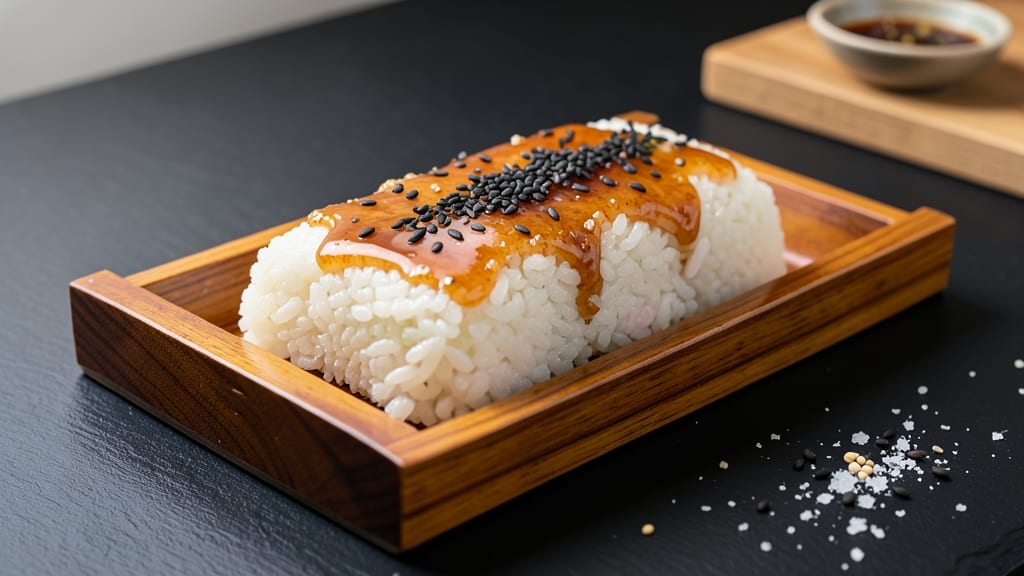
Chef Morimoto's sushi rice recipe delivers the ideal balance of fluffy texture and delicate vinegar brightness that defines authentic Japanese cuisine. The secret lies in precise ratios—short-grain rice, seasoned with rice vinegar, sugar, and salt—cooked to achieve that signature sticky yet light consistency. This is the foundation every professional sushi chef relies on, now simplified for home kitchens.
What sets this recipe apart is the technique: rinsing the rice thoroughly to remove excess starch, using the right water-to-rice ratio, and steaming to perfection. The vinegar seasoning transforms ordinary rice into the aromatic base of sushi rolls, nigiri, or bento boxes.
With just 30 minutes of active time and 20 minutes of resting, you'll have restaurant-quality sushi rice ready for any dish.
Ingredients for chef morimoto sushi rice
Precision-measured ingredients transform ordinary rice into Chef Morimoto's signature sushi foundation.
| Ingredient | Amount | Notes |
|---|---|---|
| Japanese Short-Grain Rice 🍚 | 2 cups | Uncooked, preferably Koshihikari variety |
| White Rice Vinegar 🍶 | ½ cup | High-quality, mild flavor preferred |
| Granulated Sugar 🍚 | ¼ cup | Fine grain for even dissolution |
| Kosher Salt 🧂 | ½ tsp | Diamond Crystal preferred for precise measurement |
| Water 💧 | 2 ½ cups | Filtered or distilled for best results |
| Sesame Seeds 🌰 | 1 tbsp | Toasted, for garnish (optional) |
| Nori Strips 🍣 | 4 pieces | For traditional presentation (optional) |
| Fresh Wasabi 🌿 | 1 tsp | Grated, for serving (optional) |
The rice variety is non-negotiable—Japanese short-grain (like Koshihikari) contains the right starch composition for that signature sticky yet fluffy texture. Rice specialty stores or Asian markets carry the best quality; avoid generic 'sushi rice' blends from regular supermarkets, which often contain fillers. The vinegar should be white rice vinegar, not apple cider or balsamic—its mild acidity is essential. For sugar, fine granulated dissolves more evenly than raw or powdered. Measure everything precisely: this isn't a recipe where you eyeball ratios.
No rice vinegar? Substitute white wine vinegar at half the amount, though flavor will differ slightly. Running out of sesame seeds? Toasted poppy seeds provide a similar visual contrast. The optional nori strips can be replaced with dried seaweed flakes if you're feeling adventurous. For the salt, Diamond Crystal kosher measures differently than Morton's—use a scale if you're particular. The water should be at room temperature; cold water creates uneven cooking. If you're making a large batch, double the ingredients but use a larger pot with a tight-fitting lid to maintain steam.
Rice keeps best in an airtight container in the fridge for 3-4 days, though texture degrades after day two. For longer storage, portion into one-cup servings and freeze for up to 3 months24 hours ahead—it actually improves in flavor. When reheating, use a steam basket over simmering water for 5 minutes to restore moisture. Never microwave—it creates a gummy texture. For sushi rolls, use rice within 6 hours of cooking for optimal stickiness.
Why You'll Love This Recipe
- Five-Ingredient Magic: I swear, this recipe is foolproof—just rice, vinegar, sugar, salt, and water. That’s it. No fancy tools, no stress, and honestly? It’s the kind of simplicity that makes me feel like a pro every time.
- Bright & Tangy: The vinegar-sugar mix isn’t just seasoning—it’s a flavor punch. That slight tang cuts through the rice’s stickiness, giving it this fresh, almost citrusy lift that makes every bite feel special.
- Meal Prep MVP: I make a big batch on Sundays, and it lasts all week. Cold or at room temp, it’s perfect for bento boxes, quick sushi rolls, or even a simple rice bowl—no reheating needed.
- Budget-Friendly Luxury: Japanese short-grain rice is cheap, and these pantry staples won’t break the bank. Yet, it tastes like a high-end sushi bar. Between us? This is how I trick people into thinking I’m a chef.
Step-by-step instructions for chef Morimoto's sushi rice
Mastering this technique delivers restaurant-quality sushi rice every time—fluffy yet cohesive, perfectly seasoned.
Rinse the Japanese Short-Grain Rice Thoroughly
Place the 2 cups Japanese short-grain rice in a fine-mesh strainer and rinse under cold running water for 30 seconds. Swirl the rice gently with your hands to release surface starch, then drain. Repeat this process 3-4 times until the water runs completely clear. This step is critical—it removes excess starch that would make your rice gummy rather than fluffy.
After the final rinse, let the rice sit in the strainer for 5 minutes to drain completely. I press down gently on the rice with a clean kitchen towel to absorb any remaining moisture. Wet rice won't steam properly during cooking, leading to uneven texture. The goal is perfectly hydrated grains that will absorb the water evenly and develop that signature sticky yet separate texture.
Cook the Rice to Perfect Doneness
Transfer the drained rice to a heavy-bottomed pot with a tight-fitting lid. Add the 2.5 cups water, ensuring the rice is completely submerged. Bring to a boil over medium-high heat, then immediately reduce to the lowest setting. Once boiling, insert a clean wooden spoon diagonally into the rice—it should float freely at a 45-degree angle. This indicates proper water-to-rice ratio.
Cover the pot and cook for 12 minutes without lifting the lid. The steam needs to build undisturbed to create those signature fluffy grains. After 12 minutes, remove from heat and let the rice steam for an additional 10 minutes. This resting period allows the rice to fully absorb any remaining moisture and develop its characteristic texture. The grains should be tender but still slightly firm to the bite—like al dente pasta.
Prepare the Seasoning Mixture
While the rice steams, combine the 0.5 cup white rice vinegar, 0.25 cup granulated sugar, and 0.5 tsp kosher salt in a small saucepan. Heat over medium-low heat until the sugar dissolves completely, stirring constantly. The mixture should be smooth and glossy, with no visible sugar crystals. Remove from heat and let cool to room temperature—this prevents shocking the rice when mixed.
This vinegar mixture is the soul of sushi rice. The acidity brightens the rice while the sugar adds subtle sweetness that balances the salt. I always use high-quality rice vinegar here—the difference in flavor is noticeable. The mixture should have a delicate, slightly sweet tang that prepares your palate for the final product. Let it cool completely before mixing with the rice to maintain even temperature distribution.
Combine and Spread the Rice
Using a rice paddle or wooden spoon, gently fold the seasoning mixture into the steamed rice. Work quickly but carefully to distribute the liquid evenly without mashing the grains. The rice should become glossy and slightly sticky as the vinegar mixture coats each grain. I like to press down gently on the rice with the paddle to help the seasoning penetrate deeply.
Transfer the rice to a rectangular wooden sushi mat (or a clean kitchen towel) and spread it into an even, rectangular shape about 1-inch thick. This step is crucial for traditional sushi rolling. The rice should be smooth on top with no gaps—this ensures even cutting and presentation. If you're making nigiri, you can shape the rice into small mounds immediately after spreading.
Garnish and Serve Immediately
Sprinkle the 1 tbsp toasted sesame seeds evenly over the surface of the rice just before serving. These add both visual appeal and a nutty contrast to the delicate rice flavor. For presentation, arrange the 4 nori strips artfully on the rice or use them to wrap sushi rolls. Keep the fresh wasabi on the side—it's meant to be added at the table for maximum freshness and pungency.
The rice should be served immediately while still warm. Each grain should be distinct yet cling together slightly when pressed, with a delicate balance of sweet, tangy, and salty flavors. The texture should be firm yet tender, with a subtle sheen from the vinegar. This is the foundation of authentic sushi—every bite should be perfectly balanced between the rice's flavor and the fresh fish or vegetables it accompanies.
Pro Tips For Making Chef Morimoto Sushi Rice
- Rinse Until Clear: Stop when the water runs almost clear—not completely, or you’ll dry out the rice later. I learned this the hard way after ending up with gluey, uneven grains. Three quick rinses with a gentle swirl (no scrubbing!) works best.
- Boil Then Steam: Start with a rolling boil for 5 minutes—this breaks down the starches—but then switch to a low simmer for the remaining cook time. After burning through three batches of mushy rice, I realized the recipe’s magic is in the transition.
- Salt the Vinegar Mix: Toss the vinegar, sugar, and half the salt into the warm rice first, then fold in the rest. The salt dissolves better this way, and you avoid clumps that turn your rice gritty. (Yes, even if you’re impatient like me.)
- Cool Under a Lid: Spread the rice on a tray and cover loosely with a towel for 10 minutes before shaping. This prevents condensation from turning your rice soggy—something I only noticed after making a whole platter of sad sushi. No shortcut here; patience wins.
Wine and beer pairings for this chef morimoto sushi rice
White Wine Pairings
For sushi rice, I recommend crisp Sake—specifically a dry Junmai Daiginjo like Dassai 23—which complements the vinegar's acidity without overpowering the delicate rice flavor. The subtle umami notes in premium sake enhance the rice's natural sweetness while keeping the palate clean.
If you prefer Western wines, a dry Riesling from Germany's Mosel region offers similar brightness and minerality. 🍷
For a more casual pairing, try a Japanese sparkling wine like Suntory Toki. Its effervescence cuts through the rice's richness, making each bite feel fresh. Avoid oaky Chardonnays or heavy reds—they'll clash with the rice's delicate profile. Serve both wine and sake chilled at 45-50°F to preserve their crispness.
Beer Matchups
A light Japanese lager like Asahi Super Dry is my go-to beer pairing—its clean, crisp profile lets the rice's flavors shine. The subtle hop bit provides a nice contrast to the sweetness.
For craft beer lovers, a Belgian Witbier (like Stella Artois Wit) adds citrusy notes that mirror the vinegar seasoning. 🍺
Avoid heavy IPAs or stouts—they'll dominate the rice's delicate flavors. Instead, opt for session beers with ABVs under 5% to keep the experience light. Serve beers at 40-45°F to enhance their crispness. For a fun twist, try a shochu cocktail with soda water—its herbal notes complement the rice beautifully.
Non-Alcoholic Options
For a refreshing non-alcoholic match, serve sparkling yuzu soda—its citrusy tang enhances the rice's sweetness. I like San Pellegrino Aranciata for its bright orange flavor, which pairs surprisingly well with the vinegar.
For something more traditional, hot green tea (sencha) with a touch of honey balances the rice's acidity. ✨
If you're making sushi rolls, a cucumber-mint infused water with a splash of lime adds a spa-like freshness. The cool temperature helps reset your palate between bites. For nigiri, I recommend sake lemonade—just mix 1 oz sake, 2 oz lemonade, and a splash of soda water.
The effervescence cleanses the palate beautifully.
Nutrition facts
Frequently asked questions
Can I use regular white rice instead of Japanese short-grain?
Regular white rice won't work—the starch content is completely different. Japanese short-grain rice has the right balance of amylose and amylopectin to create that signature sticky yet fluffy texture. If you're desperate, Calrose or Koshihikari are the closest substitutes. Regular rice will turn mushy and lack the proper cohesion for sushi rolls or nigiri.
Why does my sushi rice turn out gummy or mushy?
Over-rinsing or undercooking are the most common culprits. Rinse just until the water runs clear (3-4 times max), and always use the 1:1.25 rice-to-water ratio. If your rice is gummy, you likely didn't let it steam long enough after boiling. The 10-minute resting period is non-negotiable—it lets the rice absorb all moisture evenly.
How do I make this rice for sushi rolls vs. nigiri?
For rolls, spread the rice into a 1-inch thick rectangle on a bamboo mat and press firmly to create a smooth surface. For nigiri, shape the rice into small 1-inch mounds while still warm, then gently press down with wet hands to create the signature dimpled top. The key is working quickly while the rice is still pliable but not sticky.
Can I make this recipe in an Instant Pot?
Yes! Use the white rice setting for 6 minutes after rinsing the rice thoroughly. After cooking, let it steam for an additional 10 minutes off the heat. The Instant Pot method works well, but you'll need to adjust the seasoning slightly—Instant Pot rice tends to absorb more moisture, so you may need 1 extra tablespoon of vinegar for the same tangy flavor.
How do I store leftover sushi rice?
Store in an airtight container in the fridge for 3-4 days, but texture degrades after day two. For longer storage, portion into one-cup servings and freeze for up to 3 months. To reheat, use a steam basket over simmering water for 5 minutes—never microwave, as it creates a gummy texture. For best results, use within 6 hours of cooking for optimal stickiness.