
Main Courses
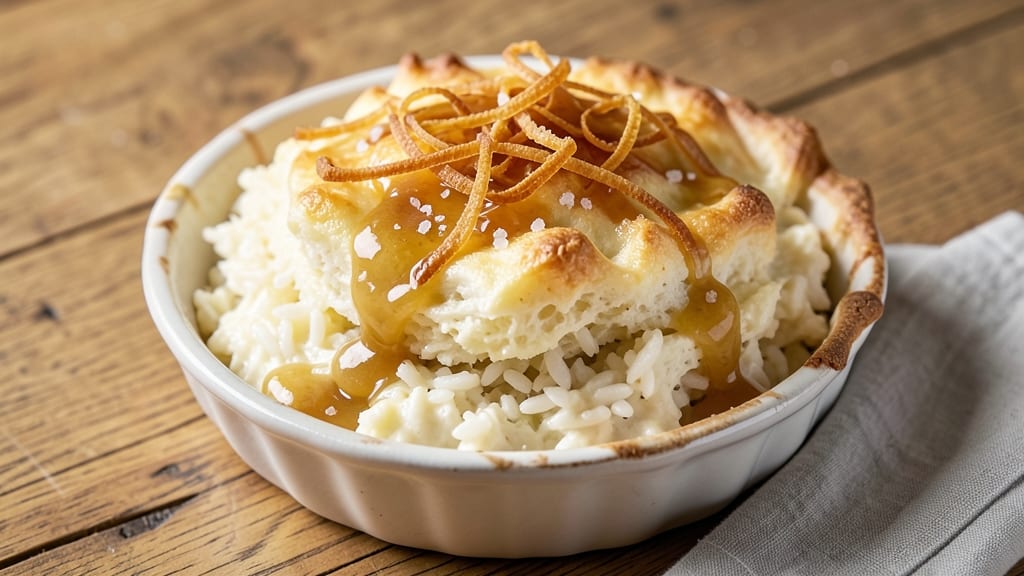
A cheese and rice soufflé delivers that perfect balance of light, airy texture and rich, melty center—every bite feels like a culinary triumph. The secret lies in properly folded egg whites and a precise baking technique that creates that signature rise.
I’ve refined this recipe over years to ensure consistent results, even for home cooks who might feel intimidated by soufflés.
This version combines creamy cheddar with tender rice, baked to golden perfection with a crisp exterior and a gooey, savory center. The dish is elegant enough for dinner parties but simple enough for weeknight dinners.
With just a few key techniques—like folding egg whites gently and preheating the oven to the right temperature—you’ll achieve restaurant-quality results every time.
Ingredients for cheese and rice souffle
Six eggs, sharp cheddar, and day-old rice create this restaurant-worthy soufflé masterpiece.
| Ingredient | Amount | Notes |
|---|---|---|
| Sharp Cheddar Cheese 🧀 | 1 ½ cups | Shredded, aged 6+ months preferred |
| Long-Grain White Rice 🍚 | 1 cup | Cooked, day-old preferred |
| Large Eggs 🥚 | 6 whole | Room temperature, separated |
| All-Purpose Flour 🌾 | ¼ cup | Sifted, for stability |
| Unsalted Butter 🧈 | 2 tbsp | Melted, cooled slightly |
| Whole Milk 🥛 | ½ cup | Warm, for creaminess |
| Salt 🧂 | ½ tsp | Diamond Crystal preferred |
| Ground White Pepper 🌶️ | ¼ tsp | Freshly ground for subtle flavor |
| Extra-Virgin Olive Oil 🫒 | 1 tbsp | For greasing ramekins |
| Fresh Thyme Leaves 🌿 | 1 tsp | Chopped, optional garnish |
The cheese makes or breaks this dish. Sharp cheddar with good aging (6 months or more) melts beautifully and adds depth. Whole Foods or specialty cheese shops carry the best aged varieties—look for vibrant color and no artificial additives. The rice should be day-old for better texture; freshly cooked rice makes the soufflé gummy. For the eggs, room temperature is critical—cold eggs won't whip properly. I always buy organic, free-range eggs from the grocery store's deli section—they whip up fluffier than standard eggs.
No sharp cheddar? Gruyère or aged Gouda work beautifully as substitutes. Day-old rice unavailable? Cook rice specifically for this recipe and refrigerate overnight. The flour is non-negotiable—it stabilizes the soufflé's rise. If you're avoiding gluten, replace with cornstarch at the same ratio. For the butter, European-style butter like Plugrá has higher fat content and better flavor. The milk should be warm but not hot—just enough to dissolve the butter completely. Fresh thyme is ideal for garnish, but dried thyme at half the amount works in a pinch.
Prep everything ahead of time—this soufflé demands attention. The ramekins should be preheated in the oven while you're working. Store shredded cheese in an airtight container in the fridge for up to 1 week. Cooked rice keeps for 3 days in the fridge, but texture improves after 24 hours. Once assembled, soufflés must bake immediately—don't refrigerate before baking. Leftovers? There shouldn't be any—this disappears quickly, but any remaining pieces reheat beautifully in the oven at 350°F for 5-10 minutes
Why You'll Love This Recipe
- One-Bowl Wonder: I swear by this recipe when I’m too tired to wash dishes. You just mix everything—rice, cheese, eggs, a splash of milk—right in the same bowl you’ll bake it in. No extra pans, no fuss.
- Melty Magic: That sharp cheddar turns unreal when it melts into the soufflé, creamy and stretchy with just a hint of tang. The eggs give it this light, airy lift, so it’s not heavy like other cheesy rice dishes.
- Leftovers That Shine: Between us, this reheats like a dream. Cold slices toasted in butter? Yes. Microwaved for a quick lunch? Absolutely. It’s the kind of dish that gets better the second time around.
- Budget-Friendly Luxury: Sharp cheddar might sound fancy, but a block lasts forever, and rice? You can buy it in bulk. This recipe stretches to feed four for under $10, and it tastes like you spent all day cooking. (Spoiler: You didn’t.)
Step-by-step instructions for cheese and rice soufflé
Mastering this soufflé requires precision timing and gentle technique—here's how to achieve that signature rise.
Prepare the Rice Base
Cook the 1 cup Long-Grain White Rice according to package instructions until tender but not mushy. Drain any excess water and spread the rice on a baking sheet to cool completely. I prefer using day-old rice—it's firmer and absorbs flavors better. While cooling, shred the 1.5 cups Sharp Cheddar Cheese using a box grater or food processor for even distribution.
In a large mixing bowl, combine the cooled rice, shredded cheese, 0.5 cup Whole Milk, 2 tbsp Unsalted Butter, 0.5 tsp Salt, and 0.25 tsp Ground White Pepper. Mix gently with a rubber spatula until fully incorporated. The mixture should be warm but not hot—this prevents the eggs from scrambling later. Let it cool to room temperature before proceeding.
Separate and Whip the Egg Whites
While the rice mixture cools, separate the 6 whole Large Eggs, placing yolks in one bowl and whites in a clean, grease-free bowl. Use a fine-mesh sieve if needed to ensure no yolk traces remain in the whites. Add 0.25 cup All-Purpose Flour to the yolks and whisk until smooth. Gradually fold in the rice-cheese mixture until fully combined and homogeneous.
In a separate bowl, beat the egg whites with an electric mixer on medium speed until soft peaks form. Gradually increase to high speed and whip until stiff, glossy peaks form that hold their shape when the whisk is lifted. This takes about 3-4 minutes—don't rush it. The whites should be thick enough to hold their shape when you turn the bowl upside down.
Fold Egg Whites into the Base
Using a large spatula, gently fold one-third of the whipped egg whites into the yolk mixture in three additions. Change to a rubber spatula and fold in the remaining whites, working from the center outward and lifting from the bottom of the bowl. This preserves as much air as possible. The batter should be thick but still pourable—if it's too stiff, you've overmixed.
Real talk: Don't overfold. The batter should have a marbled appearance with streaks of white throughout. If you see large pockets of white, it needs more gentle folding. Transfer the batter to a pastry bag fitted with a large plain tip for even distribution.
Bake to Peak Perfection
Preheat your oven to 375°F and grease four 6-ounce ramekins with 1 tbsp Extra-Virgin Olive Oil, coating the inside thoroughly. Divide the batter evenly among the ramekins, filling each about two-thirds full. Tap the ramekins gently on the counter to release any air bubbles.
Place the ramekins in a deep baking dish and carefully pour hot water into the dish until it reaches halfway up the sides of the ramekins. This creates a water bath that ensures even cooking. Bake for 25-30 minutes until the soufflés have nearly doubled in size and are golden brown on top. The edges should pull away slightly from the ramekins, and the center should still be slightly jiggly when gently shaken.
Serve Immediately for Best Results
Remove the ramekins from the water bath and let them rest for 1-2 minutes before serving. The soufflés will continue to rise slightly as they cool. Garnish with 1 tsp Fresh Thyme Leaves if desired, but don't skip this step—it adds a subtle herbal note that complements the sharp cheddar.
Serve each portion directly from the ramekin for that impressive presentation. The interior should be creamy and slightly underdone, with a crisp exterior. If the center appears fully set, it was overbaked—this soufflé should have a molten heart. Enjoy immediately while the texture is at its peak.
Pro Tips For Making Cheese And Rice Souffle
- Pre-Cook Rice Properly: Undercooked rice turns your soufflé into a gummy mess—no one wants that. Cook the rice until it’s just al dente, then spread it on a tray to cool completely. Cold rice blends smoother and absorbs the egg mixture better, so skip the temptation to rush this step.
- Grate Cheese Fresh: Pre-shredded cheddar has anti-caking agents that make your soufflé dense. Grate your own using the large holes of a box grater—it melts cleaner and adds that sharp, gooey pull you’re after. (Yes, it takes 2 minutes extra, but it’s worth it.)
- Fold Gently, Fold Often: Dumping everything into one bowl and mixing aggressively deflates the eggs. Use a rubber spatula to fold in the rice and cheese in three stages—first the eggs, then half the rice, then the rest—keeping the air light. Rough handling collapses the structure faster than you can say "soufflé fail."
- Butter the Mold Well: A dry mold means sticking, and stuck soufflés are sad soufflés. Melt 1 tablespoon of butter in the ramekins, swirl it around, then dust with flour—tap out the excess. The extra crispy crust you get from this is the only crust you’ll ever need. (Trust me, I’ve tried the "just butter" route.)
Essential equipment for this recipe
Ramekins Matter
Invest in high-quality 6-ounce ramekins—I recommend Le Creuset stoneware or Villeroy & Boch—they distribute heat evenly and prevent sticking. Avoid thin metal ramekins, which can cause uneven baking. Grease them thoroughly with extra-virgin olive oil using a pastry brush, then dust with all-purpose flour for extra insurance. 🧑🍳
For a budget-friendly option, pyrex glass ramekins work well too. Just ensure they're oven-safe up to 400°F. Preheat your ramekins in the oven alongside your baking dish to eliminate any temperature shock when you add the batter. This simple step makes all the difference in achieving that perfect rise.
Water Bath Setup
A deep baking dish (like a 9x13-inch roasting pan) is essential for creating the water bath. Fill it with hot water—not boiling—until it reaches halfway up the sides of your ramekins.
This gentle steam bath ensures even cooking and prevents the soufflés from drying out. Use a kitchen thermometer to confirm the water stays between 160-180°F during baking.
For extra stability, place a wire rack in your baking dish before adding the ramekins. This allows heat to circulate underneath, promoting an even rise. I also recommend using silicon baking mats under the rack to catch any potential drips from the water bath.
Egg Separator Tool
An egg separator (like the OXO Good Grips) is a game-changer for this recipe. It eliminates the risk of yolk contamination in your egg whites, which can prevent them from whipping properly.
I've tried separating eggs by hand, but even a tiny trace of yolk can ruin the texture. A good separator costs around $15 and pays for itself after just a few soufflés.
If you don't have one, use a fine-mesh sieve or bowl with holes (like a colander with the bottom removed). The key is to let the whites drip through while keeping yolks intact.
Once separated, place whites in a clean, grease-free bowl—even a tiny bit of oil can prevent proper whipping.
Pastry Bag & Tip
A pastry bag with a large plain tip (like Ateco #12) helps distribute batter evenly in your ramekins. Fill the bag about halfway to prevent overflow. If you don't have a pastry bag, a ziplock bag with the corner snipped off works in a pinch.
The goal is to create smooth, even layers—this prevents uneven rising during baking.
For the best results, transfer the batter to the pastry bag just before filling the ramekins. This minimizes air loss from handling. If you notice the batter starting to deflate, gently fold in a little more whipped egg white to restore volume before baking.
Oven Thermometer
Your oven's temperature display is rarely accurate. An oven thermometer (like Thermoworks Oven Thermometer) can reveal discrepancies of 25°F or more. For this recipe, you need precise 375°F control—the slightest variation can cause your soufflés to either collapse or overcook.
Place the thermometer near your baking dish during preheating.
If your oven runs hot, reduce the temperature to 350°F and increase baking time by 5 minutes. Conversely, if it runs cold, bump it up to 400°F and reduce time by 3 minutes. This attention to detail ensures your soufflés rise perfectly every time. 🌡️
Nutrition facts
Frequently asked questions
Why does my cheese and rice souffle collapse?
The most common causes are overmixing the egg whites or opening the oven door too early. Egg whites should have stiff peaks but be gently folded in—don't stir vigorously. Also, never open the oven door during the first 20 minutes of baking, as temperature fluctuations cause the soufflé to deflate. The water bath should maintain 160-180°F—if it cools too much, the soufflé won't rise properly.
Can I make this souffle ahead of time?
Absolutely not! Soufflés must be baked immediately after assembling. However, you can prep components ahead: shred cheese, cook and cool rice, and separate eggs. Store these separately in the fridge for up to 24 hours. The day-of assembly takes just 15 minutes, so plan accordingly. For a make-ahead option, try a cheese and rice gratin instead—it reheats beautifully.
What's the best cheese substitute if I don't have sharp cheddar?
Try Gruyère (adds nutty depth) or aged Gouda (slightly sweeter) in equal amounts. For a dairy-free option, use nutritional yeast (2 tbsp) plus vegan cheese shreds (1 cup). Avoid mild cheeses like Colby—they won't melt properly. If substituting, adjust baking time by 2-3 minutes since different cheeses melt at varying rates.
How do I fix undercooked or overcooked soufflés?
For undercooked soufflés (jiggly center), return to 350°F oven for 3-5 minutes—they'll finish cooking while you plate. For overcooked ones (fully set center), sprinkle with 1 tbsp warm milk and cover with foil for 2 minutes to restore moisture. The ideal texture should have a creamy, slightly molten center with a crisp exterior.
Can I make individual portions in muffin tins?
Yes! Use standard muffin tins (greased with oil) and reduce baking time to 18-20 minutes. Fill cups only halfway since soufflés expand dramatically. For extra insurance, place the muffin tin in a water bath (same method as ramekins). Portion size will be smaller, but the technique remains identical. Serve immediately—these mini soufflés deflate faster than standard portions.