
Main Courses
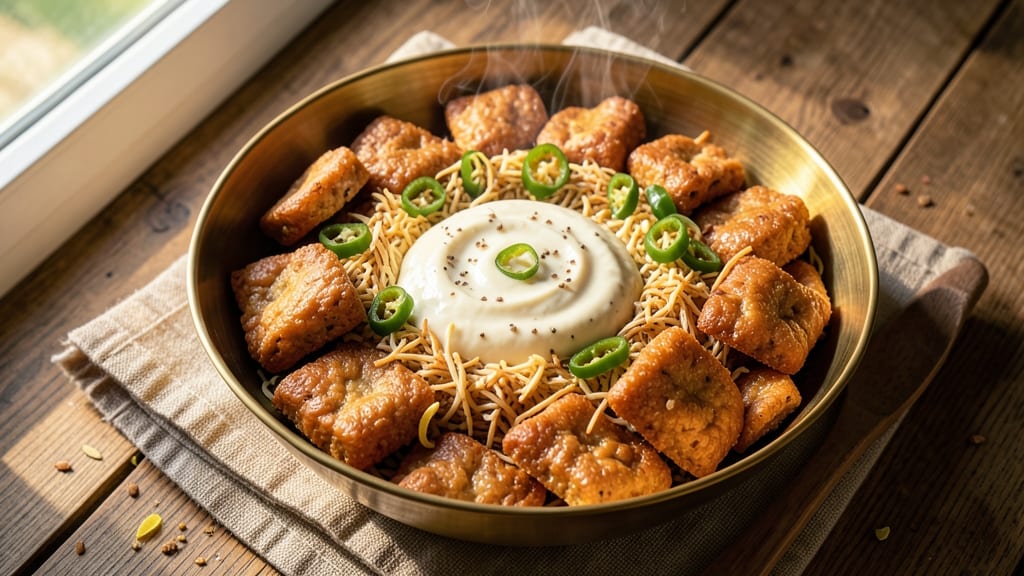
This chakli recipe with rice flour and urad dal delivers the exact crispy, golden fritters you find at Indian street stalls—crunchy outside, tender inside, and bursting with warm spices.
The secret lies in properly fermenting the batter and frying in small batches, which transforms simple ingredients into irresistible bites that disappear in minutes.
What makes these chakli special is the perfect balance of textures: the rice flour creates a delicate crunch, while urad dal adds subtle earthiness and helps bind the batter. Traditional recipes rely on slow fermentation for depth of flavor, but I’ve adapted this method for modern kitchens—no special equipment required.
The result? A dish that’s both nostalgic and approachable, perfect for snacking or serving with chutneys.
Ingredients for chakli recipe with rice flour and urad dal
Fermented batter meets warm spices for crispy, golden chakli bursting with street-side flavor.
| Ingredient | Amount | Notes |
|---|---|---|
| Rice Flour 🌾 | 1 ½ cups | Fine-milled for crispy texture |
| Urad Dal 🌱 | ½ cup | Soaked overnight, ground smooth |
| Water 💧 | ¾ cup | Room temperature for batter |
| Yogurt 🍶 | ¼ cup | Plain, unsweetened for fermentation |
| Semolina (Sooji) 🌾 | ¼ cup | For added crunchiness |
| Green Chilies 🌶️ | 3 whole | Slit lengthwise for mild heat |
| Ginger 🧄 | 1 tbsp | Freshly grated for zing |
| Cumin Seeds 🌿 | 1 tsp | Toasted lightly for aroma |
| Asafoetida (Hing) 🌿 | ⅛ tsp | Pinch for authentic flavor |
| Turmeric Powder 🧂 | ¼ tsp | For golden color |
| Salt 🧂 | ½ tsp | Adjust to taste |
| Vegetable Oil 🫒 | 2 cups | For deep frying |
| Lemon Juice 🍋 | 1 tbsp | Freshly squeezed for tang |
The rice flour is non-negotiable—fine-milled varieties like Daawat or Navin create that signature crunch. Urad dal must be yellow split peas, soaked overnight and ground into a smooth paste (no lumps!). For the yogurt, Greek-style or full-fat works best—it thickens the batter and aids fermentation. If you can't find asafoetida at Indian markets, substitute with a pinch of garlic powder, though it won't be identical. The green chilies should be fresh and slightly spicy—serrano or jalapeño work in a pinch, but traditional bird's eye chilies give the best heat.
No urad dal? Substitute with 0.25 cup ground chickpeas, but texture will differ slightly. Short on rice flour? Semolina (sooji) at 1:1 ratio keeps crunch but loses delicacy. The batter needs 4-6 hours of fermentation—place it in a warm spot (like a turned-off oven with light on) for optimal rise. For extra crispiness, add 1 tbsp cornstarch to the flour mix. The oil should be smoking hot when frying—350°F is ideal, but test with a pinch of batter. If it sizzles vigorously, it's ready.
Freshly made chakli are best served immediately, but they reheat beautifully in a 200°F oven for 10 minutes. Store batter in an airtight container in the fridge for up to 2 days—bring to room temp before frying. The fried chakli keep in a sealed container for 3 days. For a shortcut, freeze fried portions on a tray, then transfer to a bag for up to 1 month. Reheat in a dry pan over medium heat until crispy again.
Why You'll Love This Recipe
- No-Fuss Mixing: I swear by this recipe because it’s just three bowls—no fancy equipment. Toss rice flour, soaked urad dal, and yogurt together, then shape into little logs. That’s it. Even my non-cooking partner can handle it.
- Crispy-Creamy Magic: The secret’s in the sooji (semolina) dusting—it gives those chaklis that addictive crunch while the urad dal keeps them soft inside. Honestly, the first bite makes me forget I was supposed to be eating "healthy."
- Party Snack Star: These disappear at gatherings—no one can resist them. Serve warm with chutney for tea time, or pack them for picnics. (Yes, even on a Tuesday night, they’ll feel special.)
- Budget Bulk Winner: A bag of rice flour and urad dal lasts forever, and this recipe stretches to feed four for under $2. Reheat leftovers in a pan—no sogginess, just that same crispy satisfaction. My wallet and taste buds thank me.
Step-by-step instructions for chakli recipe with rice flour and urad dal
Here's the precise method to achieve those iconic, crispy chakli with perfect texture and flavor.
Prepare the Urad Dal Batter Base
In a mixing bowl, combine the soaked and ground 0.5 cup Urad Dal with 0.75 cup Water and 0.25 cup Yogurt. Mix thoroughly until you achieve a smooth, lump-free batter. The consistency should be slightly thicker than regular pancake batter but still pourable. I like to use a whisk for this step to ensure no lumps remain.
Next, add 1 tbsp Ginger (freshly grated), 3 whole Green Chilies (slit lengthwise), 1 tsp Cumin Seeds (lightly toasted), 0.125 tsp Asafoetida (Hing), 0.25 tsp Turmeric Powder, and 0.5 tsp Salt. Mix well to incorporate all the spices evenly. The batter should have a vibrant yellow hue from the turmeric and a subtle aroma from the cumin and hing. Let this mixture rest for 10 minutes while you prepare the remaining ingredients.
Create the Crispy Flour Coating
In a separate large bowl, combine 1.5 cups Rice Flour and 0.25 cup Semolina (Sooji). This combination gives chakli their signature texture—crispy on the outside with a slightly chewy interior. Add the rested urad dal mixture to the flour and semolina, mixing gently but thoroughly. The batter should become slightly thicker as the rice flour absorbs the liquid.
At this stage, add 1 tbsp Lemon Juice and mix again. This small addition prevents the chakli from becoming too dense and adds a bright, tangy note that balances the richness. The final batter consistency should be like thick pancake batter—neither too runny nor too stiff. If it's too thick, add 1-2 tablespoons of water at a time until it reaches the right consistency.
Heat the Oil for Deep Frying
Fill a deep, heavy-bottomed pan with 2 cups Vegetable Oil and place it over medium heat. Insert a wooden chopstick or thermometer to monitor the oil temperature. When the oil reaches 350°F (it should be hot enough to sizzle gently when a small piece of batter is dropped in), it's ready for frying. Maintaining this temperature is crucial—too hot and the chakli will burn outside before cooking through; too cool and they'll absorb too much oil.
I recommend using a deep-fry thermometer for precision, but if you don't have one, test the oil by dropping a small spoonful of batter into it. If it rises to the surface and turns golden brown within 30 seconds, the oil is at the right temperature. Keep the heat at medium to maintain this temperature throughout frying.
Fry the Chakli to Golden Perfection
Using a spoon or small ladle, carefully drop small portions of the batter into the hot oil. Work in batches to avoid overcrowding the pan, which would lower the oil temperature. Fry each piece for 3-4 minutes, turning occasionally with a slotted spoon, until they turn a deep golden brown color. The chakli should puff up slightly and develop a crisp exterior while remaining soft inside.
As you fry, keep a close eye on the color—it should be evenly golden brown, not dark brown or blackened. When you press a chakli gently with a spoon, it should hold its shape but still feel soft inside. Remove the fried chakli with a slotted spoon and drain on a paper towel-lined plate. The key to crispy chakli is proper oil temperature and even cooking time—don't rush this step.
Serve Warm with Traditional Accompaniments
Once all the chakli are fried, serve them immediately while still warm and crispy. The contrast between the hot, crispy chakli and cool accompaniments makes them even more enjoyable. Traditional pairings include mint chutney, tamarind chutney, or a simple yogurt dip. For extra flavor, sprinkle with a pinch of chaat masala or a few drops of lemon juice before serving.
Chakli are best enjoyed fresh from the fryer, but if you need to store them, keep them in an airtight container for up to 2 days. To reheat, simply warm them in a dry skillet over low heat for 1-2 minutes until crispy again. The secret to perfect chakli lies in the balance of textures—crispy outside, soft inside—and this method ensures you'll achieve that every time.
Pro Tips For Making Chakli Recipe With Rice Flour And Urad Dal
- Soak Urad Dal Overnight: I learned this the hard way—rushing the soak leaves your chakli dense and chewy. Cover ½ cup urad dal in 2 cups water for at least 8 hours (or overnight), then grind it with minimal water into a smooth, thick batter. The longer it soaks, the smoother and lighter your chakli will be.
- Heat Oil Gradually: High heat ruins the texture—this isn’t deep-frying, it’s gentle cooking. Warm the oil to around 160°C (medium-low) before dropping the chakli. Too hot, and they’ll burn outside before cooking through; too cool, and they’ll absorb oil like a sponge.
- Test Yogurt Consistency: Thick yogurt makes dry chakli; thin yogurt makes them soggy. Mix ¼ cup yogurt into your batter only after grinding the urad dal, then adjust with a splash of water if it’s too stiff. The goal is a thick, pourable consistency—not gluey, not runny.
- Add Semolina Last: I skip this when I’m lazy, but the dish is noticeably better when I don’t. Fold in 2 tablespoons semolina after the batter rests for 10 minutes—this prevents lumps and gives the chakli a subtle crunch without overpowering the flavor. Mix it in by hand; no need to overwork it.
Make-ahead tips for leftovers
Batter Prep Ahead
Mix the urad dal batter base (urad dal, yogurt, water, and spices) up to 2 days in advance and refrigerate in an airtight container. The fermentation flavors develop more deeply over time, but don’t let it sit longer than 48 hours or the yogurt may curdle.
When ready to fry, stir in the rice flour and semolina just before cooking to maintain crispiness. 🌱
Oil Prep Shortcut
Preheat your oil in a deep pot on the stovetop, then transfer it to a slow cooker set to low heat for hands-off frying. This keeps the oil at a consistent 350°F without constant monitoring.
I use this trick when frying large batches—just ensure the pot fits safely inside the slow cooker. ⏰
Freezing Fried Chakli
Lay freshly fried chakli on a wire rack in the freezer for 1 hour to set their shape, then transfer to an airtight container. They’ll keep for 1 month—reheat in a dry pan over medium-low heat for 2-3 minutes until crispy again.
The texture won’t be as perfect as fresh, but they’re still delicious for quick snacks. ✨
Batch Frying Plan
For a crowd, divide the batter into 4 equal portions and fry in batches. Keep the fried chakli warm in a 200°F oven on a wire rack (not a plate) to prevent sogginess.
This method ensures even cooking and lets you manage large groups without stress. Pro tip: Use a mesh strainer to drain excess oil between batches. 🔥
Fermentation Hack
Speed up fermentation by placing the batter bowl in a warm spot—like a turned-off oven with the light on—for 2-3 hours. The gentle heat mimics traditional methods without requiring an overnight wait. Just avoid direct heat, which can overcook the batter. 💡
Make-Ahead Serving
Assemble a chakli platter ahead of time by arranging fried chakli on a serving tray with chutneys in small bowls. Cover loosely with a kitchen towel to keep them crispy while you set the table.
This works beautifully for parties—just reheat the chakli in a 350°F oven for 5 minutes before serving. 💫
Nutrition facts
Frequently asked questions
Why does my chakli batter turn too thick or too thin?
The ideal batter should be like thick pancake batter. If it's too thick, add 1-2 tablespoons of water at a time until smooth. Too thin? Stir in 1-2 tablespoons of rice flour to thicken. The key is consistency—it should coat the back of a spoon but still flow easily when dropped into oil.
Can I make chakli without fermentation? What happens if I skip it?
Fermentation adds depth of flavor and helps create that signature soft-yet-crispy texture. If you skip it, your chakli will still fry but may taste bland and dense. For a quick version, mix all ingredients and let the batter rest for 2 hours at room temperature—this helps develop some flavor but won't match traditional fermentation.
How do I prevent chakli from becoming greasy?
Greasy chakli usually mean the oil wasn't hot enough. Keep your oil at 350°F and fry in small batches—never overcrowd the pan. Drain fried chakli on a wire rack (not paper towels) to remove excess oil, then pat gently with a clean cloth. For extra crispiness, add 1 tbsp cornstarch to the flour mix before combining with batter.
What's the best way to store leftover chakli?
Keep fried chakli in an airtight container at room temperature for 2 days maximum. For longer storage, freeze them on a wire rack for 1 hour before transferring to a bag (lasts 1 month). Reheat in a dry pan over medium-low heat for 2-3 minutes until crispy again. Never store in the fridge—it makes them soggy!
Can I substitute urad dal with another flour?
Urad dal gives chakli their unique texture and flavor, but you can substitute with 0.25 cup ground chickpeas or 0.5 cup besan (gram flour). For a gluten-free option, use 0.5 cup masoor dal (red lentils), but texture will differ slightly. Always soak and grind the substitute properly to avoid lumps.