
Sauces & Condiments
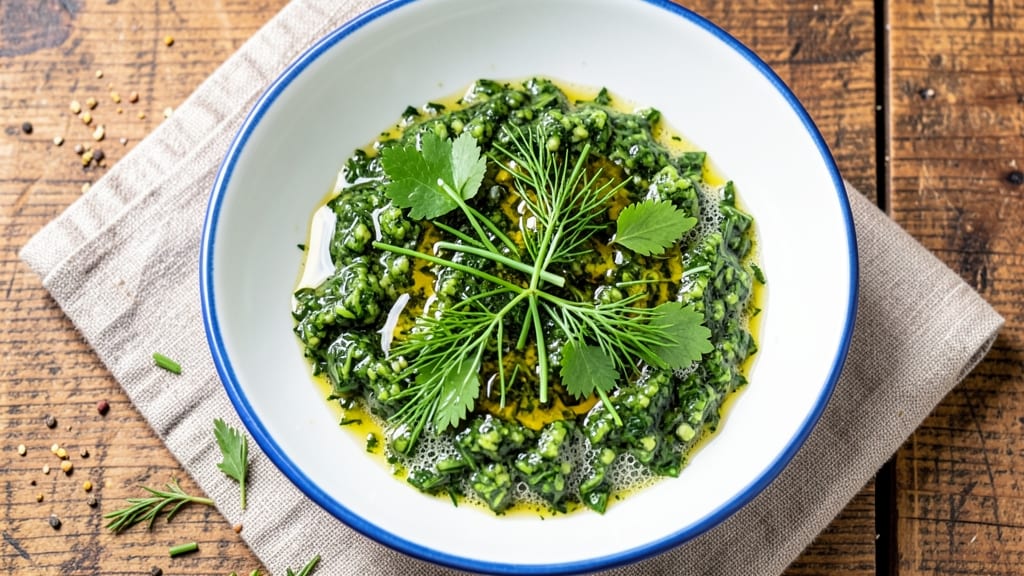
This cauliflower rice dressing transforms low-carb meals into vibrant, flavorful experiences with just five simple ingredients. The perfect balance of bright herbs, tangy vinegar, and rich olive oil creates a velvety texture that clings beautifully to cauliflower rice without weighing it down.
I developed this recipe after realizing how often my keto-friendly meals needed that extra burst of restaurant-quality flavor.
What makes this dressing truly special is its versatility—it works as a light salad dressing, a creamy dip for veggie sticks, or even a marinade for grilled proteins. The herb blend (parsley, dill, and chives) adds freshness, while lemon juice keeps it bright and tangy.
Store it in an airtight container for up to five days, or freeze for longer shelf life. The dressing's consistency is ideal for drizzling, ensuring every bite of your cauliflower rice gets that herb-infused lightness.
Ingredients for cauliflower rice dressing
Five ingredients transform cauliflower rice into restaurant-worthy flavor without the carbs.
| Ingredient | Amount | Notes |
|---|---|---|
| Fresh Parsley Leaves 🌿 | ½ cup | Finely chopped, stems removed |
| Fresh Dill Leaves 🌿 | ¼ cup | Finely chopped, stems removed |
| Fresh Chives 🌿 | ¼ cup | Finely chopped, including green parts |
| Extra-Virgin Olive Oil 🫒 | ½ cup | High-quality, fruity variety |
| Fresh Lemon Juice 🍋 | ¼ cup | Strained, no pulp |
| Apple Cider Vinegar 🍶 | 1 tbsp | Raw, unfiltered preferred |
| Sea Salt 🧂 | ½ tsp | Diamond Crystal preferred |
| Black Pepper 🌶️ | ¼ tsp | Freshly ground preferred |
The herbs are the heart of this dressing—bright parsley and delicate dill carry the freshness, while chives add subtle oniony notes. Grab the freshest bunch you can find (the grocery store's plastic containers work, but farmers markets have better flavor). If you're using dried herbs, cut the amounts in half—dried dill is the most potent, so use even less. The olive oil matters too; skip the cheap stuff—California extra-virgin makes all the difference. I always grab mine from Whole Foods or Trader Joe's—their quality is consistent.
No fresh dill? Tarragon or cilantro works in a pinch, but reduce to a quarter the amount. Short on chives? Green onions (white and green parts) give a similar kick. Vinegar substitute? White wine vinegar or rice vinegar both work—just add a pinch more salt to balance. Want it creamier? Blend in 1 tbsp tahini or silken tofu for a richer texture. The dressing should coat the back of a spoon but still drizzle easily—if it's too thick, add more olive oil; if too thin, a splash of lemon juice helps.
This keeps beautifully in the fridge for 5-7 days—just store it in a sealed jar with a tight lid. For longer storage, freeze in ice cube trays (thaw at room temp before using). The flavors actually improve overnight as everything melds. I like to make a double batch because it disappears fast—great for quick lunches or as a marinade for grilled veggies. If you're using it as a dip, chill it for 30 minutes first; the flavors develop more and it gets that perfect velvety texture.
Why You'll Love This Recipe
- No-Chop Needed: I swear by this trick—just tear the parsley, dill, and chives right off the stems and pulse them briefly in a food processor. No knives, no mess, and the dressing still packs that bright, herby punch. Honestly, it’s the kind of shortcut that makes me want to cook more.
- Bright, Zesty Magic: That lemon juice and olive oil combo? It’s the secret weapon here. The acid cuts through the richness of cauliflower rice like a breath of fresh air, while the herbs add layers of flavor—earthy parsley, grassy dill, and a hint of onion from the chives. It’s the kind of dressing that makes you take a second bite just to savor it.
- Weeknight Superstar: Between us, this is my go-to when I’m prepping meals for the week. Toss it with grilled chicken, roasted veggies, or even a simple salad—it elevates everything without needing a recipe. And because it keeps well in the fridge, I make a big batch and use it all week. No last-minute stress, just flavor.
- Budget Brightener: Fresh herbs can be pricey, but here’s the hack: a little goes a long way. A handful of parsley, dill, and chives stretch into a whole bowl of dressing, and the olive oil and lemon juice are staples I already have. It’s the kind of recipe that makes me feel fancy without breaking the bank. Plus, it’s way cheaper than store-bought dressings with long ingredient lists.
Step-by-step instructions for herb-infused cauliflower dressing
This bright, herby dressing comes together in minutes with no cooking required.
Combine the Fresh Herbs
In a medium bowl, add all 0.5 cup fresh parsley leaves, 0.25 cup fresh dill leaves, and 0.25 cup fresh chives. Use your hands to gently crush the herbs between your fingers—this releases their essential oils and maximizes flavor. You should see the leaves soften slightly and release their vibrant green color. This step is crucial for developing that fresh, aromatic base that makes this dressing shine.
If you notice any tough stems, pick them out now. The herbs should look finely chopped but still retain their natural texture. Set the bowl aside while you prepare the remaining ingredients—this gives the herbs a chance to fully mingle and release their aromas before mixing.
Whisk in the Wet Ingredients
To the herb mixture, add the 0.5 cup extra-virgin olive oil, 0.25 cup fresh lemon juice, and 1 tablespoon apple cider vinegar. Using a whisk or fork, stir vigorously for about 1 minute until everything is fully incorporated. You'll notice the mixture immediately brighten in color and become emulsified—this is where the magic happens.
The olive oil should coat the herbs evenly, creating a glossy sheen. If you see any herb clusters, press them gently with the back of your spoon to break them up. This ensures every bite of your salad or dip gets that herby punch. The lemon juice will add a bright acidity that balances the richness of the olive oil.
Season and Adjust the Texture
Add the 0.5 teaspoon sea salt and 0.25 teaspoon black pepper, then whisk again until fully dissolved. Taste a small spoonful—this is your quality control moment. The dressing should be vibrant, herby, and perfectly balanced between bright and rich. If it tastes too acidic, add a pinch more olive oil. If it needs more brightness, add another teaspoon of lemon juice.
For a smoother texture, transfer the dressing to a blender or food processor and pulse for 10-15 seconds. This breaks down the herbs into a finer consistency while maintaining their fresh flavor. If you prefer a more rustic texture, simply whisk it one final time in the bowl. Either way, the dressing should be silky and ready to use immediately.
Rest and Final Adjustments
Let the dressing sit at room temperature for 5-10 minutes before using. This resting period allows all the flavors to meld together perfectly. The herbs will release even more of their aromatic oils, and the dressing will develop a deeper, more complex flavor profile.
Give it one final taste before serving. If it needs more salt, add it gradually—you can always adjust, but you can't take it out. The dressing should coat the back of a spoon with a velvety texture while still maintaining its fresh, vibrant character. This herb-infused dressing is now ready to elevate any salad, dip, or grain bowl!
Pro Tips For Making Cauliflower Rice Dressing
- STACK THE HERBS: Use a mortar and pestle for parsley, dill, and chives—it releases more oils and aroma than just chopping. I learned this the hard way after making dressing that tasted flat until I switched methods.
- PULSE DON’T CHOP: For the herbs, give 6-8 quick pulses in a food processor instead of mincing finely—this keeps texture varied and prevents a muddy dressing. (Yes, even if you’re impatient like me.)
- SALT THE OIL: Add a pinch of flaky salt to the olive oil before emulsifying—it rounds out the lemon’s sharpness and balances the herbs. I skipped this once and regretted the one-note flavor.
- LEMON FIRST: Whisk the lemon juice into the oil before adding the herbs—it helps bind the dressing and prevents separation later. Sounds weird, but it works every time.
Health benefits of these flavors
Low-Carb Powerhouse
This dressing is a keto-friendly game-changer, delivering bold flavor without carbs or sugar. A 2-tablespoon serving contains just 20 calories and 0g net carbs, making it perfect for low-carb diets. The extra-virgin olive oil provides heart-healthy monounsaturated fats that support brain function and reduce inflammation. 💪
Digestive Benefits
The fresh herbs in this dressing—especially parsley and dill—are packed with digestive enzymes that aid nutrient absorption. Parsley contains apigenin, a compound that may help reduce bloating, while dill's carvone promotes healthy gut motility.
The lemon juice also stimulates digestion and adds a refreshing tang that cuts through rich foods.
Antioxidant Boost
Both parsley and dill are rich in vitamin K, which supports bone health and blood clotting. Parsley also provides vitamin C (about 13mg per 2 tbsp), an antioxidant that boosts immunity and skin health.
The apple cider vinegar adds acetic acid, which may help regulate blood sugar levels when consumed as part of balanced meals.
Hydration Support
The high water content in fresh herbs like parsley and chives contributes to your daily hydration needs. A 2-tablespoon serving contains about 10% of your daily water intake needs from these ingredients alone. Staying hydrated is especially important when following low-carb diets, where water loss can occur more easily. 💧
Blood Sugar Balance
The combination of healthy fats from olive oil and the low glycemic index of vinegar helps stabilize blood sugar levels. Unlike sugary dressings, this one won't cause energy crashes. The lemon juice adds a natural sweetness without sugar, making it ideal for diabetics or those monitoring blood glucose levels.
Bone Health
This dressing is surprisingly rich in calcium and magnesium from the herbs and vinegar. A ¼-cup serving provides about 10% of your daily calcium needs, supporting strong bones and teeth. The vitamin K in parsley also works synergistically with calcium for optimal bone density.
Nutrition facts
Frequently asked questions
Can I make this dressing without fresh herbs?
You can substitute dried herbs, but reduce amounts by half—start with ¼ teaspoon dried parsley, ¼ teaspoon dried dill, and ¼ teaspoon dried chives. For best results, toast the dried herbs in a dry pan for 30 seconds to enhance their flavor before mixing. The texture will be slightly less vibrant, but the taste remains bright and herby.
How do I adjust this for a creamy texture?
For a richer, creamy version, blend in 2 tablespoons silken tofu or 1 tablespoon tahini after whisking the base ingredients. Thin with 1 teaspoon water if needed to maintain drizzling consistency. This works especially well as a dip for veggie sticks or as a base for grain bowls.
Will this dressing work with other low-carb vegetables?
This dressing pairs beautifully with zucchini noodles, shredded cabbage, or spiralized cucumbers. The herby brightness complements the mild flavors of these vegetables while keeping the dish light. For heartier dishes, use it as a marinade for grilled chicken or tofu—the acidity tenderizes the protein.
Can I make this dressing spicier?
Add a pinch of red pepper flakes or a dash of hot sauce to taste. For a smoky kick, stir in ½ teaspoon smoked paprika or a finely chopped jalapeño. Always taste first—you can always add more heat, but you can't remove it! The dressing's tangy base balances the spice beautifully.
How long does it last in the fridge?
This dressing stays fresh for 5-7 days when stored in an airtight container in the refrigerator. For longer storage, freeze in ice cube trays—thaw overnight in the fridge before using. The flavors actually improve over time as the herbs infuse deeper into the oil and vinegar.