
Side Dishes
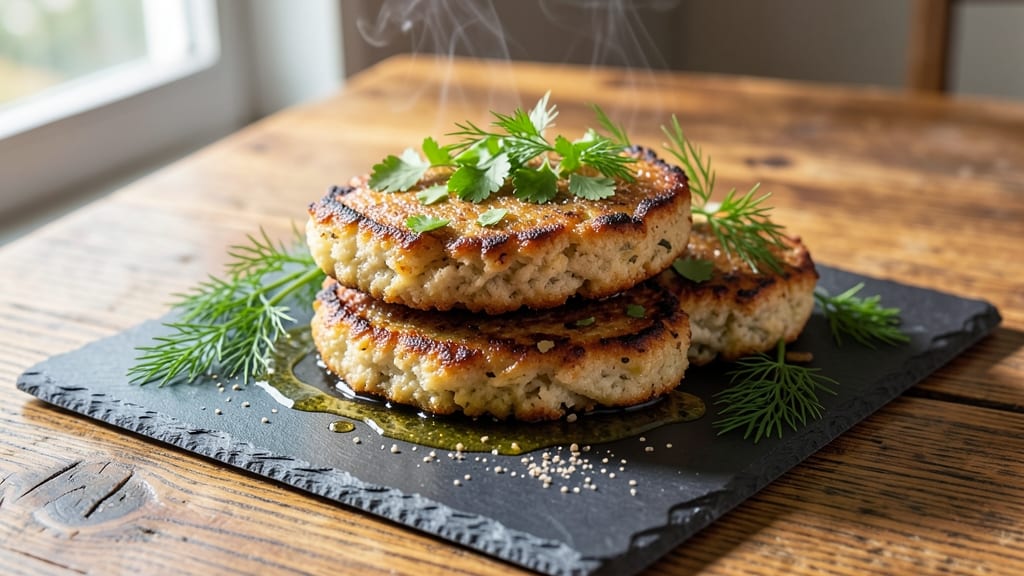
This cauliflower rice cakes recipe transforms humble cauliflower into crispy, golden bites that deliver satisfying crunch without the guilt. The secret lies in proper preparation—grating or ricing the cauliflower just right, then binding it with flaxseed or egg substitute to create a sturdy texture that holds up beautifully when cooked.
What sets these apart is the perfect balance of crispy edges and cooling herb freshness, making them ideal for any meal.
What makes this recipe truly special is its versatility and dietary friendliness—it’s naturally vegan, gluten-free, and packed with nutrients while still delivering that irresistible crunch we all love.
The process is straightforward: press out excess moisture, shape into patties, and cook until golden brown using your preferred method—pan-frying, air-frying, or baking. The result? A side dish that’s as satisfying as it is healthy.
By the time you’re done, you’ll have crispy, golden cauliflower cakes that pair perfectly with dipping sauces like tahini, hummus, or a tangy yogurt-based dip. They’re great as a standalone appetizer, a protein-packed side for bowls, or even a crunchy topping for salads.
The best part? You’ll never miss the carbs, but you’ll still get that satisfying, crispy texture.
Whether you’re meal prepping for the week or looking for a quick weeknight side, these cauliflower rice cakes are a game-changer. Ready to try? Let’s get started with a foolproof method that guarantees crispy, flavorful results every time.
Ingredients for cauliflower rice cakes
Crispy cauliflower bites start with the right ingredients—fresh, vibrant, and perfectly balanced for texture.
| Ingredient | Amount | Notes |
|---|---|---|
| Fresh Cauliflower 🥬 | 1 lb | Riced or grated finely |
| Ground Flaxseed 🌾 | 3 tbsp | Mixed with 9 tbsp water |
| Fresh Parsley 🌿 | ¼ cup | Finely chopped, stems included |
| Fresh Dill 🌿 | ¼ cup | Finely chopped, for freshness |
| Garlic Cloves 🧄 | 3 cloves | Minced for aromatic depth |
| Extra-Virgin Olive Oil 🫒 | 2 tbsp | For crispy texture |
| Lemon Zest 🍋 | 1 tbsp | Brightens flavor profile |
| Diamond Crystal Kosher Salt 🧂 | 1 tbsp | For seasoning and binding |
| Ground Black Pepper 🌶️ | ½ tsp | Freshly ground preferred |
| Cornstarch 🌾 | 2 tbsp | For extra crispiness |
| Avocado Oil 🫒 | ¼ cup | High smoke point for frying |
| Fresh Chives 🌿 | 2 tbsp | Chopped, for garnish |
The cauliflower is non-negotiable—fresh, firm heads from the produce section (not pre-riced bags) give the best texture. Trader Joe's or Whole Foods often carry organic options with tighter florets. For ricing, a food processor with a grating blade works best—no need for fancy tools, just pulse until it resembles coarse rice. The flaxseed egg substitute (3 tbsp ground flaxseed + 9 tbsp water) binds everything together without eggs, and it’s a game-changer for crispy edges. If you’re short on time, pre-riced cauliflower from the freezer aisle works in a pinch, but thaw and drain it well first.
No fresh herbs? Dried parsley or dill at one-third the amount keeps the flavor, though fresh is ideal. Swap avocado oil for vegetable or canola oil if needed, but stick to high-smoke-point oils for frying. The cornstarch is optional but worth it—it adds that satisfying crunch. For extra flavor, add 1 tsp smoked paprika or garlic powder to the mix. If you’re air-frying, reduce the oil to just 1 tbsp and spray lightly before cooking. The lemon zest can be substituted with 1 tsp lemon juice if zest isn’t available, though it won’t be as aromatic.
These cakes crisp best when made fresh, but you can prep the mixture ahead and refrigerate for up to 24 hours. For storage, keep cooked cakes in an airtight container with parchment paper between layers—they’ll stay crispy for 3-4 days. Freeze extras on a tray first, then transfer to a bag for up to 3 months. Reheat in a toaster oven or air fryer for 2-3 minutes to restore crispiness. They’re perfect for meal prep—just reheat and serve with your favorite dip.
Why You'll Love This Recipe
- No Chopping Needed: I swear by this trick—just pulse the cauliflower in a food processor until it’s rice-sized. No knife skills required, and the flaxseed binds everything together like magic. Honestly, it’s the kind of recipe that makes me feel like a lazy genius.
- Herb-Packed Punch: That combo of fresh dill and parsley with minced garlic? It’s bright, fresh, and hits differently than store-bought rice cakes. The flaxseed adds a nutty depth, so you’re not missing the carbs at all—just pure flavor in every bite.
- Meal Prep MVP: I make a batch on Sundays and keep them in the fridge for days. They reheat in seconds—microwave or air fryer—and work as a side, snack, or even a quick lunch with hummus. No sad leftovers here; they disappear fast.
- Budget-Friendly Crunch: Fresh cauliflower is cheaper than rice cakes, and you use the whole head. The flaxseed stretches the mix, so you end up with more servings for less. Plus, herbs add freshness without breaking the bank—just a handful of stems does the trick.
Step-by-step instructions for crispy cauliflower rice cakes
Here's how to create golden, crispy cauliflower cakes with fresh herb vibrancy—every bite delivers perfect texture.
Prepare the Cauliflower Base
Start by ricing or finely grating the 1 lb fresh cauliflower using a food processor or box grater. I like to pulse the florets in short bursts to get an even, rice-like texture. Transfer the grated cauliflower to a clean kitchen towel and squeeze out all excess moisture—this is critical for crispy cakes. Wet cauliflower leads to soggy results, so don't rush this step.
In a small bowl, combine the 3 tbsp ground flaxseed with 9 tbsp water and let it sit for 5 minutes to form a gel-like flax egg. This acts as our binder, replacing traditional eggs while keeping the cakes cohesive. The mixture should thicken noticeably—if it doesn't, add another teaspoon of water and wait another minute.
Mix the Herb and Seasoning Components
Finely chop the 0.25 cup fresh parsley and 0.25 cup fresh dill, including stems for maximum flavor. In a large mixing bowl, combine the chopped herbs with the minced 3 cloves garlic, 1 tbsp lemon zest, 1 tbsp diamond crystal kosher salt, and 0.5 tsp ground black pepper. This herb-garlic blend forms the aromatic backbone of our cakes—don't skip the zest, as it brightens the earthy cauliflower flavor beautifully.
Add the squeezed cauliflower and flax egg mixture to the herb blend, stirring gently to combine. Fold in the 2 tbsp cornstarch and 2 tbsp extra-virgin olive oil until evenly distributed throughout. The cornstarch will help create that satisfying crunch, while the olive oil adds richness. At this point, the mixture should hold together when pressed but still feel slightly loose—this ensures proper texture when fried.
Form and Chill the Cakes
Using a ¼ cup measuring scoop, portion the cauliflower mixture into 4 equal portions (about 4 oz each). Gently press each portion into a 4-inch round cake on a parchment-lined baking sheet. I like to use the back of a spoon to smooth the tops—this creates an even surface for crispy edges. Space the cakes about 1 inch apart on the sheet to prevent sticking during frying.
Cover the baking sheet with plastic wrap and refrigerate for at least 30 minutes. This chilling step is essential—it firms up the cakes so they hold their shape when transferred to the hot oil. The colder the oil, the better the texture, so resist the urge to skip this waiting period. Pro tip: If you're short on time, you can chill them for just 15 minutes in the freezer instead.
Fry to Golden Perfection
Heat 0.25 cup avocado oil in a large skillet over medium heat until it reaches 350°F—use a thermometer for accuracy. The oil should shimmer gently but not smoke. Carefully transfer one chilled cauliflower cake to the skillet and fry for 3-4 minutes per side, until golden brown and crispy. You'll know it's ready when the edges turn a deep golden color and the interior feels firm to the touch.
Transfer the fried cake to a paper towel-lined plate to drain excess oil. Repeat with the remaining cakes, maintaining the 350°F temperature between batches. I've found that keeping the heat consistent is more important than rushing—rushing leads to uneven cooking and greasy cakes. For extra crispiness, you can increase the heat to 375°F for the last minute of frying on each side.
Garnish and Serve Immediately
While the cakes are still warm, sprinkle each one generously with the 2 tbsp chopped fresh chives. The chives add a delicate onion note that complements the fresh herbs perfectly. Serve immediately while the edges are still crisp and the centers warm—cauliflower cakes lose their texture quickly once removed from the oil.
For the ultimate presentation, arrange the cakes on a platter with a side of lemon wedges for squeezing. The bright citrus cuts through the richness of the fried cauliflower, balancing the herbaceous flavors. These cakes are best enjoyed fresh, but you can reheat them briefly in a 375°F oven for 5-7 minutes if needed—just watch closely to prevent drying out.
Pro Tips For Making Cauliflower Rice Cakes
- Pulse, Don’t Grind: Your food processor will turn cauliflower into mush if you let it run wild—pulse it in 2-second bursts instead. You want rice-sized pieces, not cauliflower dust, or your cakes will fall apart when flipping. (Yes, even if you’re impatient like me.)
- Toast the Flaxseed: Dry-toast the ground flaxseed in a pan for 30 seconds until it smells nutty—this removes any raw bitterness and makes it bind better. Skip this, and your cakes might taste bland or hold together like wet cardboard.
- Press, Don’t Pack: When shaping the mixture into cakes, press gently with your palm—not a hammer—so they stay cohesive but don’t turn into dense bricks. Too much force = tough bites; too little = crumbly disasters.
- Sear in Batches: Crowd the pan, and your cauliflower cakes steam instead of crisp up. Cook them in single layers with space between, and flip only when the bottom is golden and the edges lift easily. (Your future self will curse you if you skip this.)
Dietary considerations for this cauliflower rice cakes
Vegan-Friendly Foundation
The flaxseed egg substitute (3 tbsp ground flaxseed + 9 tbsp water) binds the cauliflower perfectly without eggs, making these cakes naturally vegan. The flaxseed also adds a subtle nutty depth that complements the fresh herbs.
For extra binding power, I sometimes add 1 tbsp nutritional yeast for a cheesy, umami note—it’s a vegan favorite in my kitchen. 🌱
Gluten-Free Guarantee
This recipe is inherently gluten-free since it relies on cauliflower, flaxseed, and cornstarch as binders. The cornstarch adds crispiness without gluten, and the flaxseed provides structure. Always double-check your cornstarch brand to ensure it’s certified gluten-free—some blends may contain wheat. I recommend Bob’s Red Mill for reliable gluten-free options. ✨
Low-Carb Advantage
With just 4 net carbs per serving (about 1 cake), these cauliflower rice cakes are ideal for low-carb diets. The cauliflower replaces traditional rice or potato bases while delivering satisfying texture.
For keto dieters, this recipe fits perfectly into a low-carb meal plan—just watch your oil quantity if tracking macros closely. The flaxseed adds fiber, making these cakes more filling than they appear. 💪
Allergen Considerations
This recipe is free from common allergens like dairy, eggs, and gluten, but always verify your cornstarch and flaxseed brands for cross-contamination warnings. For nut-free kitchens, ensure your flaxseed isn’t processed in facilities handling tree nuts.
I source mine from local health food stores to minimize risks. If you’re allergic to sesame, avoid tahini-based dips—opt for hummus or yogurt-based sauces instead. 🌿
Nutrient-Packed Profile
One serving provides 25% of your daily vitamin C, 10% vitamin K, and a good dose of fiber from the cauliflower and flaxseed. The herbs add antioxidants, while the lemon zest boosts vitamin C absorption.
This makes the cakes not just delicious but also a nutrient-dense side dish that supports immunity and digestion. 💛
Meal Prep Adaptations
For busy schedules, prep the mixture ahead and refrigerate for up to 24 hours before cooking. The cakes freeze beautifully for up to 3 months—just reheat in a toaster oven or air fryer to restore crispiness.
I often make a double batch on Sundays for quick weeknight meals. The flaxseed binding holds up well to freezing, ensuring texture stays intact. ❄️
Nutrition facts
Frequently asked questions
Why do my cauliflower rice cakes turn out soggy?
Soggy cakes usually mean excess moisture wasn't removed properly. After grating or ricing the cauliflower, squeeze it thoroughly in a clean kitchen towel—this step can't be skipped! Also, avoid overmixing the batter, as this releases more moisture. For extra insurance, chill the shaped cakes for 30 minutes before cooking to firm them up.
Can I make these without a food processor?
Use a box grater or pulse a blender in short bursts to create rice-like cauliflower. For even finer texture, you can also grate by hand—just be patient. The key is to get a texture similar to rice, which helps with binding. A potato ricer also works perfectly for this method.
What's the best way to reheat cooked cauliflower rice cakes?
For best results, reheat in a 375°F toaster oven or air fryer for 2-3 minutes—this restores crispiness without drying them out. If using an oven, place them on a wire rack over a baking sheet to prevent sogginess. Microwaving works in a pinch (30 seconds), but they won't be as crispy.
How can I make these gluten-free?
This recipe is naturally gluten-free as it uses cornstarch for crispiness. Just ensure your cornstarch is certified gluten-free (some brands contain wheat). The flaxseed binder and cauliflower are also gluten-free. For extra safety, check all spice blends for hidden gluten—stick to single-ingredient spices when possible.
What are the best dipping sauces for these cakes?
Try creamy tahini with lemon, spicy hummus, or a yogurt-based sauce with garlic and herbs. For something lighter, a simple olive oil and lemon dip works beautifully. The crispy texture pairs especially well with rich sauces that contrast the fresh herbs in the cakes.