
Side Dishes
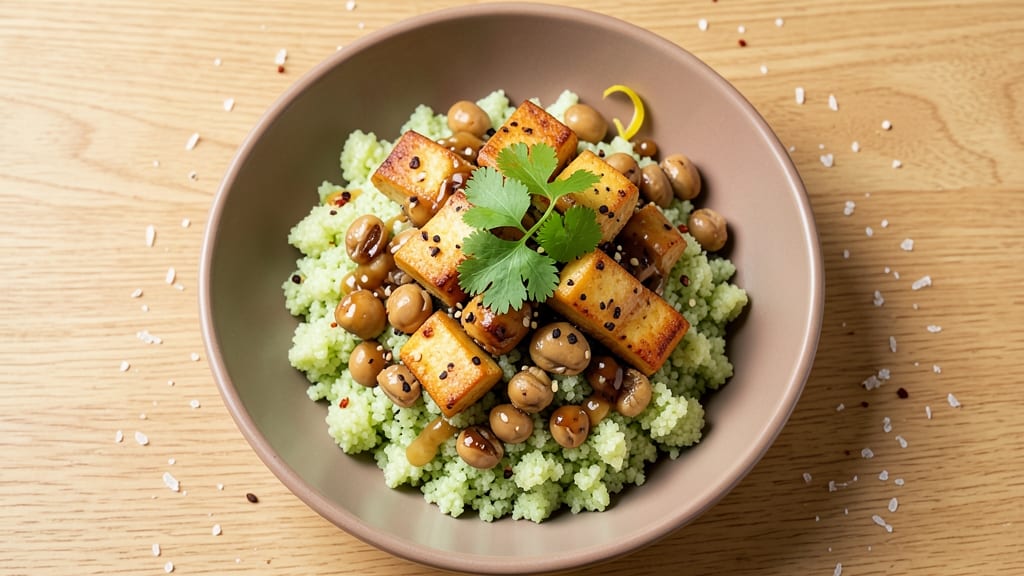
This cauliflower rice bowl recipe transforms a simple side into a satisfying, protein-packed meal with crispy sesame crunch and deep umami flavors. The secret lies in perfectly toasted sesame seeds and a savory sauce that binds every component into a cohesive, restaurant-quality dish.
I developed this recipe after realizing how versatile cauliflower rice could be when paired with the right textures and seasonings.
The foundation starts with cauliflower rice sautéed until tender-crisp, then elevated with toasted sesame seeds that add a nutty crunch. For protein, I recommend crispy baked tofu or spiced chickpeas, both of which hold up beautifully to the bold flavors.
The sauce—a balance of soy, sesame oil, and ginger—ties everything together with a sticky, aromatic finish.
What makes this bowl special is how customizable it is. Swap in shrimp for extra protein, add mushrooms for earthiness, or toss in edamame for freshness. The dish comes together in under 30 minutes, making it perfect for weeknight dinners or meal prep.
Each bite delivers a mix of textures—crispy, creamy, and tender—with every component playing its part.
Serve it as a light lunch or a side to grilled meats, and don’t forget the garnishes: sliced green onions, sesame seeds, and a drizzle of chili oil for heat.
This isn’t just a side dish—it’s a complete, flavorful meal that proves cauliflower rice can be the star of the plate.
Ingredients for cauliflower rice bowl
Fourteen ingredients transform cauliflower rice into a restaurant-quality vegetarian bowl with umami depth and crispy textures.
| Ingredient | Amount | Notes |
|---|---|---|
| Fresh Cauliflower 🥬 | 1 lb | Riced or grated fine |
| Extra-Firm Tofu 🍲 | 14 oz | Pressed and cubed |
| Sesame Seeds 🌰 | ¼ cup | Toasted for crunch |
| Chickpeas 🥜 | 1 cup | Drained and rinsed |
| Tamari or Soy Sauce 🍶 | ¼ cup | Gluten-free preferred |
| Sesame Oil 🫒 | 2 tbsp | Toasted for aroma |
| Fresh Ginger 🌿 | 1 tbsp | Finely grated |
| Garlic Cloves 🧄 | 3 cloves | Minced for depth |
| Rice Vinegar 🍶 | 1 tbsp | White vinegar substitute |
| Honey or Maple Syrup 🍯 | 1 tbsp | For balance |
| Green Onions 🧅 | 3 whole | Sliced for garnish |
| Chili Oil 🌶️ | 1 tbsp | Optional for heat |
| Vegetable Oil 🫒 | 2 tbsp | For sautéing |
| Salt 🧂 | 1 tsp | Diamond Crystal preferred |
| Black Pepper 🌶️ | ½ tsp | Freshly ground |
The cauliflower is the foundation—freshness matters, so grab a head from the produce section rather than pre-riced. Whole Foods or local farmers markets often carry the best quality. For tofu, extra-firm pressed blocks from the refrigerated section give the best texture. Chickpeas? Low-sodium canned is ideal, but rinse thoroughly to remove excess salt. Sesame seeds should be toasted in a dry pan—they develop that nutty aroma that elevates everything. If you're short on time, pre-toasted seeds from bulk bins work too, but fresh toasted is superior.
No tamari? Regular soy sauce works, but reduce other salty ingredients. Sesame oil separates easily—shake the bottle before measuring. Fresh ginger and garlic are non-negotiable here; jarred versions lack the punch. For sweetness, maple syrup adds subtle earthiness compared to honey. Swapping chickpeas for edamame or mushrooms keeps this vegetarian but adds different textures. Need more protein? Add baked tempeh**—it holds up beautifully to the sauce. The rice vinegar can be omitted if you prefer a more savory profile, but it balances the richness perfectly.
Toasted sesame seeds lose crunch fast—store them in an airtight container for up to 2 weeks. The sauce keeps for 5 days in the fridge, though it tastes best fresh. For meal prep, assemble bowls without sauce** and store components separately to maintain crispness. Freeze the sauce in ice cube trays for easy single-use portions. Garnishes like green onions and chili oil should be added just before serving**—they brighten up every bite.
Why You'll Love This Recipe
- I swear by this trick: just pulse the cauliflower in a food processor until it looks like rice—no fine dust, no fuss. The tofu gets pressed and pan-fried in 10 minutes while you stir-fry the chickpeas, and suddenly you’ve got a bowl that’s ready faster than takeout.
- No Chopping Chaos: I swear by this trick: just pulse the cauliflower in a food processor until it looks like rice—no fine dust, no fuss. The tofu gets pressed and pan-fried in 10 minutes while you stir-fry the chickpeas, and suddenly you’ve got a bowl that’s ready faster than takeout.
- Umami Magic: That tamari-soaked tofu? Chef’s kiss. The crispy edges soak up the sauce while the chickpeas add texture, and the sesame seeds on top? They’re the little flavor bombs that make this bowl taste like a restaurant dish—not just a healthy swap.
- Leftovers That Don’t Suffer: Honestly, this recipe only gets better the next day. The flavors meld, the tofu stays tender, and you can reheat portions in minutes. I’ve packed these for lunches, frozen them for busy nights, and even served them cold with a drizzle of chili oil—works every time.
Step-by-step instructions for cauliflower rice bowl with toasted sesame crunch
Here's the method for building a perfectly balanced bowl with crispy textures and layered umami flavors.
Prepare the Base Components
Start by pressing the 14 oz extra-firm tofu between two paper towels under a heavy object for 20 minutes. This removes excess moisture and ensures crispy edges when cooked. Cut the pressed tofu into ½-inch cubes and set aside.
In a large bowl, combine the 1 lb fresh cauliflower (riced or finely grated), 1 cup drained and rinsed chickpeas, 1 tbsp finely grated fresh ginger, 3 minced garlic cloves, 1 tsp salt, and 0.5 tsp freshly ground black pepper. Toss gently to distribute the seasonings evenly. The cauliflower should look like fine rice grains or shreds.
Cook the Tofu and Cauliflower Mixture
Heat 2 tbsp vegetable oil in a large skillet over medium-high heat until shimmering. Add the tofu cubes in a single layer and cook undisturbed for 4-5 minutes until golden brown on all sides. Remove the tofu and set aside on a paper towel-lined plate.
In the same skillet, add the cauliflower-chickpea mixture in batches, spreading it out evenly. Cook for 8-10 minutes, stirring occasionally, until the cauliflower is tender with slightly crisp edges. The mixture should look dry and separate rather than mushy. Season with an additional pinch of salt if needed.
Create the Umami Sauce
In a small saucepan, combine 0.25 cup tamari or soy sauce, 2 tbsp toasted sesame oil, 1 tbsp rice vinegar, and 1 tbsp honey or maple syrup. Bring to a gentle simmer over medium-low heat and cook for 3-4 minutes until slightly reduced and glossy. Remove from heat and stir in 1 tbsp chili oil (if using) for added depth.
This sauce should coat the back of a spoon with a smooth, velvety texture. The balance of salty tamari, bright vinegar, and sweet honey creates the perfect umami foundation for the bowl. Taste and adjust seasoning—you may need a touch more salt or a splash of water to reach your desired consistency.
Assemble and Toast the Final Crunch
In a large bowl, combine the cooked cauliflower mixture and tofu cubes. Drizzle with the prepared sauce and toss gently to coat evenly. The sauce should cling to the cauliflower and tofu without making the mixture soggy. Let the bowl sit for 2 minutes to allow the flavors to meld.
In a dry skillet over medium heat, toast the 0.25 cup sesame seeds for 1-2 minutes until golden brown and fragrant. This step is crucial for adding that signature nutty crunch. Immediately sprinkle the toasted sesame seeds over each serving, followed by the sliced 3 whole green onions for freshness.
Pro Tips For Making Cauliflower Rice Bowl
- Sear Tofu in Batches: Extra-firm tofu gets crispy only when it’s crowded out—don’t overpack the pan. Work in 1-inch-thick slices, spaced apart, and press hard with a spatula for 2-3 minutes per side. I learned this the hard way after slathering tofu in sauce and serving it soggy because I rushed the cooking.
- Rice the Cauliflower Fresh: Pre-riced cauliflower loses texture fast, but fresh is non-negotiable for this bowl. Pulse the florets in a food processor until they’re rice-sized—no smaller, or they’ll turn to mush. Immediately toss with a pinch of salt and a drizzle of tamari to stop browning while you cook the rest.
- Skip the Crowding for Chickpeas: Chickpeas release starch like crazy, so resist the urge to toss them all in one pan. Roast them in two batches at 400°F (200°C) for 20-25 minutes, stirring once, until edges crisp. Overcrowding = steam bath = sad, gummy chickpeas. (Yes, even if you’re impatient like me.)
- Toast Sesame Seeds Low and Slow: Sesame seeds burn faster than you think—watch the heat. Toast them in a dry pan over medium-low for 1-2 minutes, shaking the pan constantly, until they’re golden and smell nutty. High heat turns them bitter; low heat gives them depth. (Your future self will thank you.)
Common mistakes when making your cauliflower rice bowl
Overcooking Cauliflower
One of the biggest mistakes is overcooking the cauliflower rice, which turns it mushy instead of tender-crisp. I’ve ruined many batches by walking away from the skillet—cauliflower cooks faster than you think.
Cook in batches over medium-high heat for 8-10 minutes max, stirring occasionally. The edges should be slightly golden, not browned. 🔥
Skipping the Press
Never skip pressing the tofu! Unpressed tofu releases excess water, making your bowl soggy. Wrap the block in paper towels and place a heavy pan on top for 20 minutes.
This step is non-negotiable for crispy tofu that holds up to the sauce. I’ve learned this the hard way—trust me, the crunch is worth it.
Uneven Sauce Distribution
Drizzling the sauce all at once and tossing aggressively can break down the cauliflower’s texture. Instead, add sauce gradually while mixing gently. The goal is a light coating, not a drowning. Taste as you go—you can always add more later. This keeps the bowl’s structure intact.
Ignoring the Sesame Toast
Skipping the toasted sesame seeds means missing the bowl’s signature crunch and aroma. Toast them fresh in a dry skillet for 1-2 minutes until golden. Pre-toasted seeds from the store lack that fresh, nutty depth. Pro tip: Toast them right before serving so they stay crisp.
Overcrowding the Pan
Crowding the skillet with too much cauliflower rice or tofu steams instead of crisps. Cook in single layers with space between pieces. If needed, work in batches—patience here prevents soggy results. A well-seasoned 12-inch cast iron skillet is ideal for even heat distribution.
Neglecting the Rest
Rushing to serve immediately after tossing the sauce means flavors won’t meld. Let the bowl sit for 2 minutes—this allows the sauce to soak in evenly. I’ve seen beginners skip this step and end up with a disjointed bite. Trust the process; the wait is worth it. ✨
Nutrition facts
Frequently asked questions
Can I make this cauliflower rice bowl gluten-free?
Use tamari instead of regular soy sauce, and check all other ingredients for hidden gluten. The recipe is naturally gluten-free except for the soy sauce. For extra safety, opt for certified gluten-free sesame oil and rice vinegar.
How do I store leftovers to keep the cauliflower rice crispy?
Store components separately: keep the cauliflower mixture, tofu, and sauce in airtight containers in the fridge for 3-4 days. Reheat the cauliflower and tofu separately in a dry skillet for 2-3 minutes to restore crispness, then add fresh sauce and garnishes when serving. Never microwave—it makes everything soggy!
What's the best way to add extra protein without tofu?
Try these options: 1 cup baked tempeh (marinated in tamari and smoked paprika), ½ cup edamame (blanched and tossed with sesame seeds), or ½ cup grilled shrimp (seasoned with garlic and ginger). All pair beautifully with the umami sauce.
Can I make this bowl ahead of time for meal prep?
Yes! Prep all components separately and store them in the fridge for up to 4 days. When ready to eat, reheat the cauliflower and protein in a skillet, then assemble bowls with fresh sauce and garnishes. The toasted sesame seeds should be added fresh to maintain crunch. This method saves 30+ minutes on busy weeknights!
Why does my cauliflower rice turn out mushy?
Overcooking or using too much moisture causes mushiness. Cook cauliflower over medium-high heat for 8-10 minutes max, stirring frequently, until tender-crisp. Avoid adding water or covering the pan—steam makes it soggy. Freshly riced cauliflower is also key; pre-shredded versions often contain preservatives that affect texture.