
Desserts
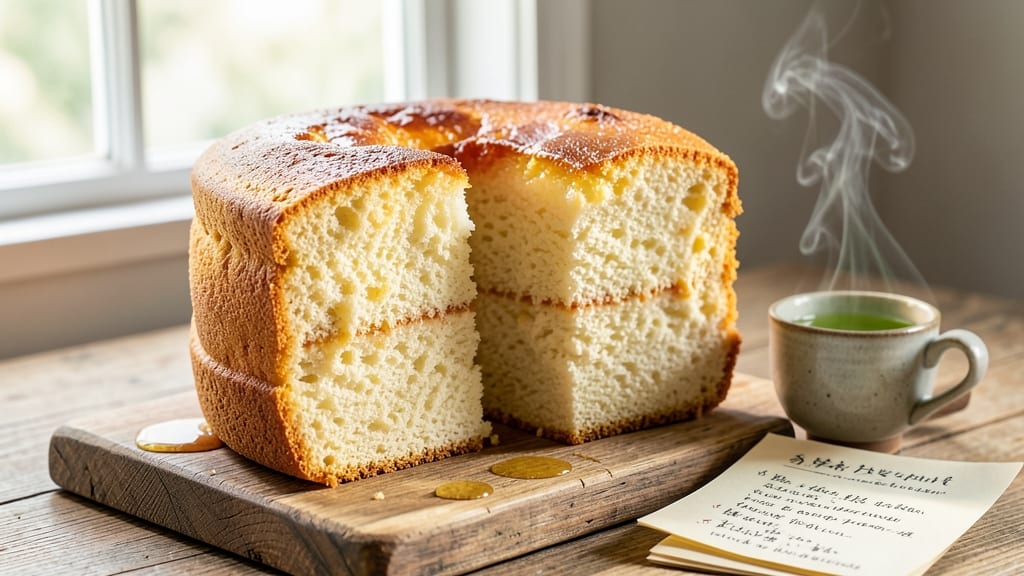
This castella cake recipe transforms your rice cooker into a perfect baking vessel for Japan's beloved sponge cake. The secret lies in precise layering and gentle steaming—no oven required—to achieve that signature moist crumb and caramelized top.
I've adapted the traditional method to work flawlessly in a rice cooker, ensuring consistent results every time.
What makes this version special is the rice cooker's ability to maintain even moisture and temperature, which creates those signature tender layers and golden crust without drying out.
The cake's delicate texture and subtle sweetness come from careful ingredient ratios and proper steaming techniques, all adapted for your rice cooker's unique heat distribution. Serve it warm with a dusting of powdered sugar and a cup of green tea for the authentic experience.
Ingredients for castella cake recipe rice cooker
Six ingredients plus a few special touches make this rice cooker castella perfect every time.
| Ingredient | Amount | Notes |
|---|---|---|
| Superfine Sugar 🍚 | 1 ½ cups | Aka caster sugar, for fine texture |
| Unsalted Butter 🧈 | 1 cup | Cold, cubed for creaming |
| Large Eggs 🥚 | 6 whole | Room temperature, separated |
| All-Purpose Flour 🌾 | 1 ½ cups | Sifted, light and fluffy |
| Baking Powder 🍞 | 1 tsp | Aluminum-free preferred |
| Vanilla Extract 🌿 | 1 tbsp | Pure Madagascar preferred |
| Rice Vinegar 🍶 | 1 tbsp | For subtle tang |
| Powdered Sugar 🍚 | 1 cup | For dusting and caramelization |
| Water 💧 | ½ cup | Room temperature |
| Green Tea Leaves 🍵 | 1 tsp | Loose leaf, steeped in water |
| Kuzu Powder 🌾 | 1 tsp | Optional for extra gloss |
| Vegetable Oil 🫒 | 1 tbsp | For greasing rice cooker |
The butter and sugar are non-negotiable here—European-style unsalted butter gives the best flavor, and superfine sugar dissolves perfectly for that signature tender crumb. Grab the Plugrá brand if you're near a Latin market, or Dominoroom temperature—cold eggs create air pockets. The flour? King Arthur or Gold Medal work best for that light texture. For the green tea, japanese sencha is ideal, but any good-quality loose leaf will do.
No superfine sugar? Pulse regular granulated sugar in a food processor until it's ultra-fine—no need to buy specialty sugar. Short on rice vinegar? Apple cider vinegar at half the amount works in a pinch. The kuzu powder is optional but worth it—it creates that signature glossy sheen. For the rice cooker, vegetable oil is best for greasing, but a light coat of butter works too. The baking powder should be fresh—if it's over a year old, toss it and buy new. And yes, you can use egg whites only if you're avoiding yolks, but the yolks add that rich color.
This batter keeps for 24 hours in the fridge if you're prepping ahead—just whisk gently before using. The cake itself? Best served warm straight from the rice cooker, but it reheats beautifully in short bursts. Store leftovers wrapped tightly at room temperature for 3 days—it won't last that long, honestly. For that caramelized top, dust with powdered sugar immediately after cooking while it's still hot. And trust me, make a double batch—it disappears fast.
Why You'll Love This Recipe
- Rice Cooker Magic: I swear, this recipe turns my rice cooker into a cake machine—no fancy equipment, no stress. Just mix the eggs, butter, and flour with that fine sugar, pour it in, and let the rice cooker do the rest. (Yes, even if you’re the kind of person who burns toast.)
- Golden Crisp Edge: That caramelized top? It’s the star. The butter and sugar team up to give it a buttery crackle, while the inside stays soft—like a hug in cake form. Honestly, I’ve made it three times this week, and I keep forgetting to save slices for later.
- Breakfast or Dessert: Serve it warm with tea for a cozy morning, or slice it up for a picnic—it’s that adaptable. My kids ask for it after school snacks, but I save the good pieces for my coffee breaks. (Between us, the good pieces are always gone first.)
- No Waste, All Gain: The leftovers stay fresh for days, and if you’re smart, you’ll freeze half the batch. Plus, you’re using pantry staples—no weird ingredients or last-minute grocery runs. My wallet and my schedule thank me every time.
Step-by-step instructions for castella cake in a rice cooker
Here's how to create a perfectly moist castella with a caramelized top using just your rice cooker.
Prepare the Green Tea Infusion and Grease the Rice Cooker
First, steep the 1 teaspoon green tea leaves in the ½ cup water for 5 minutes—this gives that signature delicate flavor. While that steeps, lightly grease the interior of your rice cooker using the 1 tablespoon vegetable oil, making sure to coat the bottom and sides evenly. This prevents sticking and helps create that beautiful caramelized crust later. I like to use a paper towel to wipe any excess oil from the sides, leaving just a thin, even layer.
The tea infusion should be pale green and slightly bitter—don't let it turn dark or it'll overpower the cake. Strain out the leaves and set the tea aside. Greasing now ensures the cake doesn't cling when you're ready to transfer it later. This step is non-negotiable for that perfect pull-apart texture and glossy finish.
Cream Butter and Superfine Sugar to Light and Fluffy
In a large mixing bowl, beat the 1 cup unsalted butter and 1.5 cups superfine sugar together using an electric mixer on medium speed for 3-4 minutes. You're looking for a pale, fluffy mixture that nearly doubles in volume—this incorporates air that will create a light, airy texture. I like to scrape down the sides every 30 seconds to ensure everything gets fully incorporated.
This creaming process is where the magic happens. The butter should be completely smooth with no graininess, and the mixture should leave a ribbon trail when the beaters are lifted. If your butter isn't cold enough, the mixture will separate—just pop the bowl in the fridge for 10 minutes to firm it up before continuing. Patience here pays off with a tender crumb.
Add Eggs and Flavorings for Maximum Moisture
Add the 6 whole large eggs, one at a time, mixing well after each addition. Then stir in the 1 tablespoon vanilla extract, 1 tablespoon rice vinegar, and the steeped green tea. The vinegar adds a subtle tang that balances the sweetness, while the tea infusion gives that authentic castella flavor. Mix on low speed just until combined—overmixing develops gluten and makes the cake dense.
Here's where the kuzu powder comes in: sprinkle in the 1 teaspoon kuzu powder and mix until dissolved. This optional ingredient adds a beautiful gloss and helps create that signature caramelized top. The batter should be thick but pourable—if it's too stiff, you can add 1-2 tablespoons of the green tea infusion to loosen it slightly. The batter should coat the back of a spoon but still hold its shape.
Fold in Dry Ingredients Gently for Perfect Texture
In a separate bowl, whisk together the 1.5 cups all-purpose flour and 1 teaspoon baking powder. Sift this mixture directly over the wet ingredients and use a spatula to fold it in gently—just until no dry spots remain. The key here is to preserve as much air as possible, so avoid overmixing. You should still see some streaks of flour, which is completely normal.
Once fully combined, pour the batter into the prepared rice cooker, spreading it evenly. Sprinkle the 1 cup powdered sugar evenly over the top—this will caramelize beautifully during cooking and create that signature crust. Tap the rice cooker gently on the counter to release any air bubbles that might have formed. This step ensures even baking and that perfect golden caramelized top we're after.
Cook and Caramelize to Perfection
Place the lid on the rice cooker and select the bake function (if available) or use the steam function for 45 minutes. If your rice cooker doesn't have a bake function, you can use the white rice setting for 50-60 minutes—just monitor it closely. The cake is done when the top is deep golden brown and a toothpick inserted comes out clean with just a few moist crumbs.
Here's the critical part: once the timer goes off, let the cake rest in the rice cooker for 10 minutes before opening. This resting period allows the moisture to redistribute, preventing a dry top. When you do open it, you'll see that beautiful caramelized crust—if it's not fully set, return it to the cooker for another 5-10 minutes. Let it cool completely in the rice cooker before slicing, or you'll end up with a crumbly cake.
Pro Tips For Making Castella Cake Recipe Rice Cooker
- WHISK EGGS UNTIL COLD: I learned this the hard way—whipping eggs at room temperature makes the batter too thick, and you’ll end up with a dense castella instead of that signature fluffy crumb. Pop the eggs in the fridge for 20 minutes before starting, then whisk them in an ice bath while mixing. The cold slows down the gluten formation, keeping the texture light.
- MELT BUTTER SLOWLY: Butter burns faster than you think, especially in a rice cooker’s indirect heat. Melt it in a separate pan over low heat until just liquid, then let it cool slightly before folding it into the batter. Warm butter works better than hot—you want it to blend smoothly without scrambling the eggs.
- DON’T OVERMIX THE BATTER: After adding the flour and baking powder, stop mixing the second everything’s combined. Overworking it develops gluten, which turns your castella into a tough sponge cake. Fold just until no dry spots remain—think "lumpy is okay."
- STEAM THE FIRST 10 MINUTES: Most rice cooker castella recipes skip this, but I swear by it: Place a heatproof bowl filled with boiling water in the inner pot before adding the batter. The steam creates a moist environment, helping the cake rise evenly and preventing a dry top. Remove the bowl after 10 minutes—just enough to kickstart the bake.
Troubleshooting perfect results
Uneven Baking Fix
If your castella cake emerges with a pale center or uneven browning, it’s likely due to inconsistent heat distribution in your rice cooker.
Most rice cookers heat from the bottom, so place a small heat-resistant dish filled with ½ cup hot water in the bottom of the cooker before adding the batter. This creates steam that circulates evenly, ensuring the top caramelizes while the center cooks through.
For extra insurance, cover the cake loosely with a small piece of aluminum foil during the first 30 minutes of cooking, then remove it to let the top brown. 🌡️
Sticky Cake Solution
When the cake sticks to the rice cooker, it’s usually because the greasing wasn’t thorough enough or the batter was too wet. First, ensure you’re using vegetable oil (not butter) for greasing—it creates a smoother, more even layer.
After baking, run a thin, flexible plastic spatula around the edges while the cake is still warm. If it’s stubborn, invert the rice cooker onto a clean cutting board for 10 seconds to loosen the cake.
For next time, reduce the green tea infusion by 1 tablespoon if the batter feels too runny.
Dry Top Prevention
A dry or cracked top is often caused by opening the rice cooker too soon or insufficient moisture during cooking. After baking, let the cake rest in the cooker for the full 10 minutes before opening.
If the top still looks dry, brush it lightly with 1 teaspoon warm water or the reserved green tea infusion, then return it to the cooker for 5 more minutes, covered.
For extra moisture, sprinkle an additional ¼ cup powdered sugar over the top before the final 10 minutes of cooking.
Overly Dense Texture
If your castella turns out dense rather than light and fluffy, overmixing or incorrect flour measurements are usually to blame. Sift the 1.5 cups all-purpose flour and 1 teaspoon baking powder together before folding them into the wet ingredients—this prevents lumps and ensures even distribution.
When mixing, use a spatula to gently fold the dry ingredients in just until combined; stop as soon as no dry spots remain. Also, ensure your eggs are at room temperature—cold eggs can create air pockets that lead to a denser texture.
Rice Cooker Lid Issues
Some rice cookers struggle with sealing tightly, causing steam to escape and uneven cooking. If your lid doesn’t create a perfect seal, place a damp paper towel around the edges before closing—this helps trap steam inside.
For models with a loose-fitting lid, prop a small piece of aluminum foil against the inside of the lid to reflect heat downward.
If your rice cooker lacks a bake function, use the white rice setting but monitor closely after 45 minutes—the cake may need less time than indicated for rice.
Nutrition facts
Frequently asked questions
Can I use a regular rice cooker without a bake function?
Yes! If your rice cooker lacks a bake function, use the white rice setting for 50-60 minutes instead. Monitor closely after 45 minutes—the cake may finish cooking faster than rice. Place a small dish of ½ cup hot water in the bottom to create even steam circulation. The key is patience: let it cook until the top is deep golden brown and a toothpick comes out clean with moist crumbs.
Why does my castella cake stick to the rice cooker?
Sticking usually happens from insufficient greasing or too-wet batter. Always use vegetable oil (not butter) to coat the rice cooker thoroughly, including the sides. If it still sticks, let the cake cool slightly in the cooker, then invert it onto a cutting board for 10 seconds to loosen. For future batches, reduce the green tea infusion by 1 tablespoon if the batter feels runny. A damp paper towel around the lid edges can also help trap steam better.
How do I get that caramelized top without an oven?
The secret is the powdered sugar topping and proper steaming. Sprinkle 1 cup powdered sugar evenly over the batter before cooking—it caramelizes beautifully with the steam. For extra browning, cover the cake loosely with aluminum foil for the first 30 minutes, then remove it to let the top crisp. If the top isn't golden enough after cooking, brush it lightly with 1 teaspoon warm water and return to the cooker for 5 more minutes, covered.
Can I make this cake in a small rice cooker?
Yes, but you may need to adjust the recipe. For a 3-quart rice cooker, reduce the batter by 25% (about 1.5 cups) and use a small heatproof dish to hold the batter while steaming. Line the bottom with parchment paper for easier removal. The cooking time remains similar, but monitor closely—smaller batches may cook faster. The texture will still be tender, but the caramelized top might require extra attention with a small torch or broiler setting if available.
What's the best way to store leftover castella?
Store your castella cake wrapped tightly in plastic wrap at room temperature for up to 3 days. For longer storage, slice it and freeze individual portions in airtight containers for up to 1 month. To reheat, warm slices in the rice cooker (covered with a damp paper towel) for 2-3 minutes or microwave for 10-15 seconds. The cake reheats beautifully—just avoid overdoing it to prevent drying out.