
Main Courses
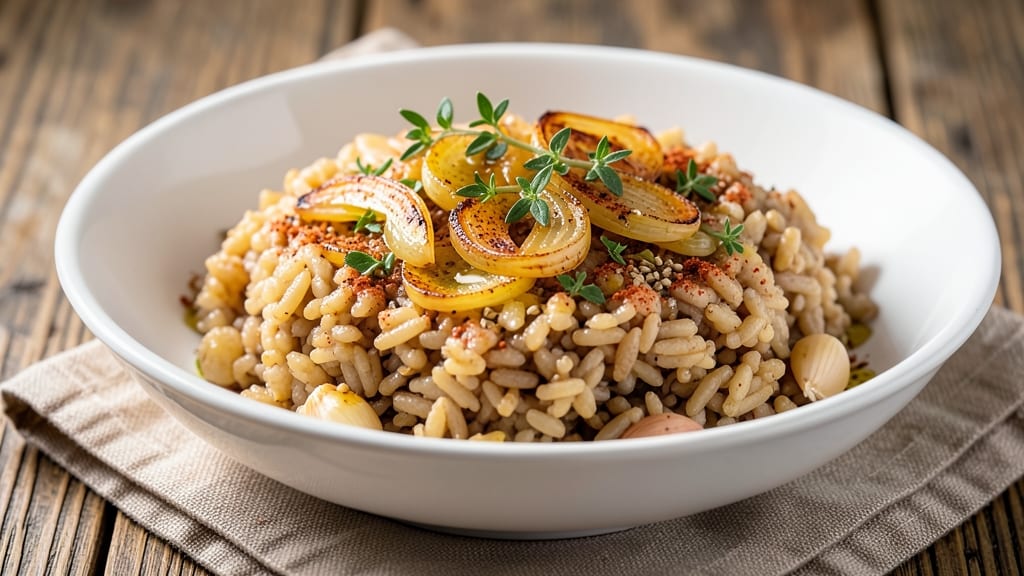
This Caribbean-inspired cassava rice recipe transforms humble cassava into a fragrant, textured side dish that rivals traditional rice—without grains. The secret lies in perfectly toasting aromatic vegetables and balancing cassava’s natural starchiness with just enough moisture for a satisfying bite.
I developed this method after discovering how cassava flour’s neutral flavor absorbs bold seasonings beautifully, making it ideal for both vegan diets and flavor-forward meals.
The result is a dish with crispy edges and tender centers, infused with garlic, thyme, and a touch of smoky paprika. Unlike regular rice, this version holds up perfectly as a base for curries, stews, or even as a standalone side with grilled proteins.
With simple ingredients and a 30-minute preparation, it delivers restaurant-quality texture and aroma that will elevate any plate.
Ingredients for cassava rice
Simple ingredients elevate cassava flour into a fragrant, textured side dish with Caribbean-inspired depth.
| Ingredient | Amount | Notes |
|---|---|---|
| Cassava Flour 🥔 | 1 ½ cups | Fine-milled, for even texture |
| Yellow Onion 🧅 | 1 whole | Thinly sliced, for aromatic base |
| Garlic Cloves 🧄 | 4 cloves | Minced, for deep flavor |
| Fresh Thyme Leaves 🌿 | ¼ cup | Chopped, or 1 tbsp dried |
| Smoked Paprika 🌶️ | 1 tsp | For subtle smokiness |
| Ground Cumin 🌿 | ½ tsp | Toasted for enhanced aroma |
| Sea Salt 🧂 | 1 ½ tsp | Diamond Crystal preferred |
| Black Peppercorns 🌶️ | ¼ tsp | Freshly cracked |
| Vegetable Oil 🫒 | ¼ cup | High smoke point preferred |
| Vegetable Broth 💧 | 1 ½ cups | Low-sodium, homemade ideal |
| Fresh Cilantro Leaves 🌿 | ⅛ cup | Chopped, for garnish |
| Lime Wedges 🍋 | 2 whole | For serving |
The cassava flour is the foundation—opt for fine-milled varieties available at Latin markets or specialty stores like Whole Foods. The difference between cassava flour and regular flour is dramatic; Bob's Red Mill carries a quality option if you can't find it locally. For the aromatics, toast the onions and garlic until deeply golden—this step builds the dish's signature crunch and flavor. Fresh thyme is ideal, but dried thyme works at one-third the amount. The smoked paprika should be Spanish-style for authentic depth, though any smoked variety will do.
No smoked paprika? A pinch of liquid smoke or extra cumin bridges the gap. Substitute vegetable broth with water plus 1 tsp soy sauce for umami. The vegetable oil should have a high smoke point—avocado or refined coconut oil are excellent choices. For extra texture, toast the cassava flour in the oil for 2-3 minutes before adding liquid. The lime wedges should be freshly cut—they brighten the dish's richness and cut through the cassava's natural starchiness. Garnish with cilantro if you love the flavor, but omit if you prefer a cleaner presentation.
Store leftovers in an airtight container for up to 4 days—they reheat beautifully with a splash of water. Freeze portions for up to 3 months by spreading the cooled rice on a tray first, then transferring to a bag. For extra crispiness, undercook slightly and finish with a quick toast in a dry skillet. This dish pairs perfectly with grilled tofu, jerk chicken, or coconut curries—its neutral base absorbs bold flavors beautifully.
Why You'll Love This Recipe
- One-Pot Magic: I swear by this—just toss the flour, water, and aromatics in one pot, stir, and walk away. No rice burner here; cassava thickens like a dream, and the onions caramelize right into the mix.
- Smoky Earthy Kick: That smoked paprika? It’s the star. Deep, slightly sweet, with a whisper of heat that lingers—like a hug from a campfire. The thyme ties it all together with a bright, herbal punch that makes every bite feel intentional.
- Meal Prep MVP: Between us, this keeps perfectly for four days in the fridge. Reheat it with a splash of water, and it’s still got that satisfying bite. Pack it for lunches, freeze half for lazy nights—it’s my go-to when I’m swamped.
- Budget Game-Changer: Honestly, cassava flour is a steal. A little goes a long way, and you’re left with a side that feels fancy without the grocery bill. Plus, the onions and garlic? Pantry staples that don’t break the bank.
Step-by-step instructions for Caribbean-inspired cassava rice
Transform simple ingredients into a textured, aromatic cassava rice dish with perfect toasted depth.
Toast the Aromatics for Maximum Flavor
Heat the 0.25 cup vegetable oil in a medium saucepan over medium heat until shimmering but not smoking. Add the 1 whole yellow onion, sliced into thin half-moons, and cook for 5-6 minutes until the edges begin to turn golden and translucent. This slow toasting develops sweetness that forms the base of your dish.
Push the onions to the sides of the pan and add the 4 cloves garlic cloves, minced, along with the 0.25 cup fresh thyme leaves and 1 tsp smoked paprika. Stir constantly for 30 seconds until the garlic becomes fragrant and just begins to color at the edges. Remove the pan from heat immediately to prevent burning—garlic turns bitter in seconds when overcooked. Here's the thing—properly toasted aromatics make all the difference in this dish.
Develop the Spice Base
Return the pan to medium heat and add the 0.5 tsp ground cumin and 1.5 tsp sea salt. Stir continuously for 1 minute until the spices are fully incorporated and the mixture smells deeply aromatic. The cumin should release its warm, earthy notes while the salt enhances all the flavors to come.
Next, sprinkle in the 0.25 tsp black peppercorns and toast for another 30 seconds until they begin to sizzle and release their peppery aroma. This step builds the complex flavor foundation that carries through the entire dish. If you smell any burning, reduce heat immediately—burnt spices will overpower the delicate cassava flavor.
Create the Cassava Rice Texture
Reduce heat to medium-low and gradually whisk in the 1.5 cups cassava flour over 1-2 minutes, stirring constantly to prevent lumps from forming. The mixture will thicken noticeably as the flour begins to hydrate from the residual moisture in the pan. You want a consistency similar to wet sand—neither too dry nor too soupy.
Slowly pour in the 1.5 cups vegetable broth while whisking vigorously to incorporate. The flour will immediately begin to absorb the liquid, creating a thick, paste-like consistency. This is your critical moment—proper hydration ensures the perfect textured result. If the mixture looks too thick, add 1-2 tablespoons water to reach a smooth, spreadable consistency.
Cook Until Crispy and Golden
Increase heat to medium-high and bring the mixture to a gentle boil. Once boiling, reduce heat to medium-low and let it simmer uncovered for 12-15 minutes, stirring occasionally with a wooden spoon. You're looking for the edges to develop a golden-brown crust while maintaining a slightly moist center—this creates the signature crunch of Caribbean cassava rice.
The cassava will begin to pull away from the sides of the pan slightly, forming a crispy perimeter. This is your visual cue that the texture is developing properly. If it sticks too much, add 1 tablespoon broth to loosen it. The dish should have a slightly caramelized appearance with pockets of moisture remaining throughout.
Finish and Serve with Fresh Accents
Remove the pan from heat and let it rest for 2 minutes to allow the cassava to set slightly. Stir in the 0.125 cup fresh cilantro leaves, chopped, and taste for seasoning. The acidity of the cilantro brightens the dish while adding a fresh herbal note that balances the toasted spices.
Serve immediately with the 2 whole lime wedges on the side for squeezing over each portion. The lime's acidity cuts through the richness of the cassava while enhancing the toasted aromatics. For best results, serve this dish while still warm—its texture and flavor profile change as it cools. This method delivers restaurant-quality cassava rice with proper texture and depth every time.
Pro Tips For Making Cassava Rice
- Bloom the Onions First: DESCRIPTION: Sweat those onions in 2 tablespoons of oil over medium-low heat for 8-10 minutes until they’re translucent and just starting to caramelize—don’t rush this. I used to skip it, and the dish always tasted raw and one-dimensional. The longer you cook them, the deeper the flavor, especially when paired with that smoked paprika later.
- Whisk the Cassava Flour: DESCRIPTION: Before adding liquid, whisk the cassava flour with a pinch of salt and 1 tablespoon of cold water to break up any lumps. I learned this the hard way—lumpy flour clumps into a gluey mess that never cooks evenly. A quick whisk saves you from scraping burnt bits off the pan later.
- Smoked Paprika Timing: DESCRIPTION: Add the smoked paprika after the onions are fully cooked, not at the start—it burns fast and turns bitter. Sprinkle it in while stirring, then let it bloom for 30 seconds before adding the garlic. This ensures it infuses without overpowering the dish.
- Simmer, Don’t Boil: DESCRIPTION: Once you add the liquid, keep the heat at a gentle simmer (tiny bubbles, not a rolling boil) and stir every 2-3 minutes. Boiling makes cassava rice gummy and gluey—like a sad, overcooked pudding. Low and slow gives you that perfect, slightly firm texture.
Pro cooking tips for great cassava rice
Toast Aromatics Properly
The key to Caribbean-inspired cassava rice lies in perfectly toasting your aromatics. Heat the 0.25 cup vegetable oil until shimmering, then cook the onions for 5-6 minutes until golden—not brown.
This slow process caramelizes their natural sugars, creating a sweet, aromatic base. I use a medium saucepan because it gives enough surface area for even cooking. 🌡️
Push the onions aside and add the garlic, thyme, and smoked paprika. Stir for just 30 seconds—any longer risks burning the garlic. The goal is fragrant, not charred.
This step builds the dish's signature depth that separates it from regular rice. Trust me, skipping this won't give you the same restaurant-quality result.
Control the Heat
Cassava flour behaves differently than rice flour—it needs gentle heat to develop its signature texture. After adding the flour, reduce to medium-low heat and whisk constantly for 1-2 minutes to prevent lumps.
The mixture should thicken like wet sand. I've seen beginners rush this step, leading to gummy results. Patience here makes all the difference.
When adding the broth, whisk vigorously to create a smooth paste. The ideal consistency is thick but spreadable—like wet cement. If it's too dry, add 1-2 tablespoons water gradually.
This is your window to get the texture right before the final cooking stage. Too much liquid later ruins the crispy edges.
Master the Simmer
The 12-15 minute simmer at medium-low heat is where the magic happens. You're looking for golden-brown edges with a slightly moist center—this creates the perfect crunch. Stir occasionally with a wooden spoon to prevent sticking. I like to use a nonstick saucepan for easier release, but any heavy-bottomed pan works.
If the cassava pulls away from the sides slightly, that's exactly what you want. It should look like it's forming a crispy crust around the edges while staying tender inside.
This texture contrast is what makes cassava rice so satisfying. If it sticks too much, add 1 tablespoon broth to loosen it without over-diluting.
Finish with Fresh Accents
Let the cassava rice rest for 2 minutes off heat before adding the cilantro. This resting period allows the starches to set slightly, giving you better control when serving. The cilantro adds brightness that cuts through the toasted richness.
I always garnish with fresh lime wedges—squeezing them over hot cassava rice releases their oils and enhances all the flavors.
Serve immediately while warm for the best texture. The cassava continues to absorb moisture as it cools, so timing matters. This dish pairs perfectly with grilled proteins or coconut-based curries—its neutral base absorbs bold flavors beautifully. The secret to success? Paying attention to each step without rushing. 💫
Nutrition facts
Frequently asked questions
Can I substitute cassava flour for regular rice flour in this recipe?
No, you shouldn't substitute cassava flour for rice flour—they behave completely differently. Cassava flour has a higher starch content and creates that signature crispy texture when toasted properly. Rice flour would result in a gummy, gluey consistency that lacks the satisfying bite. If you can't find cassava flour, try grated fresh cassava (peeled and finely grated) as a substitute, but you'll need to adjust the liquid ratio carefully.
Why does my cassava rice turn out gummy instead of crispy? Gummy cassava rice usually happens when you add too much liquid or don't toast the aromatics properly. The key is getting that wet sand consistency before cooking—neither too dry nor too soupy. Also,
Can I make this cassava rice ahead of time?
Yes, but with some adjustments. Cook the cassava rice as directed, then spread it on a baking sheet to cool completely. Once cooled, transfer to an airtight container and store in the refrigerator for up to 4 days. To reheat, sprinkle with a little water or broth and warm in a skillet over low heat, stirring constantly. For freezing, portion the cooled cassava rice into bags and freeze for up to 3 months—thaw overnight in the fridge before reheating.
What are some good protein pairings for this cassava rice?
This cassava rice works beautifully with a variety of proteins! For a vegan meal, try pairing it with grilled tofu or black beans. For meat options, it complements jerk chicken, grilled shrimp, or spiced pork. The neutral flavor of the cassava rice makes it an excellent base for absorbing bold marinades and sauces. If you're making a complete meal, consider adding a fresh salad or roasted vegetables to balance the dish.
Can I make this recipe without smoked paprika?
If you don't have smoked paprika, you can substitute with 1/4 tsp liquid smoke plus 1/2 tsp regular paprika for similar depth. Another option is to use 1 extra pinch of cumin (about 1/4 tsp more) to enhance the earthy notes. The dish will still be delicious—smoked paprika just adds that special Caribbean touch. For a different flavor profile, you could also try a pinch of cayenne pepper for a subtle heat.